
Education & Intelligence
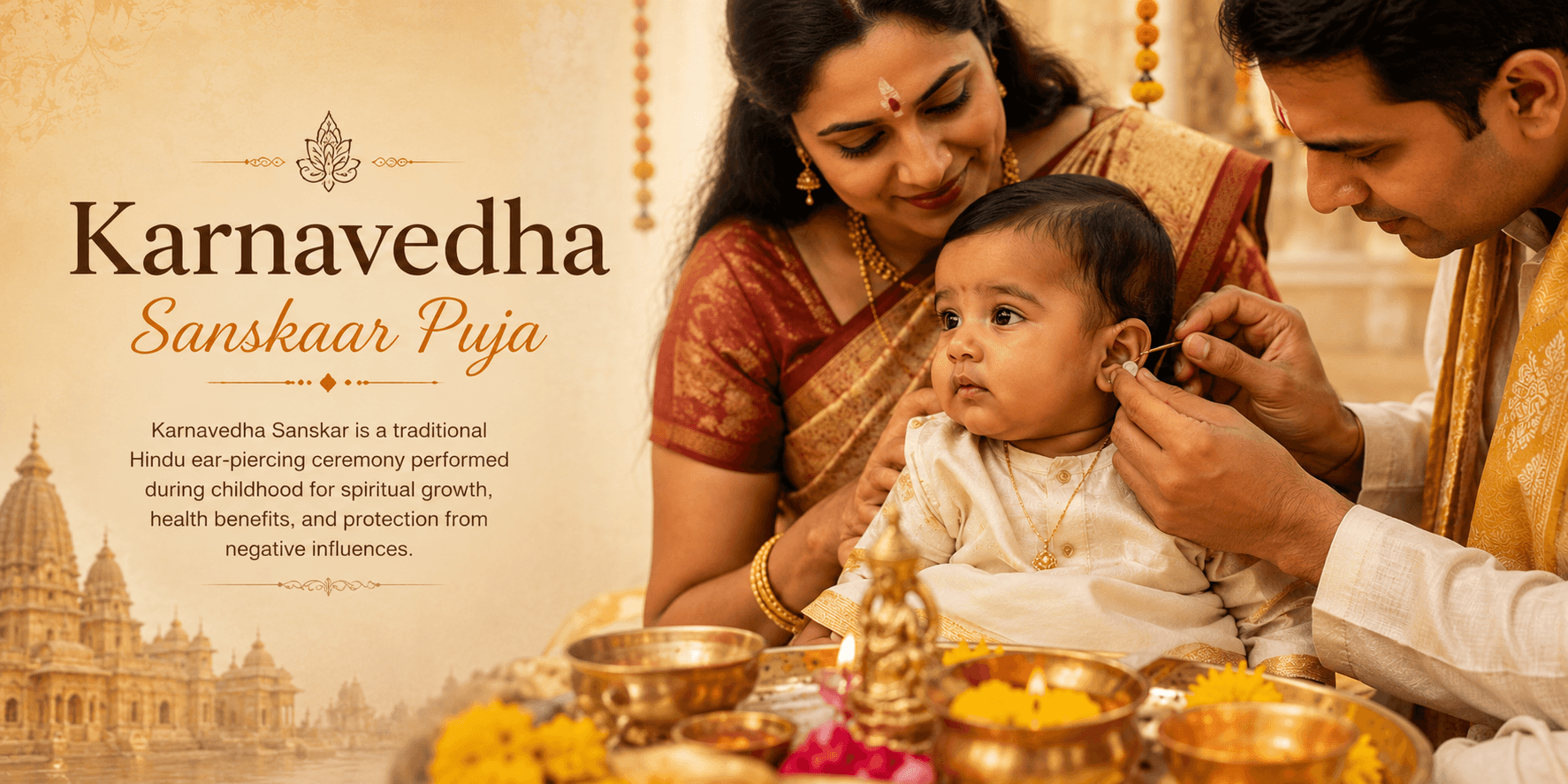
Karnavedha Sanskar Puja (9th Sanskaar)
"Karnavedha is the piercing of a child's ears. It is one of the sixteen sacred sanskars of Hindu life. The rite is far older than mere custom or style. Ayurveda holds that the ear point aids health and mind. The shastras say it opens the child to sacred sound. It guards against illness and sharpens the senses. The rite is done in the early years of life. The worship begins with Ganpati to clear all blocks. Vishnu and the Ishta Devta are honoured for grace. Families gather to bless the child on this day. Done in Kashi, the rite carries the highest merit."
Akshararambh Sanskar Puja (10th Sanskar)
"Akshararambh marks a child's first lesson in letters. It is one of the sixteen sacred sanskars of Hindu life. The word means the start of learning the alphabet. It is the first step into the world of books. The rite seeks the grace of Mata Saraswati. She is the goddess of learning and clear thought. The child writes its first letter under her blessing. Often the letter is traced in rice or on a slate. The worship begins with Ganpati to clear all blocks. Vasant Panchami is a favoured day for this rite. Done in Kashi, the rite carries the highest merit."
Upanayan Sanskar (11th Sanskar)
"Upanayan is the sacred thread ceremony. It is one of the sixteen great sanskars of Hindu life. It marks a boy's start on the path of learning. The word means to lead the child near to the guru. On this day the boy first wears the janeu thread. The thread holds three strands of deep meaning. The rite gives him the sacred Gayatri Mantra. It is seen as a second birth into a learned life. The worship honours the Saptarishi, the seven sages. Vasant Panchami is a favoured day for this rite. Done in Kashi, the sanskar carries the highest merit."
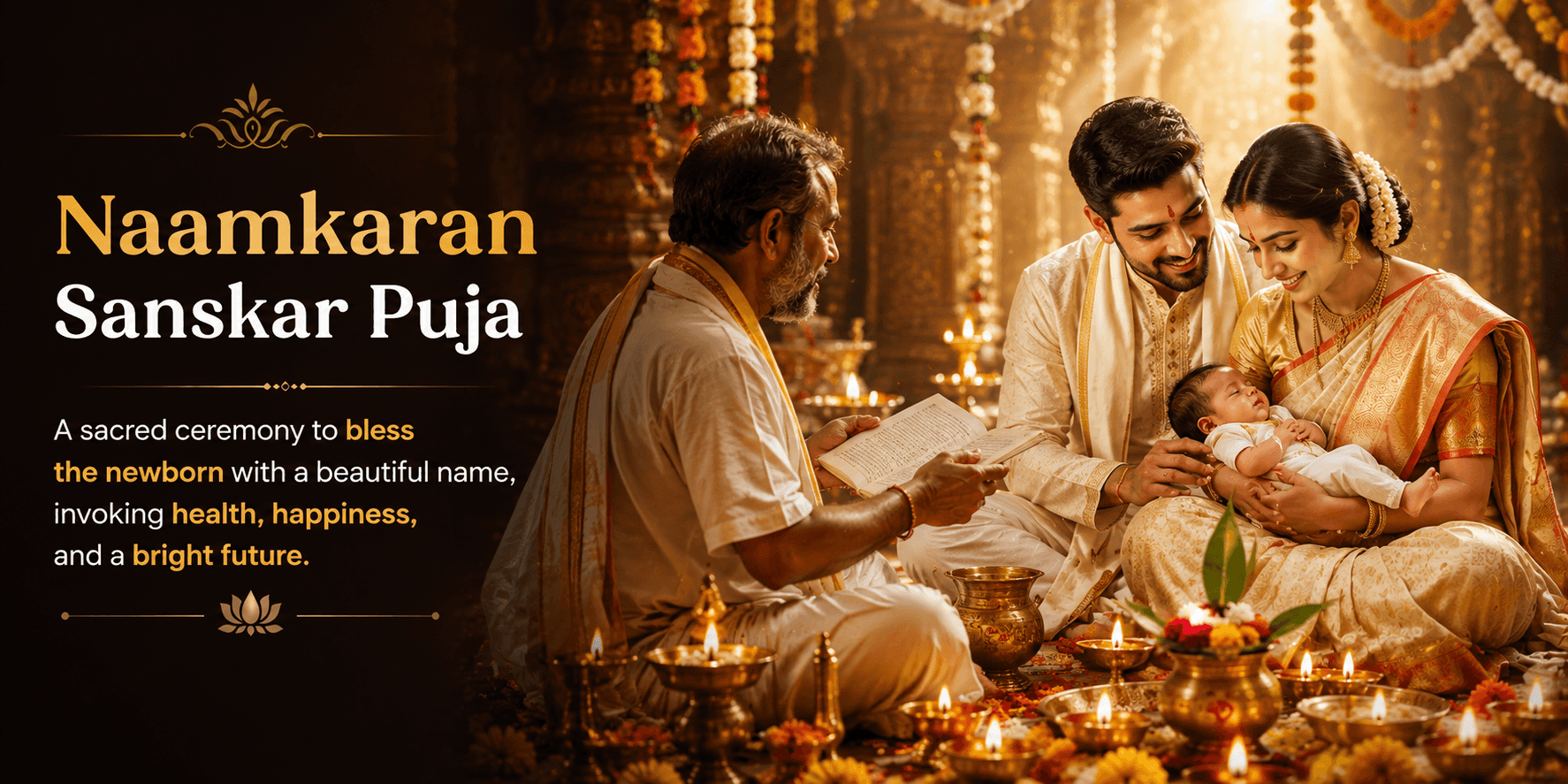
Naamkaran Sanskar Puja (5th Sanskar)
"Naamkaran is the naming of a newborn child. It is one of the sixteen sacred sanskars of Hindu life. The rite is done in the first weeks after birth. The shastras lay down how the name should be chosen. The birth star and the Panchang guide the right sound. A good name is said to shape the child's path. The rite seeks blessings for the child's whole life. The worship begins with Ganpati to clear all blocks. The Panchang Dev and the Ishta Devta are honoured for grace. Family and elders gather to bless the new name. Done in Kashi, the rite carries the highest merit."
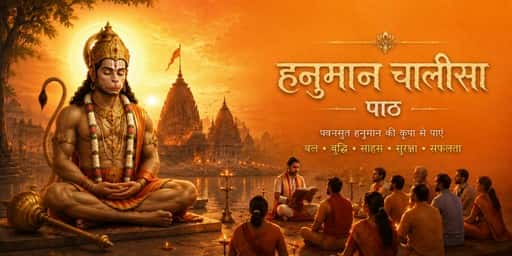
Hanuman Chalisa Path
"The Hanuman Chalisa is the most recited prayer in all of Hindu tradition. Forty verses written by Tulsidas in Awadhi, it tells the story of Hanuman's strength, his devotion to Ram, and his ability to lift any difficulty a devotee places before him. Tradition holds that wherever the Hanuman Chalisa is recited with sincerity, no harm can come. Families recite it before journeys. Students recite it before exams. Devotees recite it daily as a shield against fear. It is the most accessible, most powerful Hanuman prayer in existence."
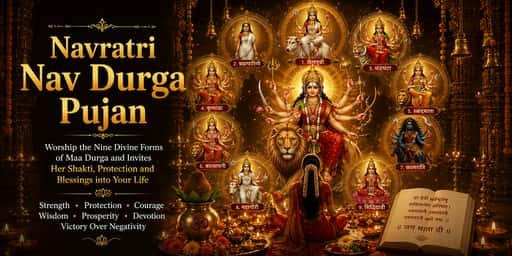
Navratri Nav Durga Pujan
"Navratri is nine nights of devotion to Maa Durga. Each night honours one of her nine forms. Shailputri, Brahmacharini, Chandraghanta, Kushmanda, Skandamata, Katyayani, Kaalratri, Mahagauri, and Siddhidatri. The first three days bring strength. The next three bring prosperity. The final three bring wisdom. By the ninth night, the devotee has been blessed by every form of the Mother."
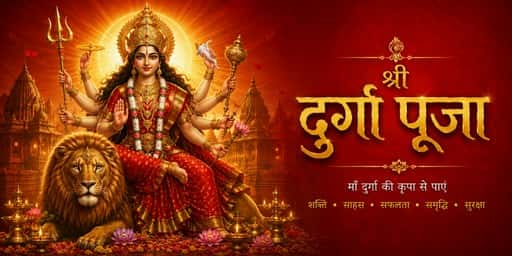
Durga Puja
"Maa Durga rides a lion. She holds eighteen weapons in her many arms. Each weapon is a gift from a different god. Her gaze is the gaze of a mother who will let nothing harm her children. The demon Mahishasura had a boon. No man, no god could kill him. He defeated even Indra. The gods released their combined energies. From that fire, Maa Durga emerged. After nine days of battle, on the tenth day, she slew Mahishasura. That day is Vijayadashami."
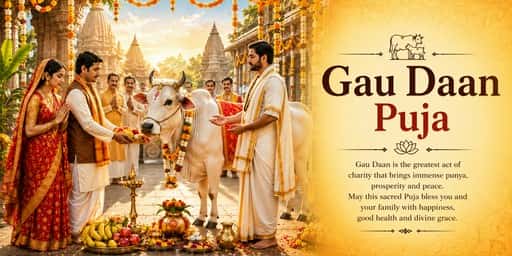
Gau Daan Puja
"Gau Daan means the gift of a cow. The shastras hold it as the greatest of all charity. To give a cow is to give a home to all the gods. Tradition says the cow carries the soul across after death. She helps it cross the river Vaitarani to the next world. This daan washes away the heaviest of old sins. It clears negative karma and the fear of the unknown. It is also the remedy for Nadi Dosh in a match. The gift brings the grace of Lord Krishna upon the giver. Devotees perform it before marriage and on holy days. It is one of the surest paths to moksha."
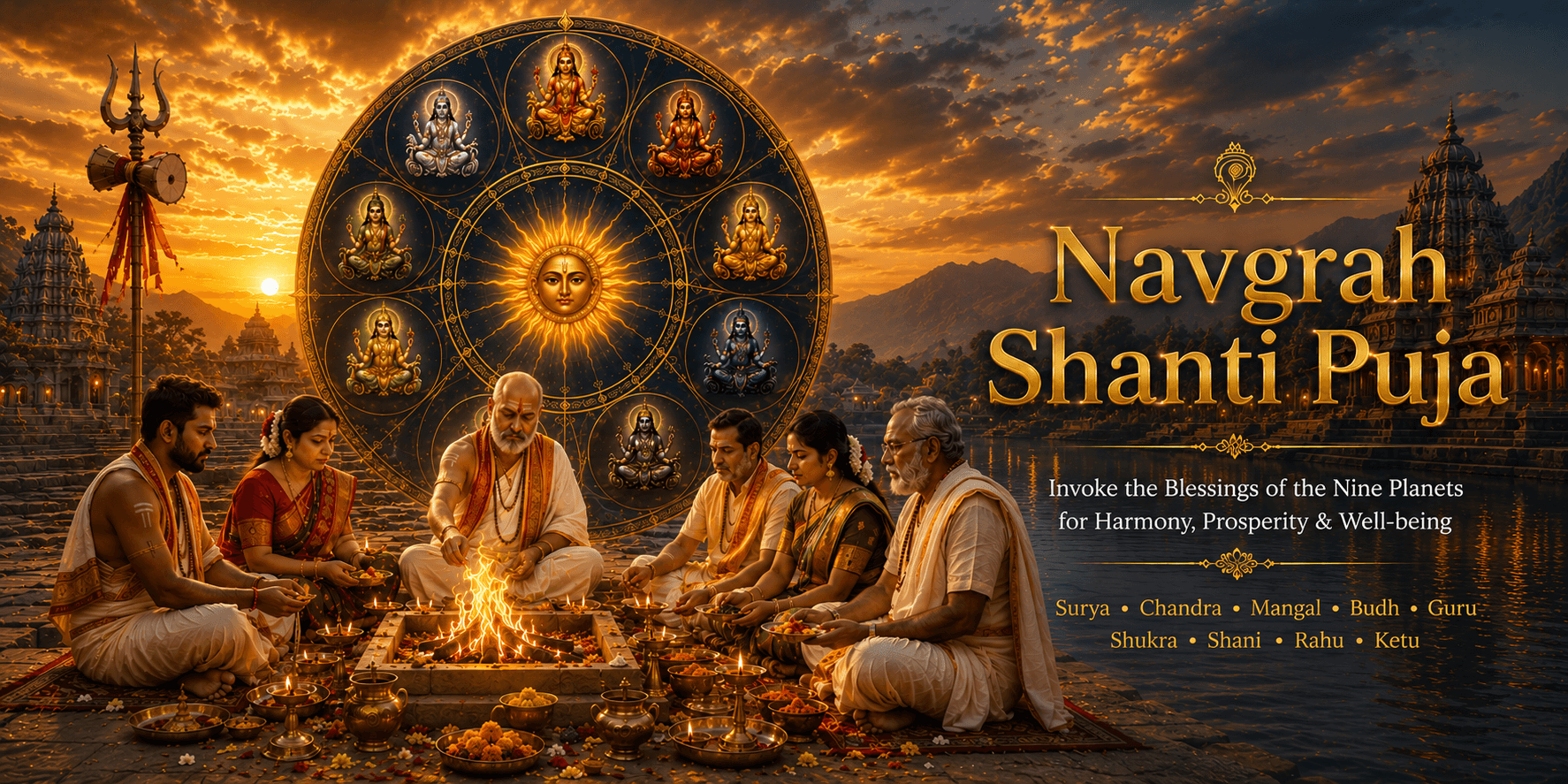
Navgrah Shanti Puja
"Every life is shaped by nine celestial forces. Surya, Chandra, Mangal, Budh, Guru, Shukra, Shani, Rahu, and Ketu. These are not distant stars. In Vedic tradition, they are living divine forces. At the moment of birth, their position imprints itself on the soul. That imprint is the birth chart. When the planets are favourably placed, life flows. When they fall into difficult positions, the devotee senses something is out of sync."
Indrakshi Puja
"Indrakshi Mata is one of the most powerful protective goddesses in the Vedic tradition. Her name means "she with the eyes of Indra." The Indrakshi Stotra was first taught by Lord Indra himself to sage Brihaspati. It is recited for protection from disease, from enemies, and from the unseen forces that can harm a devotee. For centuries, families have turned to this puja during prolonged illness, mysterious afflictions, and times when conventional remedies have not worked."
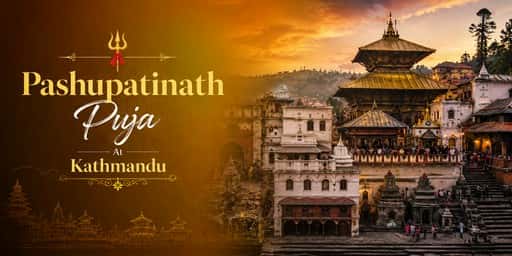
Pashupatinath Puja At Kathmandu
"Pashupatinath of Kathmandu is one of the most sacred seats of Shiv Ji in the world, standing on the banks of the Bagmati river. Here Shiv Ji is worshipped as the protector of every creature, and the shastras hold his darshan and worship at this kshetra to be liberating. Devotees turn to Pashupatinath especially for protection from untimely death and prolonged illness, the graces closest to his form as the lord of life itself."
Maha Shivratri Group Puja
"Maha Shivratri is the great night of Lord Shiva. The shastras tell many tales of this sacred night. Some say Shiva married Parvati on this day. Others say he danced the cosmic dance of Tandav. It is the holiest night in all of Shiva worship. Devotees keep a fast and stay awake through the night. They bathe the Shivling and chant his sacred name. This group puja joins many devotees in one worship. The shared prayer on this night carries great strength. It washes away sin and grants the grace of Shiva. Devotees seek peace, plenty, and a happy life."