Festival Puja
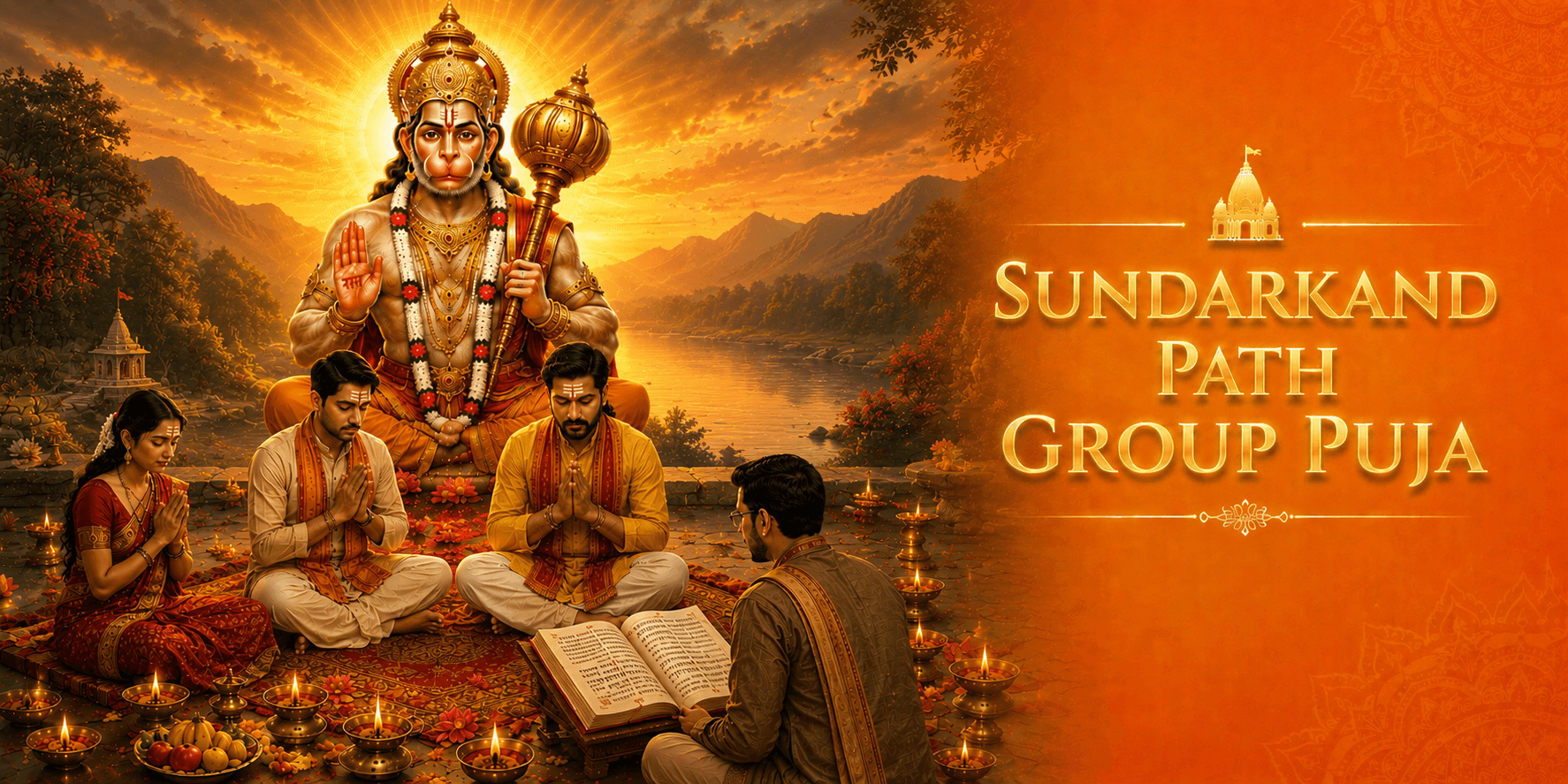
Sundarkand Path Group Puja
"Sundarkand is the most loved part of the Ramayan. Its name means the beautiful chapter. It tells of Hanuman's leap across the sea to Lanka. He went to find Mata Sita, held by Ravana. He crossed the ocean, found her, and gave her Ram's ring. He then burned Lanka and returned with hope. The whole chapter sings of his courage and faith. Of all the Ramayan, this part holds the most power. Its path is said to clear trouble and fear. It brings strength, wisdom, and the grace of Hanuman. Devotees recite it to defeat enemies and gain peace."
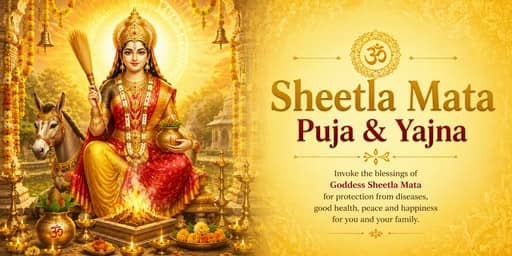
Sheetla Mata Puja and Yajna
"Sheetala Mata is the cooling form of the Divine Mother. Her name means the one who brings coolness and calm. Hindu tradition reveres her as the goddess who guards against disease. People worship her to keep illness away from the home. She rides a donkey and carries a pot of healing water. Her worship is most loved in the hot months of the year. Mothers pray to her for the health of their children. She cools fever, heals the body, and brings peace to the home. Her blessing is said to bring success and plenty too. Devotees have turned to her for protection for ages."
Makar Sankranti Maha Puja
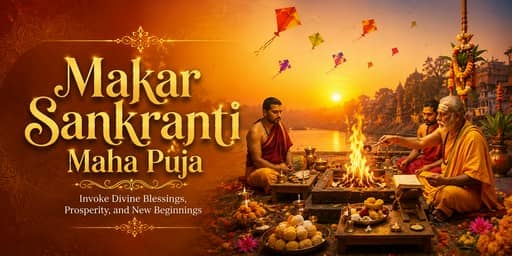
"Makar Sankranti marks the day Surya Dev enters the zodiac sign of Makar (Capricorn). It is one of the few Hindu festivals fixed to a solar date, falling on the 14th or 15th of January every year. The day signals the end of winter and the beginning of warmer, brighter days. Tradition holds that from this day onward, Surya begins his uttarayana journey, the northern movement that brings light, warmth, and new life to the earth. Devotees bathe in the Ganga, offer arghya to the rising sun, and donate sesame and jaggery to the needy."
Chaitra Navratra Puja
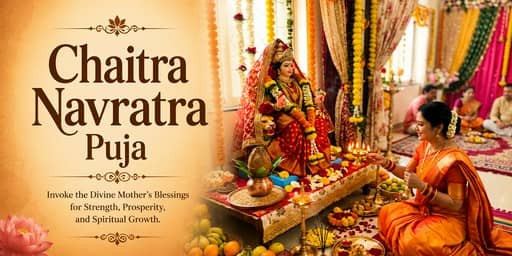
"Chaitra Navratri brings the nine sacred nights of the Goddess. They fall at the start of the Hindu new year, in the month of Chaitra. These are among the holiest days in the whole calendar. Devotees worship the nine forms of Durga, one for each day. The first day honours Shailputri and the last honours Siddhidatri. Each form grants a different blessing to the seeker. Many keep fasts and light the akhand jyoti through all nine days. The Mother is said to walk close to her devotees at this time. She gives strength to the weak and wealth to the deserving. People pray to her for safety, courage, and a fresh start."
Kamdev Rati Puja
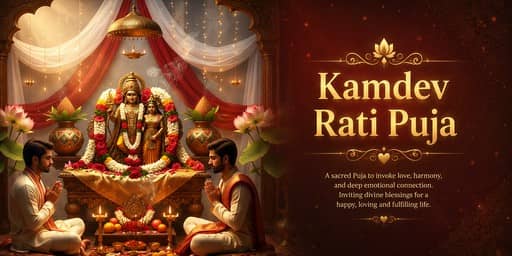
"Kamdev is the god of love in Hindu tradition. Rati is his consort, the goddess of desire and bliss. Together they rule the bond between husband and wife. The shastras say their grace keeps married love alive. When that love cools, the home loses its warmth. Distance and dryness creep into the marriage. This puja calls on Kamdev and Rati to bring back the spark. It deepens the bond and brings joy to the couple. The worship is most loved in the spring season. Spring is the season of Kamdev and new bloom. Devotees seek their blessing for a happy married life."
Saraswati Pujan
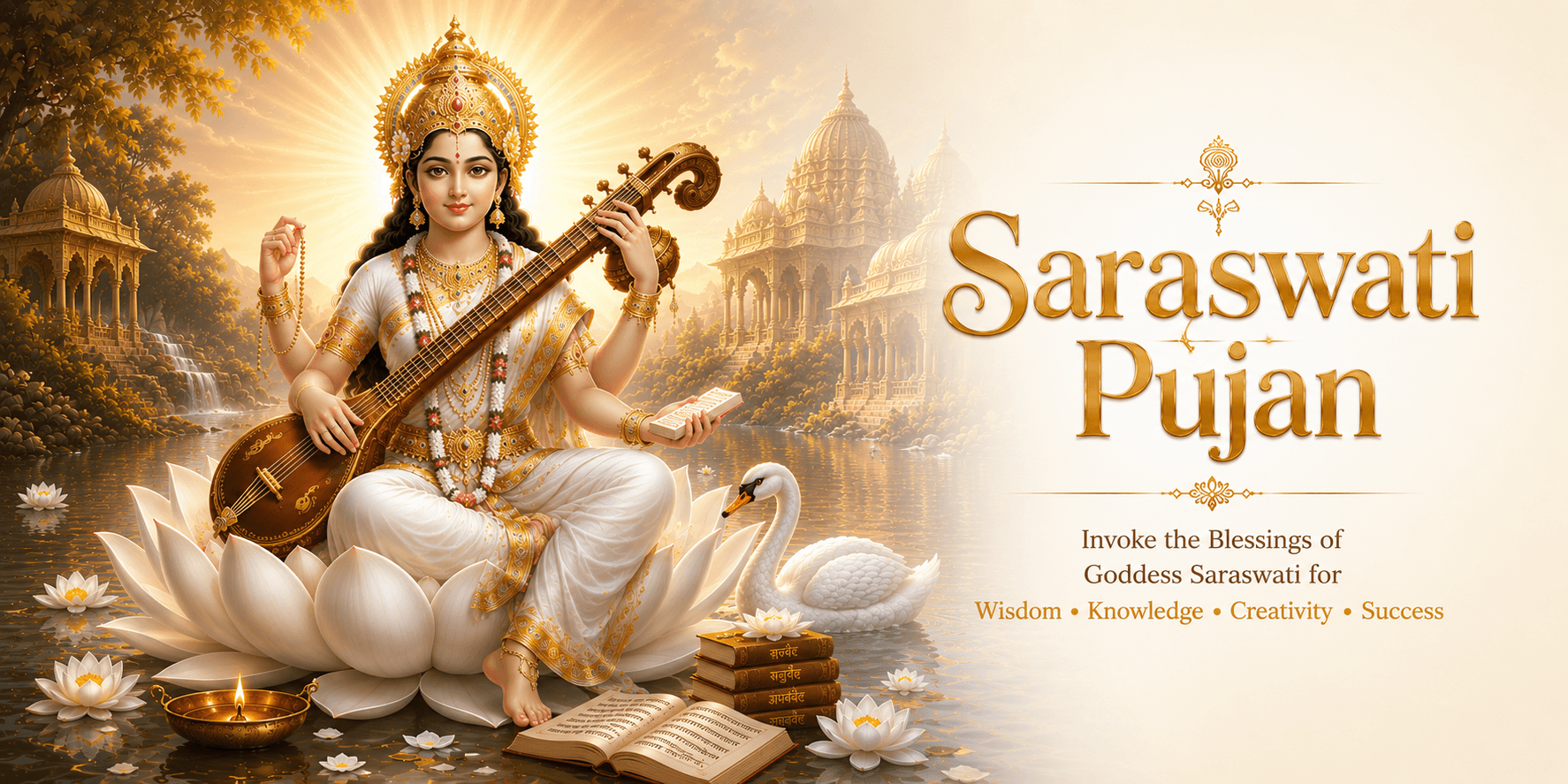
"Saraswati Mata is the goddess of all learning. She sits on a white lotus, dressed in pure white. She holds the veena. A book and a rosary rest at her side. Three great goddesses share the work of the universe. Lakshmi gives wealth. Durga gives strength. Saraswati gives the rarest gift of all. The light of true knowledge."
Mahakali Puja
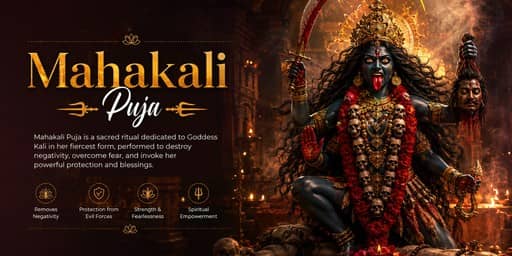
"Mahakali is the supreme form of Kali Mata. Where Kali is the destroyer of evil, Mahakali is the destroyer of time itself. She is the goddess from whom even time emerges. Dark as the night sky. Wearing a garland of skulls. Standing on Lord Shiva who lies beneath her in surrender. Her tongue extended in fierce intensity. Mahakali is not gentle. She is not approachable in the way other forms of the Mother are. But for those who turn to her with absolute devotion, she gives the kind of protection that no other deity gives."
Navratri Nav Durga Pujan
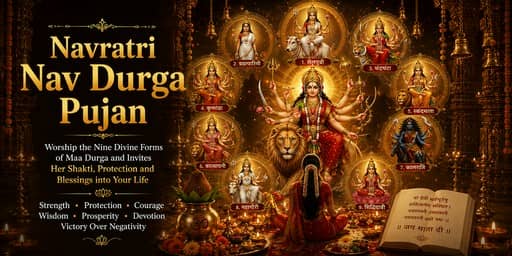
"Navratri is nine nights of devotion to Maa Durga. Each night honours one of her nine forms. Shailputri, Brahmacharini, Chandraghanta, Kushmanda, Skandamata, Katyayani, Kaalratri, Mahagauri, and Siddhidatri. The first three days bring strength. The next three bring prosperity. The final three bring wisdom. By the ninth night, the devotee has been blessed by every form of the Mother."
Shree Suktam Puja
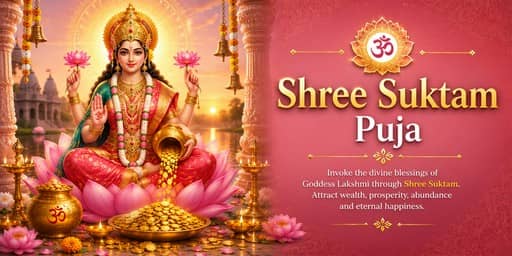
"The Shree Suktam Puja is the complete ritual ceremony built around the Shri Suktam hymn. Where the Path focuses on the recitation alone, the Puja adds the full ceremonial framework. Sankalp at the beginning. The formal worship of Lakshmi Mata's idol. The Shri Suktam recitation as the heart of the ritual. The havan to seal the offerings. The aarti to close the vidhi. This is the puja chosen when a family wants the complete Lakshmi ceremony, with every element of the classical tradition observed in full."
-puja-651bd1c3052302caf9a15365-66742566-s.jpg&w=3840&q=70)
Deepawali (Diwali) Puja
"Deepawali (Diwali) is the biggest festival in the Hindu calendar. Every family prepares for it weeks in advance. The home is cleaned, diyas are lit, and everything is kept ready before the muhurat arrives. Mata Lakshmi walks the earth that night. She enters homes that are waiting. The ones that are not, she skips."
Mangla Gauri Puja
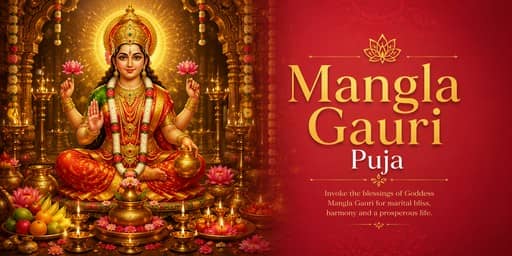
"Mangla Gauri is a loving form of Mata Parvati. She is one of the great Shakti forms revered in Kashi. The shastras hold her as the giver of married joy. Unmarried girls pray to her for a good husband. Married women pray to her for the long life of their spouse. She also blesses couples with healthy children. Her worship clears the Manglik Dosh from the chart. This dosh often delays or troubles a marriage. Mangla Gauri removes that block and smooths the path. Her grace brings peace and harmony to the home. Devotees worship her on Tuesdays and in the month of Shravan."