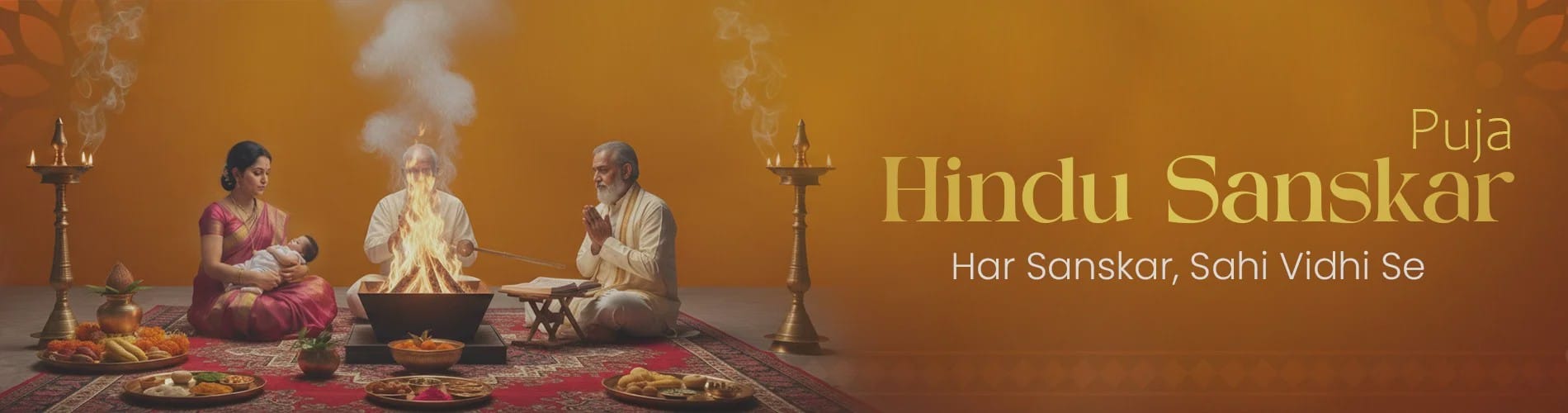
Hindu Sanskar Puja
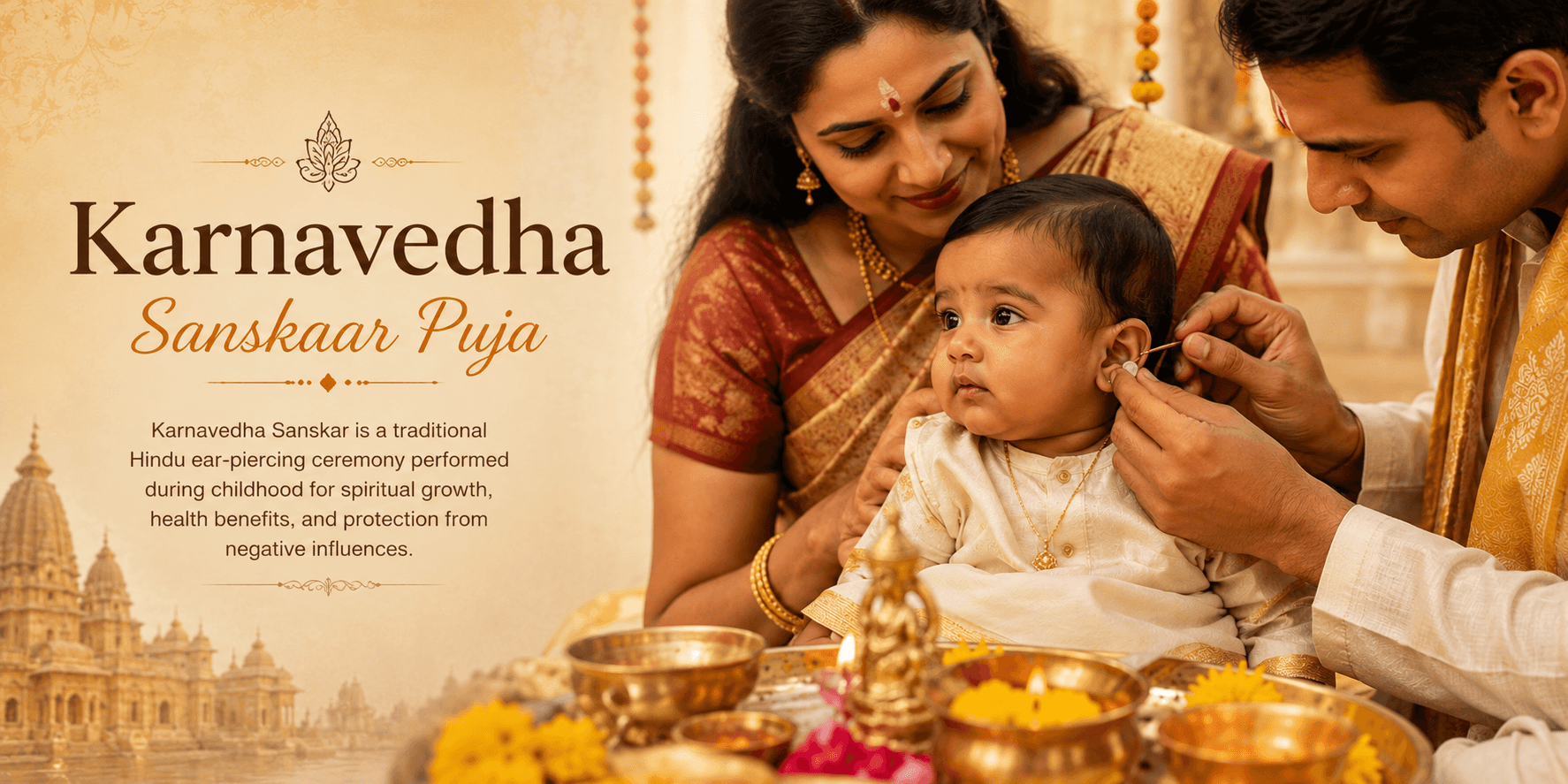
Karnavedha Sanskar Puja
"Karnavedha is the piercing of a child's ears. It is one of the sixteen sacred sanskars of Hindu life. The rite is far older than mere custom or style. Ayurveda holds that the ear point aids health and mind. The shastras say it opens the child to sacred sound. It guards against illness and sharpens the senses. The rite is done in the early years of life. The worship begins with Ganpati to clear all blocks. Vishnu and the Ishta Devta are honoured for grace. Families gather to bless the child on this day. Done in Kashi, the rite carries the highest merit."
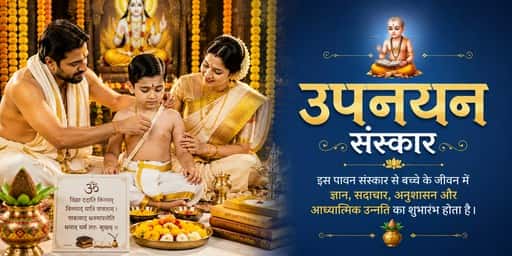
Upanayan Sanskar
"Upanayan is the sacred thread ceremony. It is one of the sixteen great sanskars of Hindu life. It marks a boy's start on the path of learning. The word means to lead the child near to the guru. On this day the boy first wears the janeu thread. The thread holds three strands of deep meaning. The rite gives him the sacred Gayatri Mantra. It is seen as a second birth into a learned life. The worship honours the Saptarishi, the seven sages. Vasant Panchami is a favoured day for this rite. Done in Kashi, the sanskar carries the highest merit."
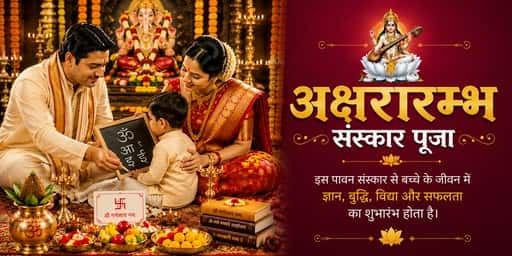
Akshararambh Sanskar Puja
"Akshararambh marks a child's first lesson in letters. It is one of the sixteen sacred sanskars of Hindu life. The word means the start of learning the alphabet. It is the first step into the world of books. The rite seeks the grace of Mata Saraswati. She is the goddess of learning and clear thought. The child writes its first letter under her blessing. Often the letter is traced in rice or on a slate. The worship begins with Ganpati to clear all blocks. Vasant Panchami is a favoured day for this rite. Done in Kashi, the rite carries the highest merit."
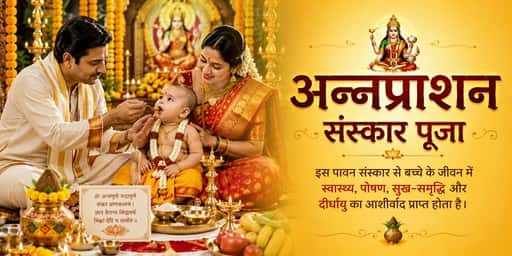
Annaprashan Sanskar Puja
"Annaprashan is the child's first taste of solid food. It is one of the sixteen sacred sanskars of Hindu life. Until now the child has lived on its mother's milk. This rite marks the first bite of grain. It is done around the sixth month for a boy. For a girl it is done in the fifth or seventh month. The first food is often kheer, sweet and soft. The rite seeks the grace of Annapurna, the goddess of food. It prays that the child never goes hungry in life. The worship begins with Ganpati to clear all blocks. Families gather to bless the child on this happy day."
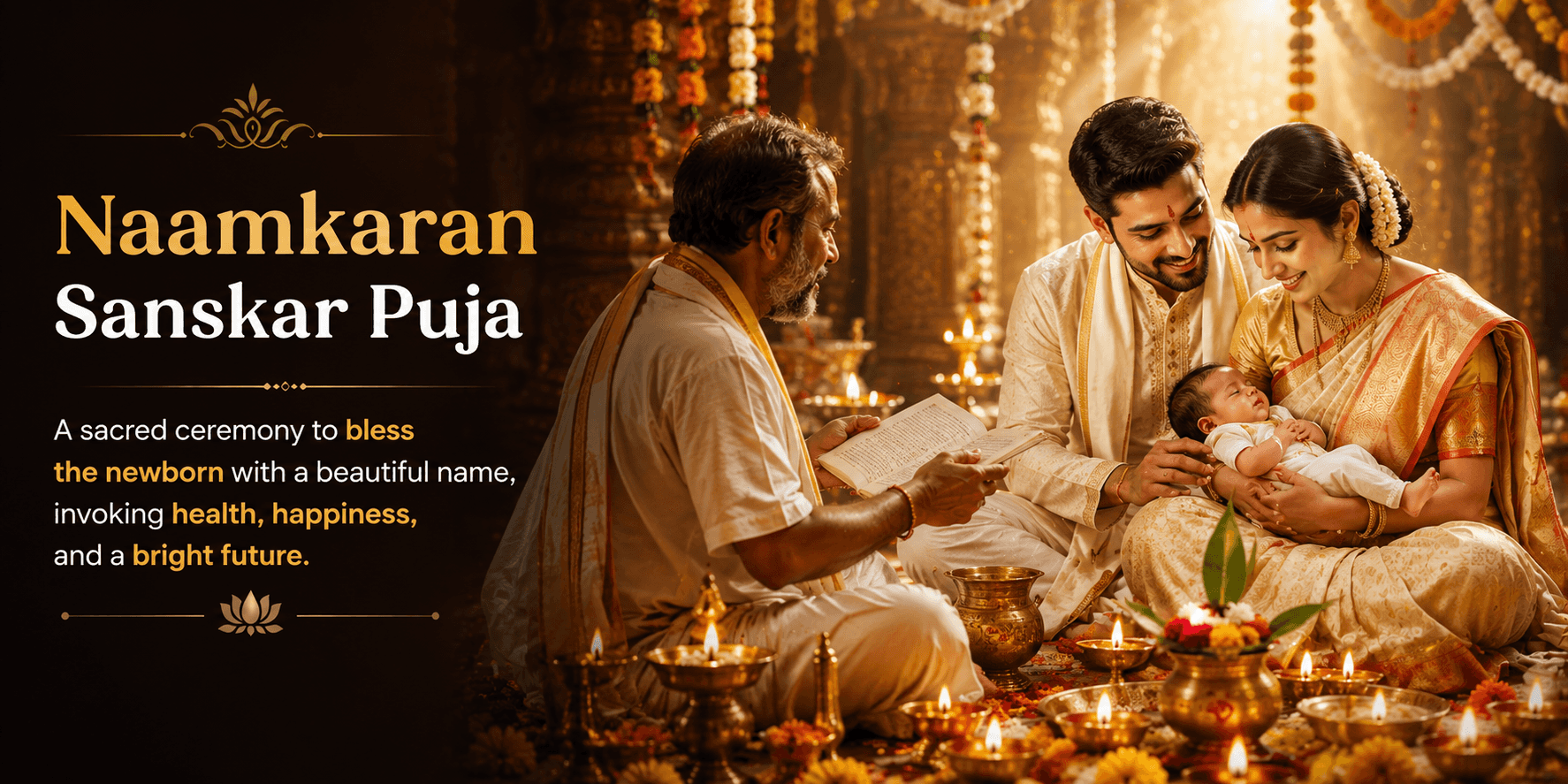
Naamkaran Sanskar Puja
"Naamkaran is the naming of a newborn child. It is one of the sixteen sacred sanskars of Hindu life. The rite is done in the first weeks after birth. The shastras lay down how the name should be chosen. The birth star and the Panchang guide the right sound. A good name is said to shape the child's path. The rite seeks blessings for the child's whole life. The worship begins with Ganpati to clear all blocks. The Panchang Dev and the Ishta Devta are honoured for grace. Family and elders gather to bless the new name. Done in Kashi, the rite carries the highest merit."
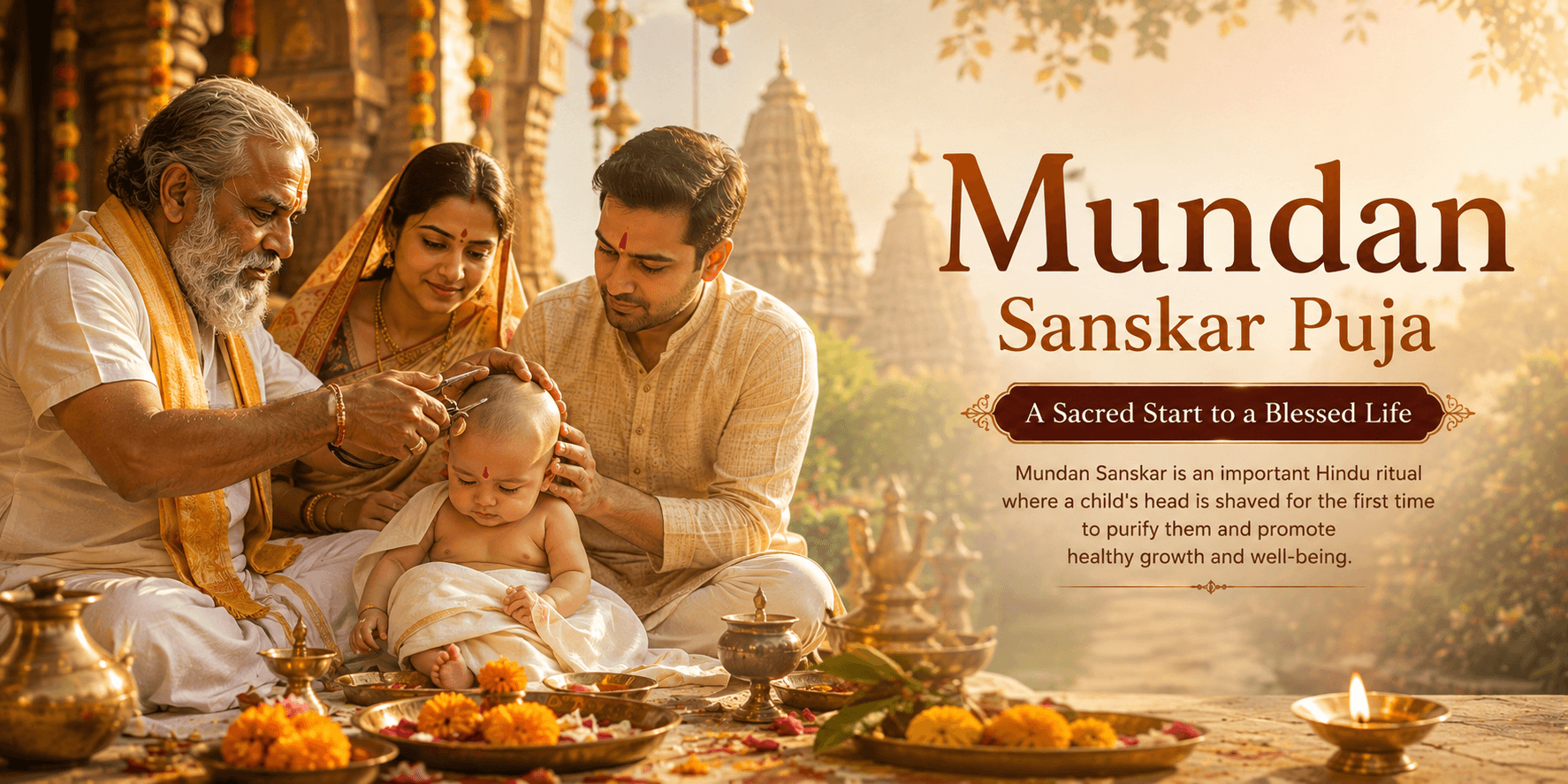
Mundan Sanskar Puja
"Mundan is the first haircut of a child. It is one of the sixteen sacred sanskars of Hindu life. The shastras say the hair from birth carries past karma. Shaving it clears that load and starts the child fresh. The rite is done in the first or third year of life. It is said to cool the head and aid the child's growth. It also brings long life and a sharp mind. The worship begins with Ganpati to clear all blocks. The Panchang Dev and Vishnu are honoured for grace. Families gather to bless the child on this day. Done in Kashi, the rite carries the highest merit."
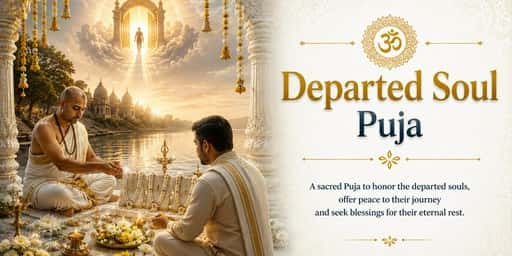
Departed Soul Puja
"This puja is for a soul that has just left the body. The first rites after death are the most important of all. They set the soul on its right path to the next world. Without them, the soul can wander and find no rest. Hindu tradition lays down a clear order for these rites. Kashi is held the holiest place on earth for them. Lord Shiva himself is said to free the soul that departs here. The rite gives the departed a calm and guided passage. It also brings comfort to the grieving family. The sacred cremation ghats of Kashi carry this prayer best."