
Weekly Puja
Ravivar Vrat Katha
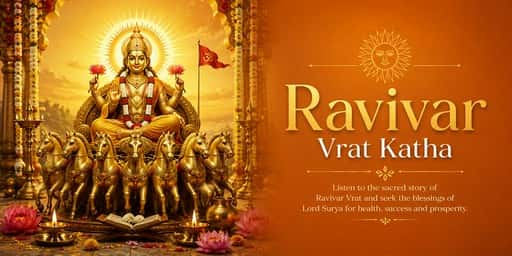
"Ravivar Vrat is the Sunday vrat dedicated to Surya Dev. Sunday itself is named after Ravi, one of Surya's many names. The vrat is observed by devotees who seek the Sun's blessing for self-confidence, recognition, and the dignified strength that only Surya gives. Tradition holds that those who keep the Ravivar Vrat with sincerity see their reputation rise, their inner authority grow, and their public standing strengthen. The vrat is especially powerful for those whose efforts have gone unrecognised despite hard work."
Sundarkand Path Sangeetmaya
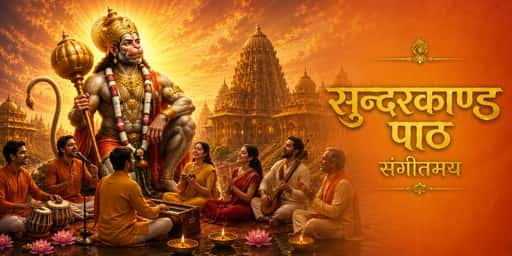
"Sundarkand Path Sangeetmaya is the melodic, musical recitation of the Sundar Kand. The fifth chapter of the Ramcharitmanas. The same chapter where Hanuman crosses the ocean, finds Mata Sita, faces Ravana's court, and burns Lanka. The Sangeetmaya version adds melody, rhythm, and traditional instruments to the recitation. The verses are sung rather than read. The energy that results is different from a quiet path. It fills the home. It lifts the spirits of every listener. Families often book this version for celebrations, for housewarmings, and for the joyful welcome of Hanuman's grace."
Shree Suktam Puja
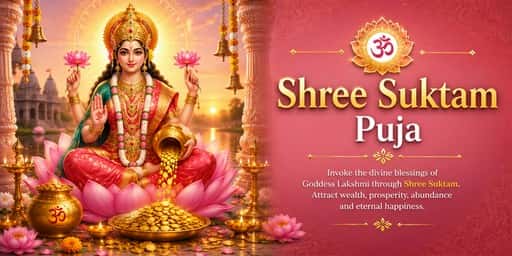
"The Shree Suktam Puja is the complete ritual ceremony built around the Shri Suktam hymn. Where the Path focuses on the recitation alone, the Puja adds the full ceremonial framework. Sankalp at the beginning. The formal worship of Lakshmi Mata's idol. The Shri Suktam recitation as the heart of the ritual. The havan to seal the offerings. The aarti to close the vidhi. This is the puja chosen when a family wants the complete Lakshmi ceremony, with every element of the classical tradition observed in full."
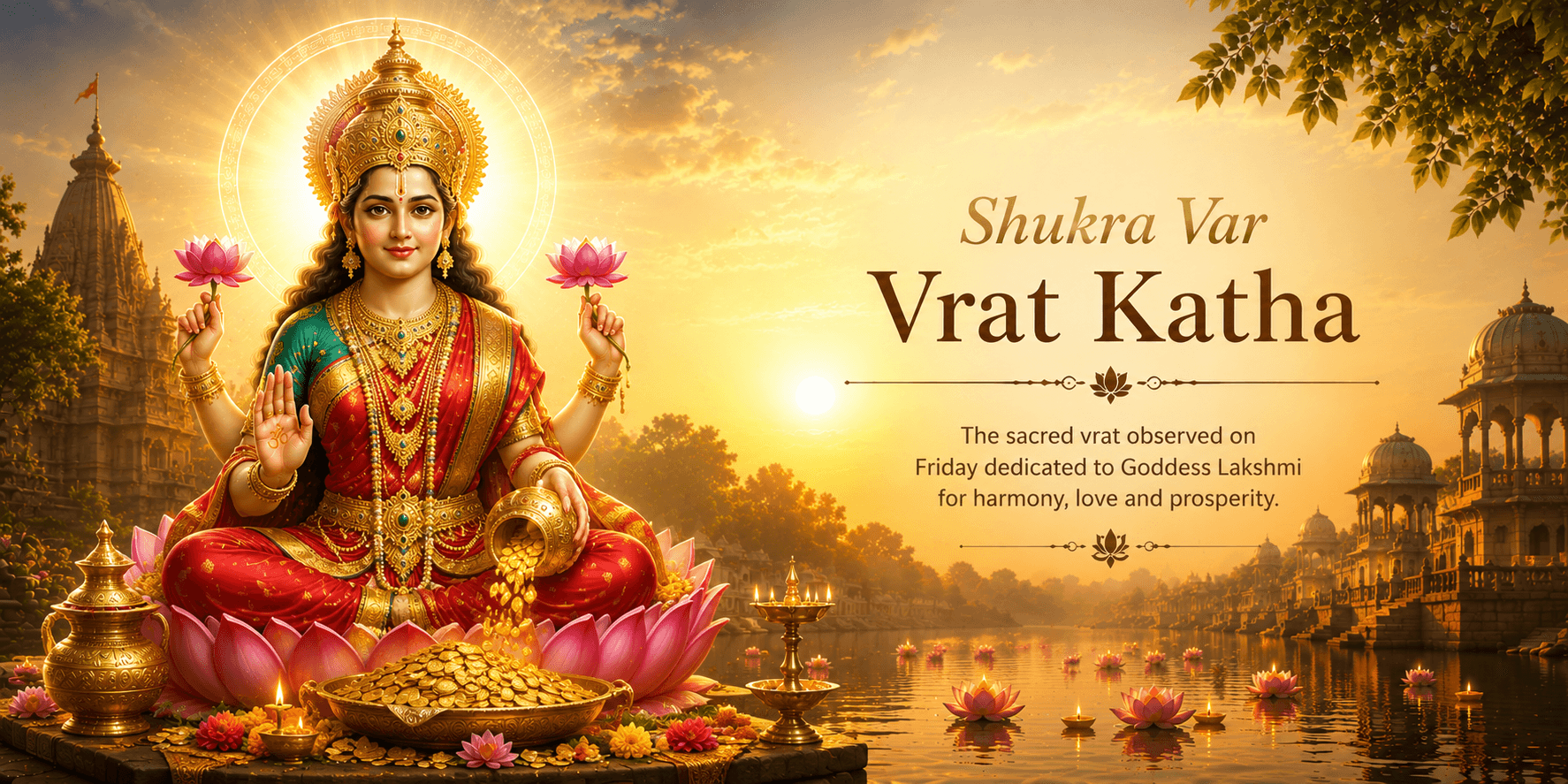
Shukra Var Vrat and Katha
"Shukra Var Vrat is the Friday vrat dedicated to Vaibhav Lakshmi. Friday itself is the day ruled by Shukra (Venus), the planet of beauty, wealth, and pleasure. Vaibhav Lakshmi is the form of Lakshmi Mata who blesses devotees with glory, fame, and the kind of wealth that becomes legacy. The vrat is observed for eleven or twenty-one consecutive Fridays, with the devotee fasting through the day and breaking the fast only after the Lakshmi puja in the evening. Tradition holds that those who complete the vrat with sincerity see their fortune transform."
Budhwar Vrat and Katha
"Budhwar Vrat is the Wednesday vrat dedicated to Budh Dev. Wednesday itself is ruled by Budh (Mercury), the planet of intellect, communication, and skilled work. The vrat is observed by devotees seeking sharper thinking, better speech, business growth, and family happiness. Lord Ganesha and Lord Krishna are invoked alongside Budh Dev. Ganesha is the deity of intellect itself. Krishna is the master of speech and persuasion. Together with Budh, they form the most powerful combination for everything Mercury governs."
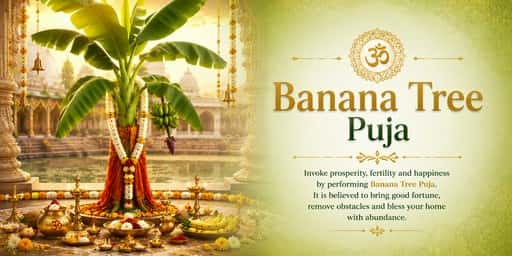
Banana Tree Puja
"The banana tree is sacred in Hindu worship. Tradition links it to Guru Brihaspati, the planet of wisdom and fortune. It is also dear to Lord Vishnu and Lord Krishna. A weak Brihaspati in the chart delays marriage and growth. It can also block learning, wealth, and respect. This puja worships the banana tree to strengthen that planet. The tree stands for plenty, faith, and a clean life. Devotees water its roots and tie sacred threads to it. They walk around it and offer prayers for their wishes. The worship is most loved on Thursdays, the day of the Guru."
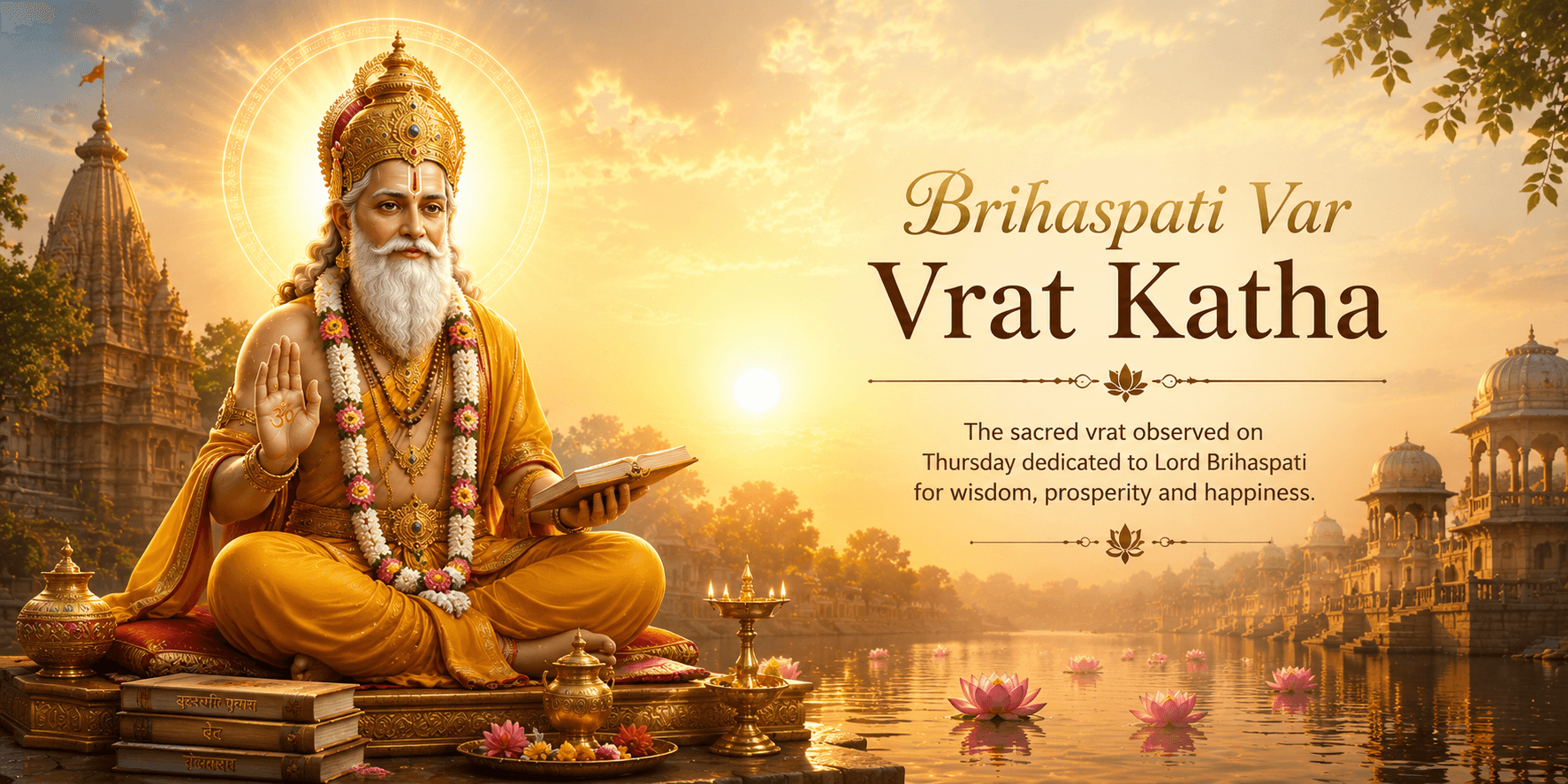
Brihaspati Var Vrat Katha
"Brihaspati Var Vrat is the Thursday vrat dedicated to Brihaspati Dev, the cosmic teacher of the gods. Thursday itself is ruled by Brihaspati (Jupiter), the planet of wisdom, marriage, children, and dharmic living. The vrat is one of the most beloved in Hindu tradition. Unmarried devotees observe it for early marriage. Couples observe it for the blessing of children. Families observe it for the rise of fortune and the deepening of faith. Lord Vishnu is invoked alongside Brihaspati Dev, since both share the same expansive, benevolent nature."
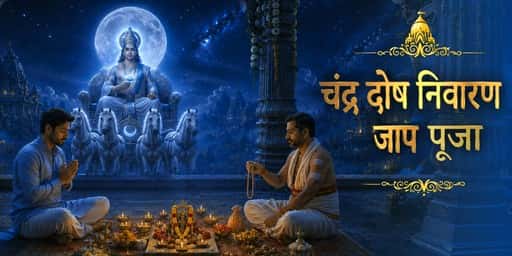
Chandra Dosh Nivaran Puja Jaap
"The Moon governs the mind. He is the planet of feelings, memory, intuition, and the inner self. When Chandra is well placed, the mind is calm. Intuition flows. Sleep is restful. When he is afflicted, the inner weather turns. Moods shift without reason. Sleep grows troubled. Memory feels unreliable. The devotee may feel emotionally fragile in ways they cannot explain. After Chandra was once cursed by Daksha to wane away, he prayed to Lord Shiva. Shiva lifted him onto his matted locks and gave him refuge. Since then, Shiva has been known as Chandrashekhar, the one who wears the moon."
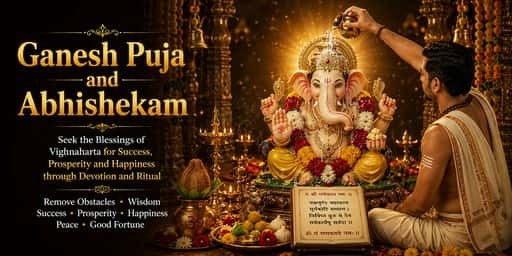
Ganesh Puja and Abhishekam
"Ganesh Ji is the first deity worshipped in every Hindu ritual. Families call on him before weddings, new homes, new businesses, and exams. He clears the path. He blesses the work ahead. Tradition says he is easily pleased. Laddus, modaks, and devotion are enough. Once Ganesh Ji is pleased, he also calls on Shree Lakshmi Mata to bless the home with wealth."
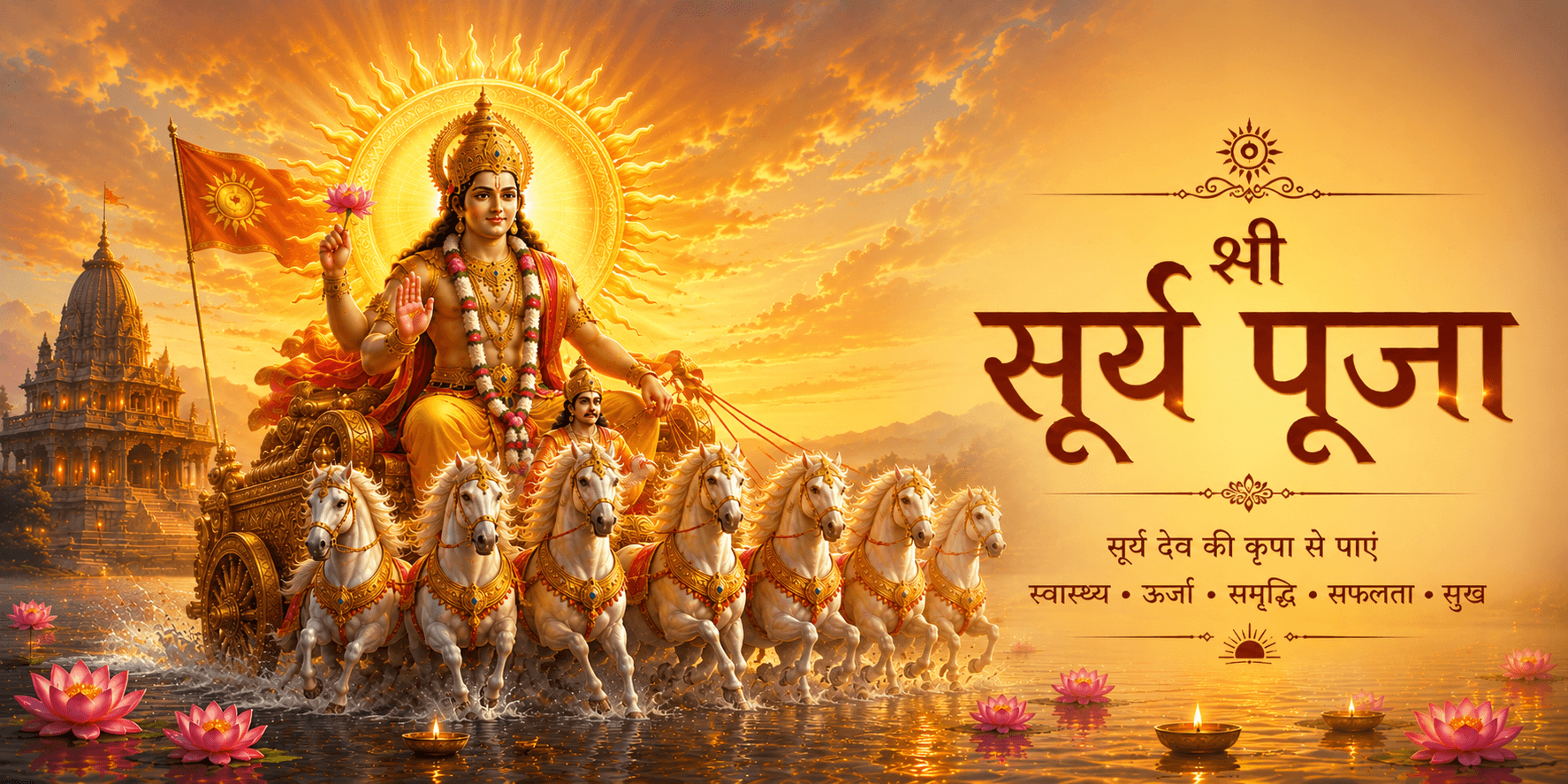
Surya Puja
"Surya is the one deity every devotee can see with their own eyes, every day. He is not a symbol. He is the visible god, the giver of life. The Vedas describe him riding his golden chariot, drawn by seven horses across the sky. In a birth chart, Surya governs the soul. He governs confidence, leadership, recognition, and the relationship with one's father. When he shines strong, the devotee is seen, heard, and respected."
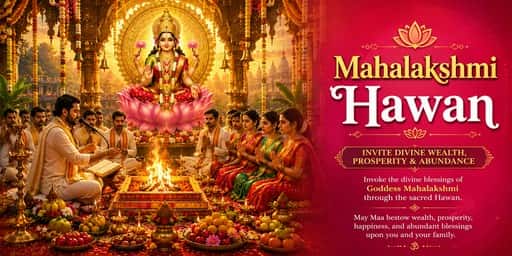
Mahalakshmi Hawan
"Mahalakshmi is the supreme form of the goddess of wealth. She is the consort of Lord Vishnu and the mother of plenty. The shastras say she lives where worship and care abide. This hawan is a fire worship in her honour. The sacred fire carries each prayer straight to the Mother. Many earn well but cannot keep their wealth. This hawan works to bring lasting wealth, or sthir Lakshmi. It clears the blocks that let money slip away. Business families seek it for steady growth and plenty. Its best days are Diwali and Dhanteras. These are the days the Mother walks the earth."