
Jayanti Puja
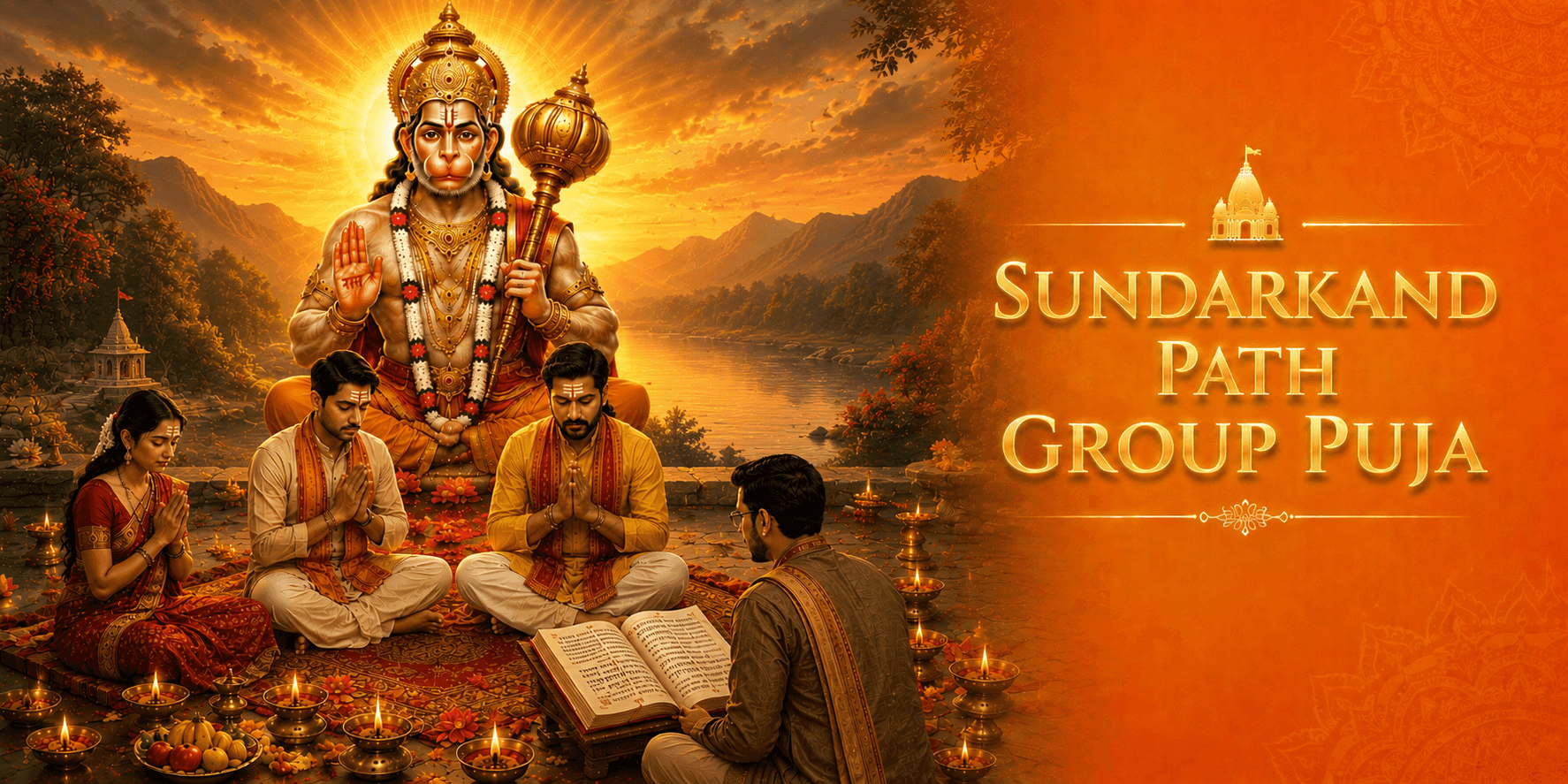
Sundarkand Path Group Puja
"Sundarkand is the most loved part of the Ramayan. Its name means the beautiful chapter. It tells of Hanuman's leap across the sea to Lanka. He went to find Mata Sita, held by Ravana. He crossed the ocean, found her, and gave her Ram's ring. He then burned Lanka and returned with hope. The whole chapter sings of his courage and faith. Of all the Ramayan, this part holds the most power. Its path is said to clear trouble and fear. It brings strength, wisdom, and the grace of Hanuman. Devotees recite it to defeat enemies and gain peace."
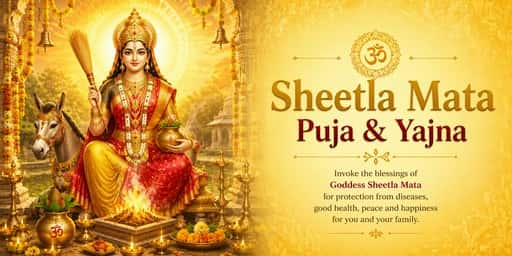
Sheetla Mata Puja and Yajna
"Sheetala Mata is the cooling form of the Divine Mother. Her name means the one who brings coolness and calm. Hindu tradition reveres her as the goddess who guards against disease. People worship her to keep illness away from the home. She rides a donkey and carries a pot of healing water. Her worship is most loved in the hot months of the year. Mothers pray to her for the health of their children. She cools fever, heals the body, and brings peace to the home. Her blessing is said to bring success and plenty too. Devotees have turned to her for protection for ages."

Shree Krishna Janmashtami Maha Puja
"Janmashtami is the birth anniversary of Lord Krishna. The night Vishnu took human form to end the rule of the tyrant Kansa. Tradition holds that Krishna was born in a prison cell in Mathura to Devaki and Vasudev, on the eighth lunar day of Krishna Paksha in the month of Bhadrapada. The chains fell open. The doors opened by themselves. Vasudev carried the infant across the flooded Yamuna to safety. The whole cosmos held its breath for this child's arrival. Devotees stay awake through the night, chanting his name, until the moment of his birth at midnight."
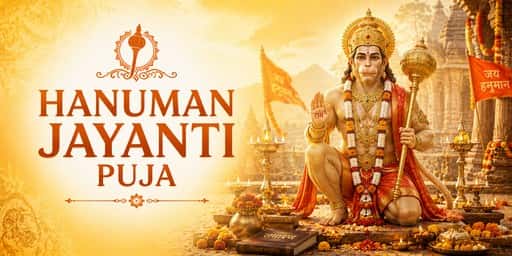
Hanuman Jayanti Puja
"Hanuman Jayanti is the birth anniversary of Lord Hanuman. The single most powerful day of the year for any Hanuman puja. Tradition holds that on this day, Hanuman was born to Anjana Mata and Kesari, with the blessing of Vayu Dev, the wind god. As a child, he leapt towards the sun thinking it was a fruit. His childhood mischief gave way to a lifetime of devotion to Lord Ram. To worship Hanuman on this day is to invoke the strongest possible form of his protective grace."
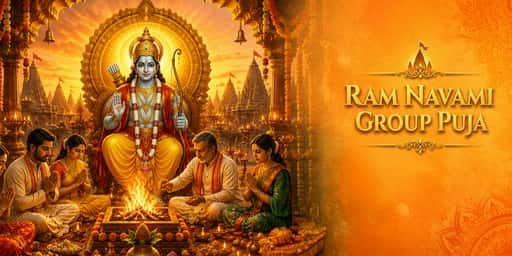
Ram Navami Group Puja
"Ram Navami marks the birth of Lord Ram. He was born at noon in the city of Ayodhya. He is the seventh avatar of Lord Vishnu. The world reveres him as Maryada Purushottam, the perfect man. His life is the great tale of truth and duty. He kept every promise even at a heavy cost. This group puja joins many devotees in one worship. Together they sing his name and hear his story. The shared prayer carries great strength and joy. It brings peace, courage, and the grace of Ram. Devotees seek his blessing for a clean and honest life."
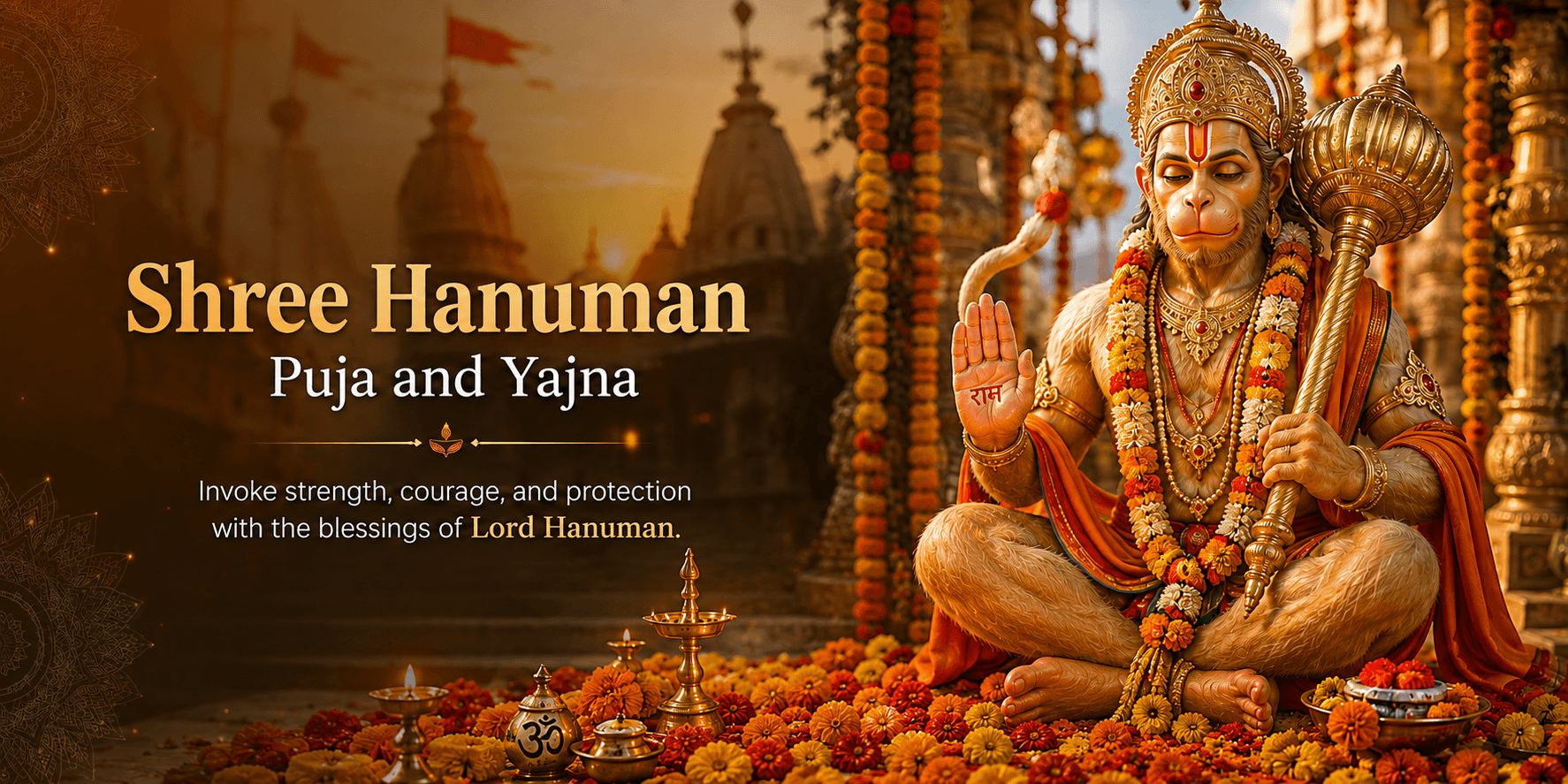
Shree Hanuman Puja and Yajna
"Hanuman Ji is the most beloved protector in Hindu tradition. The son of the wind. The warrior of Lord Ram. The eternal bhakta whose strength comes from his devotion. He is the only deity who carries both immense physical power and unbreakable inner faith in the same form. To invoke Hanuman is to invite the steady, unshakeable presence of a friend who will never let harm reach the devotee. Where Hanuman stands, fear cannot enter."
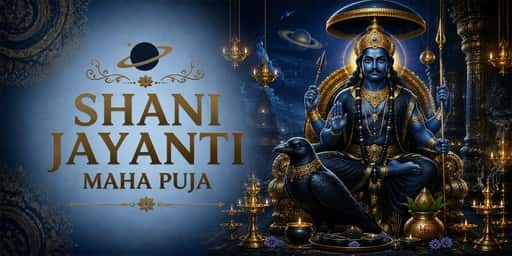
Shani Jayanti Maha Puja
"Shani Jayanti is the birth anniversary of Shani Dev. The single most powerful day of the year for any Shani puja. Tradition holds that Shani Dev was born to Surya Dev and Chhaya Mata on the Amavasya of the month of Jyeshtha. His birth came with profound spiritual force. Even Surya Dev, his own father, is said to have looked away from him at first sight, because Shani's gaze carries the weight of cosmic karma. To worship Shani Dev on his birth day is to ask the great teacher to soften his lessons and bring his hardest phases to a graceful conclusion."
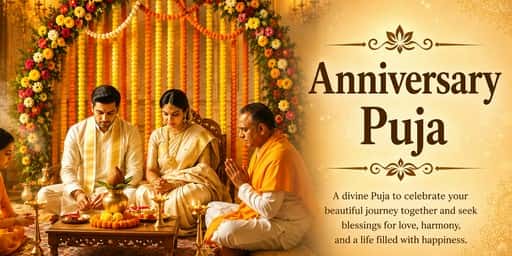
Anniversary Puja
"A wedding anniversary marks a sacred bond. It is the day two lives joined as one before the gods. This puja blesses the couple for the years ahead. It calls on Lord Ganesh to clear the path of the new year. It joins Rishi Markandeya, the sage of long life. The shastras tell how Shiva saved him from death itself. His grace brings health and long years to the couple. The worship also honours the Ishta Dev and Kul Dev. It seeks their blessing for love, harmony, and strength. Families perform it to keep the bond blessed and strong."
Lord Narasimha Puja
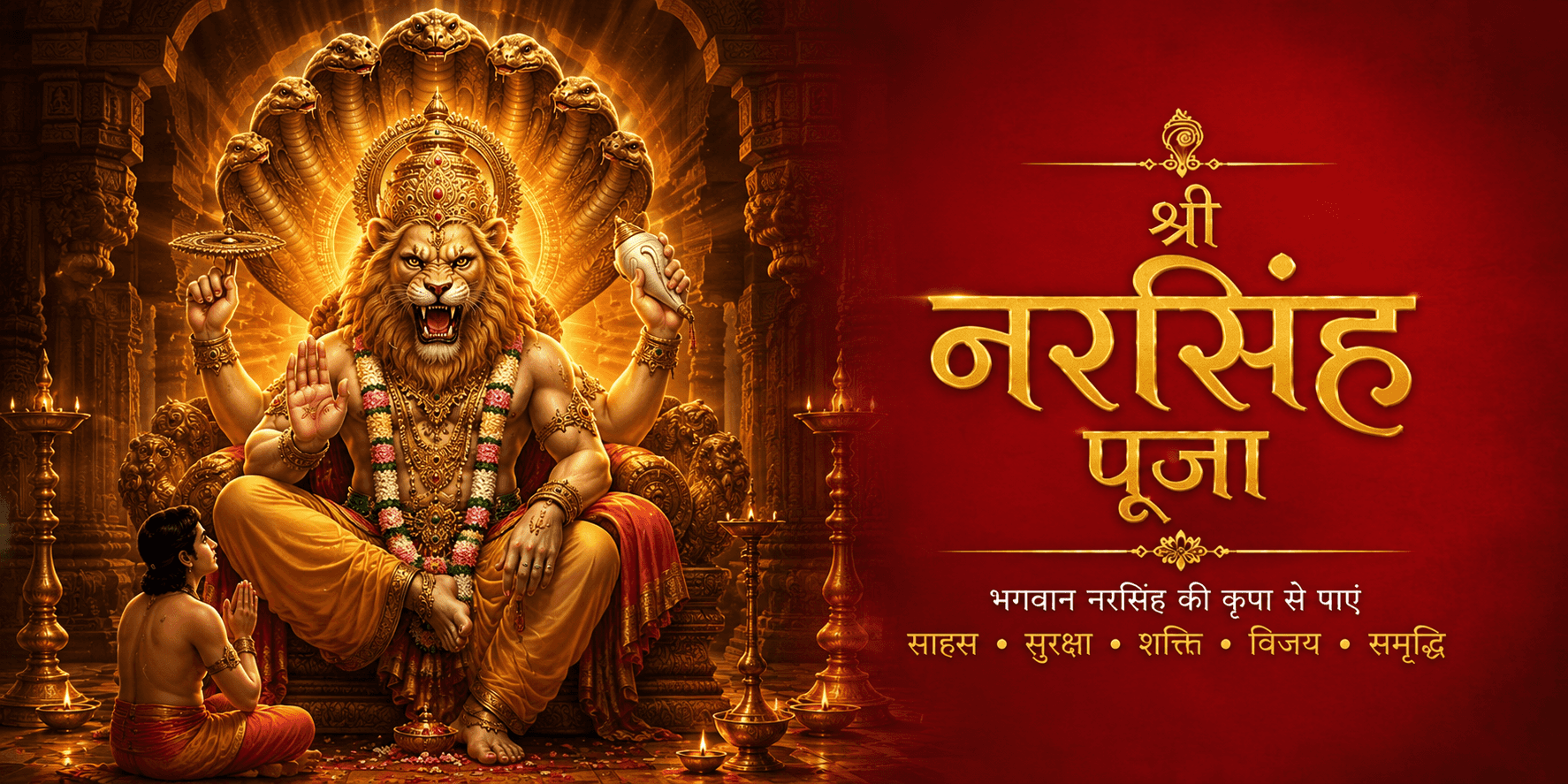
"The story of Narasimha is one of the most loved in Hindu scripture. The demon king Hiranyakashipu had earned a boon. No one could kill him. Not by man or beast. Not by day or night. Not indoors or outdoors. Not by any weapon. He tormented his own son Prahlada, a devoted bhakta of Vishnu. When he struck a pillar at twilight, Vishnu burst forth as Narasimha. Neither man nor beast. At the threshold between day and night. And he tore the demon apart."
Shasthi Abda Poorti Puja
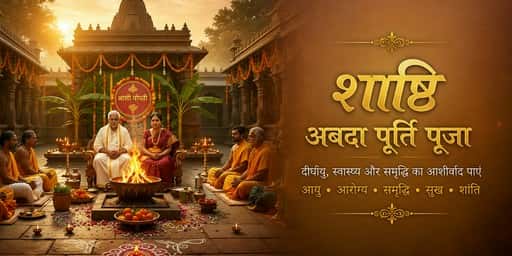
"Shasthi Abda Poorti is the ceremony performed when a person completes sixty years of life. The number sixty holds deep meaning in the Vedic calendar. It marks the completion of one full cycle of cosmic time. The person has lived through every combination of the five elements, the nine planets, and the lunar cycles. The ceremony honours this milestone. It is a moment of gratitude for the years lived, and a fresh blessing for the years ahead."
Vishwakarma Puja
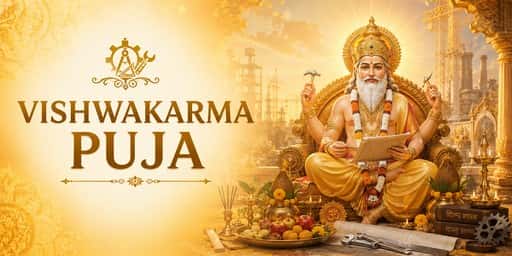
"Vishwakarma is the divine architect of the cosmos. He is called Dev Shilpi, the celestial craftsman. Tradition holds that he designed the city of Lanka in gold, the city of Dwarka for Lord Krishna, the palace of Indra in heaven, and the weapons of the gods themselves. His blessing rests on every tool, every machine, every workplace, and every piece of work created with skill. To worship Vishwakarma is to ask the original architect to bless the work of one's own hands."