Laukik Puja

Deepawali (Diwali) Group Puja
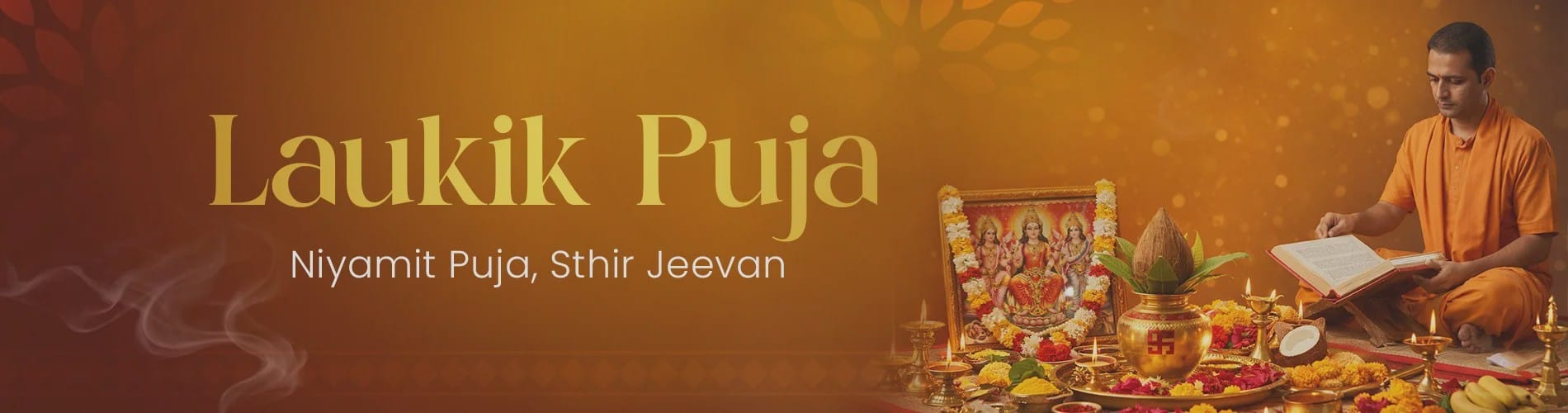
"Deepawali is the biggest festival in the Hindu year. It marks the return of Lord Ram to Ayodhya. People light rows of lamps to welcome him home. The night is sacred to Lakshmi, the goddess of wealth. She walks the earth and enters homes that wait for her. The puja begins with Ganesh, who clears all blocks. It then turns to Lakshmi for wealth and plenty. This group puja joins many devotees in one worship. The shared prayer carries great strength on this night. It brings lasting wealth, fame, and growth in business. Devotees keep their homes clean and bright to receive the Mother."

Deepawali (Diwali) Puja
"Deepawali (Diwali) is the biggest festival in the Hindu calendar. Every family prepares for it weeks in advance. The home is cleaned, diyas are lit, and everything is kept ready before the muhurat arrives. Mata Lakshmi walks the earth that night. She enters homes that are waiting. The ones that are not, she skips."
Sundarkand Path Group Puja
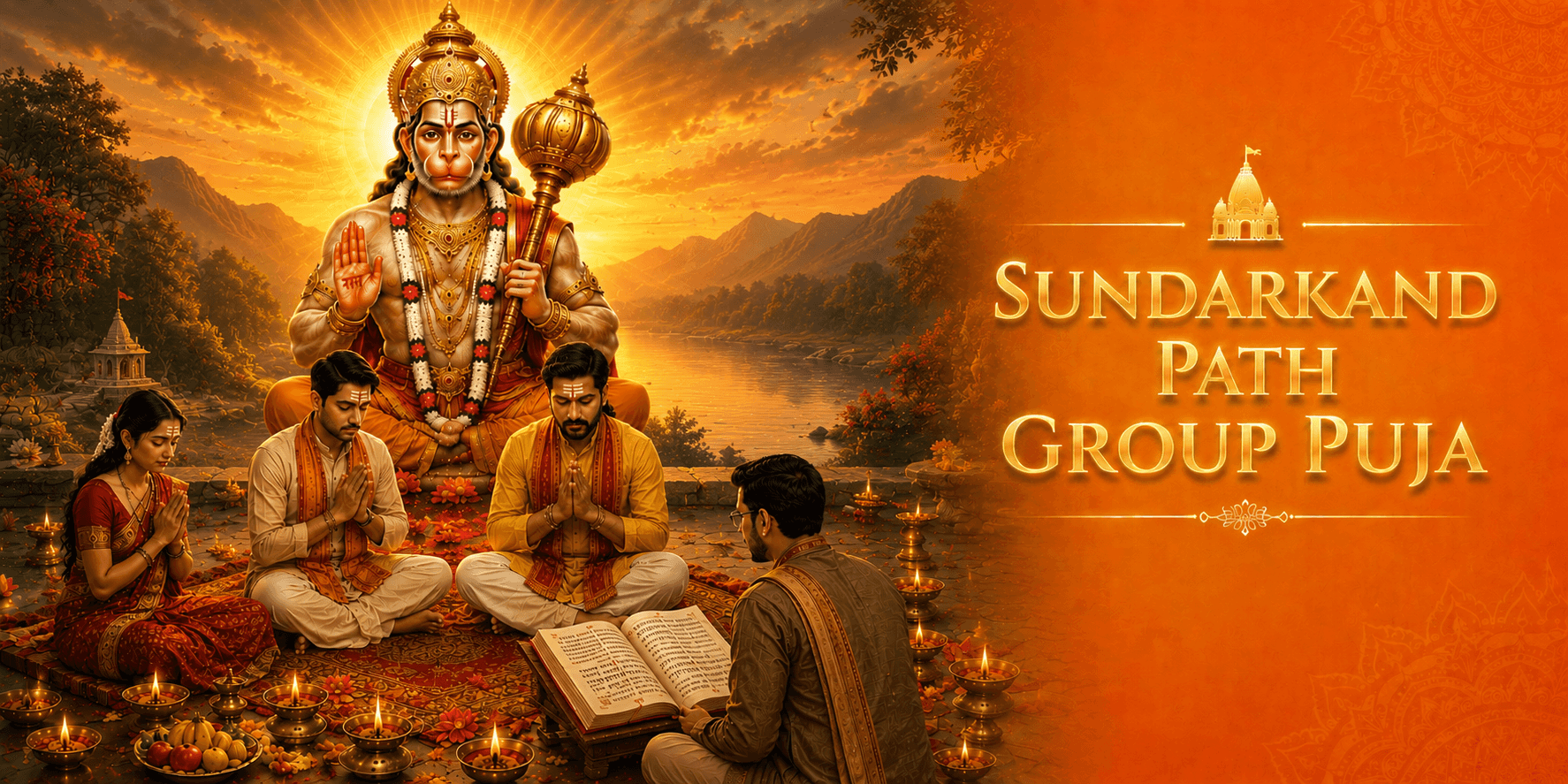
"Sundarkand is the most loved part of the Ramayan. Its name means the beautiful chapter. It tells of Hanuman's leap across the sea to Lanka. He went to find Mata Sita, held by Ravana. He crossed the ocean, found her, and gave her Ram's ring. He then burned Lanka and returned with hope. The whole chapter sings of his courage and faith. Of all the Ramayan, this part holds the most power. Its path is said to clear trouble and fear. It brings strength, wisdom, and the grace of Hanuman. Devotees recite it to defeat enemies and gain peace."
Indrakshi Puja
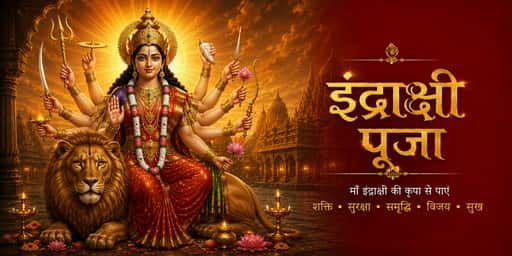
"Indrakshi Mata is one of the most powerful protective goddesses in the Vedic tradition. Her name means "she with the eyes of Indra." The Indrakshi Stotra was first taught by Lord Indra himself to sage Brihaspati. It is recited for protection from disease, from enemies, and from the unseen forces that can harm a devotee. For centuries, families have turned to this puja during prolonged illness, mysterious afflictions, and times when conventional remedies have not worked."
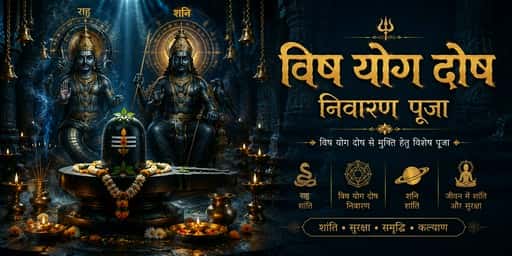
Visha Yog Dosh Nivaran Puja
"Visha Yog forms when the Moon and Saturn come together in the same house. Ancient sages named it Visha, meaning poison. When the gentle, emotional energy of the Moon merges with the cold, restrictive energy of Saturn, the blend behaves like a slow-acting poison. Quiet. Persistent. Hard to identify. The mind feels weighed down. Emotional life feels muted. Health takes a slow downward turn, often in ways that resist clear diagnosis. Income flows are restricted. Sleep becomes difficult. The devotee senses they are walking slightly out of sync with their own happiness."
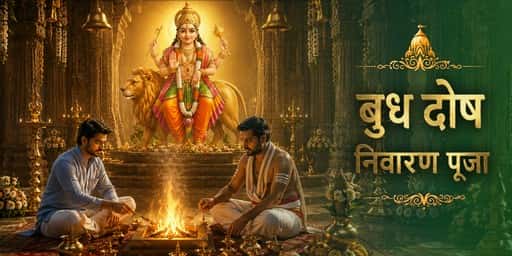
Budh Dosh Nivaran Puja
"Budh is the youngest of the classical planets and the most quick-witted. The messenger of the cosmos. The deity of intellect, communication, learning, and skilled craft. He turns thought into words, and words into influence. When Budh shines strong, the devotee speaks with clarity and moves through ideas with ease. When his energy is afflicted, the gifts reverse. Words stumble. Thoughts scatter. Decisions feel impossible. The nervous system grows strained. For students, this can mean dropping grades. For professionals, losing influence. For everyone, the inner voice loses its clarity."
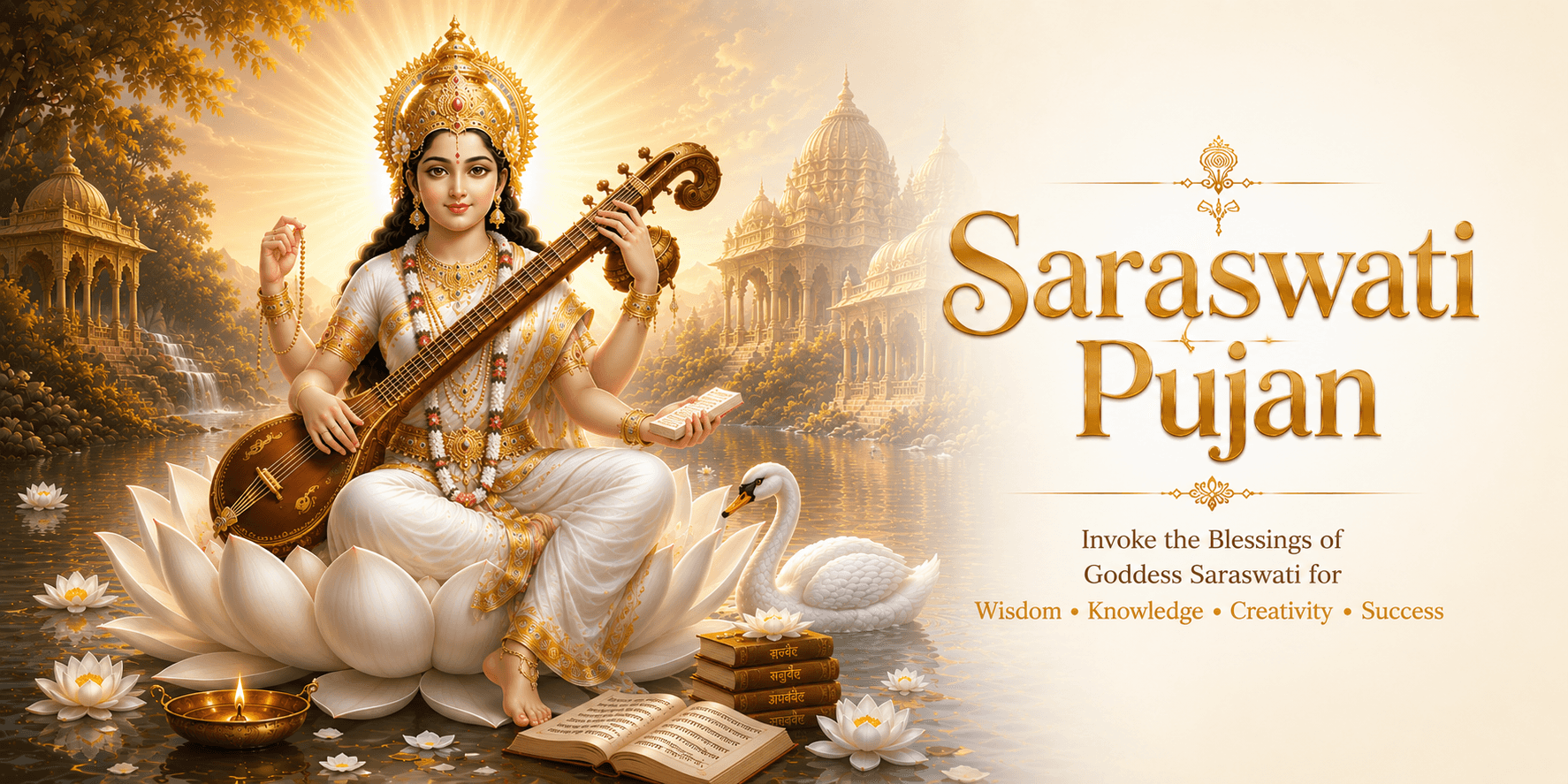
Saraswati Pujan
"Saraswati Mata is the goddess of all learning. She sits on a white lotus, dressed in pure white. She holds the veena. A book and a rosary rest at her side. Three great goddesses share the work of the universe. Lakshmi gives wealth. Durga gives strength. Saraswati gives the rarest gift of all. The light of true knowledge."
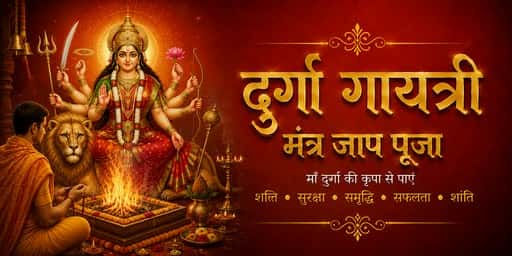
Durga Gayatri Mantra Jaap Puja
"The Durga Gayatri is a special mantra dedicated to Maa Durga. It combines two of the most powerful prayer traditions in Hinduism. The energy of the original Gayatri Mantra, the mother of all Vedic mantras, and the protective grace of Maa Durga herself. Where the original Gayatri invokes the light of wisdom, the Durga Gayatri invokes the strength of the warrior mother. It is the mantra chosen when a devotee needs both inner clarity and outer protection at the same time."

Gau (Cow) Puja
"The cow is the most sacred animal in Hindu tradition. She is called Gau Mata, the mother cow. Tradition holds that all the gods reside within her body. Lord Brahma in her face. Lord Shiva in her forehead. Lord Vishnu in her shoulders. The Ganga, the Yamuna, and the Saraswati in her hooves. To touch a cow with devotion is to touch every deity at once. To offer her food and worship her is to honour the source of life itself, since the cow gives milk to humans and feeds the soil for every crop."
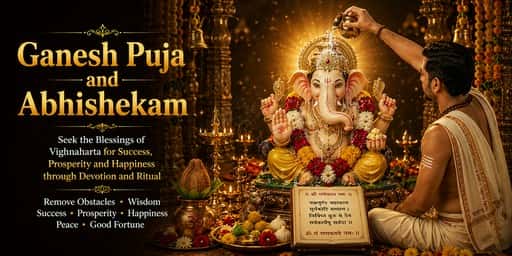
Ganesh Puja and Abhishekam
"Ganesh Ji is the first deity worshipped in every Hindu ritual. Families call on him before weddings, new homes, new businesses, and exams. He clears the path. He blesses the work ahead. Tradition says he is easily pleased. Laddus, modaks, and devotion are enough. Once Ganesh Ji is pleased, he also calls on Shree Lakshmi Mata to bless the home with wealth."
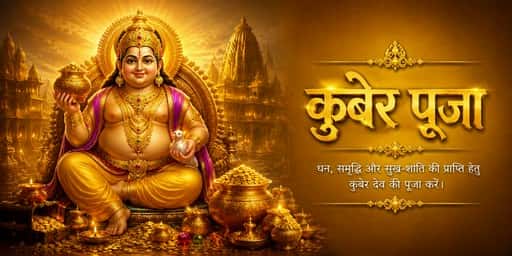
Kuber Puja
"Kuber is the treasurer of the gods. The keeper of all wealth in the universe. He once did severe penance to Lord Shiva and was rewarded with the duty of guarding the treasures of the cosmos. He lives in Alaka, the legendary city of gold in the Himalayas. Lakshmi Mata brings wealth into a home. Kuber makes sure it stays. This is the puja for stable, protected, lasting wealth."