
Hawan Puja
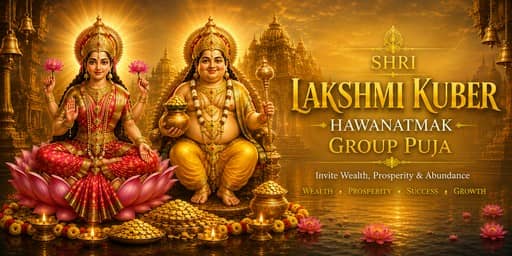
Lakshmi Kuber Hawanatmak Group Puja
"Wealth has two sides, and this hawan worships both. Lakshmi Mata is the flow of abundance, the wealth that arrives. Kuber Ji is the lord of the stored treasure, the wealth that stays. He is the treasurer of the devtas, the dikpala who guards the north, the direction of wealth itself, and the keeper of the nine nidhis, the fabled treasures of the cosmos. The tradition of worshipping them together is ancient and precise. On Dhanteras and Deepawali, Lakshmi Pujan is held incomplete without Kuber beside her. Her grace brings wealth in. His grace stops it from slipping away."
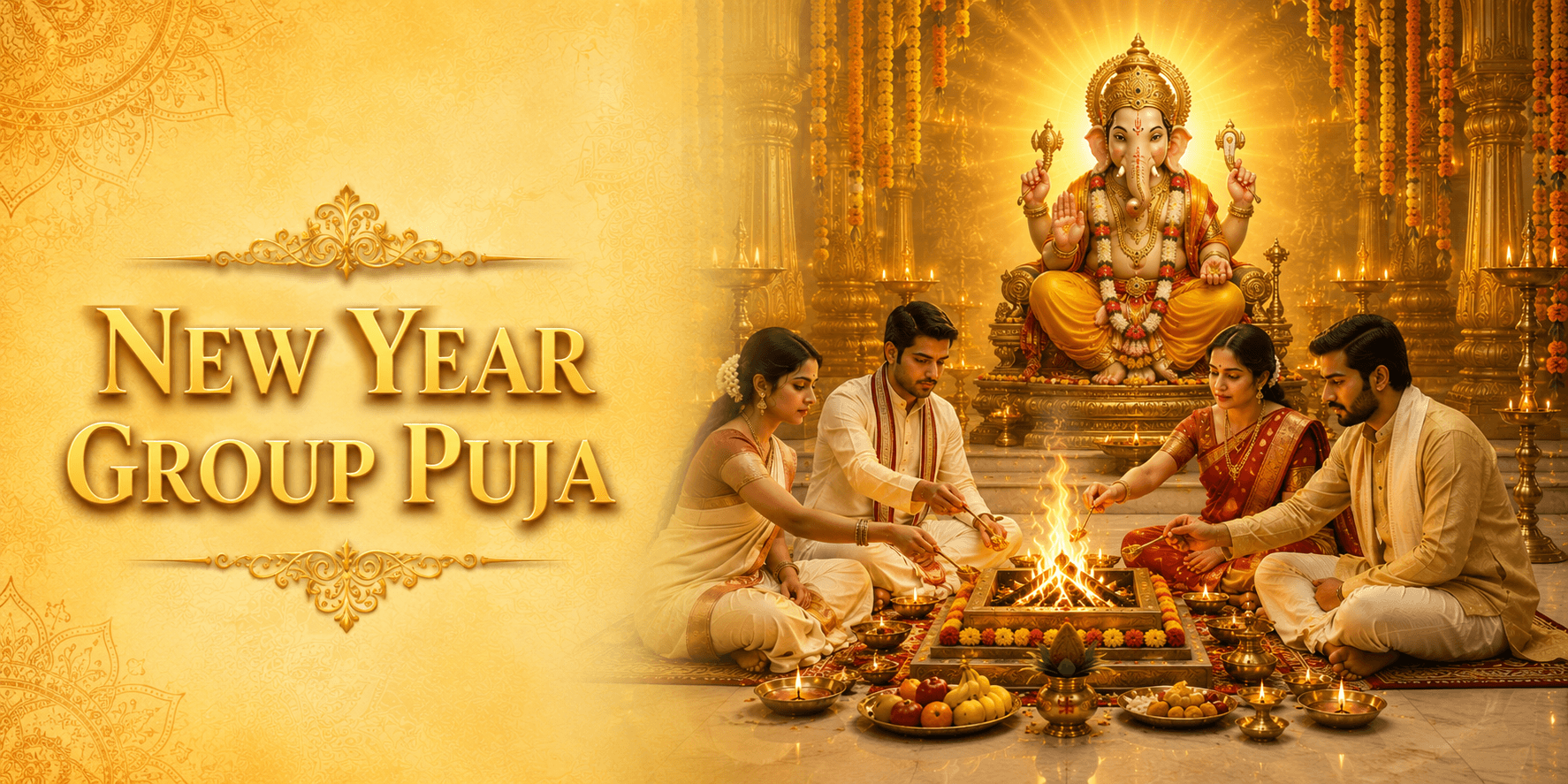
New Year Group Puja
"The Vedic tradition never begins anything important without a sankalp, and no sankalp is larger than a whole year. This group puja takes that sankalp on the first day of the year, in Kashi. Ganesh Ji is worshipped first, as he must be, to clear the path of the twelve months ahead. Vishnu Ji is invoked to preserve and carry every undertaking. Lakshmi Mata is invoked for prosperity through the year. The Navagraha are pacified so that no planetary period turns a good year sour. The worship closes with the Panch Devta, the five deities of the Panchayatana tradition, Ganesh, Vishnu, Shiva, Devi, and Surya, whose combined presence leaves no direction unguarded."
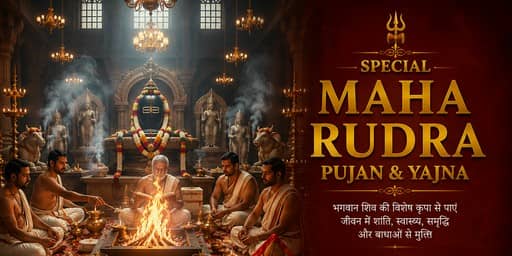
Special Maha Rudra Pujan and Yajna
"Maha Rudra is one of the highest forms of Shiva worship in the entire Vedic tradition. It involves the chanting of the Sri Rudram one hundred and twenty-one times. Eleven rounds of Rudram form one Laghu Rudra. Eleven Laghu Rudras together form one Maha Rudra. The power compounds at every level. This is the puja chosen when a community, a region, or a family needs Shiva's grace at the largest possible scale. It is also one of the most powerful pujas for rain, harvest, and the protection of crops."
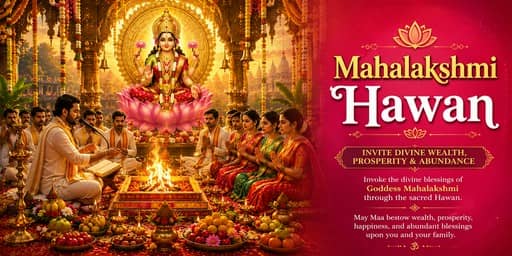
Mahalakshmi Hawan
"Mahalakshmi is the supreme form of the goddess of wealth. She is the consort of Lord Vishnu and the mother of plenty. The shastras say she lives where worship and care abide. This hawan is a fire worship in her honour. The sacred fire carries each prayer straight to the Mother. Many earn well but cannot keep their wealth. This hawan works to bring lasting wealth, or sthir Lakshmi. It clears the blocks that let money slip away. Business families seek it for steady growth and plenty. Its best days are Diwali and Dhanteras. These are the days the Mother walks the earth."
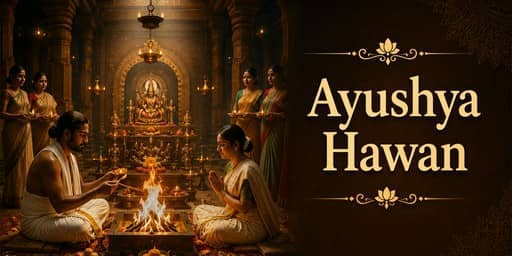
Ayushya Hawan
"Ayushya Hawan is a fire worship for long life. Its deity is Rishi Markandeya, the boy who conquered death. The shastras tell how Yama came to take his life. The boy held the Shivling and Shiva saved him from death. He was then blessed to stay forever young. This hawan calls on his grace for health and long years. The sacred fire carries the prayer for a full life. It guards the body and lifts the fear of early death. Families perform it on birthdays and other special days. It is a blessing for old and young alike."
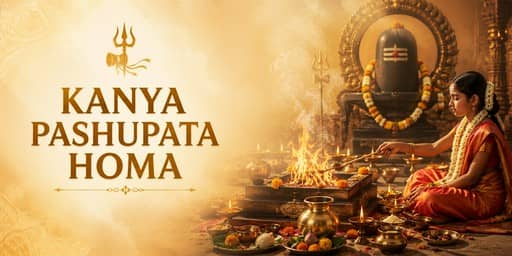
Kanya Pashupata Homam
"Kanya Pashupata Homam is performed for unmarried young women (kanyas) seeking the blessing of marriage and a loving life partner. The puja invokes Shiva in his form as Pashupati, the lord of all beings. In Hindu tradition, Shiva is the ideal husband. He is the husband of Parvati Mata, whose own penance to win him is one of the most beloved stories in scripture. Unmarried young women have, for centuries, prayed to Shiva for a partner blessed with the qualities they seek."

Lakshmi Ganapati Hawan Puja
"This puja joins Mata Lakshmi with Lord Ganapati in a sacred fire. Ganapati clears the blocks that hold a person back. Lakshmi then brings wealth that stays and does not slip away. The shastras call this lasting wealth sthir Lakshmi. Many earn well but cannot hold their money. This puja works to fix that very problem. The havan, or fire ritual, carries the prayers straight to the gods. Each offering into the fire is a step toward plenty. Business families turn to this puja for steady growth. It is most loved at Diwali, the festival of Lakshmi."
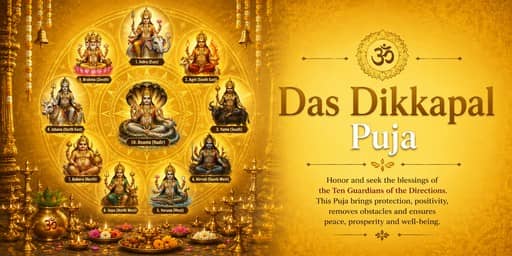
Das Dikkapal Puja
"The shastras name ten guardians who rule the ten directions. They are led by Indra and called the Das Dikkapal. Each one watches over a side of the world. Indra guards the east and Yama the south. Varuna guards the west and Kubera the north. The others hold the corners, the sky, and the earth below. Together they keep the whole space around us safe. This puja honours all ten guardians in one worship. It seeks their blessing for protection on every side. With them pleased, no harm can enter from any direction. The seeker then moves forward without a block."
Adi Kailash Puja
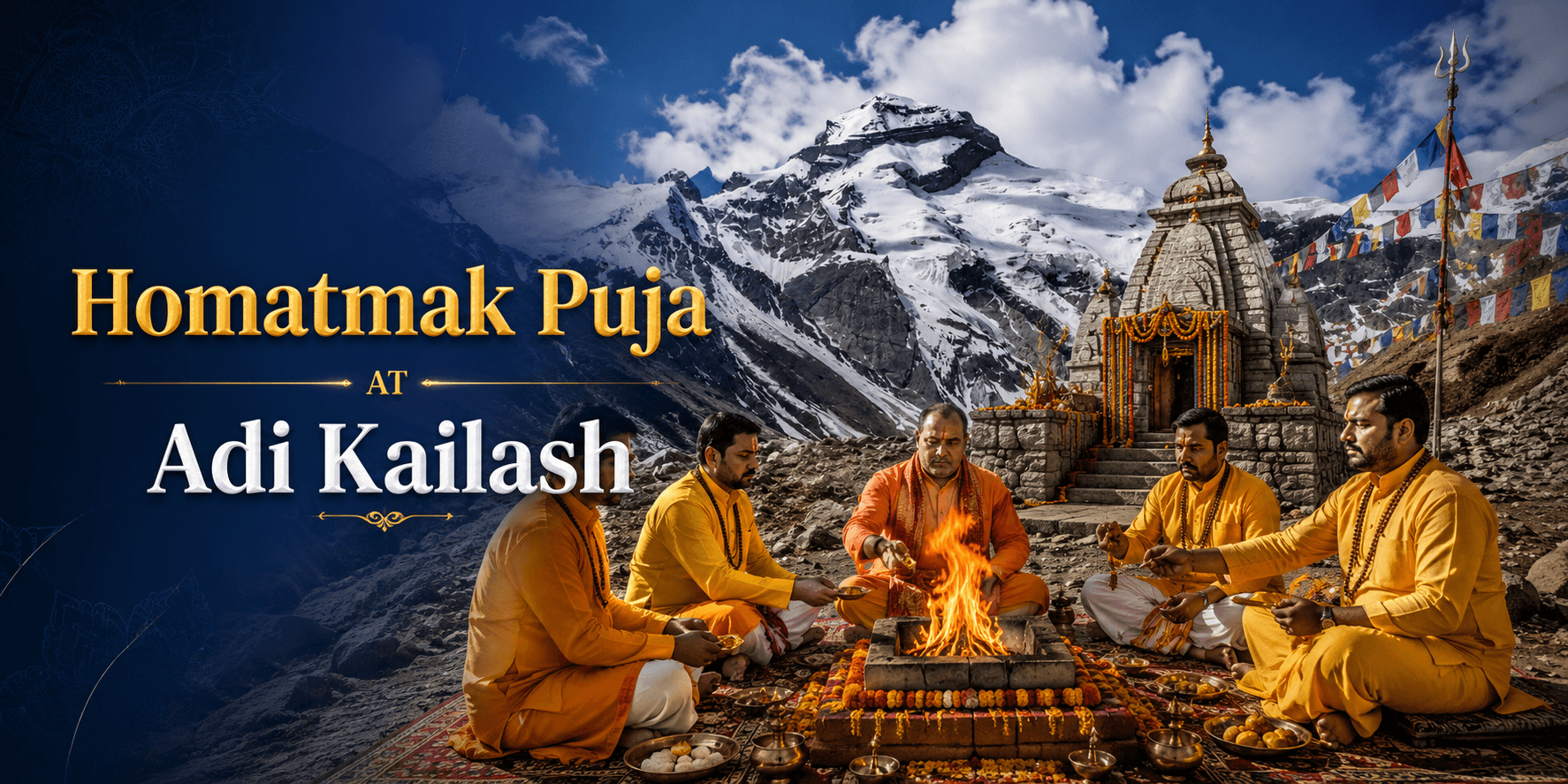
"Adi Kailash is a sacred peak in the Himalayas. It is also known as Chhota Kailash, the lesser Kailash. The shastras hold it as a holy seat of Lord Shiva. Its form is much like the great Mount Kailash. The peak stands above a calm and clear lake. Few reach this far and high to worship there. A puja here is rare and full of merit. This homa is a fire worship of Lord Shiva. The sacred fire carries each prayer to the Lord. It brings health, peace, and a fresh strength for life. Devotees long for this worship at the seat of Shiva."
Rigveda Yajna
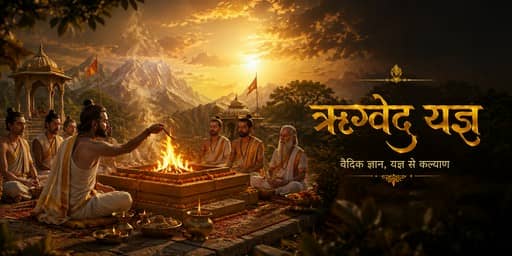
"The Rigveda is the oldest scripture in the Hindu tradition. The first of the four Vedas. Composed thousands of years ago, it contains over a thousand hymns dedicated to the gods, with the largest number addressed to Indra (the king of the gods) and Agni (the sacred fire). The Rigveda Yajna is the fire ritual built around these original hymns. It is one of the most powerful and most ancient yajnas in existence. To have it performed is to participate in the same tradition that the earliest sages of India established."
Chandi Path and Homam
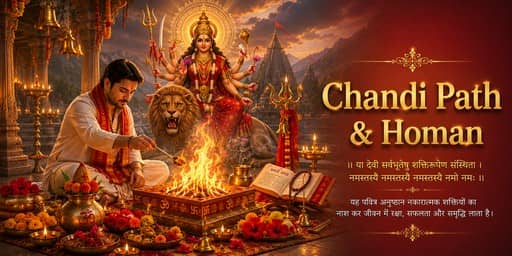
"Chandi Path is the recitation of the Devi Mahatmya, also known as the Durga Saptashati. Seven hundred verses from the Markandeya Purana, recounting the great victories of Maa Durga. Her battle against Mahishasura. Her defeat of Shumbha and Nishumbha. Her many forms as she rises to protect dharma. When the Chandi Path is performed with a Homam (sacred fire ritual), the energy is multiplied. Each verse becomes an offering into the fire."