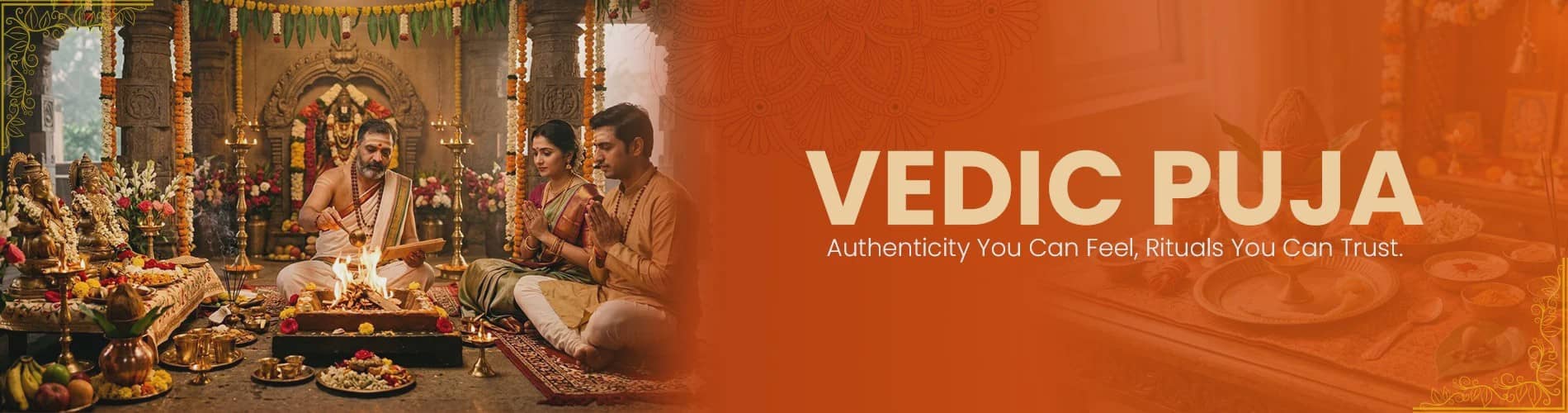
Vedic Puja
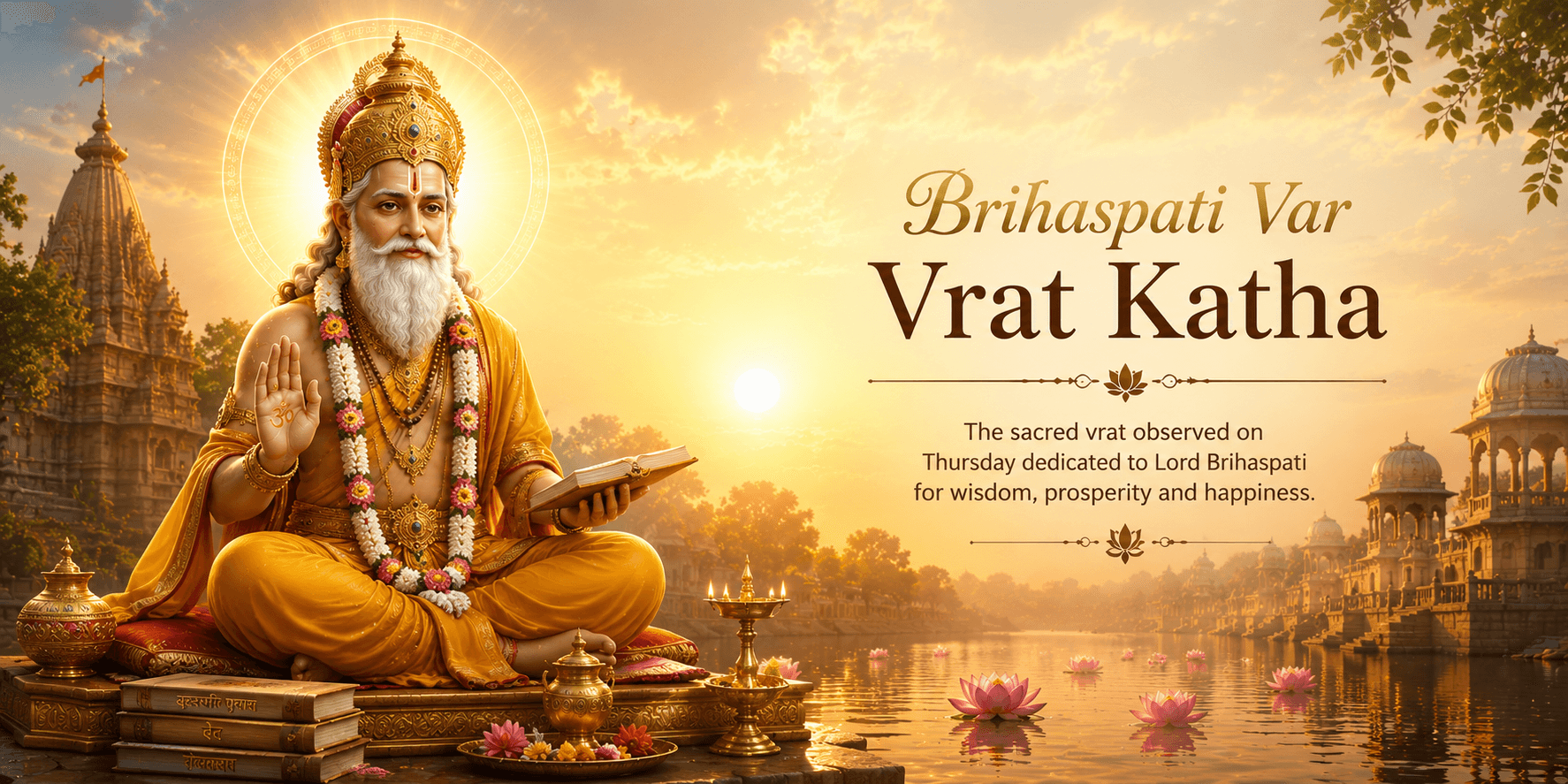
Brihaspati Var Vrat Katha
"Brihaspati Var Vrat is the Thursday vrat dedicated to Brihaspati Dev, the cosmic teacher of the gods. Thursday itself is ruled by Brihaspati (Jupiter), the planet of wisdom, marriage, children, and dharmic living. The vrat is one of the most beloved in Hindu tradition. Unmarried devotees observe it for early marriage. Couples observe it for the blessing of children. Families observe it for the rise of fortune and the deepening of faith. Lord Vishnu is invoked alongside Brihaspati Dev, since both share the same expansive, benevolent nature."
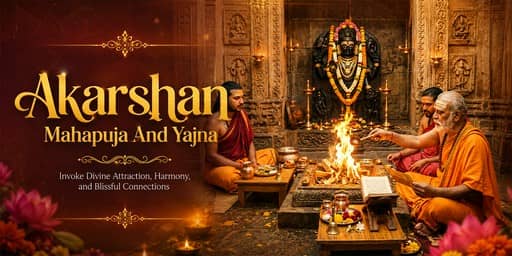
Akarshan (Attraction) Mahapuja and Yajna
"Akarshan means attraction. This puja calls on Shukra Dev, the planet of charm, beauty, and grace. It also honours Kamadeva and Rati, the divine couple of love and desire. In Hindu tradition, Shukra rules the pull that draws people to one another. A weak or troubled Shukra leaves life dull and relationships cold. People then feel unseen and pass over good chances. This puja strengthens that planet and clears the block. It pulls the right people, the right work, and the right luck toward you. The grace of Kamadeva adds warmth and appeal to the seeker."
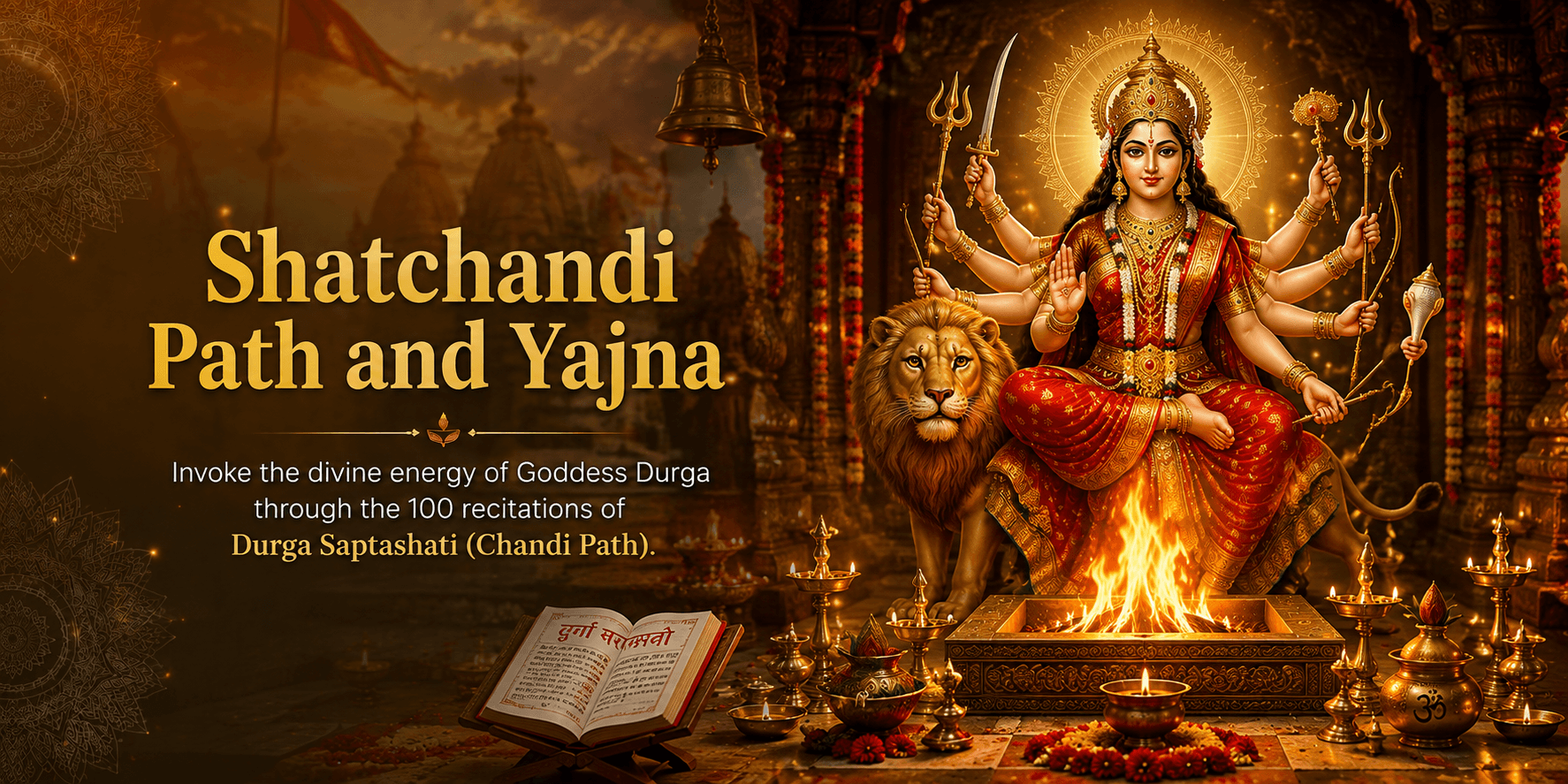
Shatchandi Path and Yajna
"Shatchandi Path is one of the most elevated forms of Durga worship. It involves the recitation of the Durga Saptashati not once, but one hundred times. Each repetition multiplies the power of the previous one. By the end of the path, the seven hundred verses have been chanted seventy thousand times. The Yajna runs alongside, with offerings made into the sacred fire for every section. This is the most comprehensive Durga puja in the Vedic tradition, performed when the family needs the Mother's full grace at the highest possible scale."
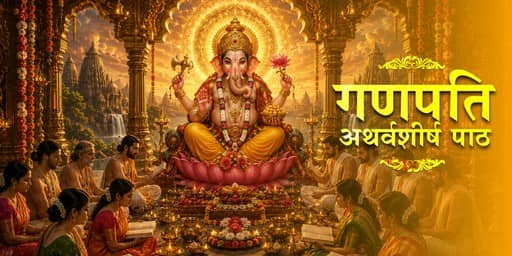
Ganapati Atharvashirsha Path
"The Ganapati Atharvashirsha is the supreme prayer to Lord Ganesha. Drawn from the Atharva Veda, it declares Ganesha not just as a deity, but as the supreme Brahman himself, the source of all reality. The text is unique in its philosophical depth. Where most Ganesha prayers ask for the removal of obstacles, the Atharvashirsha invokes Ganesha as the highest cosmic principle. To recite it as a focused path is to invite the deepest, most powerful form of Ganesha's grace into the home."
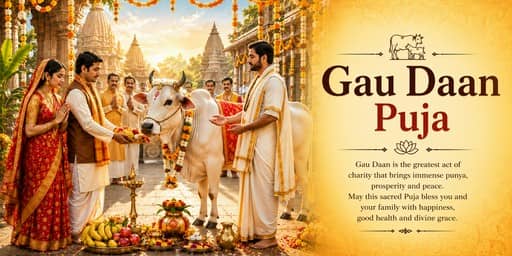
Gau Daan Puja
"Gau Daan means the gift of a cow. The shastras hold it as the greatest of all charity. To give a cow is to give a home to all the gods. Tradition says the cow carries the soul across after death. She helps it cross the river Vaitarani to the next world. This daan washes away the heaviest of old sins. It clears negative karma and the fear of the unknown. It is also the remedy for Nadi Dosh in a match. The gift brings the grace of Lord Krishna upon the giver. Devotees perform it before marriage and on holy days. It is one of the surest paths to moksha."
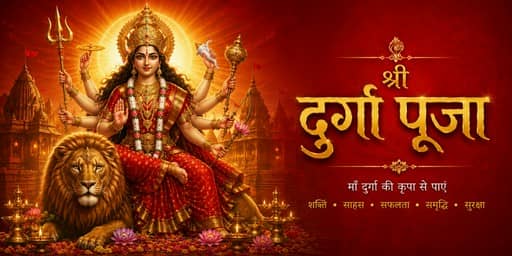
Durga Puja
"Maa Durga rides a lion. She holds eighteen weapons in her many arms. Each weapon is a gift from a different god. Her gaze is the gaze of a mother who will let nothing harm her children. The demon Mahishasura had a boon. No man, no god could kill him. He defeated even Indra. The gods released their combined energies. From that fire, Maa Durga emerged. After nine days of battle, on the tenth day, she slew Mahishasura. That day is Vijayadashami."
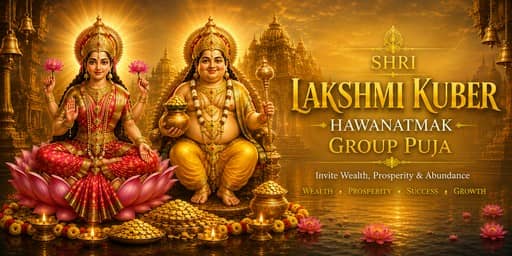
Lakshmi Kuber Hawanatmak Group Puja
"Wealth has two sides, and this hawan worships both. Lakshmi Mata is the flow of abundance, the wealth that arrives. Kuber Ji is the lord of the stored treasure, the wealth that stays. He is the treasurer of the devtas, the dikpala who guards the north, the direction of wealth itself, and the keeper of the nine nidhis, the fabled treasures of the cosmos. The tradition of worshipping them together is ancient and precise. On Dhanteras and Deepawali, Lakshmi Pujan is held incomplete without Kuber beside her. Her grace brings wealth in. His grace stops it from slipping away."
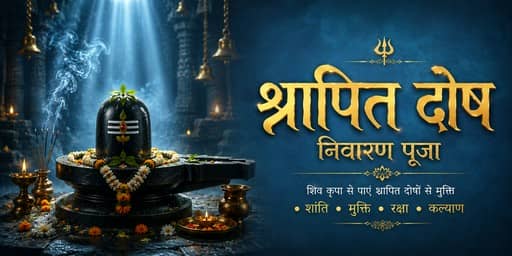
Shrapit Dosh Nivaran Puja
"Shrapit Dosh is one of the most demanding karmic afflictions in Vedic astrology. It forms when Rahu and Shani occupy the same house, or sit in mutual aspect. Their combined energy is so heavy that ancient sages described it as the weight of an unresolved curse from a previous lifetime. The word shrapit literally means "the cursed one." But this is not punishment. A curse is simply unfinished karma, an action whose consequences travel across lifetimes seeking resolution. The soul does not remember. But the chart does."
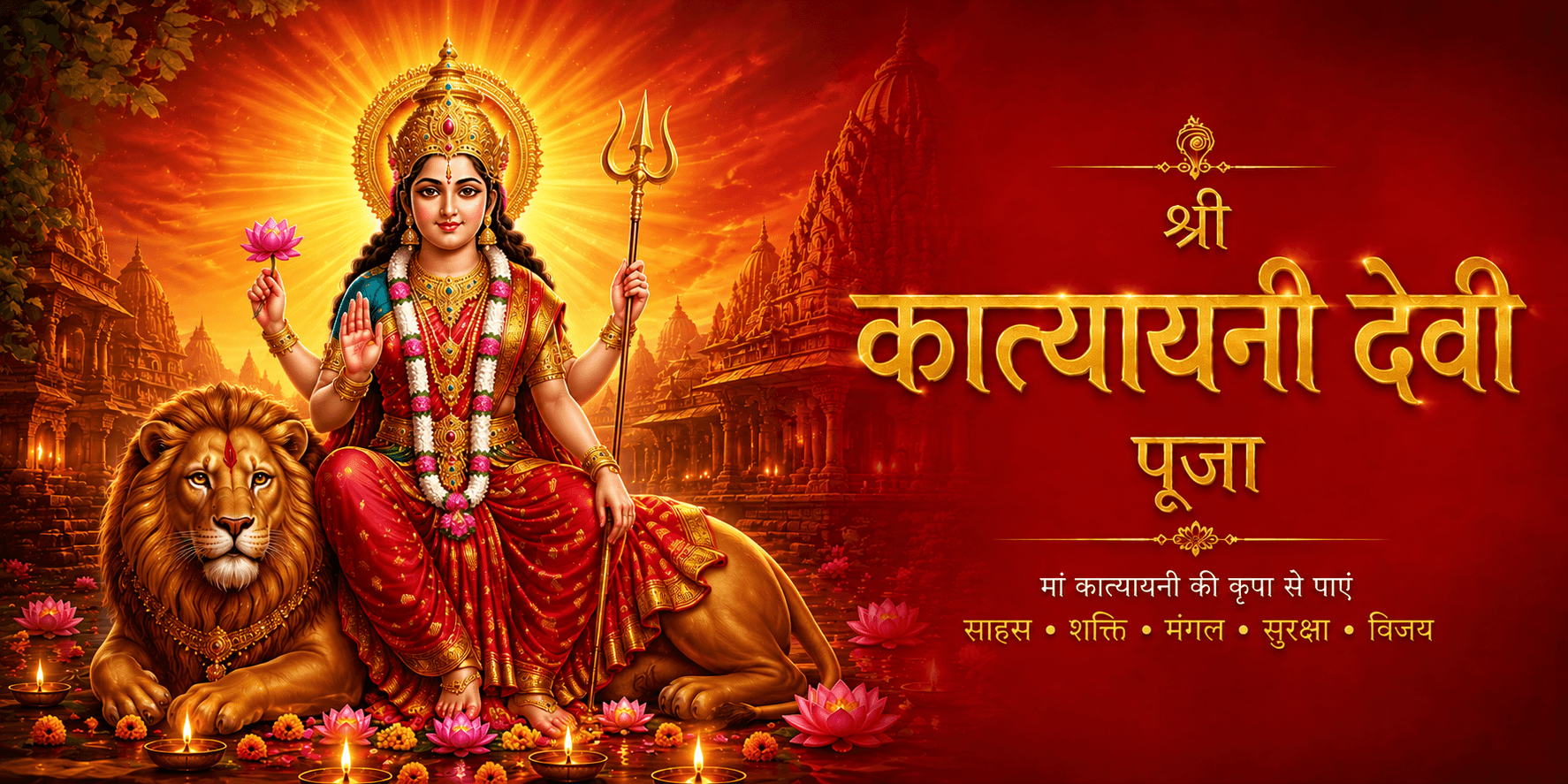
Katyayani Devi Puja
"Katyayani Mata is the sixth of the nine forms of Maa Durga. She was born to the sage Katyayana, after years of his penance, with the combined energy of Brahma, Vishnu, and Mahesh. She emerged to slay the demon Mahishasura. But her warrior origins are not why most devotees come to her. For centuries, she has been known as the granter of soulmates. The unmarried gopis of Vrindavan once prayed to her for Lord Krishna himself as their husband. She answered them."
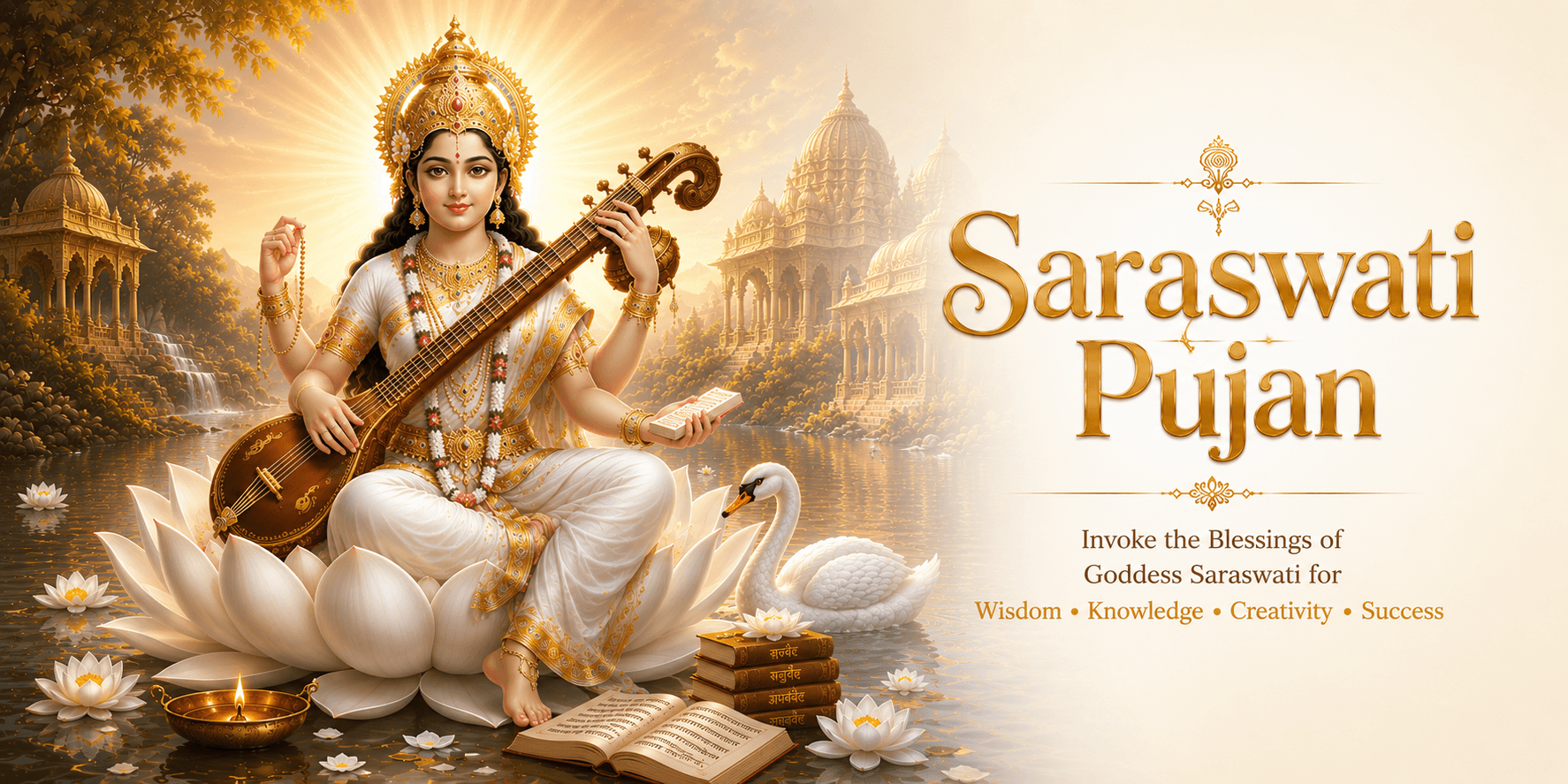
Saraswati Pujan
"Saraswati Mata is the goddess of all learning. She sits on a white lotus, dressed in pure white. She holds the veena. A book and a rosary rest at her side. Three great goddesses share the work of the universe. Lakshmi gives wealth. Durga gives strength. Saraswati gives the rarest gift of all. The light of true knowledge."
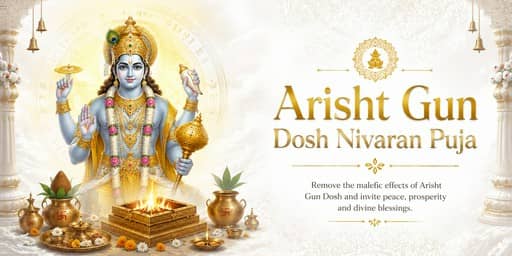
Arisht Gun Dosh Nivaran Puja
"Every birth chart carries the marks of the nine planets. Some sit in good houses and bring good results. Others fall in bad houses and turn harmful. The shastras call these harmful planets the Arishta Grah. Their bad placement blocks health, wealth, and peace. Work stalls, money slips, and worries pile up. The person tries hard but the results do not come. This puja finds the planets that cause the harm. It calms them through their own mantras and offerings. Once settled, they stop their harm and turn kind. The chart then opens the way to good results."