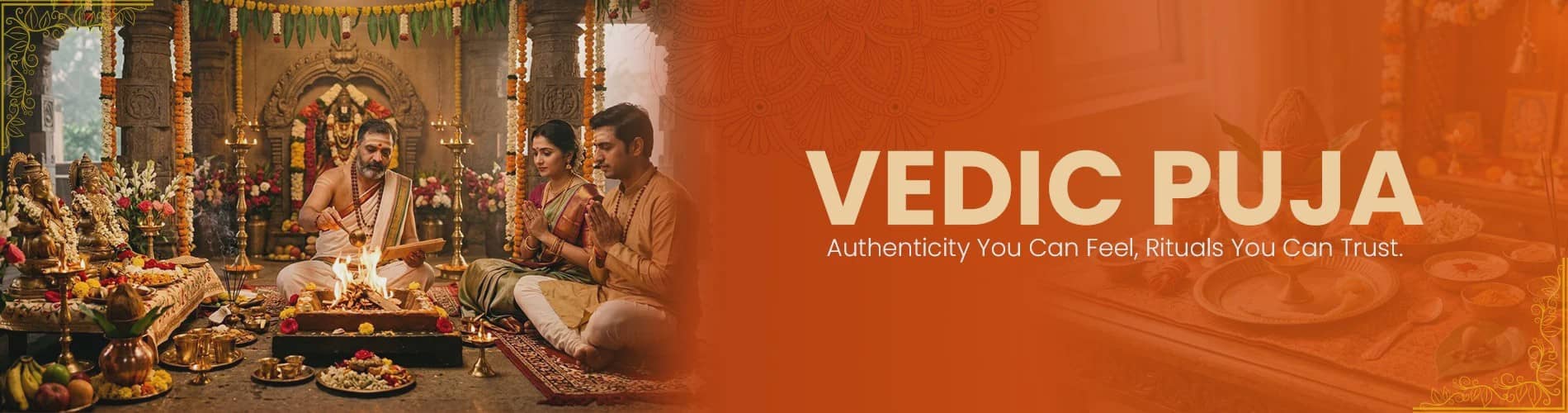
Vedic Puja
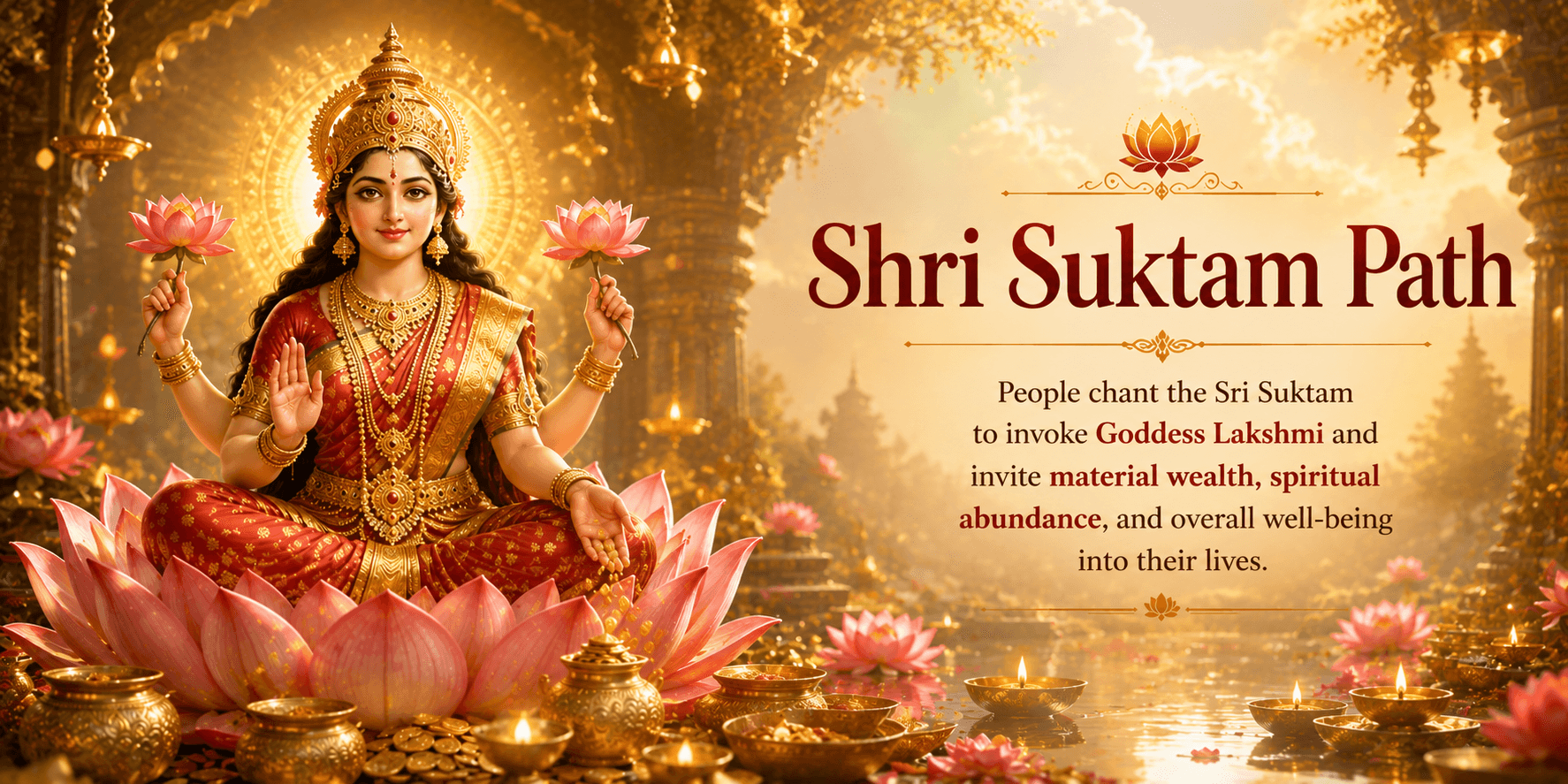
Shri Suktam Path
"The Shri Suktam is one of the oldest and most sacred Vedic hymns dedicated to Lakshmi Mata. Drawn from the Rigveda, it has fifteen verses that describe the goddess in her fullness. Her golden form. Her lotus seat. Her elephants pouring sacred water over her head. Her power to bless devotees with wealth, food, gold, jewels, and the abundance of every kind. The Shri Suktam is recited at every major Lakshmi puja across India. To have it recited as a focused path is to invoke Lakshmi Mata at the most direct, most personal level."
-puja-651bd1c3052302caf9a15365-66742566-s.jpg&w=3840&q=70)
Deepawali (Diwali) Puja
"Deepawali (Diwali) is the biggest festival in the Hindu calendar. Every family prepares for it weeks in advance. The home is cleaned, diyas are lit, and everything is kept ready before the muhurat arrives. Mata Lakshmi walks the earth that night. She enters homes that are waiting. The ones that are not, she skips."
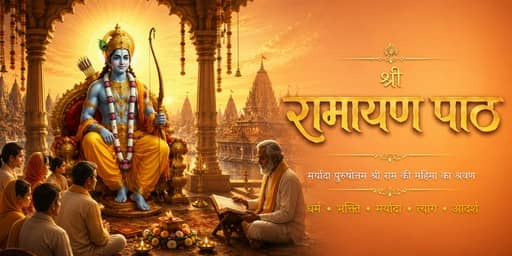
Ramayana Path
"The Ramayana is the original epic of Lord Ram's life. Composed by Maharishi Valmiki, it is the oldest written telling of the story. Twenty-four thousand verses across seven kandas, recounting Ram's birth, his exile, his battle with Ravana, and his return to Ayodhya. The Ramayana is not just a story. It is a guide to dharmic living. Every relationship, every decision, every choice in the epic carries a lesson. To have the Ramayana recited in one's home is to invite the energy of dharma itself into the family."
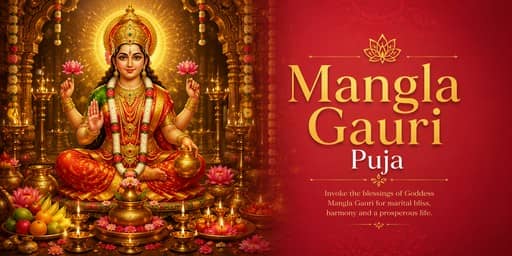
Mangla Gauri Puja
"Mangla Gauri is a loving form of Mata Parvati. She is one of the great Shakti forms revered in Kashi. The shastras hold her as the giver of married joy. Unmarried girls pray to her for a good husband. Married women pray to her for the long life of their spouse. She also blesses couples with healthy children. Her worship clears the Manglik Dosh from the chart. This dosh often delays or troubles a marriage. Mangla Gauri removes that block and smooths the path. Her grace brings peace and harmony to the home. Devotees worship her on Tuesdays and in the month of Shravan."
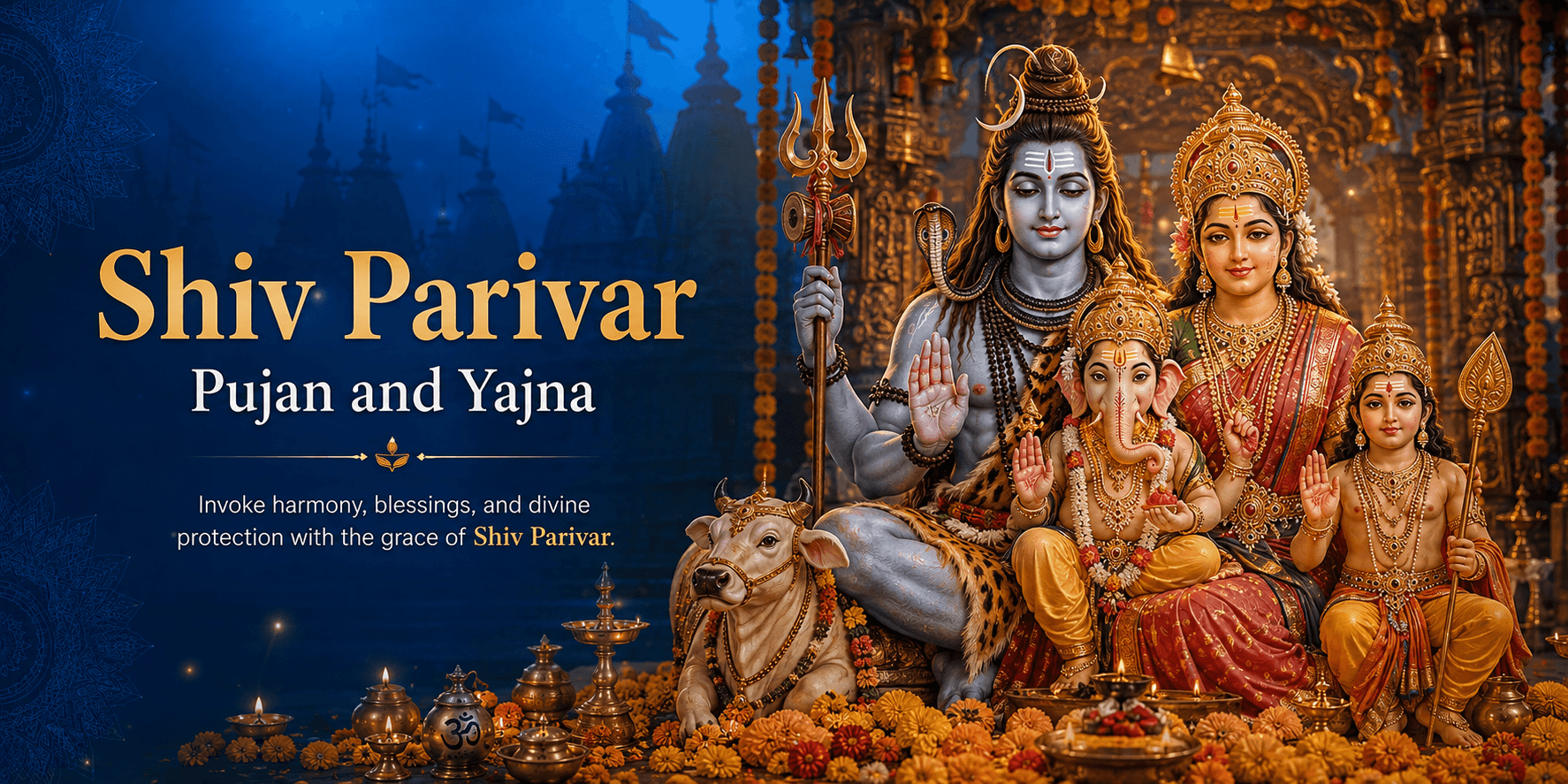
Shiv Parivar Pujan and Yajna
"The Shiv Parivar is the divine family. Lord Shiva. Mata Parvati. Lord Ganesha. Lord Kartikeya. Nandi, the sacred bull. Together they are the original family of the cosmos. The model of harmony, mutual love, and family devotion. To worship the Shiv Parivar together is to invite all of these blessings into the devotee's own home. Each member of the family carries a specific grace. Together, they bless the home with completeness."
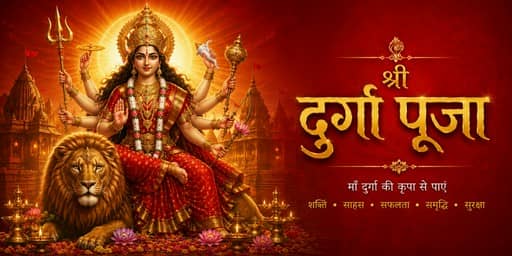
Durga Puja
"Maa Durga rides a lion. She holds eighteen weapons in her many arms. Each weapon is a gift from a different god. Her gaze is the gaze of a mother who will let nothing harm her children. The demon Mahishasura had a boon. No man, no god could kill him. He defeated even Indra. The gods released their combined energies. From that fire, Maa Durga emerged. After nine days of battle, on the tenth day, she slew Mahishasura. That day is Vijayadashami."
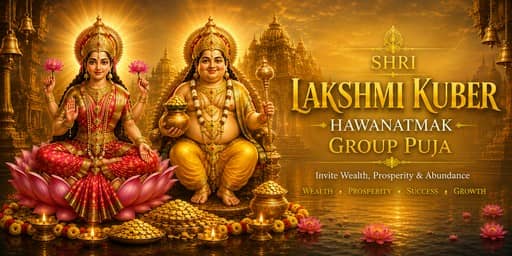
Lakshmi Kuber Hawanatmak Group Puja
"Wealth has two sides, and this hawan worships both. Lakshmi Mata is the flow of abundance, the wealth that arrives. Kuber Ji is the lord of the stored treasure, the wealth that stays. He is the treasurer of the devtas, the dikpala who guards the north, the direction of wealth itself, and the keeper of the nine nidhis, the fabled treasures of the cosmos. The tradition of worshipping them together is ancient and precise. On Dhanteras and Deepawali, Lakshmi Pujan is held incomplete without Kuber beside her. Her grace brings wealth in. His grace stops it from slipping away."
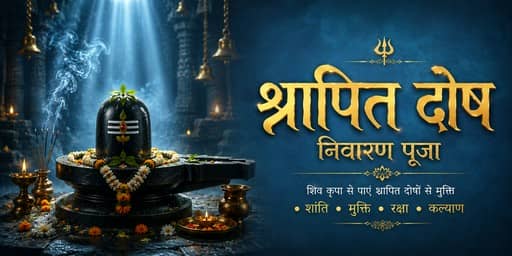
Shrapit Dosh Nivaran Puja
"Shrapit Dosh is one of the most demanding karmic afflictions in Vedic astrology. It forms when Rahu and Shani occupy the same house, or sit in mutual aspect. Their combined energy is so heavy that ancient sages described it as the weight of an unresolved curse from a previous lifetime. The word shrapit literally means "the cursed one." But this is not punishment. A curse is simply unfinished karma, an action whose consequences travel across lifetimes seeking resolution. The soul does not remember. But the chart does."
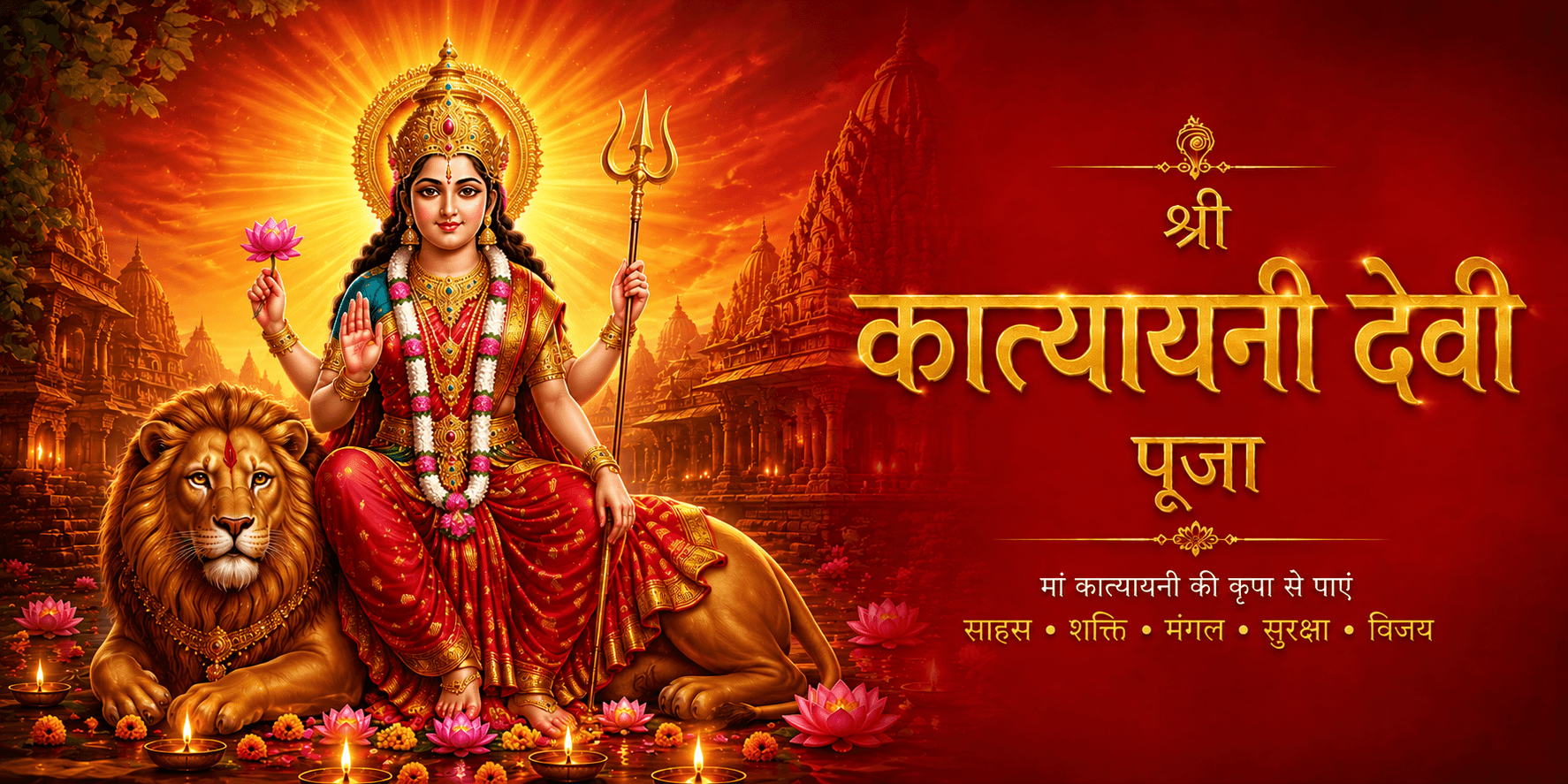
Katyayani Devi Puja
"Katyayani Mata is the sixth of the nine forms of Maa Durga. She was born to the sage Katyayana, after years of his penance, with the combined energy of Brahma, Vishnu, and Mahesh. She emerged to slay the demon Mahishasura. But her warrior origins are not why most devotees come to her. For centuries, she has been known as the granter of soulmates. The unmarried gopis of Vrindavan once prayed to her for Lord Krishna himself as their husband. She answered them."
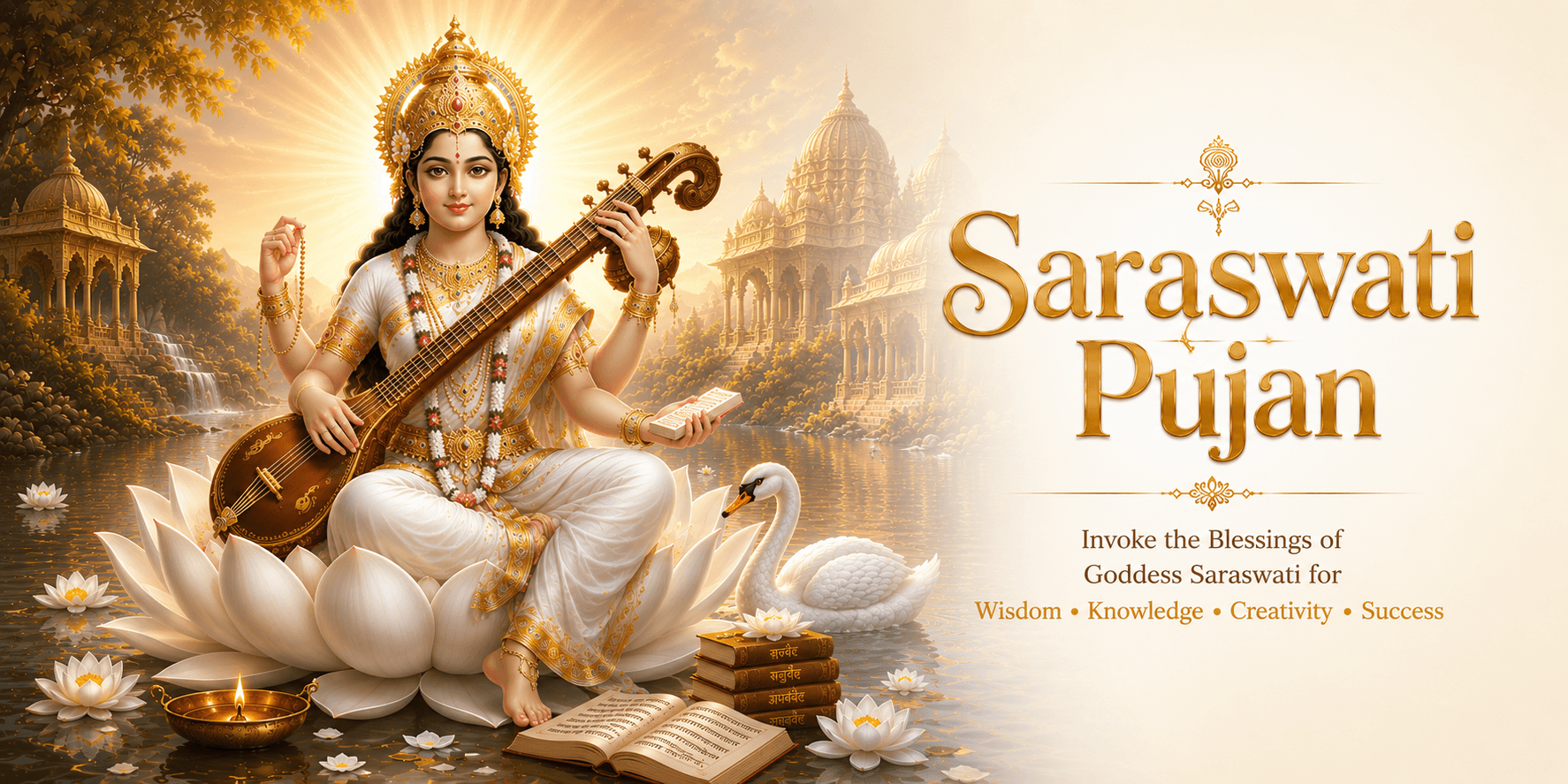
Saraswati Pujan
"Saraswati Mata is the goddess of all learning. She sits on a white lotus, dressed in pure white. She holds the veena. A book and a rosary rest at her side. Three great goddesses share the work of the universe. Lakshmi gives wealth. Durga gives strength. Saraswati gives the rarest gift of all. The light of true knowledge."
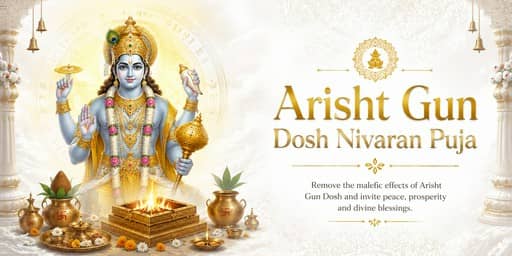
Arisht Gun Dosh Nivaran Puja
"Every birth chart carries the marks of the nine planets. Some sit in good houses and bring good results. Others fall in bad houses and turn harmful. The shastras call these harmful planets the Arishta Grah. Their bad placement blocks health, wealth, and peace. Work stalls, money slips, and worries pile up. The person tries hard but the results do not come. This puja finds the planets that cause the harm. It calms them through their own mantras and offerings. Once settled, they stop their harm and turn kind. The chart then opens the way to good results."