
Katha Path Puja
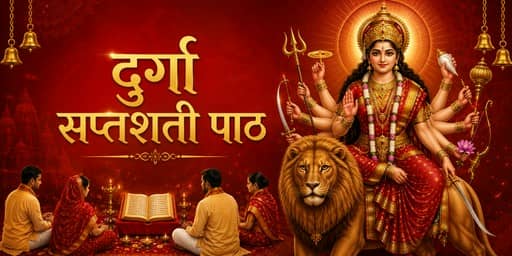
Durga Saptashati Path
"Durga Saptashati is also known as the Devi Mahatmya. The Glory of the Goddess. The text has seven hundred verses drawn from the Markandeya Purana. They recount the great stories of Maa Durga's victories. Her birth from the combined energies of the gods. Her epic battle against Mahishasura. Her defeat of Shumbha and Nishumbha. For over fifteen centuries, devotees across India have recited it during Navratri and at every moment of crisis. The very chanting of its verses summons the goddess into the room. Each chapter is itself an invocation."
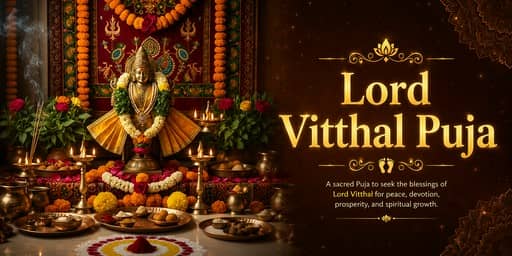
Lord Vitthal Puja
"Lord Vitthal is a beloved form of Lord Krishna. The people of Maharashtra know him as Vithoba and Panduranga. He stands at Pandharpur with his hands on his hips. Rukmini, his consort, stands by his side. The story tells how he waited for his devotee Pundalik. Millions walk to Pandharpur each year to see him. The Warkari saints sang of his love for ages. He grants peace, plenty, and a happy home. This puja calls on Vitthal and Rukmini together. It seeks their grace for wealth, fame, and family joy. Devotees worship him with deep love and song."
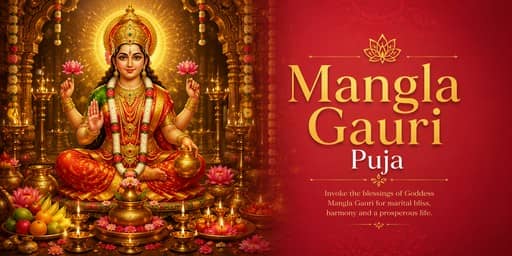
Mangla Gauri Puja
"Mangla Gauri is a loving form of Mata Parvati. She is one of the great Shakti forms revered in Kashi. The shastras hold her as the giver of married joy. Unmarried girls pray to her for a good husband. Married women pray to her for the long life of their spouse. She also blesses couples with healthy children. Her worship clears the Manglik Dosh from the chart. This dosh often delays or troubles a marriage. Mangla Gauri removes that block and smooths the path. Her grace brings peace and harmony to the home. Devotees worship her on Tuesdays and in the month of Shravan."
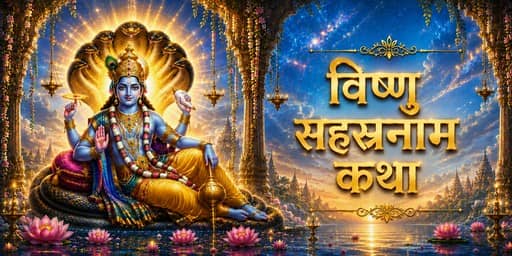
Vishnu Sahasranam Katha
"The Vishnu Sahasranamam is the thousand names of Lord Vishnu. Drawn from the Anushasana Parva of the Mahabharata, it was first recited by Bhishma Pitamah as he lay on his bed of arrows after the great war. Yudhishthira asked him for guidance on dharma. Bhishma's answer was the thousand names of Vishnu. The text is one of the most beloved prayers in the entire Hindu tradition. Each name carries a specific power. Each name is a doorway to a different aspect of Vishnu's grace. To recite the Vishnu Sahasranamam is to walk through all thousand doorways at once."
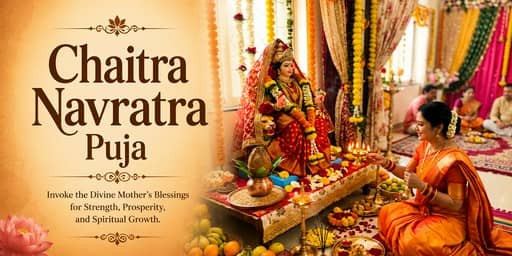
Chaitra Navratra Puja
"Chaitra Navratri brings the nine sacred nights of the Goddess. They fall at the start of the Hindu new year, in the month of Chaitra. These are among the holiest days in the whole calendar. Devotees worship the nine forms of Durga, one for each day. The first day honours Shailputri and the last honours Siddhidatri. Each form grants a different blessing to the seeker. Many keep fasts and light the akhand jyoti through all nine days. The Mother is said to walk close to her devotees at this time. She gives strength to the weak and wealth to the deserving. People pray to her for safety, courage, and a fresh start."
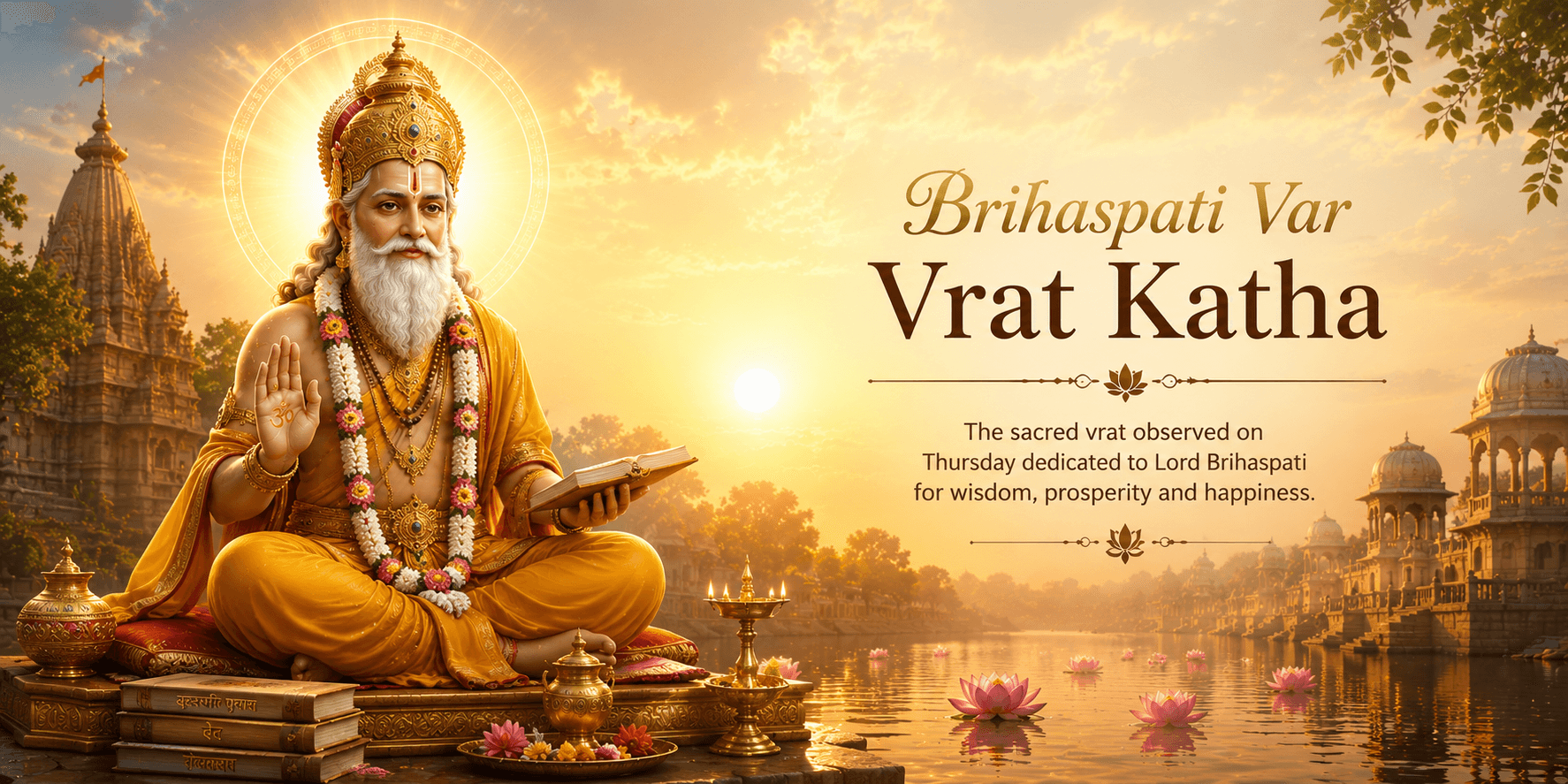
Brihaspati Var Vrat Katha
"Brihaspati Var Vrat is the Thursday vrat dedicated to Brihaspati Dev, the cosmic teacher of the gods. Thursday itself is ruled by Brihaspati (Jupiter), the planet of wisdom, marriage, children, and dharmic living. The vrat is one of the most beloved in Hindu tradition. Unmarried devotees observe it for early marriage. Couples observe it for the blessing of children. Families observe it for the rise of fortune and the deepening of faith. Lord Vishnu is invoked alongside Brihaspati Dev, since both share the same expansive, benevolent nature."
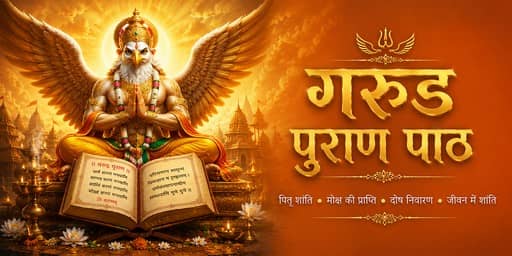
Garun Puran Path
"The Garun Puran is one of the eighteen Mahapuranas of Hindu scripture. It was narrated by Lord Vishnu himself to Garud Dev. The gentle escort of souls on their journey beyond this world. The path is performed in the days between a loved one's passing and the thirteenth-day ritual, known as Terahvin. This is the period when the soul, in Hindu belief, makes its transition from this life to the next. The Garun Puran is a guidebook for the soul. It explains what the departed will encounter on the onward journey, and the path that leads to peace."
Santaan Gopal Puja
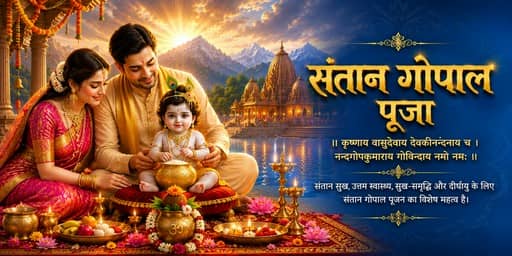
"This puja is dedicated to Krishna in his childhood form. The mischievous, butter-stealing child of Gokul. The toddler whom Yashoda Mata raised with so much love. Krishna in this form is believed to choose loving homes to be born into. Couples praying for a child have turned to this puja for centuries. The Santaan Gopal Mantra comes from the Brahma Vaivarta Purana."
Shatchandi Path and Yajna
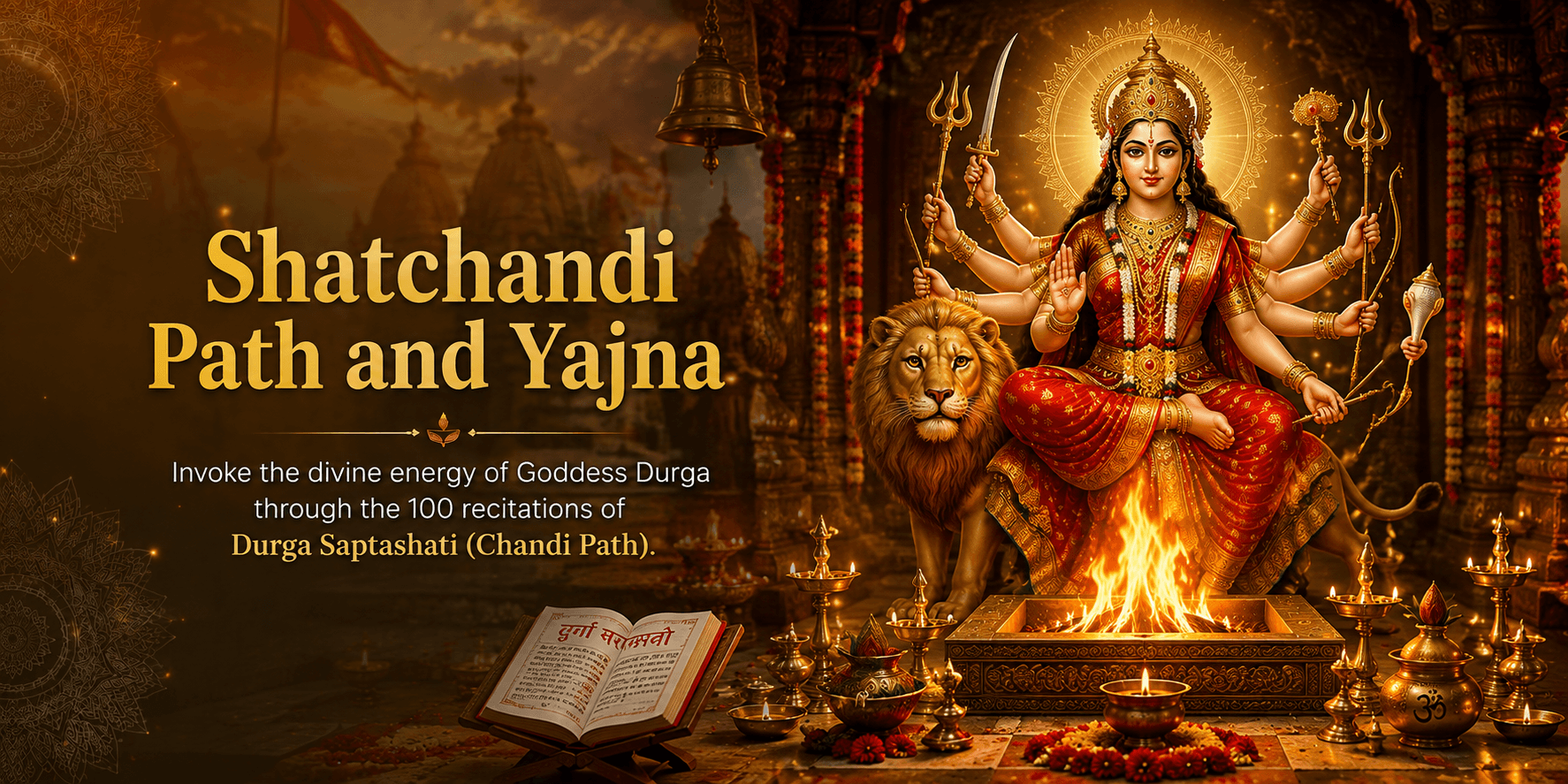
"Shatchandi Path is one of the most elevated forms of Durga worship. It involves the recitation of the Durga Saptashati not once, but one hundred times. Each repetition multiplies the power of the previous one. By the end of the path, the seven hundred verses have been chanted seventy thousand times. The Yajna runs alongside, with offerings made into the sacred fire for every section. This is the most comprehensive Durga puja in the Vedic tradition, performed when the family needs the Mother's full grace at the highest possible scale."
Gajendra Moksha Katha and Path
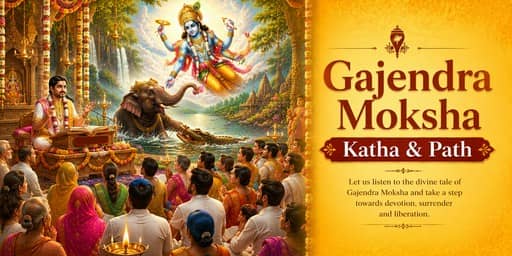
"Gajendra Moksha is one of the great tales of the Bhagavata. It tells of Gajendra, the king of elephants. A crocodile caught his leg in a lake and would not let go. Gajendra fought for years but could not break free. At last he gave up his pride and cried out to Vishnu. He held up a lotus and called the Lord with full faith. Vishnu came at once and freed him from the jaws. The tale teaches full surrender to the divine. This katha and path recite that sacred story. It brings patience, faith, and release from trouble. It frees the heart from fear and grants moksha."
Haritalika Teej Vrat Katha
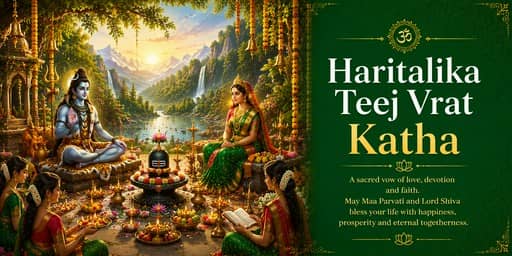
"Haritalika Teej is a sacred fast for women. It honours the union of Lord Shiva and Mata Parvati. The shastras tell how Parvati won Shiva as her husband. She did fierce penance to gain his hand. Her friend took her to the forest to help her resolve. The word Haritalika comes from that very tale. Married women keep this fast for the long life of their husband. Unmarried girls keep it to gain a good groom. They fast without food or water through the day. They worship Shiva and Parvati and hear the sacred katha. The vrat brings married joy and good fortune."