Katha Path Puja
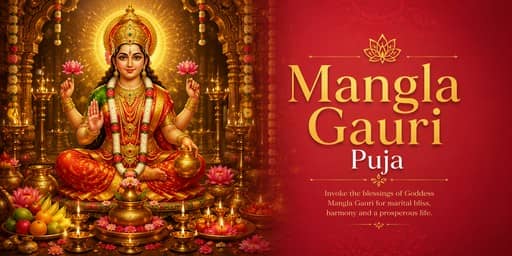
Mangla Gauri Puja
"Mangla Gauri is a loving form of Mata Parvati. She is one of the great Shakti forms revered in Kashi. The shastras hold her as the giver of married joy. Unmarried girls pray to her for a good husband. Married women pray to her for the long life of their spouse. She also blesses couples with healthy children. Her worship clears the Manglik Dosh from the chart. This dosh often delays or troubles a marriage. Mangla Gauri removes that block and smooths the path. Her grace brings peace and harmony to the home. Devotees worship her on Tuesdays and in the month of Shravan."
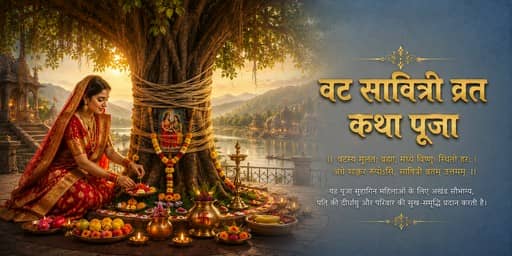
Vat Savitri Vrat Katha and Puja
"This vrat is observed by married women across India for the long life and well-being of their husbands. The story behind it is one of the most loved in Hindu tradition. Savitri's husband Satyavan was destined to die young. When Yama, the lord of death, came to take him, Savitri followed them with such unwavering devotion that Yama granted her boon after boon. Finally, she asked for Satyavan's life back. Yama, bound by his own words, returned her husband."
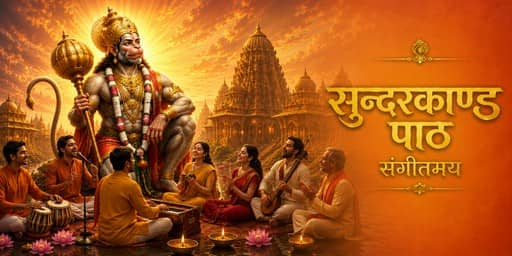
Sundarkand Path Sangeetmaya
"Sundarkand Path Sangeetmaya is the melodic, musical recitation of the Sundar Kand. The fifth chapter of the Ramcharitmanas. The same chapter where Hanuman crosses the ocean, finds Mata Sita, faces Ravana's court, and burns Lanka. The Sangeetmaya version adds melody, rhythm, and traditional instruments to the recitation. The verses are sung rather than read. The energy that results is different from a quiet path. It fills the home. It lifts the spirits of every listener. Families often book this version for celebrations, for housewarmings, and for the joyful welcome of Hanuman's grace."
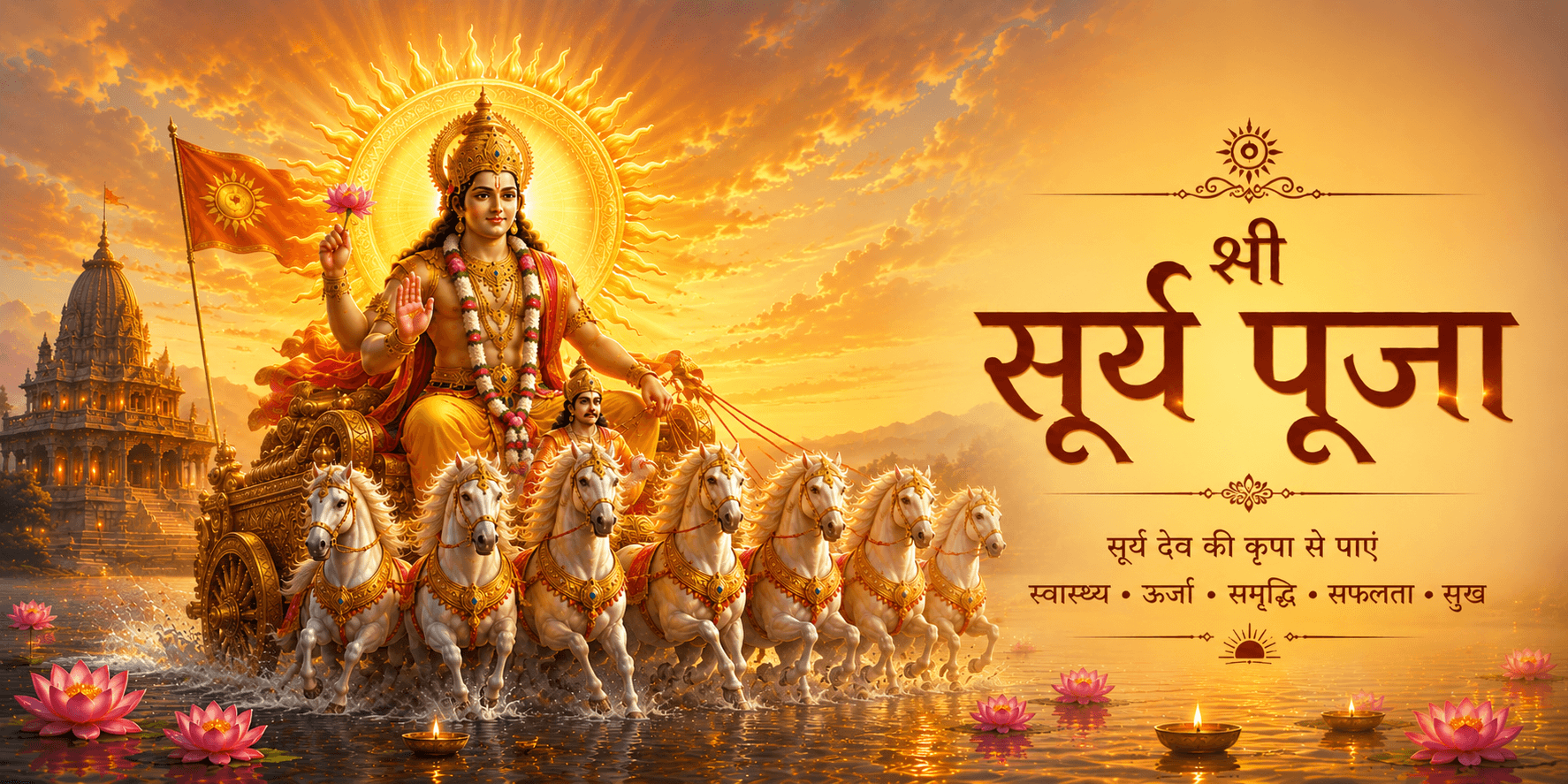
Surya Puja
"Surya is the one deity every devotee can see with their own eyes, every day. He is not a symbol. He is the visible god, the giver of life. The Vedas describe him riding his golden chariot, drawn by seven horses across the sky. In a birth chart, Surya governs the soul. He governs confidence, leadership, recognition, and the relationship with one's father. When he shines strong, the devotee is seen, heard, and respected."
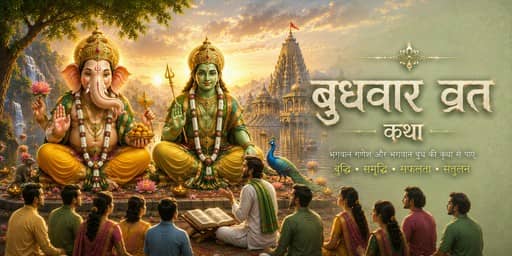
Budhwar Vrat and Katha
"Budhwar Vrat is the Wednesday vrat dedicated to Budh Dev. Wednesday itself is ruled by Budh (Mercury), the planet of intellect, communication, and skilled work. The vrat is observed by devotees seeking sharper thinking, better speech, business growth, and family happiness. Lord Ganesha and Lord Krishna are invoked alongside Budh Dev. Ganesha is the deity of intellect itself. Krishna is the master of speech and persuasion. Together with Budh, they form the most powerful combination for everything Mercury governs."
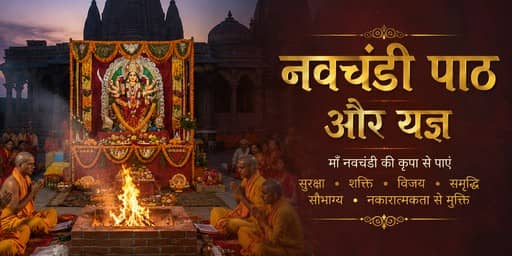
Navchandi Path and Yajna
"Navchandi Path & Yajna is one of the most elevated forms of Durga worship in the Vedic tradition. It combines the recitation of the Chandi Path (the seven hundred verses of the Devi Mahatmya) with the energy of a sacred Yajna. The Chandi Path alone is powerful. Performed with a Yajna, its force is multiplied. Each verse becomes an offering into the fire. Each offering rises directly to Maa Durga in all her nine forms."
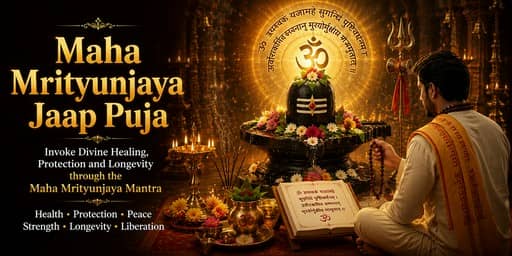
Maha Mrityunjaya Jaap Puja
"The Maha Mrityunjaya Mantra is one of the oldest prayers in the Rigveda. It is called the great death-conquering mantra. Sage Markandeya was the first to chant it. He prayed to Shiva and was saved from death itself. Devotees have chanted it ever since for healing, for safety, and for long life."
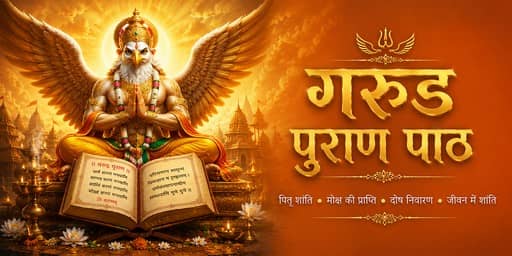
Garun Puran Path
"The Garun Puran is one of the eighteen Mahapuranas of Hindu scripture. It was narrated by Lord Vishnu himself to Garud Dev. The gentle escort of souls on their journey beyond this world. The path is performed in the days between a loved one's passing and the thirteenth-day ritual, known as Terahvin. This is the period when the soul, in Hindu belief, makes its transition from this life to the next. The Garun Puran is a guidebook for the soul. It explains what the departed will encounter on the onward journey, and the path that leads to peace."
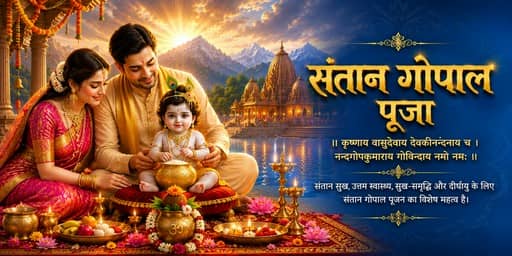
Santaan Gopal Puja
"This puja is dedicated to Krishna in his childhood form. The mischievous, butter-stealing child of Gokul. The toddler whom Yashoda Mata raised with so much love. Krishna in this form is believed to choose loving homes to be born into. Couples praying for a child have turned to this puja for centuries. The Santaan Gopal Mantra comes from the Brahma Vaivarta Purana."
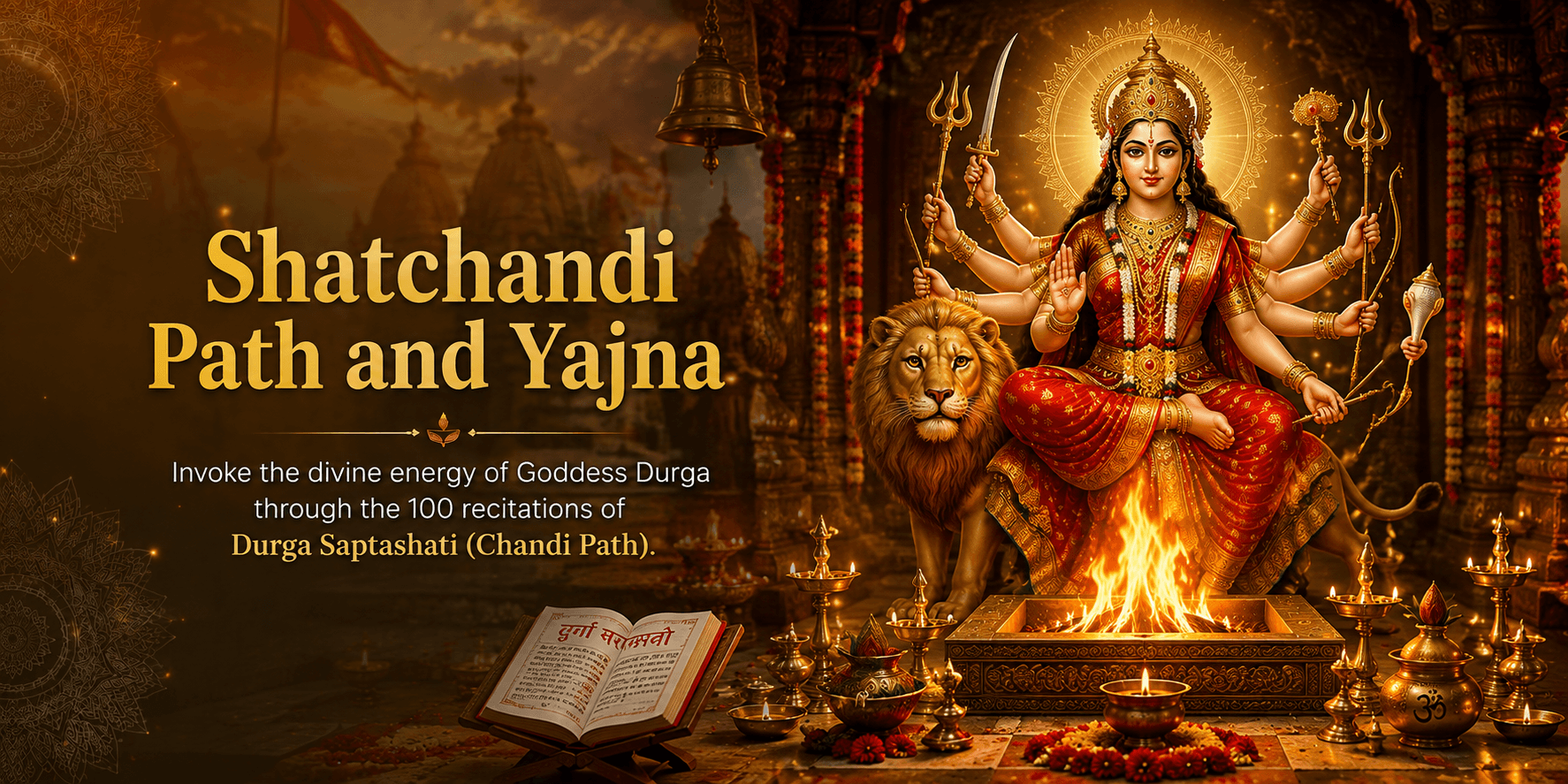
Shatchandi Path and Yajna
"Shatchandi Path is one of the most elevated forms of Durga worship. It involves the recitation of the Durga Saptashati not once, but one hundred times. Each repetition multiplies the power of the previous one. By the end of the path, the seven hundred verses have been chanted seventy thousand times. The Yajna runs alongside, with offerings made into the sacred fire for every section. This is the most comprehensive Durga puja in the Vedic tradition, performed when the family needs the Mother's full grace at the highest possible scale."
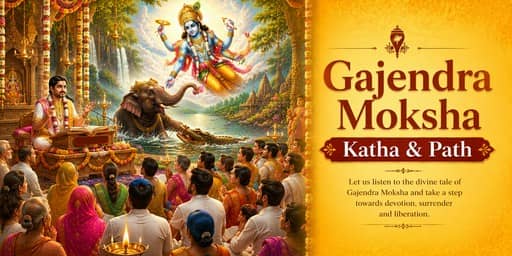
Gajendra Moksha Katha and Path
"Gajendra Moksha is one of the great tales of the Bhagavata. It tells of Gajendra, the king of elephants. A crocodile caught his leg in a lake and would not let go. Gajendra fought for years but could not break free. At last he gave up his pride and cried out to Vishnu. He held up a lotus and called the Lord with full faith. Vishnu came at once and freed him from the jaws. The tale teaches full surrender to the divine. This katha and path recite that sacred story. It brings patience, faith, and release from trouble. It frees the heart from fear and grants moksha."