
All Puja
Daily Puja
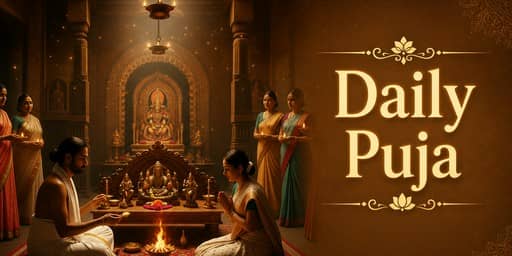
"Daily worship is the root of a faithful life. The shastras say a home with daily puja stays blessed. This service offers worship to your Ishta Devta each day. The priests carry out the rites every morning and evening. They light the lamp, offer flowers, and chant the mantras. The deity is bathed, dressed, and given bhog with care. This steady worship keeps the grace of the god close. It guards the family and clears small troubles before they grow. Business runs smoother and the mind stays calm. For those far from a temple, this puja keeps the link alive."
-dosh-nivaran-puja-651eaa3142dc48b9696749c9-92729134-s.jpg&w=3840&q=70)
Brihaspati (Guru) Dosh Nivaran Puja
"Jupiter is the most benefic of all planets in Vedic astrology. The great teacher. The cosmic father. He governs wisdom, righteousness, faith, marriage, and children. When Jupiter shines strong, life expands naturally. Partnerships form. Families grow. Wealth flows. When he is afflicted, the very things he is meant to bring become hard to receive. Marriage delays for no clear reason. Children do not come. Wisdom feels just out of reach when decisions matter most. The devotee senses the door that Jupiter normally opens is somehow shut."
Karnavedha Sanskaar Puja
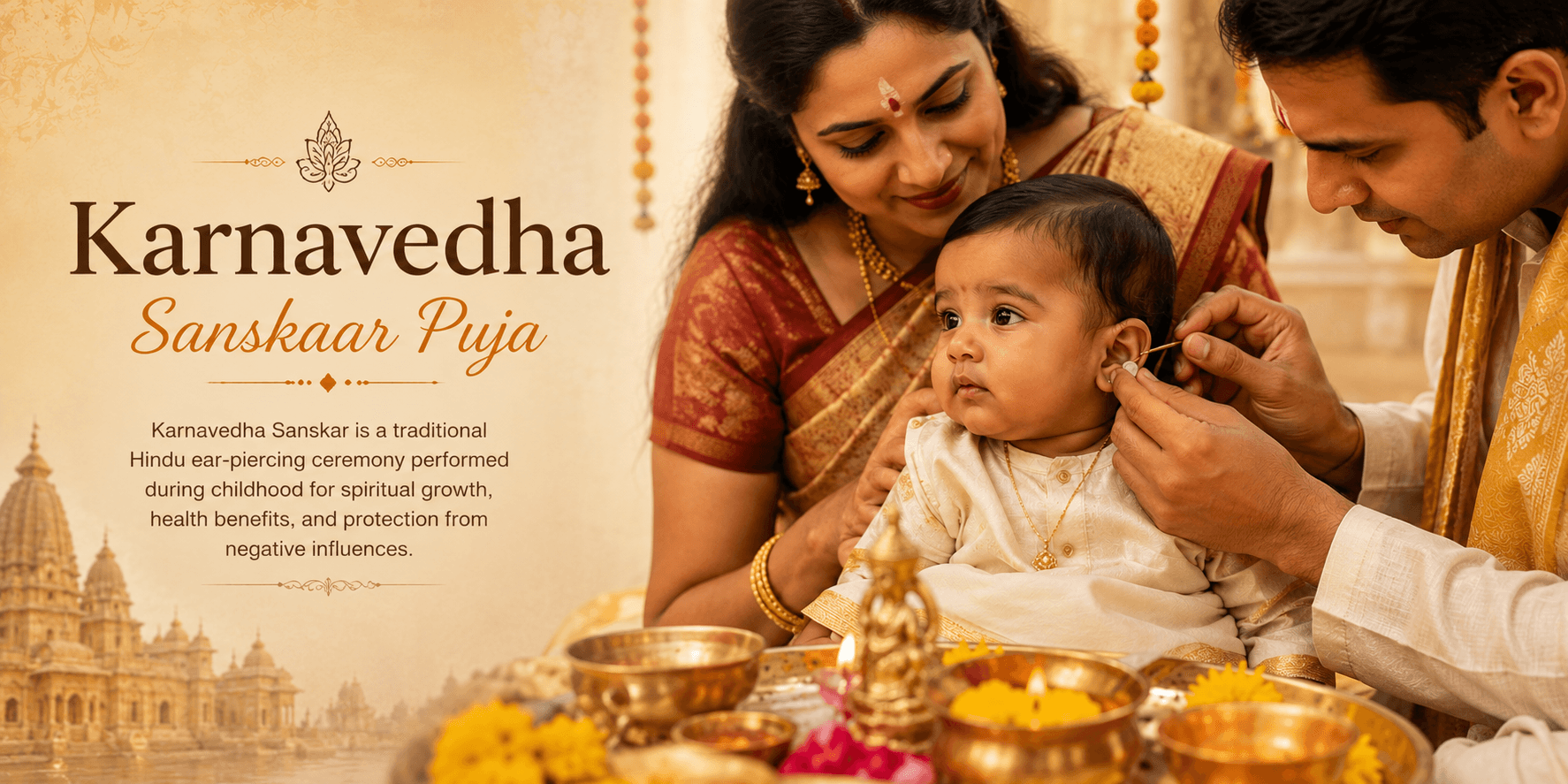
"Karnavedha is the piercing of a child's ears. It is one of the sixteen sacred sanskars of Hindu life. The rite is far older than mere custom or style. Ayurveda holds that the ear point aids health and mind. The shastras say it opens the child to sacred sound. It guards against illness and sharpens the senses. The rite is done in the early years of life. The worship begins with Ganpati to clear all blocks. Vishnu and the Ishta Devta are honoured for grace. Families gather to bless the child on this day. Done in Kashi, the rite carries the highest merit."
Rog Nivarak Rog Nashak Puja
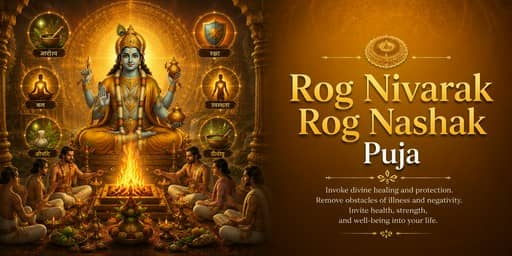
"Long illness often has roots beyond the body. Hindu tradition links chronic disease to planets and karma. When medicine alone does not heal, faith steps in to help. This puja works to lift the unseen cause of disease. It calls on the favoured god of the seeker's chart. The right deity is chosen from the horoscope itself. The worship seeks healing for body and mind together. It clears the karma that feeds the illness. It brings strength back to the weak and calm to the worried. Devotees turn to this puja in their hardest days of sickness."
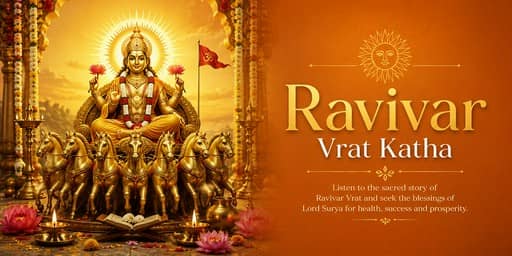
Ravivar Vrat Katha
"Ravivar Vrat is the Sunday vrat dedicated to Surya Dev. Sunday itself is named after Ravi, one of Surya's many names. The vrat is observed by devotees who seek the Sun's blessing for self-confidence, recognition, and the dignified strength that only Surya gives. Tradition holds that those who keep the Ravivar Vrat with sincerity see their reputation rise, their inner authority grow, and their public standing strengthen. The vrat is especially powerful for those whose efforts have gone unrecognised despite hard work."
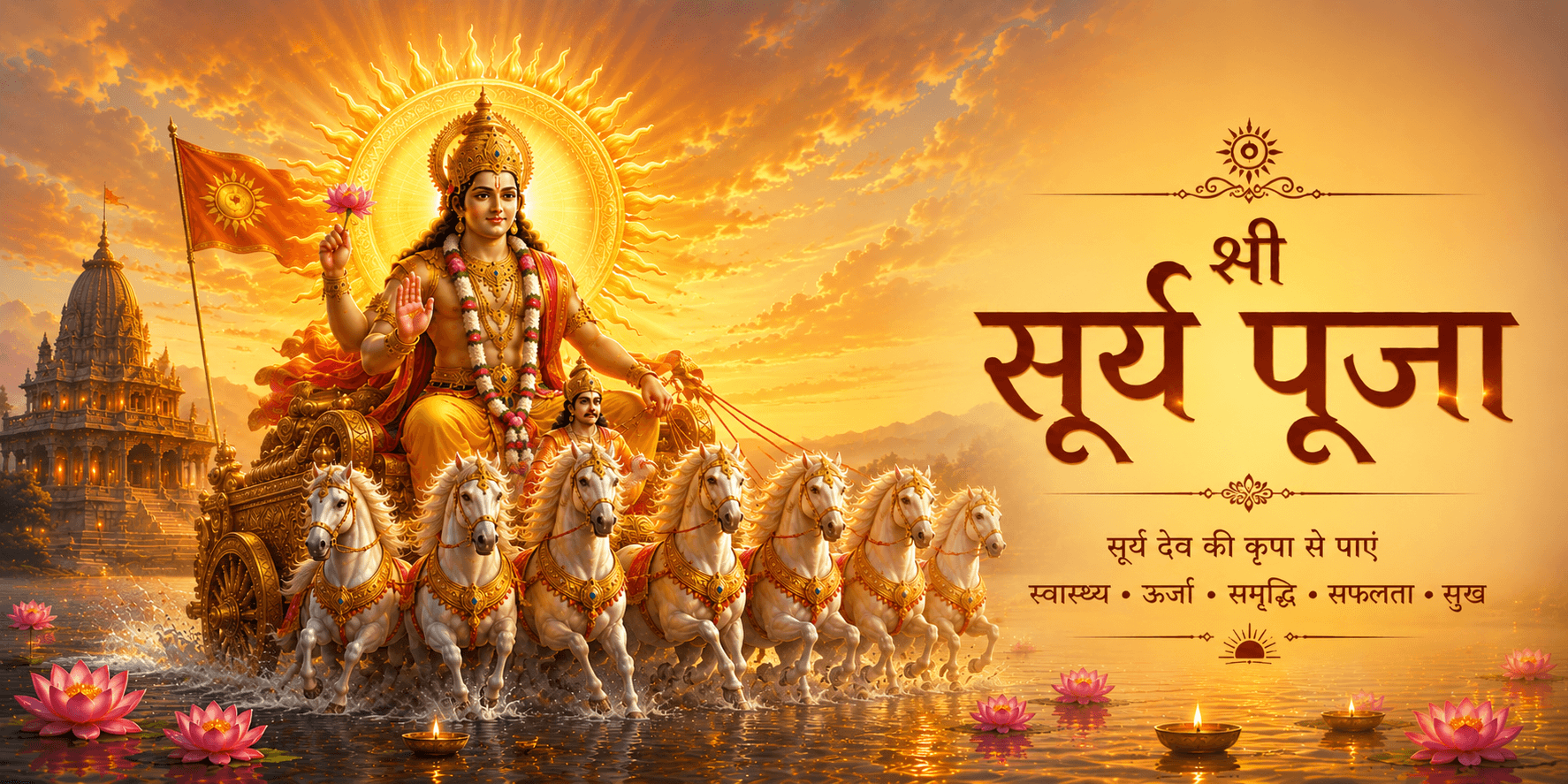
Surya Puja
"Surya is the one deity every devotee can see with their own eyes, every day. He is not a symbol. He is the visible god, the giver of life. The Vedas describe him riding his golden chariot, drawn by seven horses across the sky. In a birth chart, Surya governs the soul. He governs confidence, leadership, recognition, and the relationship with one's father. When he shines strong, the devotee is seen, heard, and respected."
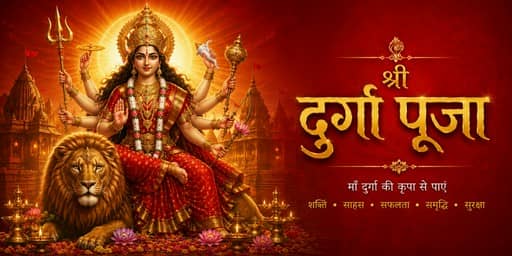
Durga Puja
"Maa Durga rides a lion. She holds eighteen weapons in her many arms. Each weapon is a gift from a different god. Her gaze is the gaze of a mother who will let nothing harm her children. The demon Mahishasura had a boon. No man, no god could kill him. He defeated even Indra. The gods released their combined energies. From that fire, Maa Durga emerged. After nine days of battle, on the tenth day, she slew Mahishasura. That day is Vijayadashami."
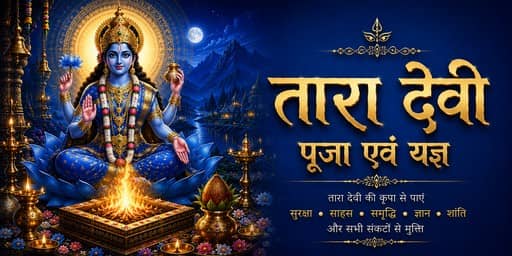
Tara Devi Puja and Yajna
"Tara Devi is the second of the ten Mahavidyas. Her name means "she who carries across." She is the goddess who carries the soul across the ocean of suffering. Across fear. Across confusion. Across the dark phases of life. She appears with a fierce form, but her energy is deeply maternal. She destroys what threatens her devotees, while holding them close. In some traditions, Tara is also worshipped as a form of Kali Mata. Wherever she is invoked, lost souls find their way home."
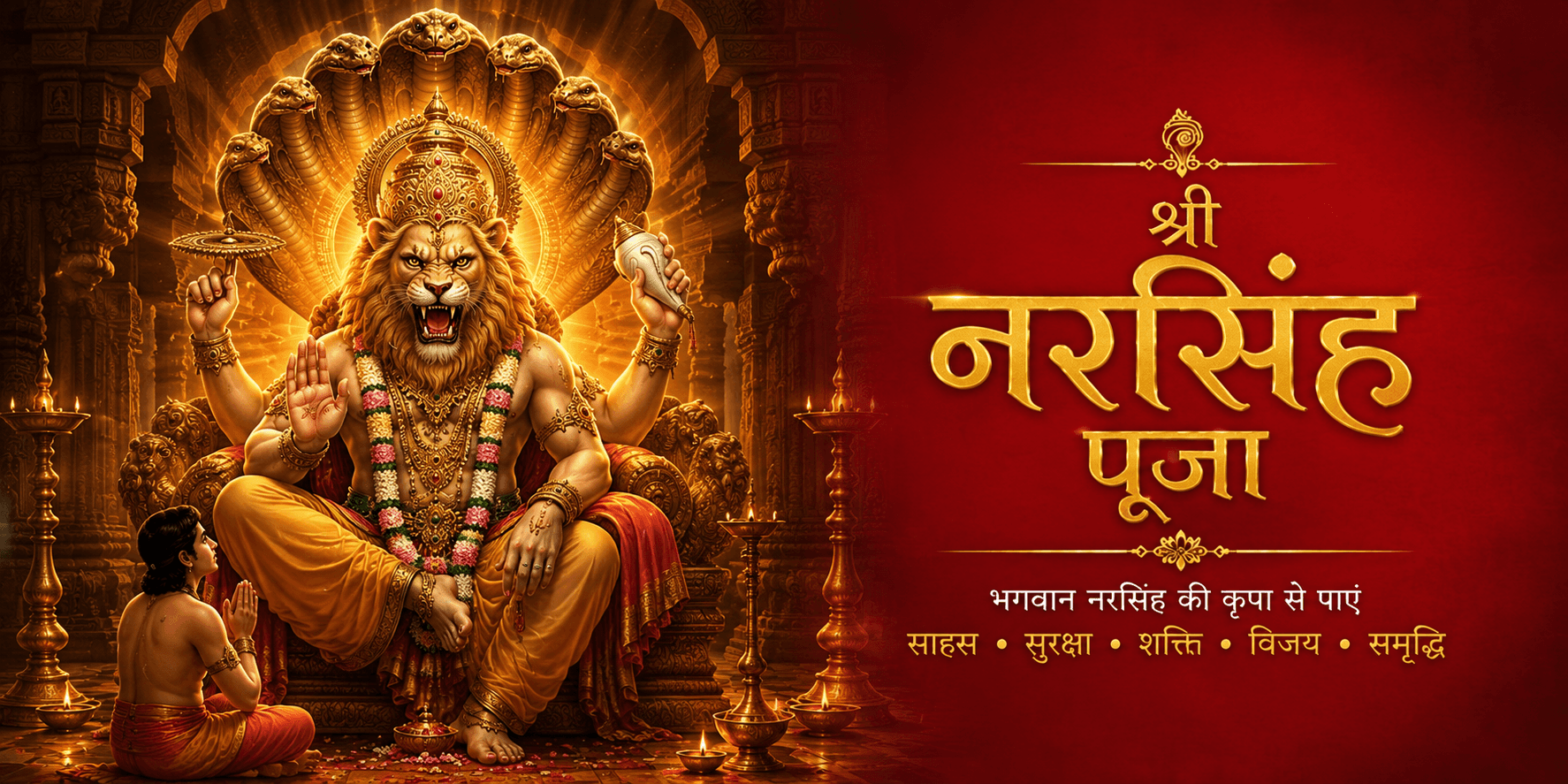
Lord Narasimha Puja
"The story of Narasimha is one of the most loved in Hindu scripture. The demon king Hiranyakashipu had earned a boon. No one could kill him. Not by man or beast. Not by day or night. Not indoors or outdoors. Not by any weapon. He tormented his own son Prahlada, a devoted bhakta of Vishnu. When he struck a pillar at twilight, Vishnu burst forth as Narasimha. Neither man nor beast. At the threshold between day and night. And he tore the demon apart."
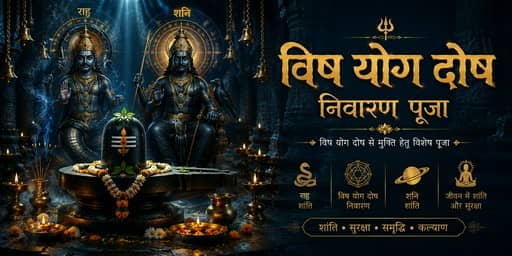
Visha Yog Dosh Nivaran Puja
"Visha Yog forms when the Moon and Saturn come together in the same house. Ancient sages named it Visha, meaning poison. When the gentle, emotional energy of the Moon merges with the cold, restrictive energy of Saturn, the blend behaves like a slow-acting poison. Quiet. Persistent. Hard to identify. The mind feels weighed down. Emotional life feels muted. Health takes a slow downward turn, often in ways that resist clear diagnosis. Income flows are restricted. Sleep becomes difficult. The devotee senses they are walking slightly out of sync with their own happiness."
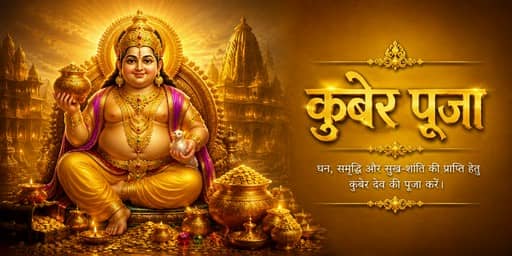
Kuber Puja
"Kuber is the treasurer of the gods. The keeper of all wealth in the universe. He once did severe penance to Lord Shiva and was rewarded with the duty of guarding the treasures of the cosmos. He lives in Alaka, the legendary city of gold in the Himalayas. Lakshmi Mata brings wealth into a home. Kuber makes sure it stays. This is the puja for stable, protected, lasting wealth."