
All Puja
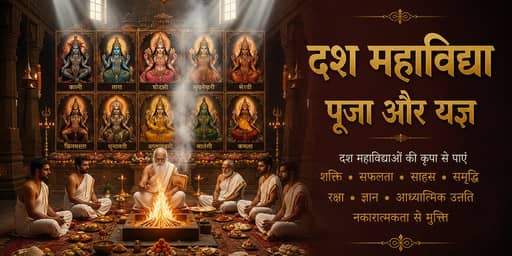
Das Mahavidya Puja and Yajna
"The Das Mahavidya are the ten supreme goddesses of the Tantric tradition. Kali. Tara. Tripura Sundari. Bhuvaneshwari. Tripur Bhairavi. Chhinnamasta. Dhumavati. Baglamukhi. Matangi. Kamala. Each one carries a different power. Each one answers a different prayer. Where individual Mahavidya pujas address one need, the Das Mahavidya Puja honours all ten together. It is the most complete Shakti puja in the entire Tantric tradition."

Naag Panchami Puja
"Naag Panchami is the festival dedicated to the serpent deities. The day falls on the fifth lunar day of Shukla Paksha in the month of Shravan. Tradition holds that on this day, the Naag Devtas (serpent gods) emerge to receive the prayers of devotees. The connection between Hindu tradition and serpents is ancient. Lord Shiva wears the serpent Vasuki as a garland. Lord Vishnu rests on the cosmic serpent Sheshnag. The very churning of the cosmic ocean was done with Vasuki as the churning rope. To worship the Sarp Devta is to honour the deep, hidden forces that hold the cosmos together."
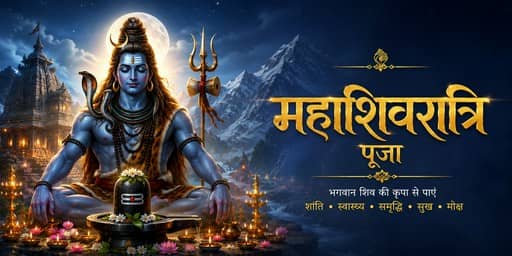
Maha Shivratri Puja
"Maha Shivratri is the great night of Shiva. The single most powerful night of the year for any Shiva worship. Tradition holds that on this night, Shiva performed the cosmic dance of creation, preservation, and destruction. Devotees stay awake through the night, chanting his name, lighting lamps, and offering bilva leaves to the Shivling. The night carries an energy that no other Shiva festival matches."
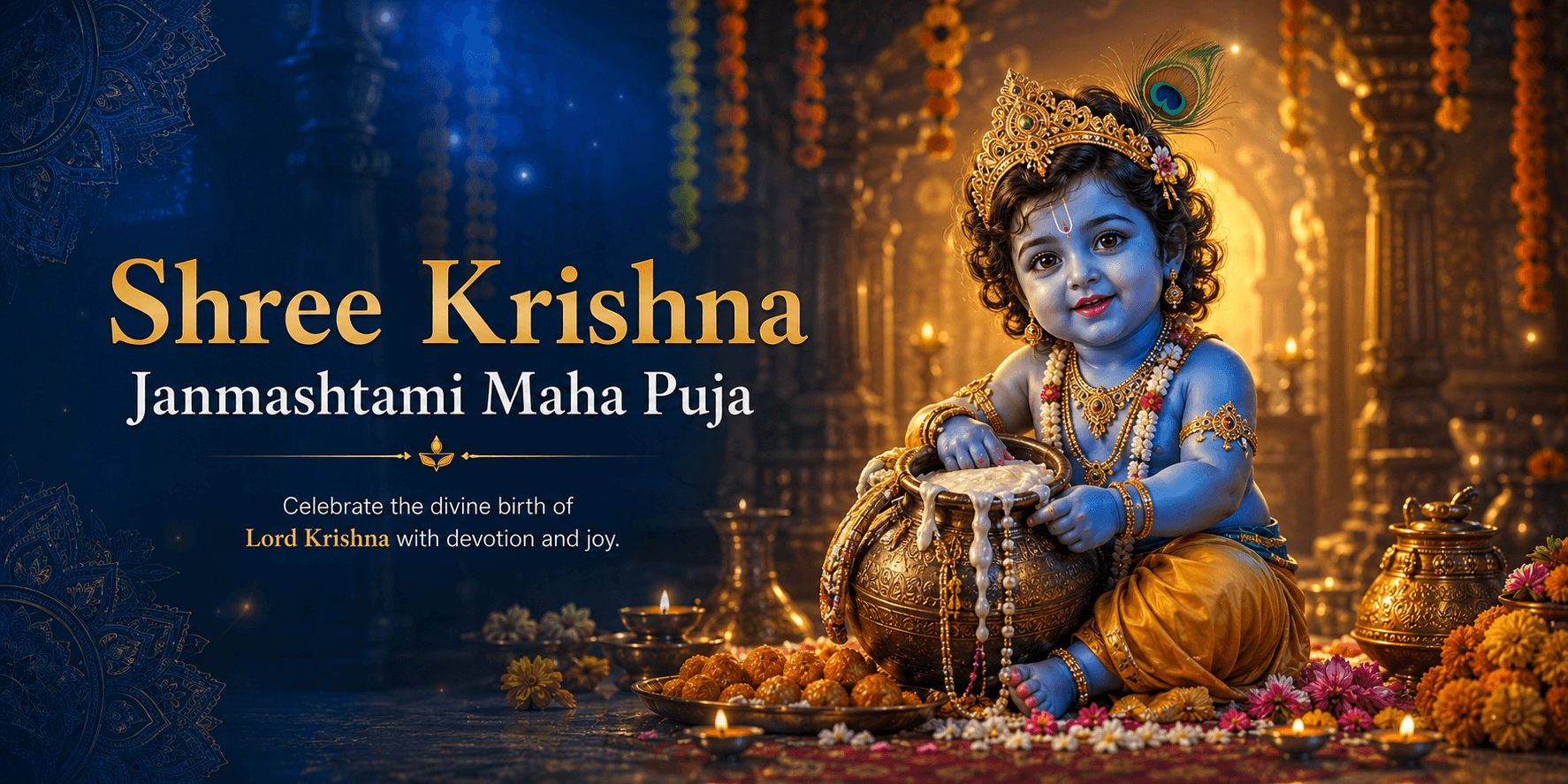
Shree Krishna Janmashtami Maha Puja
"Janmashtami is the birth anniversary of Lord Krishna. The night Vishnu took human form to end the rule of the tyrant Kansa. Tradition holds that Krishna was born in a prison cell in Mathura to Devaki and Vasudev, on the eighth lunar day of Krishna Paksha in the month of Bhadrapada. The chains fell open. The doors opened by themselves. Vasudev carried the infant across the flooded Yamuna to safety. The whole cosmos held its breath for this child's arrival. Devotees stay awake through the night, chanting his name, until the moment of his birth at midnight."
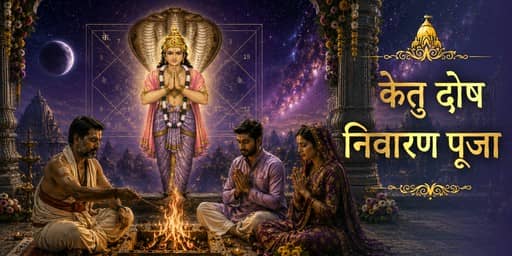
Ketu Dosh Nivaran Puja
"Ketu has no physical body either. He is the headless body of the same asura that Rahu is the head of. If Rahu is the planet of obsession, Ketu is the opposite. He is the planet of detachment, dissatisfaction, and spiritual hunger. His influence shows up quietly. A feeling of not belonging. An inability to enjoy what others find satisfying. Sudden disinterest in things that once mattered. Isolation. A deep inner ache that worldly success cannot soothe. The devotee may have everything and still feel they have nothing."
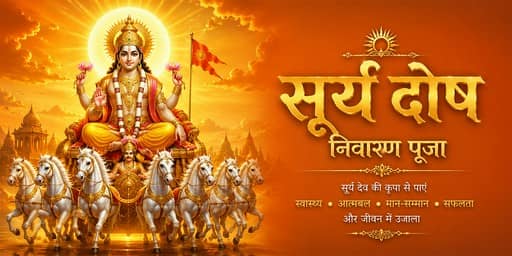
Surya Dosh Nivaran Puja
"Surya is the one deity every devotee can see with their own eyes, every day. The visible god. The giver of life. The centre of the entire solar system. In a birth chart, the Sun governs the soul, vitality, leadership, and the relationship with one's father. A Surya Grahan, the solar eclipse, is the moment his light is swallowed. The shastras treat this moment with great seriousness. A dosh born of the Grahan can dim recognition, weaken health, and hold back rightful advancement. This puja is performed to remove that shadow."
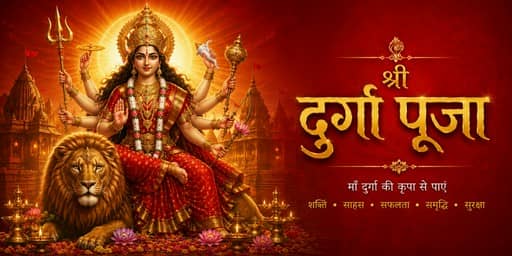
Durga Puja
"Maa Durga rides a lion. She holds eighteen weapons in her many arms. Each weapon is a gift from a different god. Her gaze is the gaze of a mother who will let nothing harm her children. The demon Mahishasura had a boon. No man, no god could kill him. He defeated even Indra. The gods released their combined energies. From that fire, Maa Durga emerged. After nine days of battle, on the tenth day, she slew Mahishasura. That day is Vijayadashami."
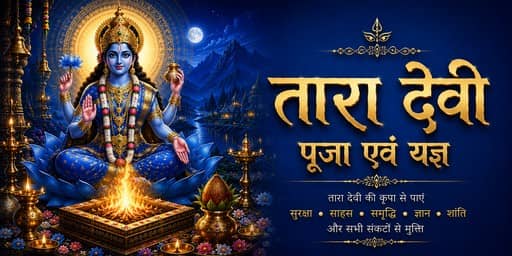
Tara Devi Puja and Yajna
"Tara Devi is the second of the ten Mahavidyas. Her name means "she who carries across." She is the goddess who carries the soul across the ocean of suffering. Across fear. Across confusion. Across the dark phases of life. She appears with a fierce form, but her energy is deeply maternal. She destroys what threatens her devotees, while holding them close. In some traditions, Tara is also worshipped as a form of Kali Mata. Wherever she is invoked, lost souls find their way home."
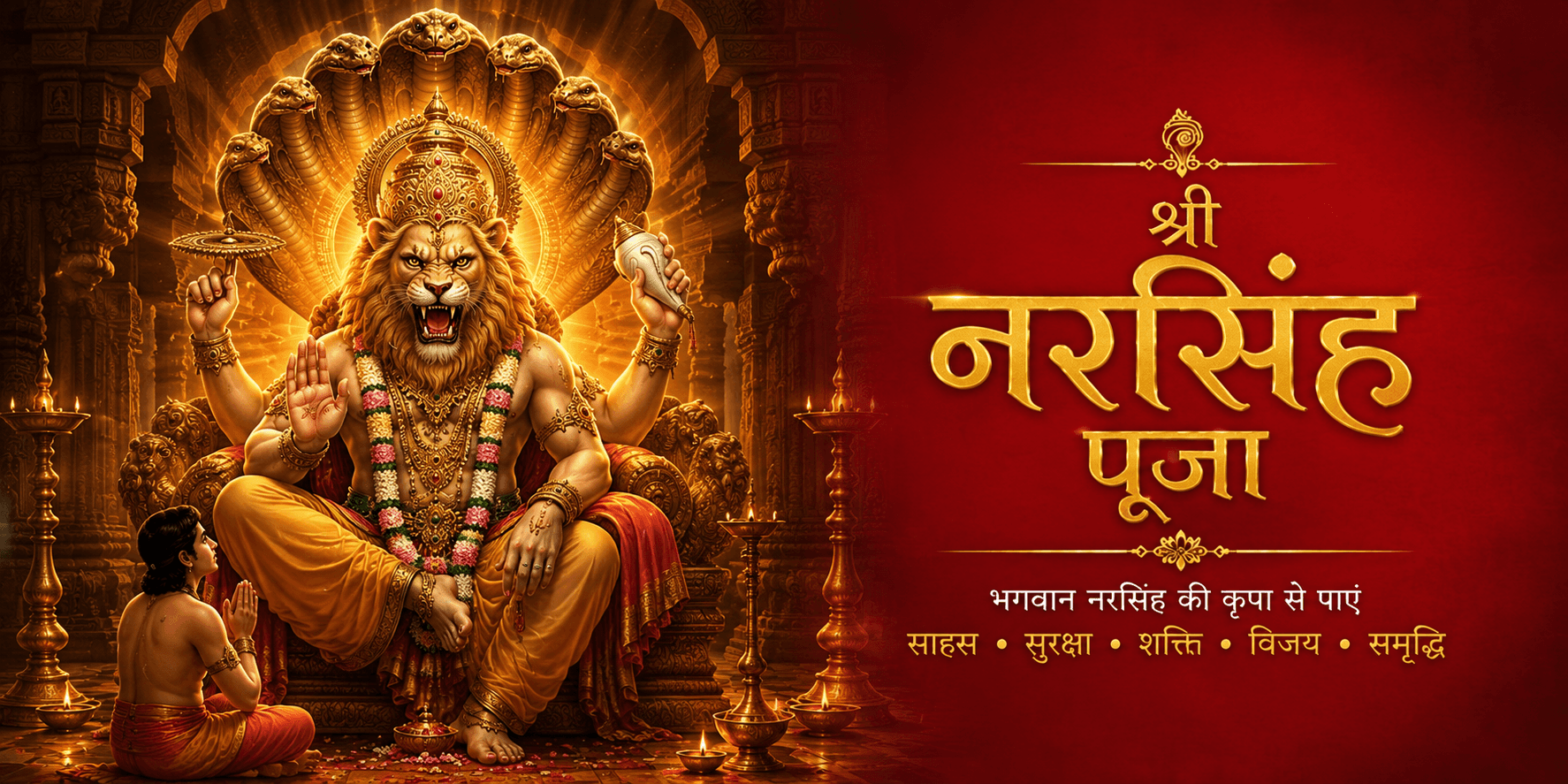
Lord Narasimha Puja
"The story of Narasimha is one of the most loved in Hindu scripture. The demon king Hiranyakashipu had earned a boon. No one could kill him. Not by man or beast. Not by day or night. Not indoors or outdoors. Not by any weapon. He tormented his own son Prahlada, a devoted bhakta of Vishnu. When he struck a pillar at twilight, Vishnu burst forth as Narasimha. Neither man nor beast. At the threshold between day and night. And he tore the demon apart."
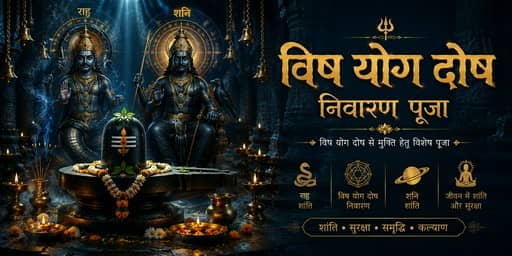
Visha Yog Dosh Nivaran Puja
"Visha Yog forms when the Moon and Saturn come together in the same house. Ancient sages named it Visha, meaning poison. When the gentle, emotional energy of the Moon merges with the cold, restrictive energy of Saturn, the blend behaves like a slow-acting poison. Quiet. Persistent. Hard to identify. The mind feels weighed down. Emotional life feels muted. Health takes a slow downward turn, often in ways that resist clear diagnosis. Income flows are restricted. Sleep becomes difficult. The devotee senses they are walking slightly out of sync with their own happiness."
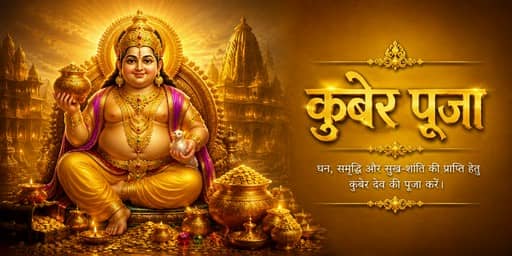
Kuber Puja
"Kuber is the treasurer of the gods. The keeper of all wealth in the universe. He once did severe penance to Lord Shiva and was rewarded with the duty of guarding the treasures of the cosmos. He lives in Alaka, the legendary city of gold in the Himalayas. Lakshmi Mata brings wealth into a home. Kuber makes sure it stays. This is the puja for stable, protected, lasting wealth."