
Intelligence
Saraswati Pujan
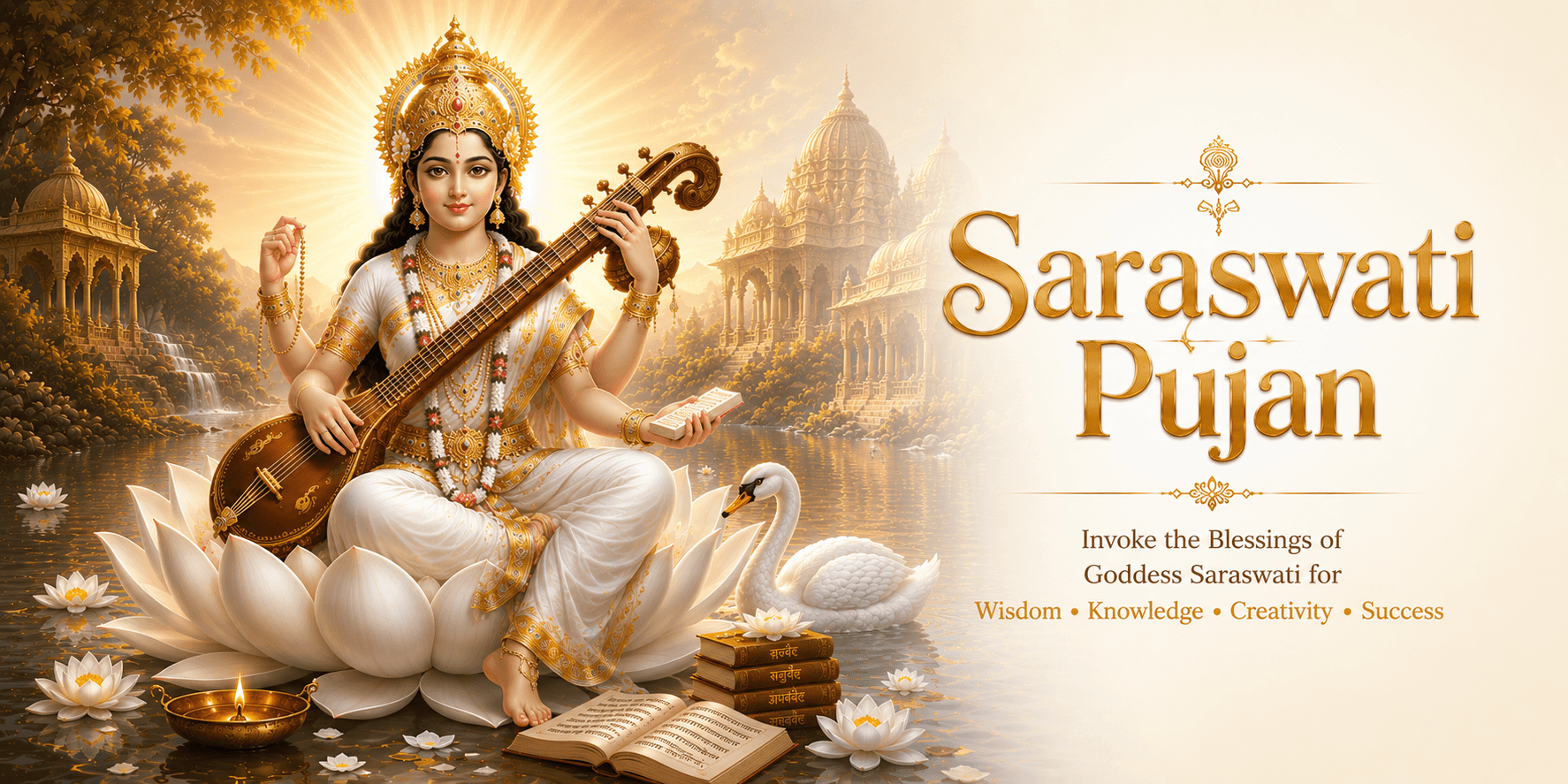
"Saraswati Mata is the goddess of all learning. She sits on a white lotus, dressed in pure white. She holds the veena. A book and a rosary rest at her side. Three great goddesses share the work of the universe. Lakshmi gives wealth. Durga gives strength. Saraswati gives the rarest gift of all. The light of true knowledge."
Durga Puja
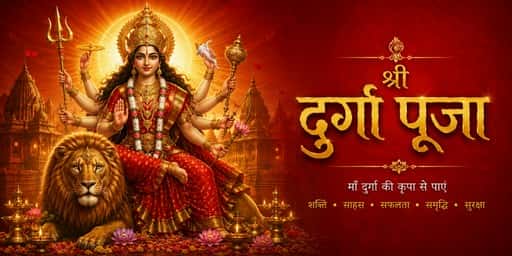
"Maa Durga rides a lion. She holds eighteen weapons in her many arms. Each weapon is a gift from a different god. Her gaze is the gaze of a mother who will let nothing harm her children. The demon Mahishasura had a boon. No man, no god could kill him. He defeated even Indra. The gods released their combined energies. From that fire, Maa Durga emerged. After nine days of battle, on the tenth day, she slew Mahishasura. That day is Vijayadashami."
Gau Daan Puja
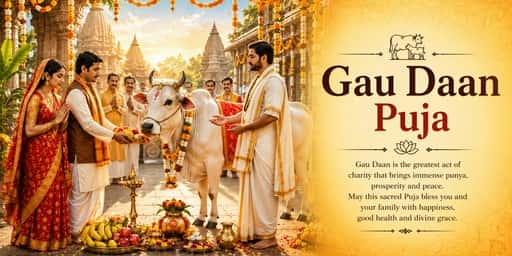
"Gau Daan means the gift of a cow. The shastras hold it as the greatest of all charity. To give a cow is to give a home to all the gods. Tradition says the cow carries the soul across after death. She helps it cross the river Vaitarani to the next world. This daan washes away the heaviest of old sins. It clears negative karma and the fear of the unknown. It is also the remedy for Nadi Dosh in a match. The gift brings the grace of Lord Krishna upon the giver. Devotees perform it before marriage and on holy days. It is one of the surest paths to moksha."

Shree Saraswati Homatmak Group Puja
"Saraswati Pujan Shree Saraswati ji is the Goddess of Education and Wisdom - Vidya and Vivek! To be blessed with good education and ability to put the same to use for the welfare of self and mankind is only possible if we have the blessings from Ma Saraswati Ji. This Puja is meant to invoke Mother of wisdom and knowledge - Ma Saraswati .and seek her blessings. This helps the devotee in having blessings for better focus (negating distraction) and great result related to Education, Knowledge and Wisdom. She also blesses anyone who is looking to make an impact in the domain of Music including singing."
-64e4a062c5190bce13e1d725-15473147.png&w=3840&q=60)
Shree Ram Mahayagya
"Lord Ram is the seventh avatar of Vishnu. The world reveres him as Maryada Purushottam, the perfect man. His life is the story of duty, truth, and honour. He kept every promise even at the cost of his throne. The Ramayan tells how he won over evil with grace. This mahayagya is a grand fire worship in his name. It calls on his strength for peace, courage, and a right path. The yajna carries the prayer to the Lord through fire. It clears strife from the home and brings calm to the mind. Devotees seek his blessing for an honest and steady life."
Upanayan Sanskar
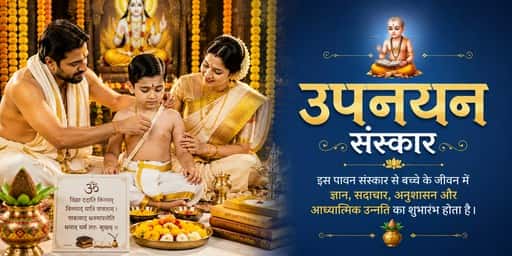
"Upanayan is the sacred thread ceremony. It is one of the sixteen great sanskars of Hindu life. It marks a boy's start on the path of learning. The word means to lead the child near to the guru. On this day the boy first wears the janeu thread. The thread holds three strands of deep meaning. The rite gives him the sacred Gayatri Mantra. It is seen as a second birth into a learned life. The worship honours the Saptarishi, the seven sages. Vasant Panchami is a favoured day for this rite. Done in Kashi, the sanskar carries the highest merit."
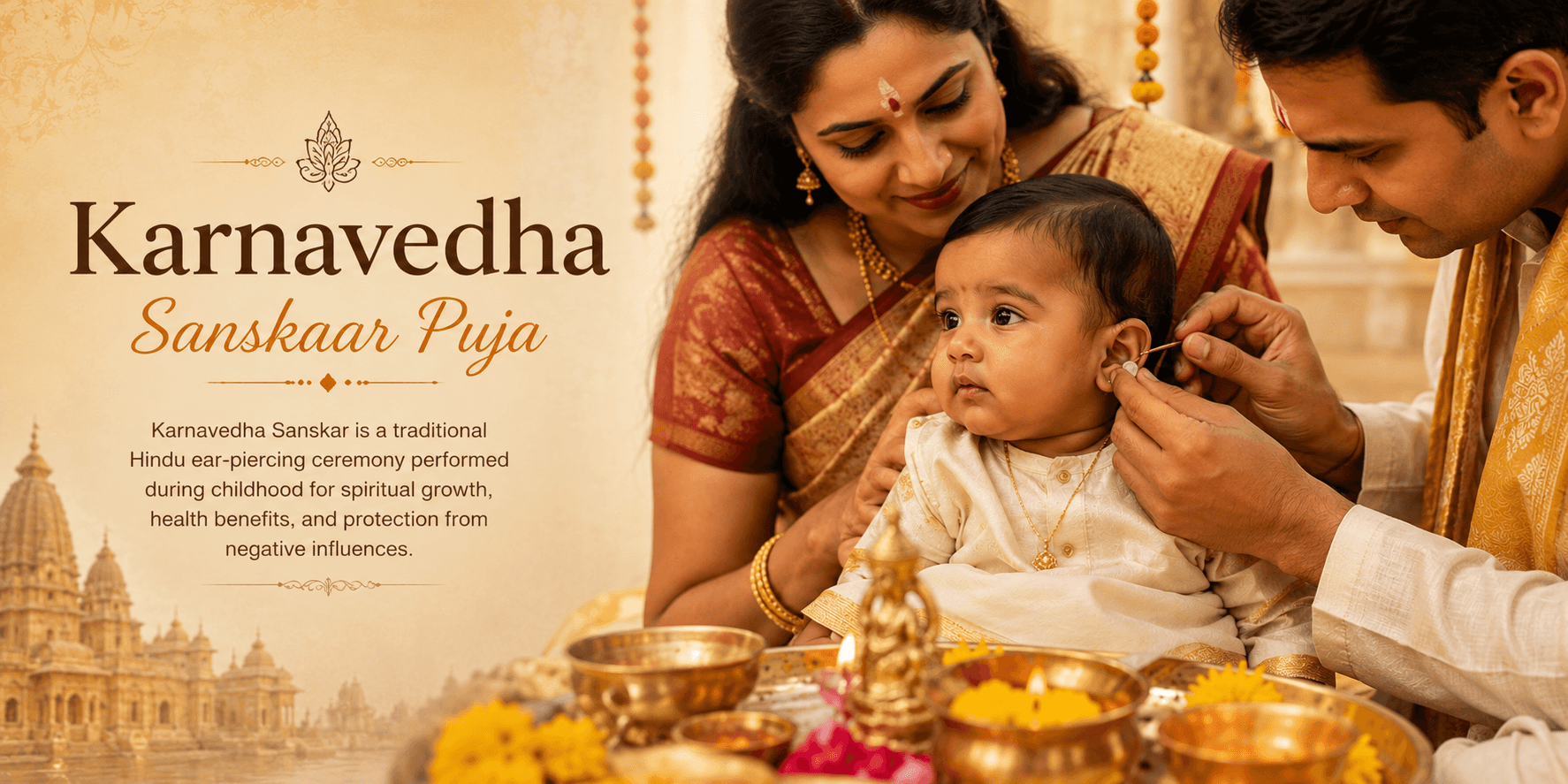
Karnavedha Sanskar Puja
"Karnavedha is the piercing of a child's ears. It is one of the sixteen sacred sanskars of Hindu life. The rite is far older than mere custom or style. Ayurveda holds that the ear point aids health and mind. The shastras say it opens the child to sacred sound. It guards against illness and sharpens the senses. The rite is done in the early years of life. The worship begins with Ganpati to clear all blocks. Vishnu and the Ishta Devta are honoured for grace. Families gather to bless the child on this day. Done in Kashi, the rite carries the highest merit."
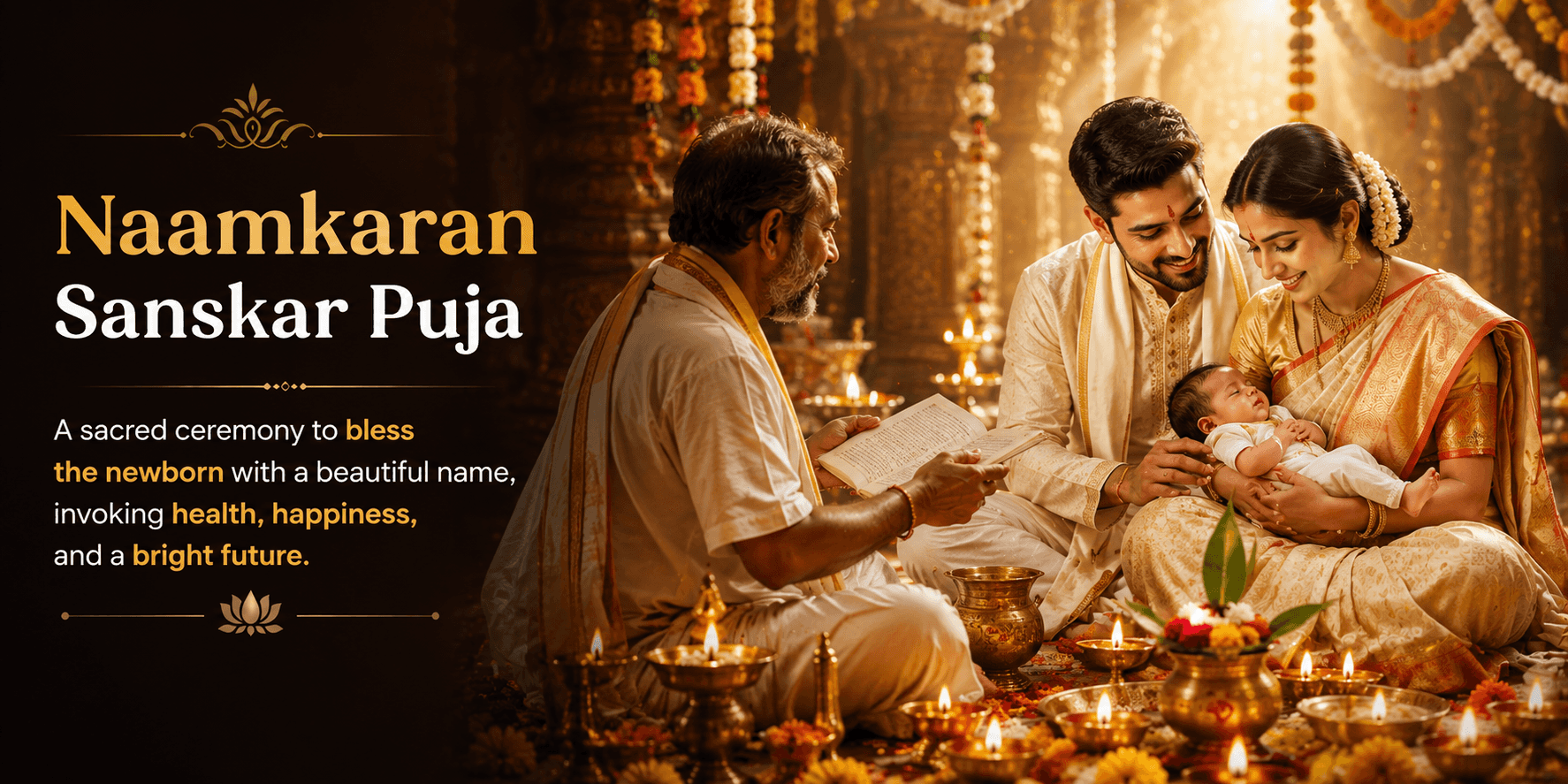
Naamkaran Sanskar Puja
"Naamkaran is the naming of a newborn child. It is one of the sixteen sacred sanskars of Hindu life. The rite is done in the first weeks after birth. The shastras lay down how the name should be chosen. The birth star and the Panchang guide the right sound. A good name is said to shape the child's path. The rite seeks blessings for the child's whole life. The worship begins with Ganpati to clear all blocks. The Panchang Dev and the Ishta Devta are honoured for grace. Family and elders gather to bless the new name. Done in Kashi, the rite carries the highest merit."
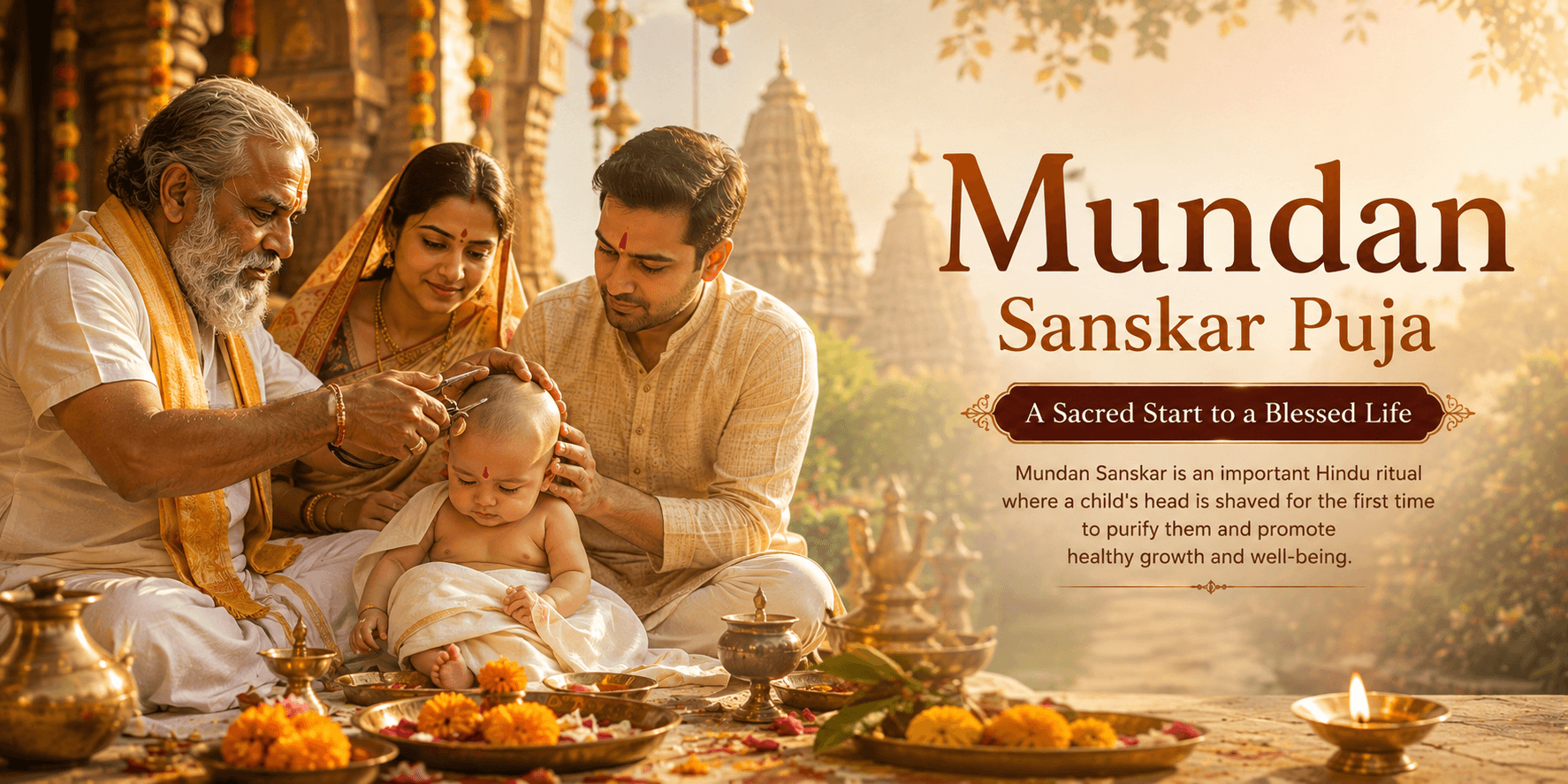
Mundan Sanskar Puja
"Mundan is the first haircut of a child. It is one of the sixteen sacred sanskars of Hindu life. The shastras say the hair from birth carries past karma. Shaving it clears that load and starts the child fresh. The rite is done in the first or third year of life. It is said to cool the head and aid the child's growth. It also brings long life and a sharp mind. The worship begins with Ganpati to clear all blocks. The Panchang Dev and Vishnu are honoured for grace. Families gather to bless the child on this day. Done in Kashi, the rite carries the highest merit."
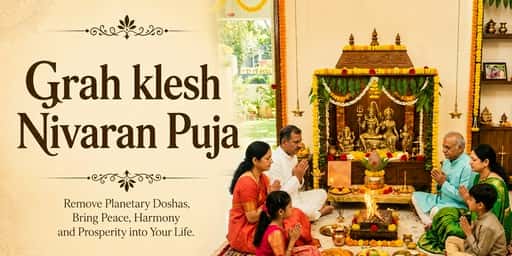
Grah Klesh Nivaran Puja
"Constant fights at home often have a hidden cause. Hindu tradition links this unrest to weak Vastu energy in the house. The Vastu Devta is the spirit that rules the home and its land. When this energy falls out of balance, peace leaves the house. Small things turn into big quarrels between family members. Money slips away, and nothing seems to settle. The puja worships the Vastu Devta to calm that energy. It clears the dosha that feeds the discord. It settles the tension and brings warmth back among the family. A balanced home then holds peace, growth, and rest."
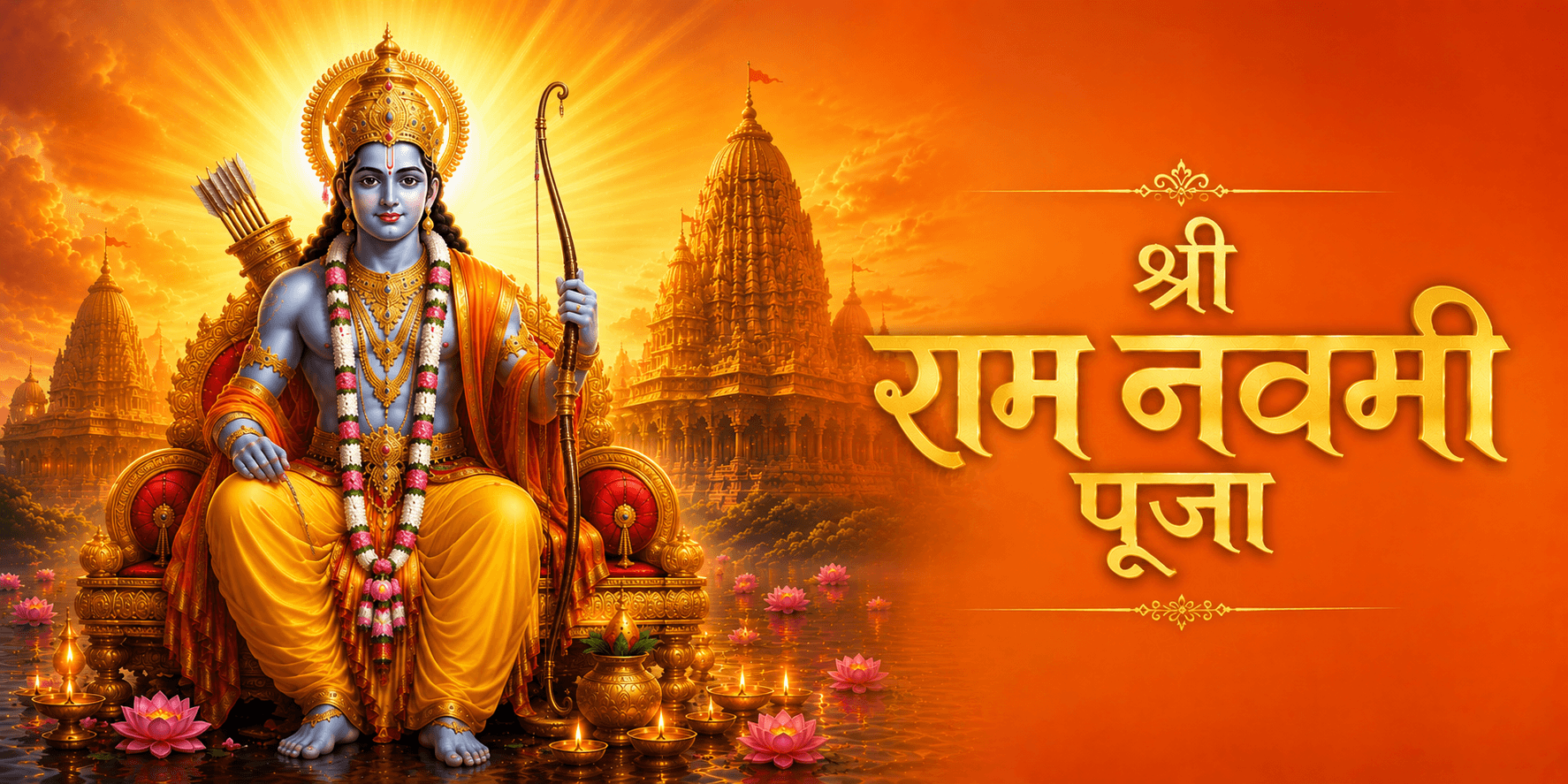
Ram Navami Puja
"Ram Navami marks the birth of Shree Ram in Ayodhya at noon on the Navami of Chaitra Shukla Paksha. His name itself is held to be greater than him, the taraka mantra that carries devotees across every difficulty. Worship offered on this tithi carries his qualities into the devotee's own life: courage without arrogance, duty without complaint, and victory that stays within dharma."
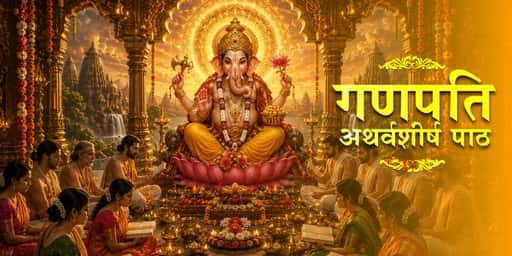
Ganapati Atharvashirsha Path
"The Ganapati Atharvashirsha is the supreme prayer to Lord Ganesha. Drawn from the Atharva Veda, it declares Ganesha not just as a deity, but as the supreme Brahman himself, the source of all reality. The text is unique in its philosophical depth. Where most Ganesha prayers ask for the removal of obstacles, the Atharvashirsha invokes Ganesha as the highest cosmic principle. To recite it as a focused path is to invite the deepest, most powerful form of Ganesha's grace into the home."