
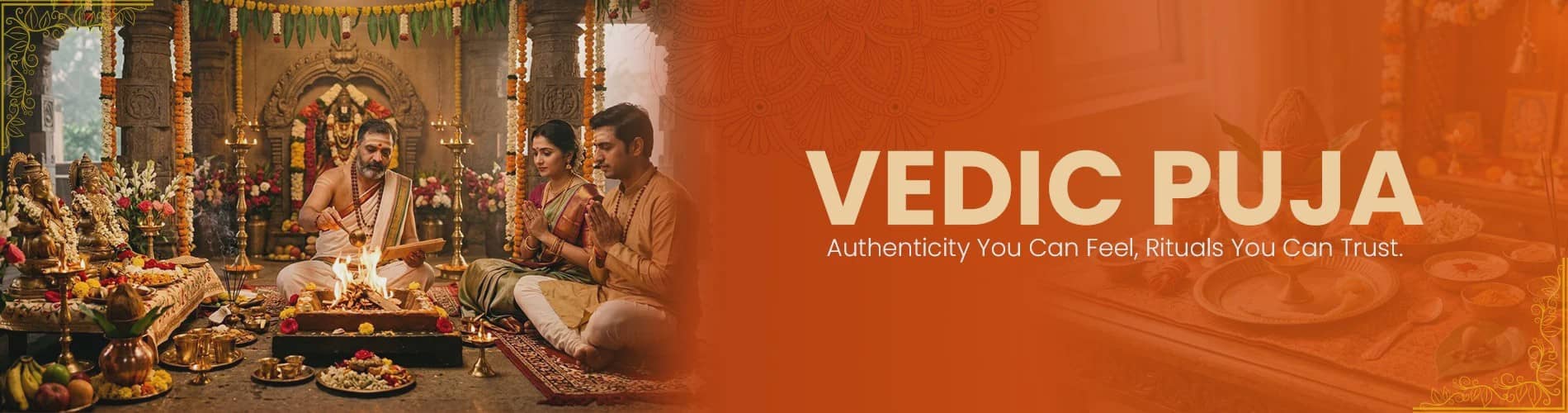
Vedic Puja
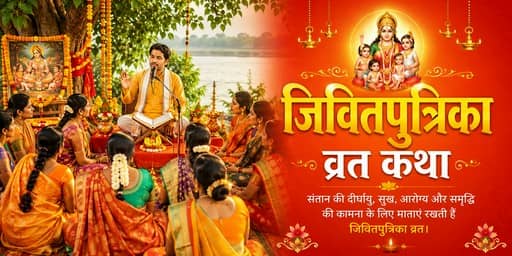
Jivitputrika Vrat Katha
"Jivitputrika is a sacred fast for the welfare of children. Mothers keep it for the long life of their sons. It is also known as Jitiya or Jiutiya. Its deity is Jimutvahan, a noble and selfless prince. The shastras tell how he gave his own life to save another. He offered himself in place of a young serpent. His sacrifice moved the gods to grant him grace. Mothers worship him for the safety of their children. They keep a strict fast without food or water. The vrat is said to guard the child from harm. It brings long life and joy to the family."
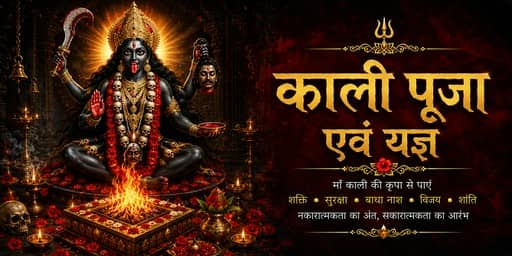
Kali Puja and Yajna
"Kali Mata is the first of the ten Mahavidyas. She is the supreme mother in her most powerful form. Dark as the night sky. Wearing a garland of skulls. Holding a sword in one hand and a severed head in the other. Standing on Lord Shiva himself, who lies beneath her in surrender. Kali is time. Kali is death. Kali is the force that destroys what must end so that what is true may rise. Her devotees turn to her not for gentle blessings but for absolute protection."
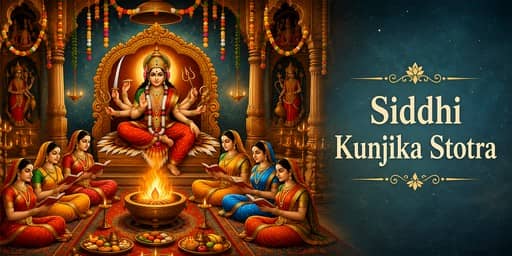
Siddhi Kunjika Stotra
"The Kunjika Stotra is a powerful hymn to Mata Durga. The word kunjika means a key, the key to all power. The shastras say it holds the strength of the whole Durga Saptashati. One recital of it is said to equal the full text. It needs no long ritual and no hard rules to bear fruit. Mata Durga herself gave this hymn to Lord Shiva. She told him to keep it secret for its great power. The stotra grants the Mother's grace swift and sure. It clears enemies, fear, and every kind of trouble. Devotees chant it for strength, success, and protection."
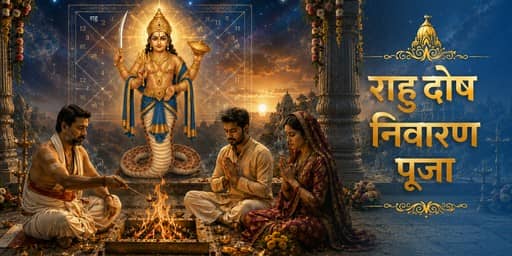
Rahu Dosh Nivaran Puja
"Rahu has no physical body. He is a shadow. The severed head of an asura who once tasted the nectar of immortality and was cursed to remain forever between worlds. He casts illusions. He magnifies desires. He unsettles whatever he touches. In a modern devotee's life, Rahu shows up as obsession, mental fog, addiction, restlessness, and sudden gains followed by sudden losses. The mind cannot rest. Sleep is troubled. Decisions are made in haste and regretted at leisure."
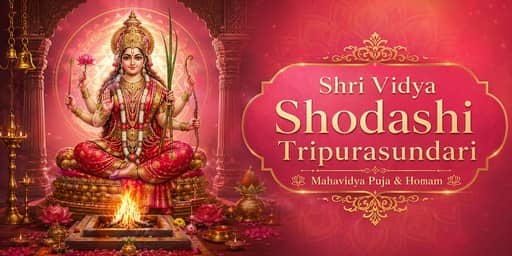
Shri Vidya Shodashi Tripurasundari Mahavidya Puja and Homam
"Tripura Sundari is the third of the ten Mahavidyas. She is also known as Shodashi, "the goddess of sixteen," and Lalita, "the playful one." Of all the Mahavidyas, she is the most beautiful. The most beloved. The most associated with abundance and grace. The tradition that honours her is called Shri Vidya, one of the most refined Tantric paths in the Hindu tradition. It is said that to please Tripura Sundari is to receive everything a devotee could want. Wealth. Beauty. Intellect. Property. The full grace of the divine feminine."
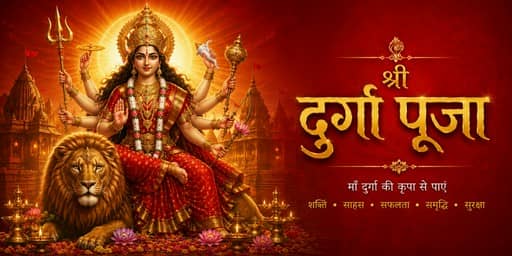
Durga Puja
"Maa Durga rides a lion. She holds eighteen weapons in her many arms. Each weapon is a gift from a different god. Her gaze is the gaze of a mother who will let nothing harm her children. The demon Mahishasura had a boon. No man, no god could kill him. He defeated even Indra. The gods released their combined energies. From that fire, Maa Durga emerged. After nine days of battle, on the tenth day, she slew Mahishasura. That day is Vijayadashami."
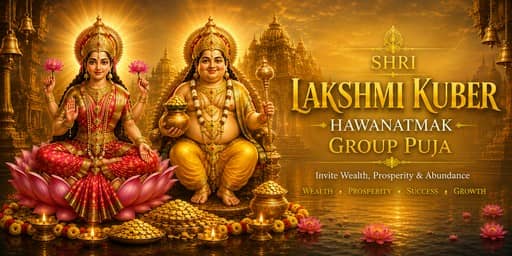
Lakshmi Kuber Hawanatmak Group Puja
"Wealth has two sides, and this hawan worships both. Lakshmi Mata is the flow of abundance, the wealth that arrives. Kuber Ji is the lord of the stored treasure, the wealth that stays. He is the treasurer of the devtas, the dikpala who guards the north, the direction of wealth itself, and the keeper of the nine nidhis, the fabled treasures of the cosmos. The tradition of worshipping them together is ancient and precise. On Dhanteras and Deepawali, Lakshmi Pujan is held incomplete without Kuber beside her. Her grace brings wealth in. His grace stops it from slipping away."
Shrapit Dosh Nivaran Puja
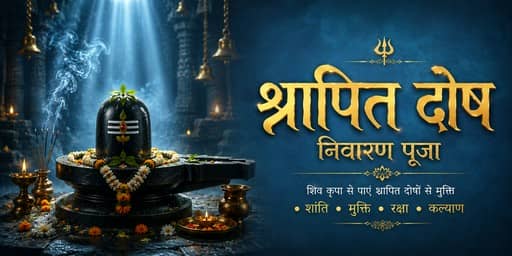
"Shrapit Dosh is one of the most demanding karmic afflictions in Vedic astrology. It forms when Rahu and Shani occupy the same house, or sit in mutual aspect. Their combined energy is so heavy that ancient sages described it as the weight of an unresolved curse from a previous lifetime. The word shrapit literally means "the cursed one." But this is not punishment. A curse is simply unfinished karma, an action whose consequences travel across lifetimes seeking resolution. The soul does not remember. But the chart does."
Katyayani Devi Puja
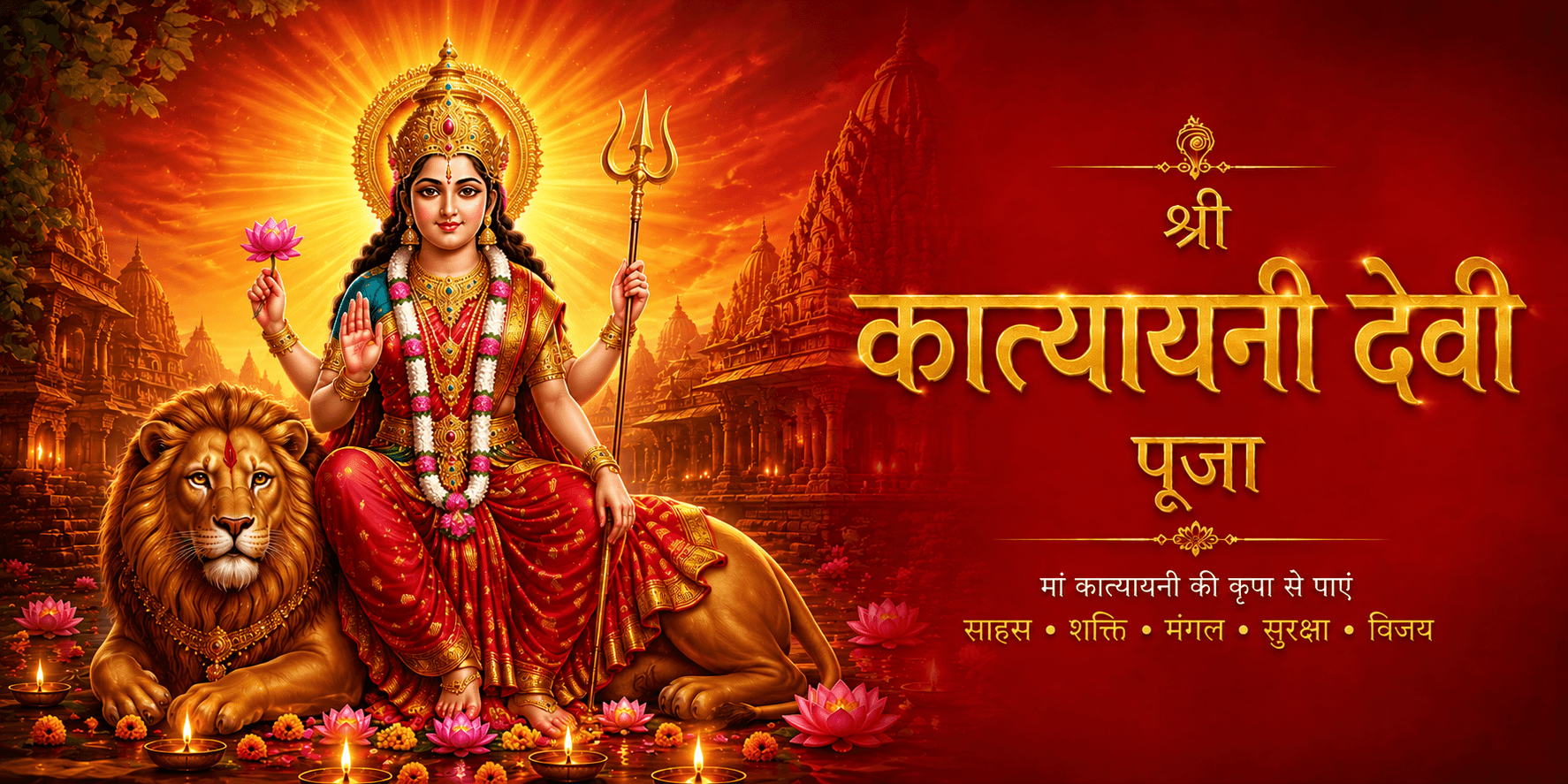
"Katyayani Mata is the sixth of the nine forms of Maa Durga. She was born to the sage Katyayana, after years of his penance, with the combined energy of Brahma, Vishnu, and Mahesh. She emerged to slay the demon Mahishasura. But her warrior origins are not why most devotees come to her. For centuries, she has been known as the granter of soulmates. The unmarried gopis of Vrindavan once prayed to her for Lord Krishna himself as their husband. She answered them."
Saraswati Pujan
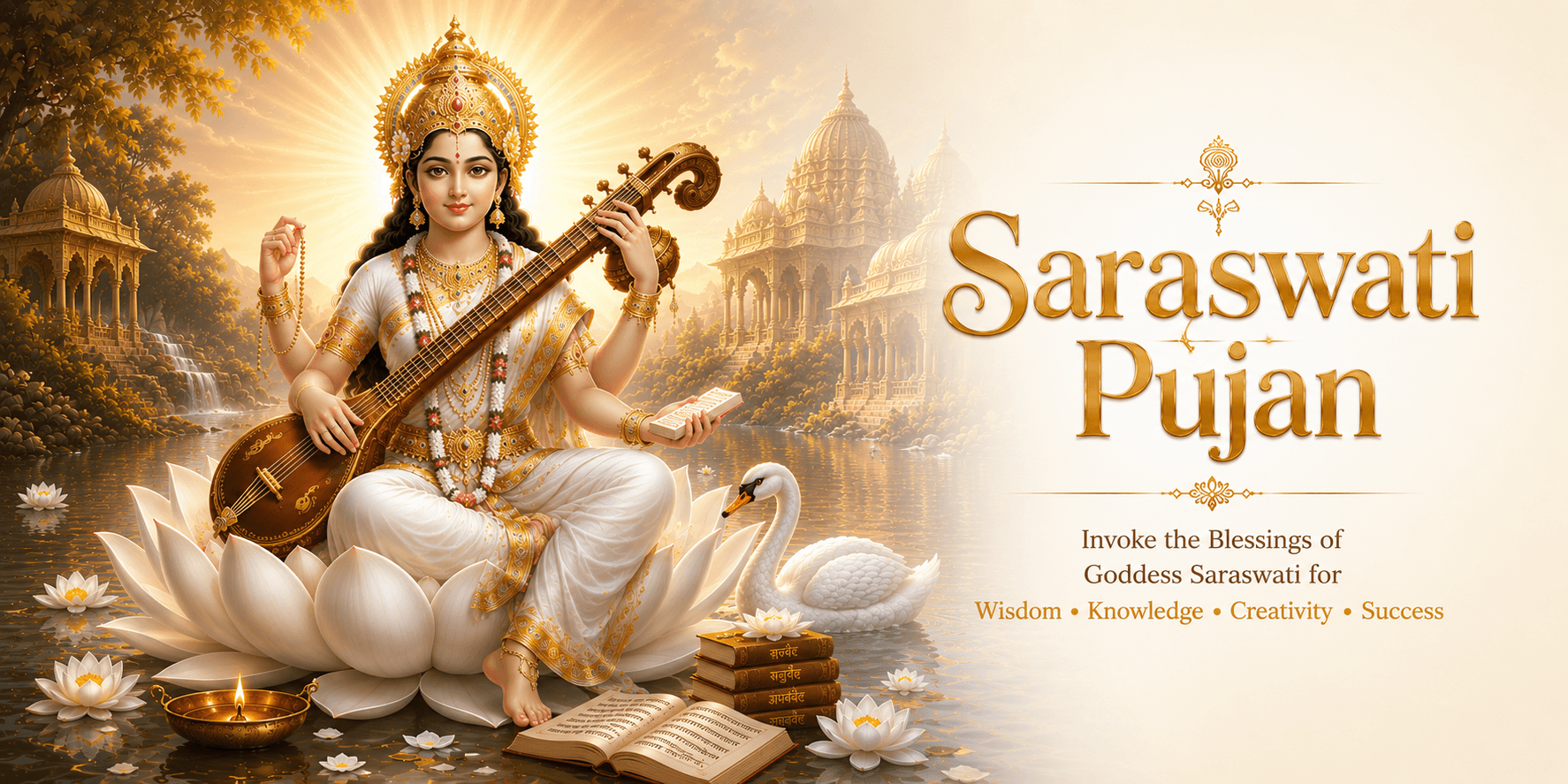
"Saraswati Mata is the goddess of all learning. She sits on a white lotus, dressed in pure white. She holds the veena. A book and a rosary rest at her side. Three great goddesses share the work of the universe. Lakshmi gives wealth. Durga gives strength. Saraswati gives the rarest gift of all. The light of true knowledge."
Arisht Gun Dosh Nivaran Puja
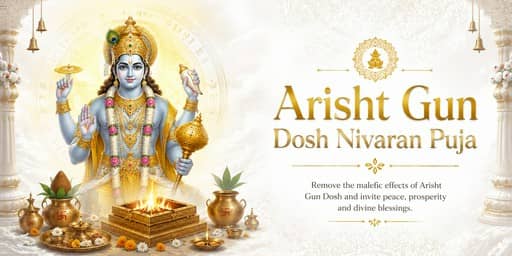
"Every birth chart carries the marks of the nine planets. Some sit in good houses and bring good results. Others fall in bad houses and turn harmful. The shastras call these harmful planets the Arishta Grah. Their bad placement blocks health, wealth, and peace. Work stalls, money slips, and worries pile up. The person tries hard but the results do not come. This puja finds the planets that cause the harm. It calms them through their own mantras and offerings. Once settled, they stop their harm and turn kind. The chart then opens the way to good results."