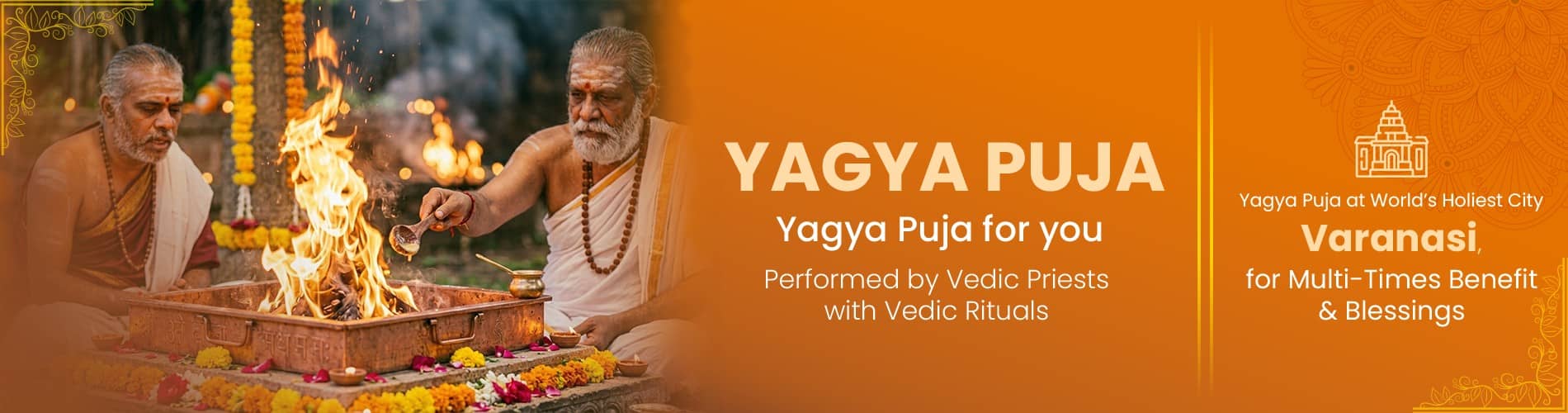
Yagya Puja
-64e4a062c5190bce13e1d725-15473147.png&w=3840&q=70)
Shree Ram Mahayagya
"Lord Ram is the seventh avatar of Vishnu. The world reveres him as Maryada Purushottam, the perfect man. His life is the story of duty, truth, and honour. He kept every promise even at the cost of his throne. The Ramayan tells how he won over evil with grace. This mahayagya is a grand fire worship in his name. It calls on his strength for peace, courage, and a right path. The yajna carries the prayer to the Lord through fire. It clears strife from the home and brings calm to the mind. Devotees seek his blessing for an honest and steady life."
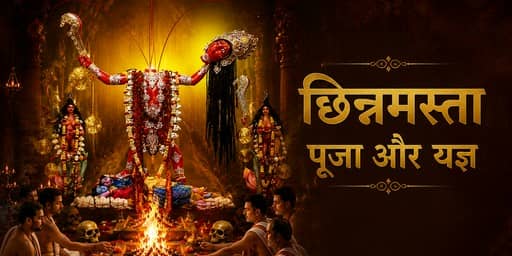
Chhinnamasta Puja and Yajna
"Chhinnamasta Mata is the sixth of the ten Mahavidyas. Her image is one of the most powerful in all of Hindu tradition. She holds her own severed head in one hand, and a sword in the other. Three streams of blood flow from her neck. One nourishes her own head. Two nourish her companions. She is the goddess of supreme sacrifice and supreme freedom. Devotees turn to her when life calls for letting go of what is comfortable, when courage must overcome fear, and when ordinary protection is not enough."
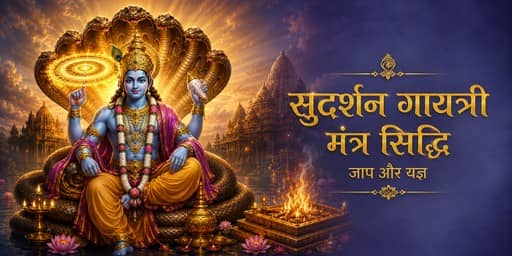
Sudarshan Gayatri Mantra Siddhi Jaap and Yajna
"Sudarshan is the spinning discus held by Lord Vishnu. The weapon of dharma. The destroyer of negativity. Wherever Sudarshan moves, evil cannot stand. The Sudarshan Gayatri Mantra is one of the most powerful mantras in the Vedic tradition. It invokes the protective and destructive power of the discus itself. Devotees turn to this puja when enemies have grown strong, when negative energies have settled, when business is sinking, and when money lost needs to return."
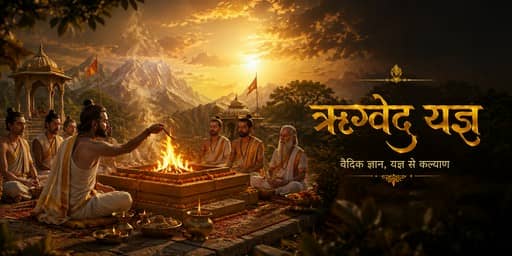
Rigveda Yajna
"The Rigveda is the oldest scripture in the Hindu tradition. The first of the four Vedas. Composed thousands of years ago, it contains over a thousand hymns dedicated to the gods, with the largest number addressed to Indra (the king of the gods) and Agni (the sacred fire). The Rigveda Yajna is the fire ritual built around these original hymns. It is one of the most powerful and most ancient yajnas in existence. To have it performed is to participate in the same tradition that the earliest sages of India established."
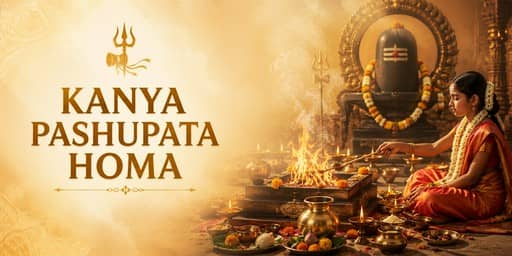
Kanya Pashupata Homam
"Kanya Pashupata Homam is performed for unmarried young women (kanyas) seeking the blessing of marriage and a loving life partner. The puja invokes Shiva in his form as Pashupati, the lord of all beings. In Hindu tradition, Shiva is the ideal husband. He is the husband of Parvati Mata, whose own penance to win him is one of the most beloved stories in scripture. Unmarried young women have, for centuries, prayed to Shiva for a partner blessed with the qualities they seek."
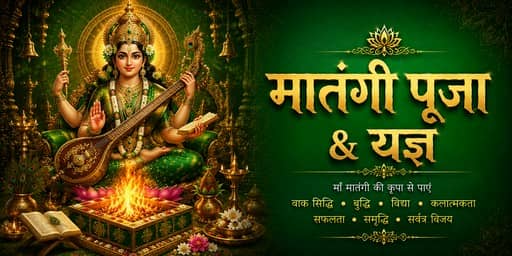
Matangi Puja and Yajna
"Matangi Mata is the ninth of the ten Mahavidyas. She is the Tantric form of Saraswati Mata. The goddess of knowledge, music, speech, and the arts in their deepest expression. Where ordinary Saraswati blesses students and artists, Matangi blesses those who seek mastery. She gives command over speech, command over learning, command over the inner voice that turns thought into truth. Her devotees include scholars, writers, musicians, artists, and anyone whose work depends on the power of expression."
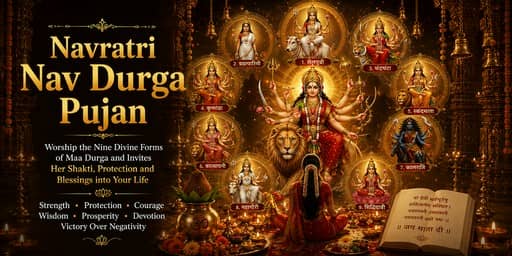
Navratri Nav Durga Pujan
"Navratri is nine nights of devotion to Maa Durga. Each night honours one of her nine forms. Shailputri, Brahmacharini, Chandraghanta, Kushmanda, Skandamata, Katyayani, Kaalratri, Mahagauri, and Siddhidatri. The first three days bring strength. The next three bring prosperity. The final three bring wisdom. By the ninth night, the devotee has been blessed by every form of the Mother."
Durga Puja
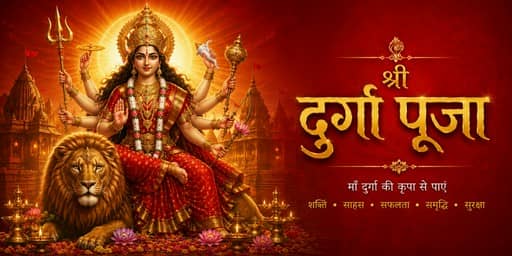
"Maa Durga rides a lion. She holds eighteen weapons in her many arms. Each weapon is a gift from a different god. Her gaze is the gaze of a mother who will let nothing harm her children. The demon Mahishasura had a boon. No man, no god could kill him. He defeated even Indra. The gods released their combined energies. From that fire, Maa Durga emerged. After nine days of battle, on the tenth day, she slew Mahishasura. That day is Vijayadashami."
Indrakshi Puja
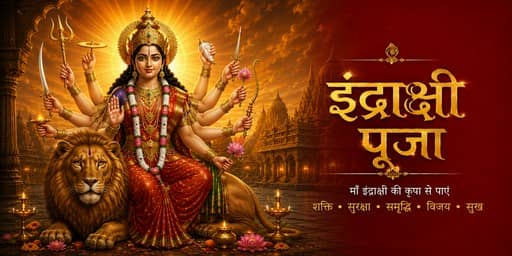
"Indrakshi Mata is one of the most powerful protective goddesses in the Vedic tradition. Her name means "she with the eyes of Indra." The Indrakshi Stotra was first taught by Lord Indra himself to sage Brihaspati. It is recited for protection from disease, from enemies, and from the unseen forces that can harm a devotee. For centuries, families have turned to this puja during prolonged illness, mysterious afflictions, and times when conventional remedies have not worked."
Kamla Devi Puja and Yajna
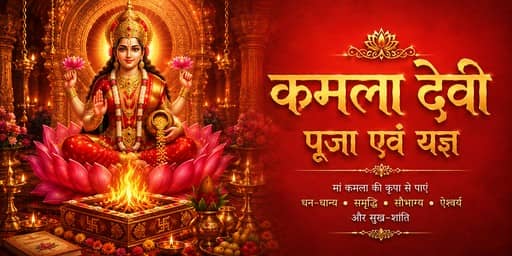
"Kamala Devi is the tenth and final of the ten Mahavidyas. She is the Tantric form of Lakshmi Mata. The goddess of supreme wealth, abundance, and good fortune. She sits upon a lotus, with elephants pouring sacred water over her head. Where Lakshmi gives wealth in its everyday form, Kamala gives wealth in its highest, most enduring form. Spiritual abundance. Material prosperity. The fortune that lasts across generations. This is one of the most powerful pujas for wealth and family lineage."
Gau Puja (Kamdhenu)
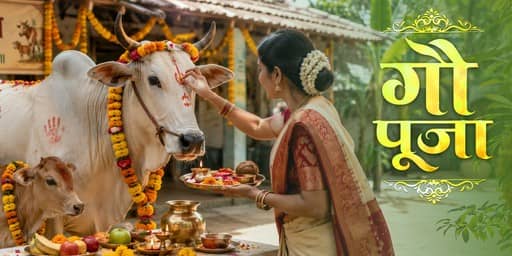
"Kamdhenu is the divine cow of Hindu tradition. The wish-fulfilling cow who emerged from the cosmic ocean during the great churning. Her name means "the cow of desires." Tradition holds that whoever worships Kamdhenu receives whatever they ask for, because she carries within her body all the gods, all the sacred rivers, and all the elements of the cosmos. She is also called Surabhi, "the fragrant one," and is the divine mother of all cows on earth. To worship Kamdhenu is to ask the most generous mother of the universe for her blessing."