
Yagya Puja
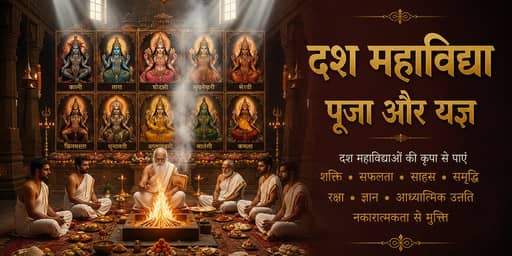
Das Mahavidya Puja and Yajna
"The Das Mahavidya are the ten supreme goddesses of the Tantric tradition. Kali. Tara. Tripura Sundari. Bhuvaneshwari. Tripur Bhairavi. Chhinnamasta. Dhumavati. Baglamukhi. Matangi. Kamala. Each one carries a different power. Each one answers a different prayer. Where individual Mahavidya pujas address one need, the Das Mahavidya Puja honours all ten together. It is the most complete Shakti puja in the entire Tantric tradition."
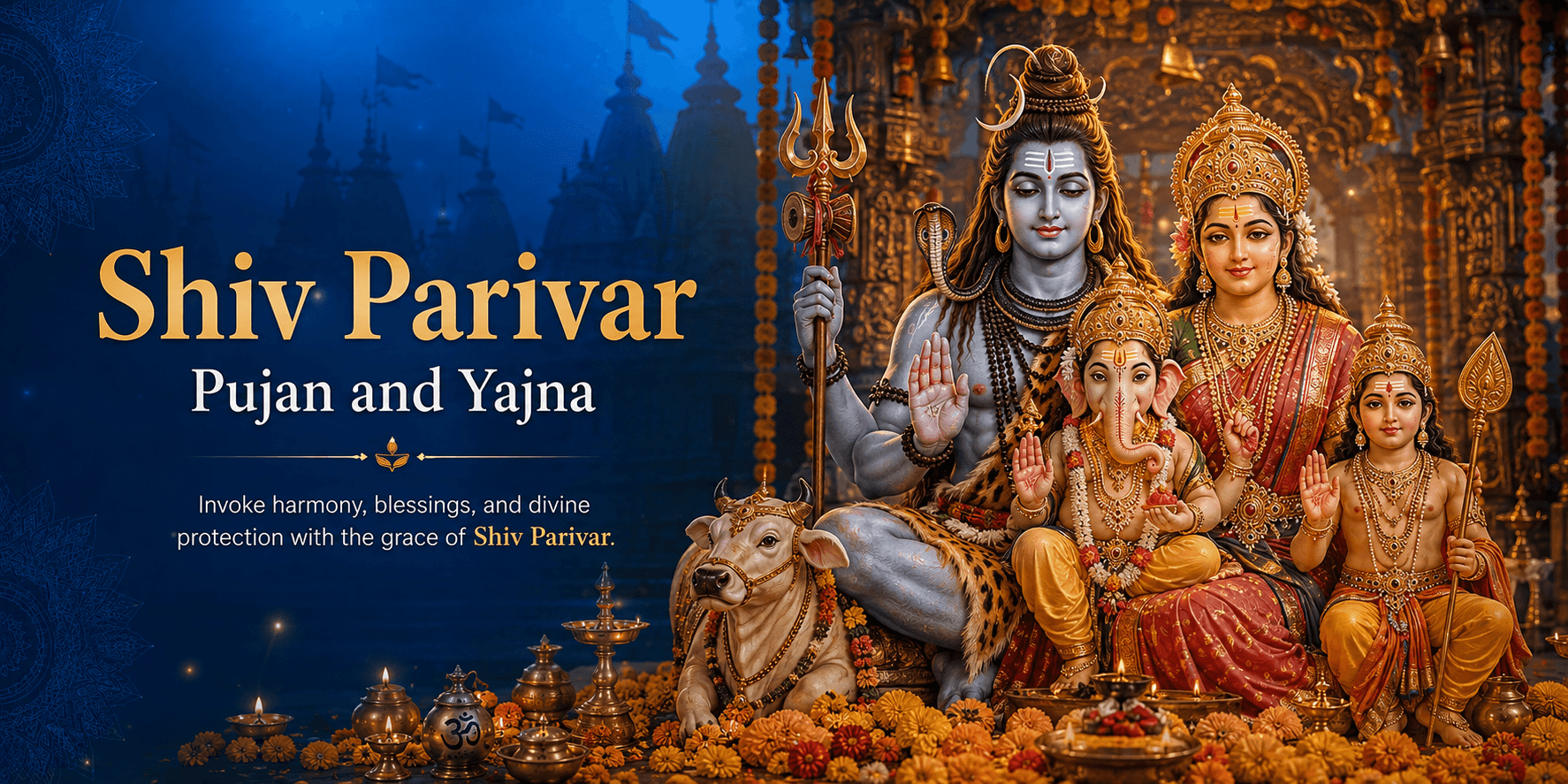
Shiv Parivar Pujan and Yajna
"The Shiv Parivar is the divine family. Lord Shiva. Mata Parvati. Lord Ganesha. Lord Kartikeya. Nandi, the sacred bull. Together they are the original family of the cosmos. The model of harmony, mutual love, and family devotion. To worship the Shiv Parivar together is to invite all of these blessings into the devotee's own home. Each member of the family carries a specific grace. Together, they bless the home with completeness."
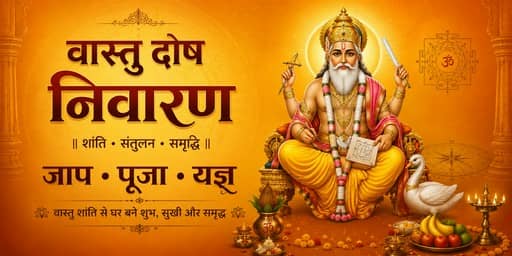
Vastu Dosh Nivaran Jaap Puja and Yajna
"In Vedic tradition, a building is never just a building. Every home is a living entity. It breathes in the energies of the earth beneath it, the sky above it, and the directions around it. When these energies flow in harmony, the home becomes a sanctuary. Prosperity gathers. Sleep is restful. Relationships soften. When the energies are obstructed, the same home can quietly weigh upon the lives within it. The Matsya Purana tells the story of Vastu Dev. The devas pressed his body face-down into the earth, and Lord Brahma blessed him. Any structure built upon his pinned body would prosper, but only if his presence and the directions were honoured."
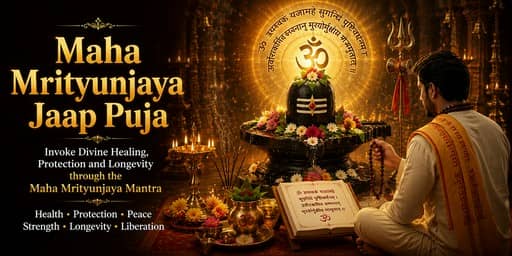
Maha Mrityunjaya Jaap Puja
"The Maha Mrityunjaya Mantra is one of the oldest prayers in the Rigveda. It is called the great death-conquering mantra. Sage Markandeya was the first to chant it. He prayed to Shiva and was saved from death itself. Devotees have chanted it ever since for healing, for safety, and for long life."
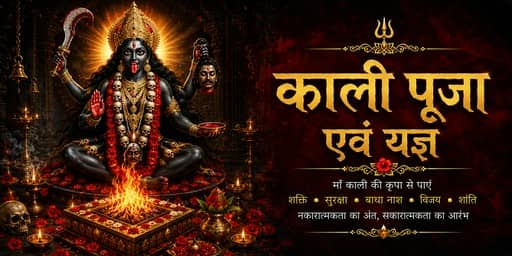
Kali Puja and Yajna
"Kali Mata is the first of the ten Mahavidyas. She is the supreme mother in her most powerful form. Dark as the night sky. Wearing a garland of skulls. Holding a sword in one hand and a severed head in the other. Standing on Lord Shiva himself, who lies beneath her in surrender. Kali is time. Kali is death. Kali is the force that destroys what must end so that what is true may rise. Her devotees turn to her not for gentle blessings but for absolute protection."

Bhuvaneshwari Puja and Yajna
"Bhuvaneshwari Mata is the fourth of the ten Mahavidyas. Her name means "the queen of all the worlds." She is the goddess from whom the entire universe emerges. She sits upon a throne formed from the five elements themselves. The earth, the water, the fire, the air, and the sky bow at her feet. To worship Bhuvaneshwari is to align oneself with the source of all creation. Her devotees receive not just blessings but command over their own life."
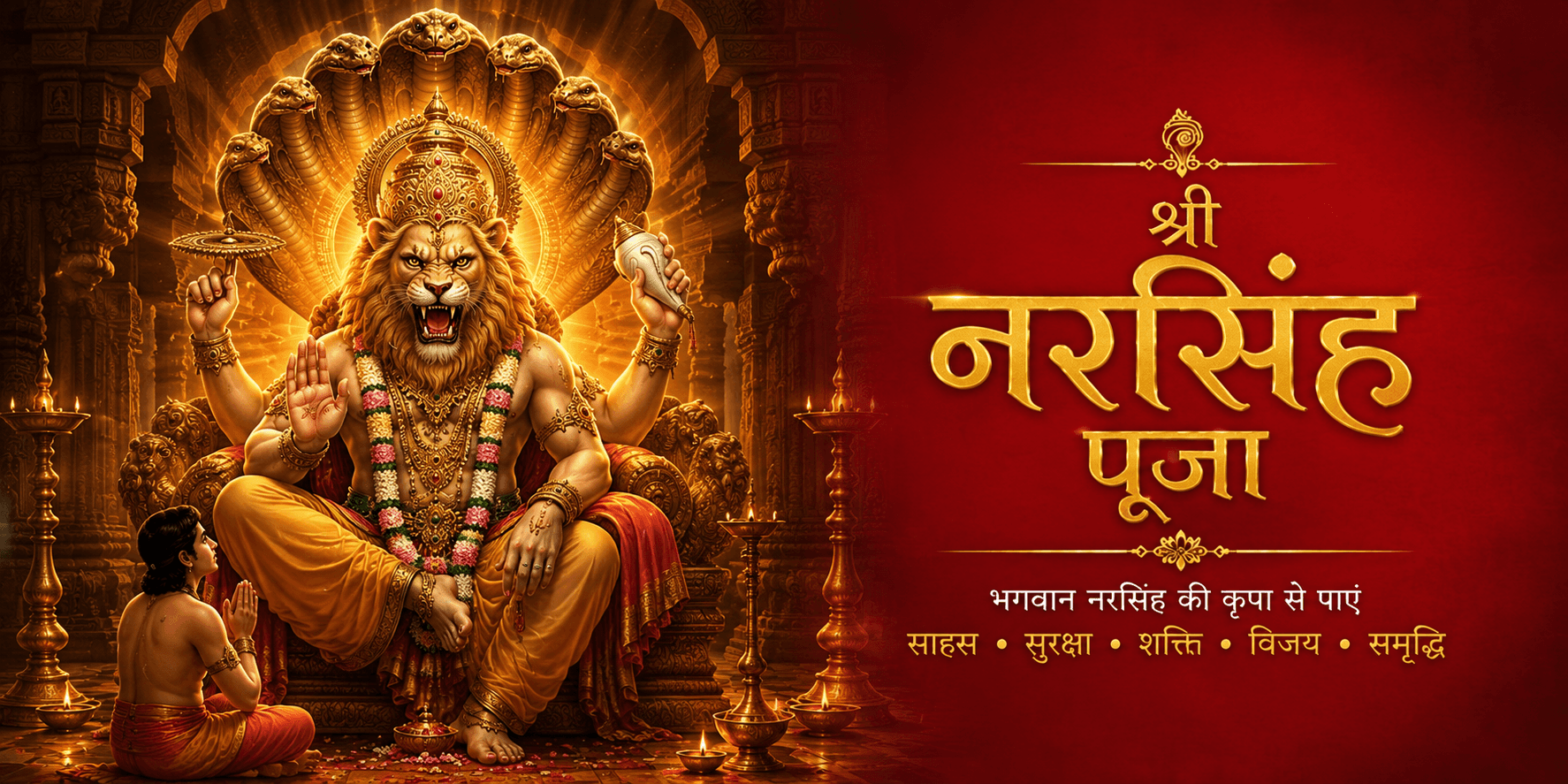
Lord Narasimha Puja
"The story of Narasimha is one of the most loved in Hindu scripture. The demon king Hiranyakashipu had earned a boon. No one could kill him. Not by man or beast. Not by day or night. Not indoors or outdoors. Not by any weapon. He tormented his own son Prahlada, a devoted bhakta of Vishnu. When he struck a pillar at twilight, Vishnu burst forth as Narasimha. Neither man nor beast. At the threshold between day and night. And he tore the demon apart."
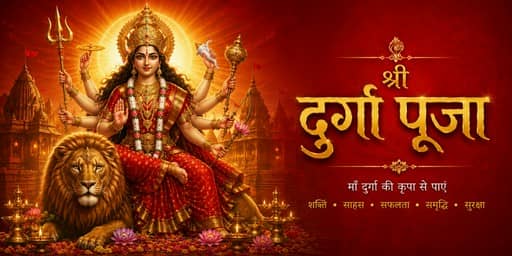
Durga Puja
"Maa Durga rides a lion. She holds eighteen weapons in her many arms. Each weapon is a gift from a different god. Her gaze is the gaze of a mother who will let nothing harm her children. The demon Mahishasura had a boon. No man, no god could kill him. He defeated even Indra. The gods released their combined energies. From that fire, Maa Durga emerged. After nine days of battle, on the tenth day, she slew Mahishasura. That day is Vijayadashami."
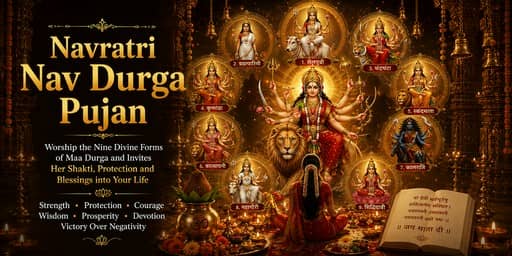
Navratri Nav Durga Pujan
"Navratri is nine nights of devotion to Maa Durga. Each night honours one of her nine forms. Shailputri, Brahmacharini, Chandraghanta, Kushmanda, Skandamata, Katyayani, Kaalratri, Mahagauri, and Siddhidatri. The first three days bring strength. The next three bring prosperity. The final three bring wisdom. By the ninth night, the devotee has been blessed by every form of the Mother."
-64e4a062c5190bce13e1d725-15473147.png&w=3840&q=70)
Shree Ram Mahayagya
"Lord Ram is the seventh avatar of Vishnu. The world reveres him as Maryada Purushottam, the perfect man. His life is the story of duty, truth, and honour. He kept every promise even at the cost of his throne. The Ramayan tells how he won over evil with grace. This mahayagya is a grand fire worship in his name. It calls on his strength for peace, courage, and a right path. The yajna carries the prayer to the Lord through fire. It clears strife from the home and brings calm to the mind. Devotees seek his blessing for an honest and steady life."
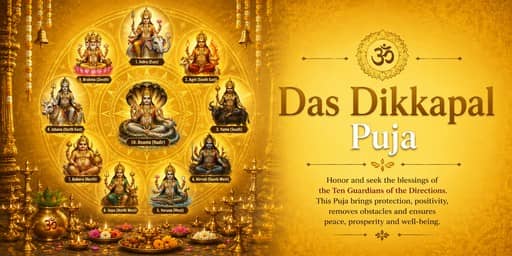
Das Dikkapal Puja
"The shastras name ten guardians who rule the ten directions. They are led by Indra and called the Das Dikkapal. Each one watches over a side of the world. Indra guards the east and Yama the south. Varuna guards the west and Kubera the north. The others hold the corners, the sky, and the earth below. Together they keep the whole space around us safe. This puja honours all ten guardians in one worship. It seeks their blessing for protection on every side. With them pleased, no harm can enter from any direction. The seeker then moves forward without a block."