
Jaap Puja
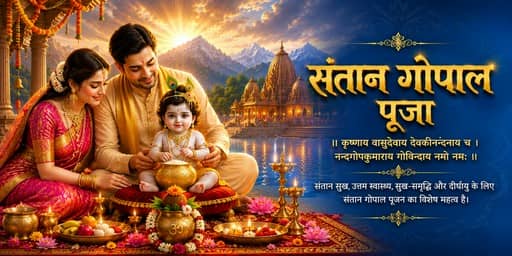
Santaan Gopal Puja
"This puja is dedicated to Krishna in his childhood form. The mischievous, butter-stealing child of Gokul. The toddler whom Yashoda Mata raised with so much love. Krishna in this form is believed to choose loving homes to be born into. Couples praying for a child have turned to this puja for centuries. The Santaan Gopal Mantra comes from the Brahma Vaivarta Purana."
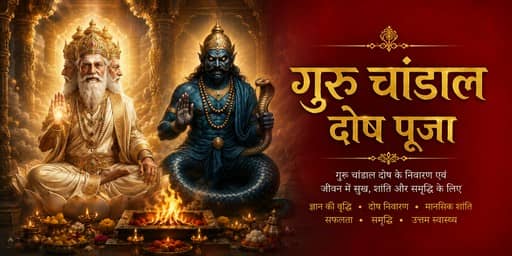
Guru Chandal Dosh Puja
"Guru Chandal Yog forms when Jupiter (Brihaspati, the cosmic teacher of wisdom) and Rahu (the shadow planet of confusion and craving) come together in the same house. The name carries the meaning. The noble teacher seated beside the unruly outcast. It is not cruel. It describes the inner tension this combination creates. Jupiter offers wisdom. Rahu offers temptation. The devotee's life becomes the battleground. Wisdom is heard but not heeded. Addictions take root despite intelligence. Friendships form with people who drag the devotee away from their better self."
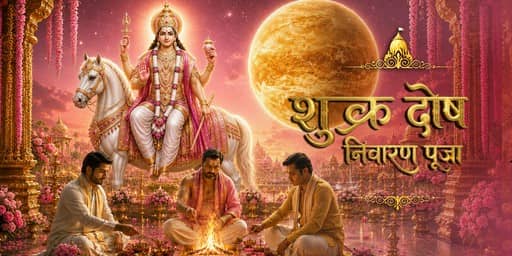
Shukra Dosh Nivaran Puja
"Shukra is the planet of love, beauty, comfort, art, and marital harmony. He is the divine connoisseur, the deity who teaches the soul to enjoy creation and share love generously. When Shukra shines strong, relationships flow. The home is graced with warmth. Marital life feels tender. Financial comforts arrive with ease. When his energy is afflicted, the softness withdraws. Relationships grow distant or conflicted. The beauty seems to drain from familiar things. Women in the family may face health concerns. Life loses its sweetness even when nothing outwardly seems wrong."
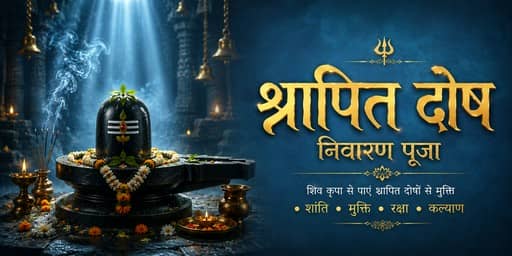
Shrapit Dosh Nivaran Puja
"Shrapit Dosh is one of the most demanding karmic afflictions in Vedic astrology. It forms when Rahu and Shani occupy the same house, or sit in mutual aspect. Their combined energy is so heavy that ancient sages described it as the weight of an unresolved curse from a previous lifetime. The word shrapit literally means "the cursed one." But this is not punishment. A curse is simply unfinished karma, an action whose consequences travel across lifetimes seeking resolution. The soul does not remember. But the chart does."

Bhuvaneshwari Puja and Yajna
"Bhuvaneshwari Mata is the fourth of the ten Mahavidyas. Her name means "the queen of all the worlds." She is the goddess from whom the entire universe emerges. She sits upon a throne formed from the five elements themselves. The earth, the water, the fire, the air, and the sky bow at her feet. To worship Bhuvaneshwari is to align oneself with the source of all creation. Her devotees receive not just blessings but command over their own life."
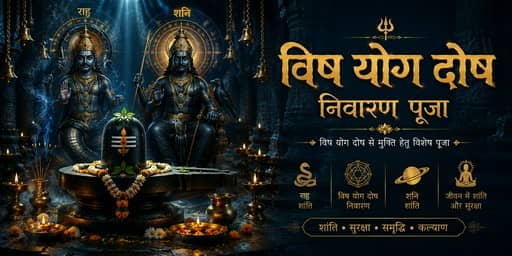
Visha Yog Dosh Nivaran Puja
"Visha Yog forms when the Moon and Saturn come together in the same house. Ancient sages named it Visha, meaning poison. When the gentle, emotional energy of the Moon merges with the cold, restrictive energy of Saturn, the blend behaves like a slow-acting poison. Quiet. Persistent. Hard to identify. The mind feels weighed down. Emotional life feels muted. Health takes a slow downward turn, often in ways that resist clear diagnosis. Income flows are restricted. Sleep becomes difficult. The devotee senses they are walking slightly out of sync with their own happiness."
-dosh-nivaran-puja-651eaa3142dc48b9696749c9-92729134-s.jpg&w=3840&q=70)
Brihaspati (Guru) Dosh Nivaran Puja
"Jupiter is the most benefic of all planets in Vedic astrology. The great teacher. The cosmic father. He governs wisdom, righteousness, faith, marriage, and children. When Jupiter shines strong, life expands naturally. Partnerships form. Families grow. Wealth flows. When he is afflicted, the very things he is meant to bring become hard to receive. Marriage delays for no clear reason. Children do not come. Wisdom feels just out of reach when decisions matter most. The devotee senses the door that Jupiter normally opens is somehow shut."
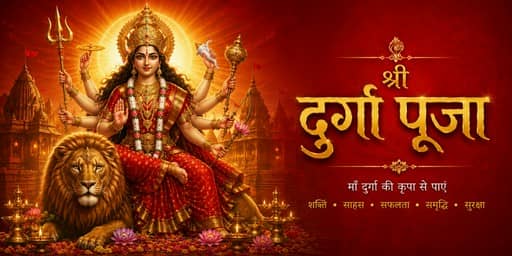
Durga Puja
"Maa Durga rides a lion. She holds eighteen weapons in her many arms. Each weapon is a gift from a different god. Her gaze is the gaze of a mother who will let nothing harm her children. The demon Mahishasura had a boon. No man, no god could kill him. He defeated even Indra. The gods released their combined energies. From that fire, Maa Durga emerged. After nine days of battle, on the tenth day, she slew Mahishasura. That day is Vijayadashami."
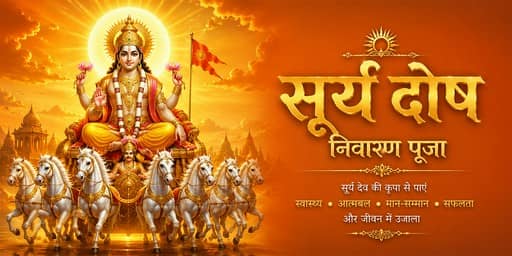
Surya Dosh Nivaran Puja
"Surya is the one deity every devotee can see with their own eyes, every day. The visible god. The giver of life. The centre of the entire solar system. In a birth chart, the Sun governs the soul, vitality, leadership, and the relationship with one's father. A Surya Grahan, the solar eclipse, is the moment his light is swallowed. The shastras treat this moment with great seriousness. A dosh born of the Grahan can dim recognition, weaken health, and hold back rightful advancement. This puja is performed to remove that shadow."
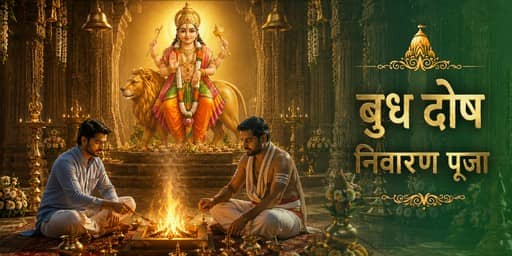
Budh Dosh Nivaran Puja
"Budh is the youngest of the classical planets and the most quick-witted. The messenger of the cosmos. The deity of intellect, communication, learning, and skilled craft. He turns thought into words, and words into influence. When Budh shines strong, the devotee speaks with clarity and moves through ideas with ease. When his energy is afflicted, the gifts reverse. Words stumble. Thoughts scatter. Decisions feel impossible. The nervous system grows strained. For students, this can mean dropping grades. For professionals, losing influence. For everyone, the inner voice loses its clarity."
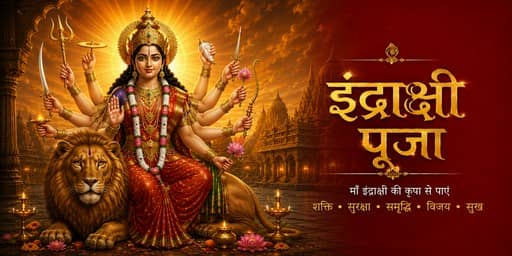
Indrakshi Puja
"Indrakshi Mata is one of the most powerful protective goddesses in the Vedic tradition. Her name means "she with the eyes of Indra." The Indrakshi Stotra was first taught by Lord Indra himself to sage Brihaspati. It is recited for protection from disease, from enemies, and from the unseen forces that can harm a devotee. For centuries, families have turned to this puja during prolonged illness, mysterious afflictions, and times when conventional remedies have not worked."