
Divine Collection
Laukik Puja
-puja-651bd1c3052302caf9a15365-66742566-s.jpg&w=3840&q=70)
Deepawali (Diwali) Puja
"Deepawali (Diwali) is the biggest festival in the Hindu calendar. Every family prepares for it weeks in advance. The home is cleaned, diyas are lit, and everything is kept ready before the muhurat arrives. Mata Lakshmi walks the earth that night. She enters homes that are waiting. The ones that are not, she skips."
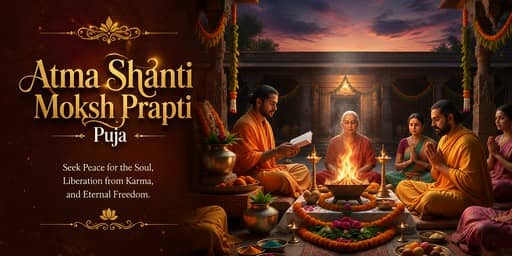
Atma Shanti Moksh Prapti Puja (Soul Peace Salvation Attainment Puja)
"Kashi is the city that grants moksha. Hindu tradition holds that a soul which leaves the body here breaks free from rebirth. Lord Shiva himself is said to whisper the taraka mantra in the ear of the dying. This puja seeks that same peace for a departed soul. It calls on Vishnu, Durga, and Shiva, the three great powers, together. Vishnu protects the soul, Durga gives it strength, and Shiva sets it free. The rite eases the soul out of the cycle of birth and death. It also brings calm to the family that grieves. The sacred ghats of Kashi carry this prayer best."
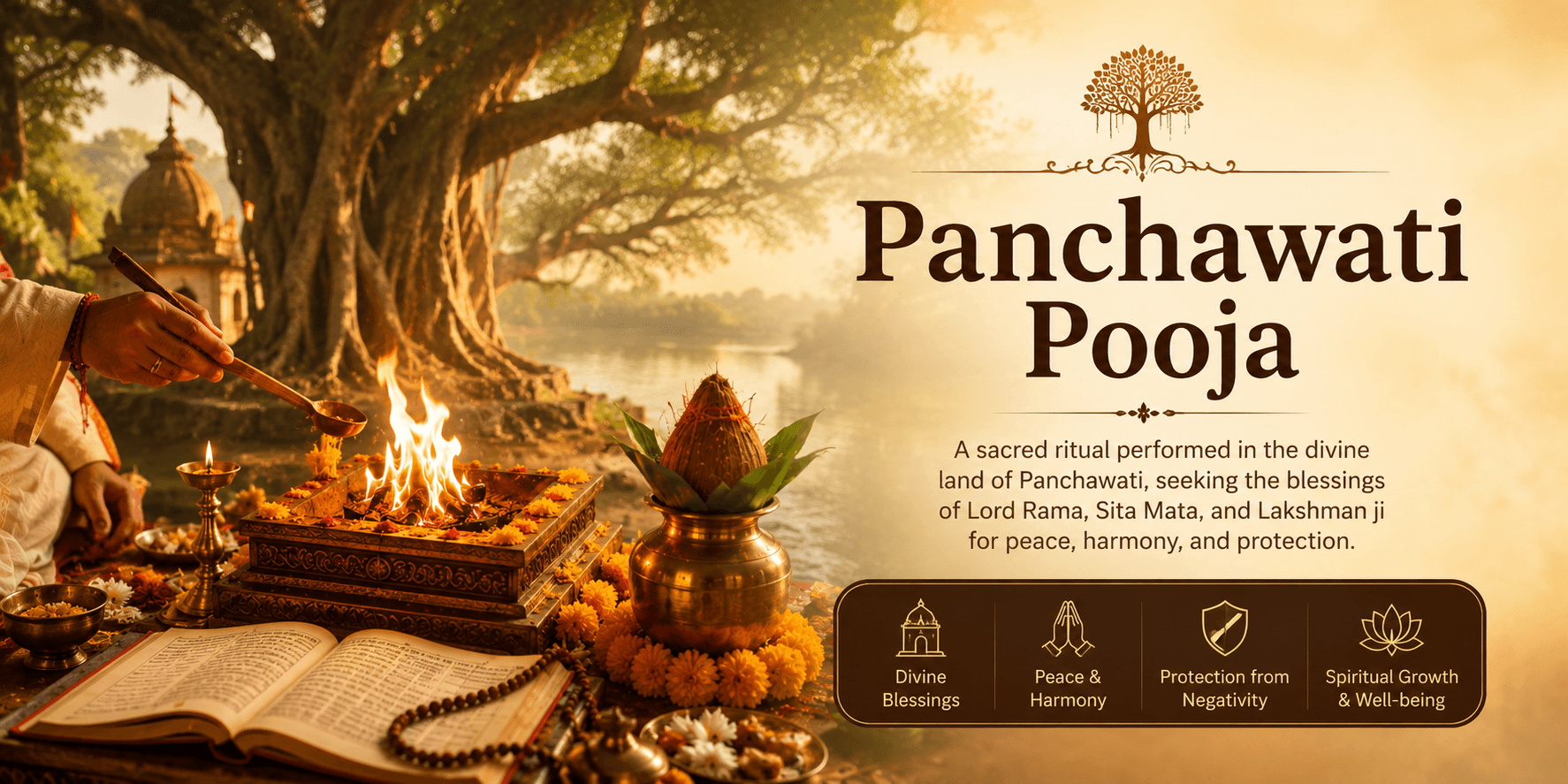
Panchawati Pooja
"Panchawati is the sacred grove of five trees. Peepal, Bargad, Ashoka, Amla, and Bilva. These are the same five trees that grew around the home of Lord Ram, Sita Mata, and Lakshman during their fourteen years of exile in the forest. Tradition holds that wherever the Panchawati grows, dharma is established. The trees themselves carry the blessings of Ram, of the rishis who lived among them, and of the natural forces they represent."
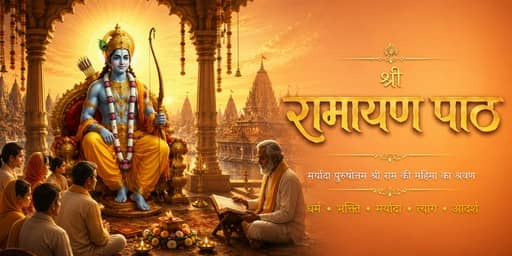
Ramayana Path
"The Ramayana is the original epic of Lord Ram's life. Composed by Maharishi Valmiki, it is the oldest written telling of the story. Twenty-four thousand verses across seven kandas, recounting Ram's birth, his exile, his battle with Ravana, and his return to Ayodhya. The Ramayana is not just a story. It is a guide to dharmic living. Every relationship, every decision, every choice in the epic carries a lesson. To have the Ramayana recited in one's home is to invite the energy of dharma itself into the family."
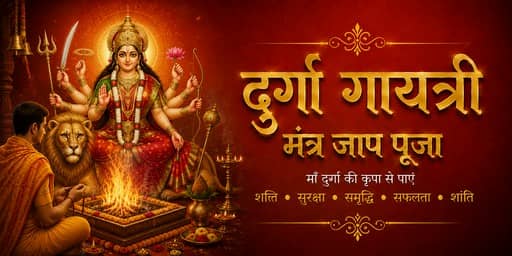
Durga Gayatri Mantra Jaap Puja
"The Durga Gayatri is a special mantra dedicated to Maa Durga. It combines two of the most powerful prayer traditions in Hinduism. The energy of the original Gayatri Mantra, the mother of all Vedic mantras, and the protective grace of Maa Durga herself. Where the original Gayatri invokes the light of wisdom, the Durga Gayatri invokes the strength of the warrior mother. It is the mantra chosen when a devotee needs both inner clarity and outer protection at the same time."
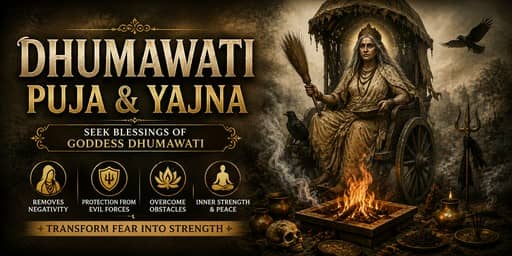
Dhumawati Puja and Yajna
"Dhumavati Mata is the seventh of the ten Mahavidyas. She is unlike any other goddess in the Hindu tradition. She appears as an old widow, dressed in white, riding a chariot drawn by crows. She holds a winnowing basket in her hand. Where other goddesses give wealth, beauty, and abundance, Dhumavati gives something rarer. She removes what no longer serves the devotee. She destroys what holds them back. She clears away the smoke (dhuma) that hides the soul's true path."
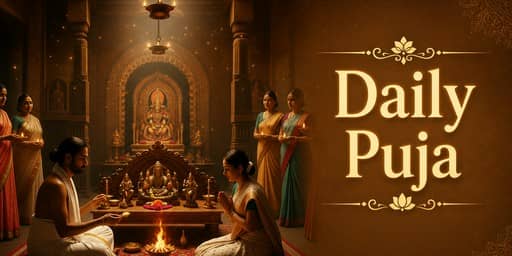
Daily Puja
"Daily worship is the root of a faithful life. The shastras say a home with daily puja stays blessed. This service offers worship to your Ishta Devta each day. The priests carry out the rites every morning and evening. They light the lamp, offer flowers, and chant the mantras. The deity is bathed, dressed, and given bhog with care. This steady worship keeps the grace of the god close. It guards the family and clears small troubles before they grow. Business runs smoother and the mind stays calm. For those far from a temple, this puja keeps the link alive."
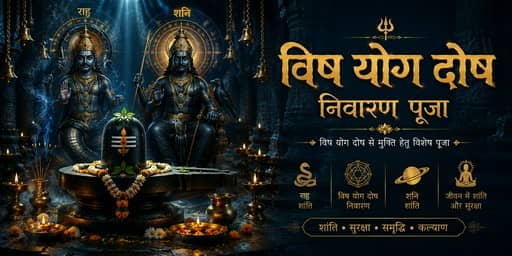
Visha Yog Dosh Nivaran Puja
"Visha Yog forms when the Moon and Saturn come together in the same house. Ancient sages named it Visha, meaning poison. When the gentle, emotional energy of the Moon merges with the cold, restrictive energy of Saturn, the blend behaves like a slow-acting poison. Quiet. Persistent. Hard to identify. The mind feels weighed down. Emotional life feels muted. Health takes a slow downward turn, often in ways that resist clear diagnosis. Income flows are restricted. Sleep becomes difficult. The devotee senses they are walking slightly out of sync with their own happiness."
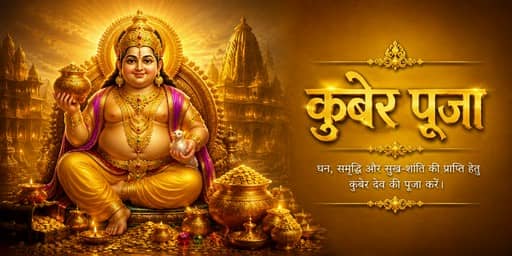
Kuber Puja
"Kuber is the treasurer of the gods. The keeper of all wealth in the universe. He once did severe penance to Lord Shiva and was rewarded with the duty of guarding the treasures of the cosmos. He lives in Alaka, the legendary city of gold in the Himalayas. Lakshmi Mata brings wealth into a home. Kuber makes sure it stays. This is the puja for stable, protected, lasting wealth."
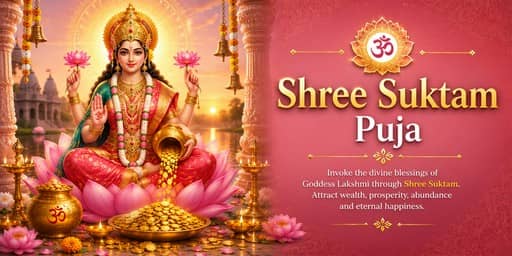
Shree Suktam Puja
"The Shree Suktam Puja is the complete ritual ceremony built around the Shri Suktam hymn. Where the Path focuses on the recitation alone, the Puja adds the full ceremonial framework. Sankalp at the beginning. The formal worship of Lakshmi Mata's idol. The Shri Suktam recitation as the heart of the ritual. The havan to seal the offerings. The aarti to close the vidhi. This is the puja chosen when a family wants the complete Lakshmi ceremony, with every element of the classical tradition observed in full."
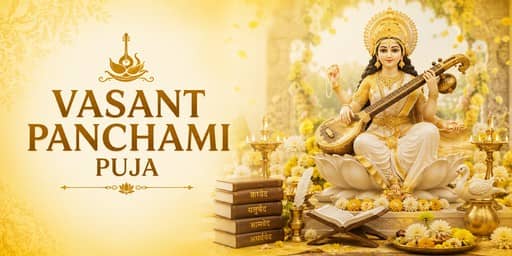
Vasant Panchami Puja
"Vasant Panchami is the festival dedicated entirely to Maa Saraswati. The day falls in the bright fortnight of Magha, when spring begins. It marks the awakening of the earth itself, and the awakening of the mind in the devotee. Tradition holds that on this day, Saraswati Mata first emerged from Lord Brahma's mouth, bringing with her the gift of knowledge, music, and the arts. Schools, libraries, and homes across India worship her on this day, seeking the blessing of learning and creative inspiration."