
Divine Collection
Laukik Puja
Ganesh Puja and Abhishekam
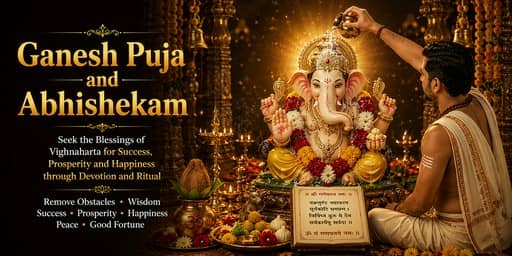
"Ganesh Ji is the first deity worshipped in every Hindu ritual. Families call on him before weddings, new homes, new businesses, and exams. He clears the path. He blesses the work ahead. Tradition says he is easily pleased. Laddus, modaks, and devotion are enough. Once Ganesh Ji is pleased, he also calls on Shree Lakshmi Mata to bless the home with wealth."
Sudarshan Gayatri Mantra Siddhi Jaap and Yajna
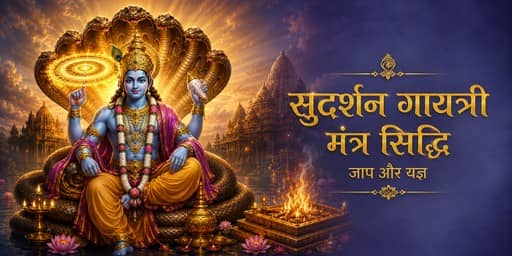
"Sudarshan is the spinning discus held by Lord Vishnu. The weapon of dharma. The destroyer of negativity. Wherever Sudarshan moves, evil cannot stand. The Sudarshan Gayatri Mantra is one of the most powerful mantras in the Vedic tradition. It invokes the protective and destructive power of the discus itself. Devotees turn to this puja when enemies have grown strong, when negative energies have settled, when business is sinking, and when money lost needs to return."
Gau Daan Puja
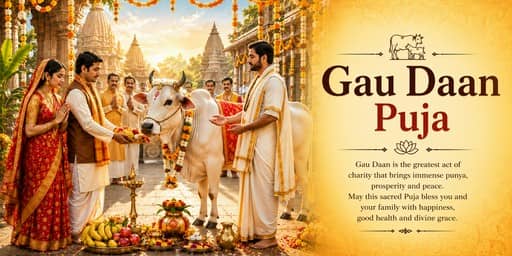
"Gau Daan means the gift of a cow. The shastras hold it as the greatest of all charity. To give a cow is to give a home to all the gods. Tradition says the cow carries the soul across after death. She helps it cross the river Vaitarani to the next world. This daan washes away the heaviest of old sins. It clears negative karma and the fear of the unknown. It is also the remedy for Nadi Dosh in a match. The gift brings the grace of Lord Krishna upon the giver. Devotees perform it before marriage and on holy days. It is one of the surest paths to moksha."
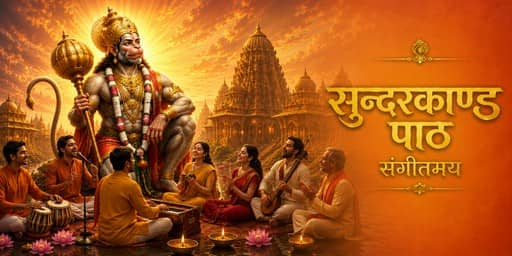
Sundarkand Path Sangeetmaya
"Sundarkand Path Sangeetmaya is the melodic, musical recitation of the Sundar Kand. The fifth chapter of the Ramcharitmanas. The same chapter where Hanuman crosses the ocean, finds Mata Sita, faces Ravana's court, and burns Lanka. The Sangeetmaya version adds melody, rhythm, and traditional instruments to the recitation. The verses are sung rather than read. The energy that results is different from a quiet path. It fills the home. It lifts the spirits of every listener. Families often book this version for celebrations, for housewarmings, and for the joyful welcome of Hanuman's grace."
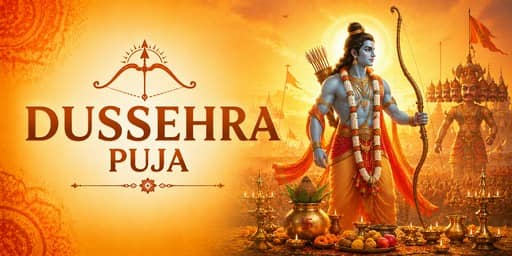
Dussehra Puja
"Dussehra, also called Vijayadashami, is the day of victory. The word means "the tenth day of triumph." Tradition holds that on this day, after nine days of fierce battle, the Mother Goddess finally slew the demon Mahishasura and restored peace to the three worlds. The same day also marks Lord Ram's victory over Ravana, the demon king of Lanka. Across India, effigies of Ravana are burnt to mark this triumph of dharma over adharma. On this day the Mother is worshipped in her fiercest form. Mahakali, the one before whom no evil stands. Whatever the form, the meaning is the same. On Dussehra, evil falls. Good rises."
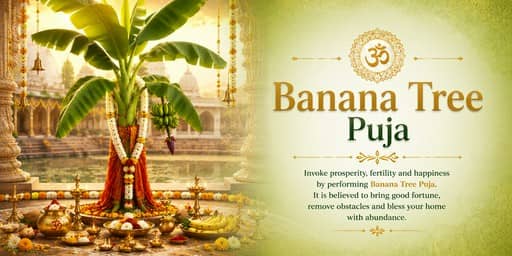
Banana Tree Puja
"The banana tree is sacred in Hindu worship. Tradition links it to Guru Brihaspati, the planet of wisdom and fortune. It is also dear to Lord Vishnu and Lord Krishna. A weak Brihaspati in the chart delays marriage and growth. It can also block learning, wealth, and respect. This puja worships the banana tree to strengthen that planet. The tree stands for plenty, faith, and a clean life. Devotees water its roots and tie sacred threads to it. They walk around it and offer prayers for their wishes. The worship is most loved on Thursdays, the day of the Guru."
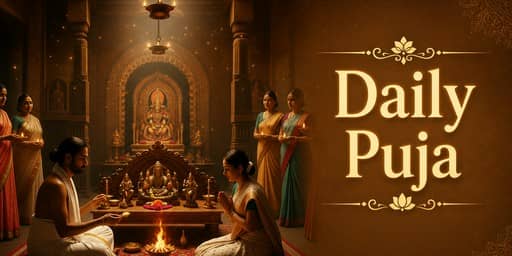
Daily Puja
"Daily worship is the root of a faithful life. The shastras say a home with daily puja stays blessed. This service offers worship to your Ishta Devta each day. The priests carry out the rites every morning and evening. They light the lamp, offer flowers, and chant the mantras. The deity is bathed, dressed, and given bhog with care. This steady worship keeps the grace of the god close. It guards the family and clears small troubles before they grow. Business runs smoother and the mind stays calm. For those far from a temple, this puja keeps the link alive."
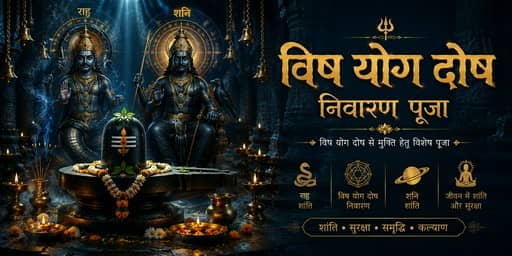
Visha Yog Dosh Nivaran Puja
"Visha Yog forms when the Moon and Saturn come together in the same house. Ancient sages named it Visha, meaning poison. When the gentle, emotional energy of the Moon merges with the cold, restrictive energy of Saturn, the blend behaves like a slow-acting poison. Quiet. Persistent. Hard to identify. The mind feels weighed down. Emotional life feels muted. Health takes a slow downward turn, often in ways that resist clear diagnosis. Income flows are restricted. Sleep becomes difficult. The devotee senses they are walking slightly out of sync with their own happiness."
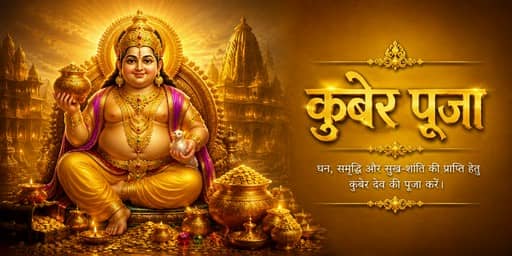
Kuber Puja
"Kuber is the treasurer of the gods. The keeper of all wealth in the universe. He once did severe penance to Lord Shiva and was rewarded with the duty of guarding the treasures of the cosmos. He lives in Alaka, the legendary city of gold in the Himalayas. Lakshmi Mata brings wealth into a home. Kuber makes sure it stays. This is the puja for stable, protected, lasting wealth."
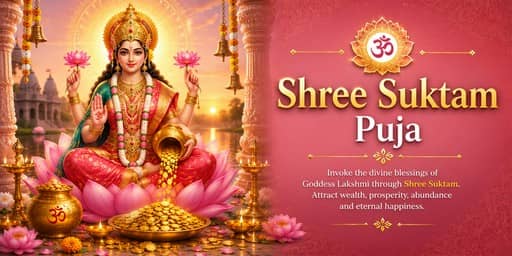
Shree Suktam Puja
"The Shree Suktam Puja is the complete ritual ceremony built around the Shri Suktam hymn. Where the Path focuses on the recitation alone, the Puja adds the full ceremonial framework. Sankalp at the beginning. The formal worship of Lakshmi Mata's idol. The Shri Suktam recitation as the heart of the ritual. The havan to seal the offerings. The aarti to close the vidhi. This is the puja chosen when a family wants the complete Lakshmi ceremony, with every element of the classical tradition observed in full."
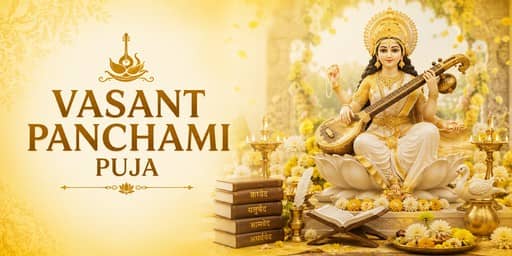
Vasant Panchami Puja
"Vasant Panchami is the festival dedicated entirely to Maa Saraswati. The day falls in the bright fortnight of Magha, when spring begins. It marks the awakening of the earth itself, and the awakening of the mind in the devotee. Tradition holds that on this day, Saraswati Mata first emerged from Lord Brahma's mouth, bringing with her the gift of knowledge, music, and the arts. Schools, libraries, and homes across India worship her on this day, seeking the blessing of learning and creative inspiration."