
Divine Collection
Laukik Puja
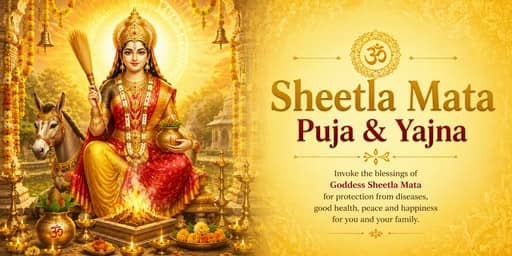
Sheetla Mata Puja and Yajna
"Sheetala Mata is the cooling form of the Divine Mother. Her name means the one who brings coolness and calm. Hindu tradition reveres her as the goddess who guards against disease. People worship her to keep illness away from the home. She rides a donkey and carries a pot of healing water. Her worship is most loved in the hot months of the year. Mothers pray to her for the health of their children. She cools fever, heals the body, and brings peace to the home. Her blessing is said to bring success and plenty too. Devotees have turned to her for protection for ages."
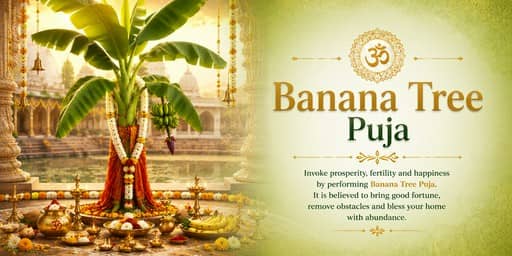
Banana Tree Puja
"The banana tree is sacred in Hindu worship. Tradition links it to Guru Brihaspati, the planet of wisdom and fortune. It is also dear to Lord Vishnu and Lord Krishna. A weak Brihaspati in the chart delays marriage and growth. It can also block learning, wealth, and respect. This puja worships the banana tree to strengthen that planet. The tree stands for plenty, faith, and a clean life. Devotees water its roots and tie sacred threads to it. They walk around it and offer prayers for their wishes. The worship is most loved on Thursdays, the day of the Guru."
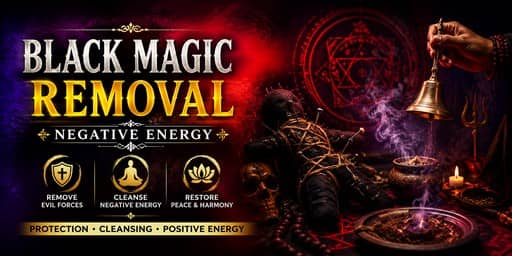
Black Magic Removal Negative Energy
"This puja is performed for devotees who suspect or have been told that their lives have come under the influence of black magic, the evil eye, harmful tantric practices, or sustained negative energies. Negative energy is not a vague modern concept in Hindu understanding. It is real and observable. Devotees affected often describe a clear pattern. Unexplained obstacles in clusters. Sudden health issues without medical cause. Financial losses arriving in waves. Recurring nightmares. A feeling of being watched. Conflicts in healthy relationships without provocation."
-puja-65265027289f0ede88af4b82-92241301-s.jpg&w=3840&q=70)
Gau (Cow) Puja
"The cow is the most sacred animal in Hindu tradition. She is called Gau Mata, the mother cow. Tradition holds that all the gods reside within her body. Lord Brahma in her face. Lord Shiva in her forehead. Lord Vishnu in her shoulders. The Ganga, the Yamuna, and the Saraswati in her hooves. To touch a cow with devotion is to touch every deity at once. To offer her food and worship her is to honour the source of life itself, since the cow gives milk to humans and feeds the soil for every crop."
-puja-651bd1c3052302caf9a15365-66742566-s.jpg&w=3840&q=70)
Deepawali (Diwali) Puja
"Deepawali (Diwali) is the biggest festival in the Hindu calendar. Every family prepares for it weeks in advance. The home is cleaned, diyas are lit, and everything is kept ready before the muhurat arrives. Mata Lakshmi walks the earth that night. She enters homes that are waiting. The ones that are not, she skips."
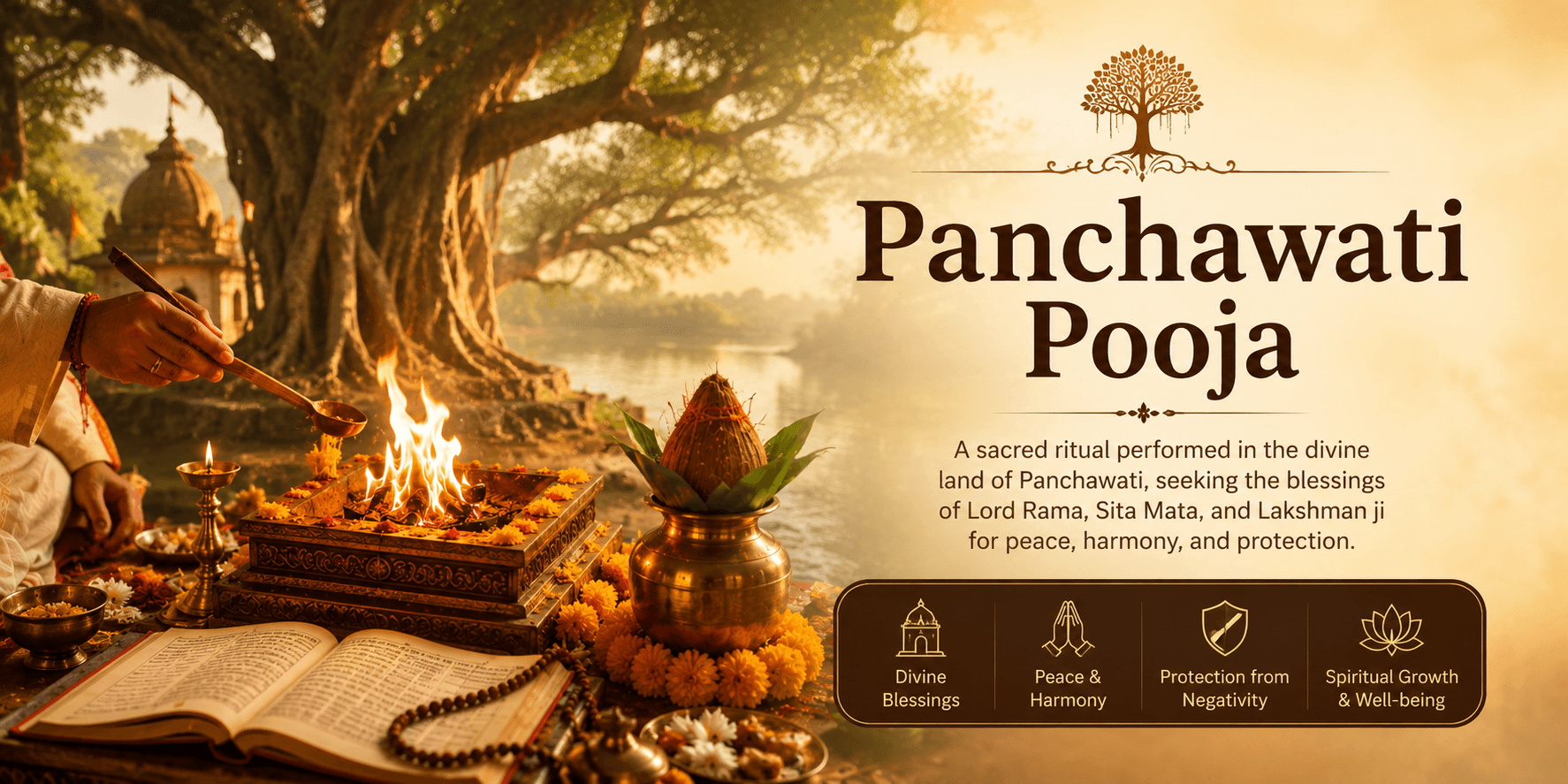
Panchawati Pooja
"Panchawati is the sacred grove of five trees. Peepal, Bargad, Ashoka, Amla, and Bilva. These are the same five trees that grew around the home of Lord Ram, Sita Mata, and Lakshman during their fourteen years of exile in the forest. Tradition holds that wherever the Panchawati grows, dharma is established. The trees themselves carry the blessings of Ram, of the rishis who lived among them, and of the natural forces they represent."
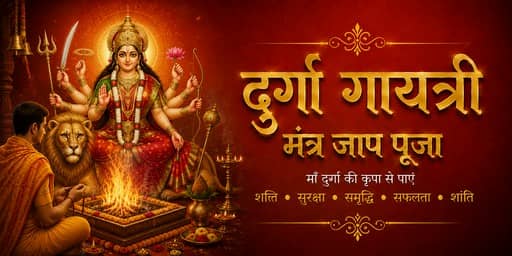
Durga Gayatri Mantra Jaap Puja
"The Durga Gayatri is a special mantra dedicated to Maa Durga. It combines two of the most powerful prayer traditions in Hinduism. The energy of the original Gayatri Mantra, the mother of all Vedic mantras, and the protective grace of Maa Durga herself. Where the original Gayatri invokes the light of wisdom, the Durga Gayatri invokes the strength of the warrior mother. It is the mantra chosen when a devotee needs both inner clarity and outer protection at the same time."
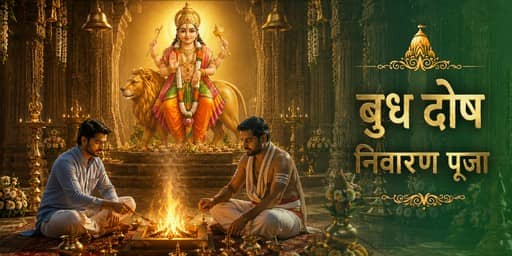
Budh Dosh Nivaran Puja
"Budh is the youngest of the classical planets and the most quick-witted. The messenger of the cosmos. The deity of intellect, communication, learning, and skilled craft. He turns thought into words, and words into influence. When Budh shines strong, the devotee speaks with clarity and moves through ideas with ease. When his energy is afflicted, the gifts reverse. Words stumble. Thoughts scatter. Decisions feel impossible. The nervous system grows strained. For students, this can mean dropping grades. For professionals, losing influence. For everyone, the inner voice loses its clarity."
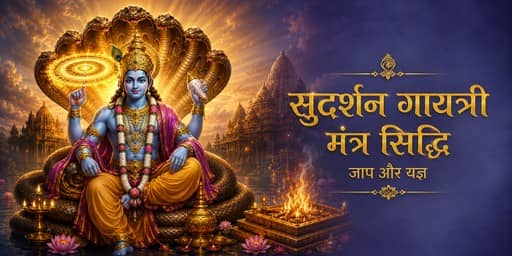
Sudarshan Gayatri Mantra Siddhi Jaap and Yajna
"Sudarshan is the spinning discus held by Lord Vishnu. The weapon of dharma. The destroyer of negativity. Wherever Sudarshan moves, evil cannot stand. The Sudarshan Gayatri Mantra is one of the most powerful mantras in the Vedic tradition. It invokes the protective and destructive power of the discus itself. Devotees turn to this puja when enemies have grown strong, when negative energies have settled, when business is sinking, and when money lost needs to return."
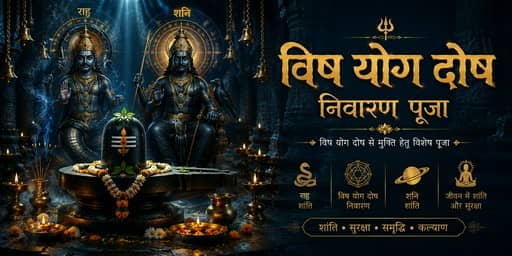
Visha Yog Dosh Nivaran Puja
"Visha Yog forms when the Moon and Saturn come together in the same house. Ancient sages named it Visha, meaning poison. When the gentle, emotional energy of the Moon merges with the cold, restrictive energy of Saturn, the blend behaves like a slow-acting poison. Quiet. Persistent. Hard to identify. The mind feels weighed down. Emotional life feels muted. Health takes a slow downward turn, often in ways that resist clear diagnosis. Income flows are restricted. Sleep becomes difficult. The devotee senses they are walking slightly out of sync with their own happiness."
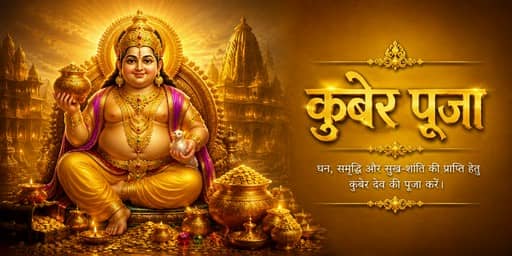
Kuber Puja
"Kuber is the treasurer of the gods. The keeper of all wealth in the universe. He once did severe penance to Lord Shiva and was rewarded with the duty of guarding the treasures of the cosmos. He lives in Alaka, the legendary city of gold in the Himalayas. Lakshmi Mata brings wealth into a home. Kuber makes sure it stays. This is the puja for stable, protected, lasting wealth."