Progeny & Fertility
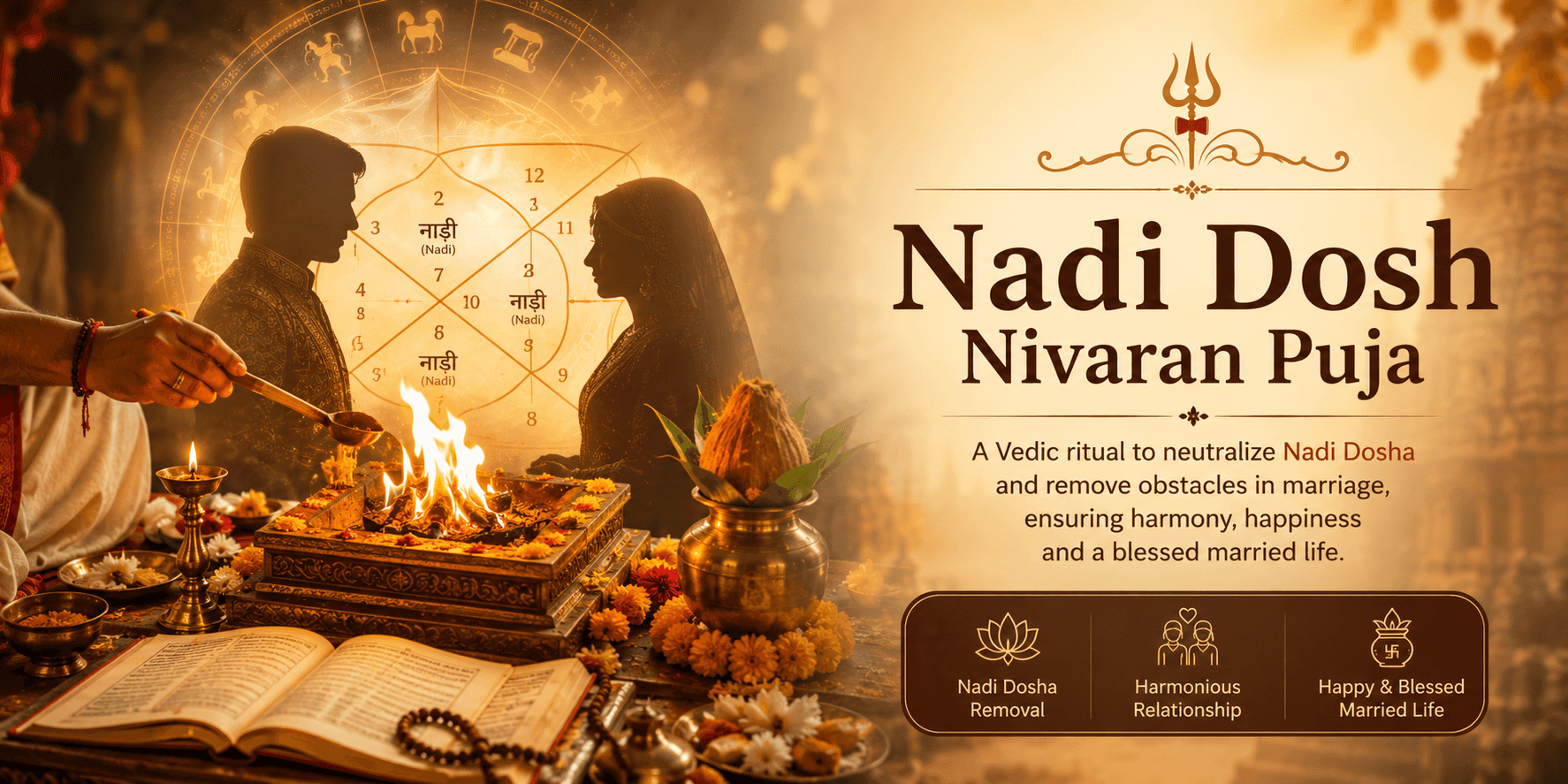
Nadi Dosh Nivaran Puja
"This puja addresses three related compatibility doshas identified during kundli milan. Nadi Dosh forms when both partners share the same Nadi, one of three energy currents in Vedic astrology. Gan Dosh forms when the partners belong to incompatible gans (Deva, Manushya, or Rakshasa). Nadi Dosh affects marital harmony at a deeper level. All three can shake the foundation of a marriage if left unaddressed."
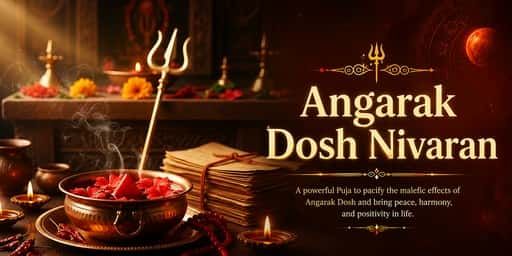
Angarak Dosh Nivaran
"Angarak Dosh forms when Mangal and Rahu meet in the chart. Mangal is the planet of fire, blood, and force. Rahu is the shadow planet of confusion and unrest. When they join, their heat turns harsh and harmful. This is the Angarak Dosh, a fierce flaw in the chart. It blocks marriage, brings quarrels, and stirs the blood. It can also delay a job and break the peace of mind. This puja calms both planets through their own mantras. It cools the fire of Mangal and clears the fog of Rahu. The chart then settles and good results begin to flow."
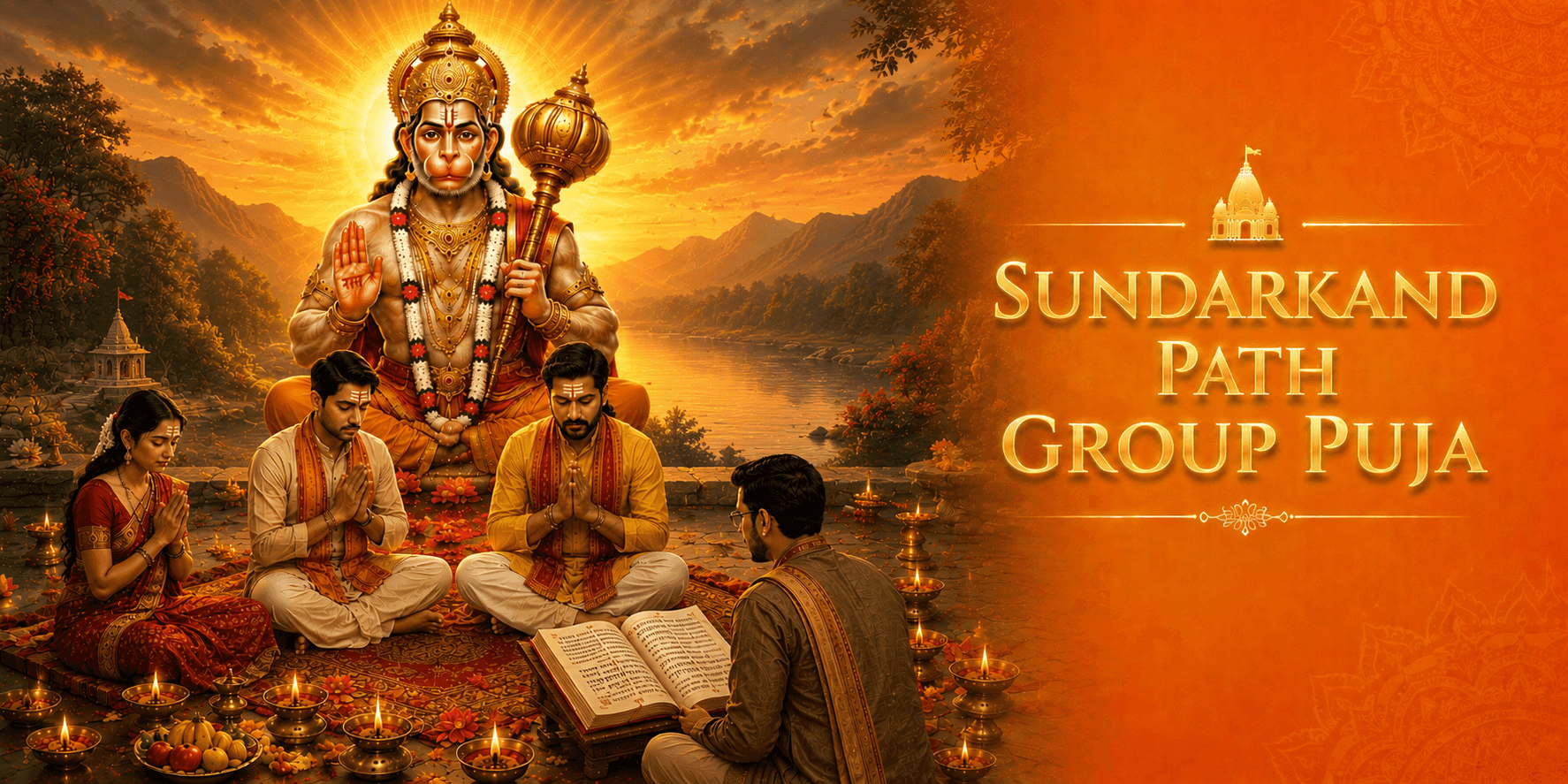
Sundarkand Path Group Puja
"Sundarkand is the most loved part of the Ramayan. Its name means the beautiful chapter. It tells of Hanuman's leap across the sea to Lanka. He went to find Mata Sita, held by Ravana. He crossed the ocean, found her, and gave her Ram's ring. He then burned Lanka and returned with hope. The whole chapter sings of his courage and faith. Of all the Ramayan, this part holds the most power. Its path is said to clear trouble and fear. It brings strength, wisdom, and the grace of Hanuman. Devotees recite it to defeat enemies and gain peace."
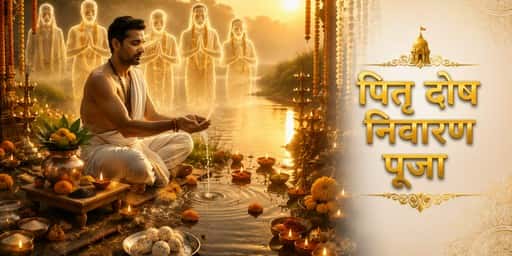
Pitra Dosh Nivaran Puja
"Pitra Dosh is an affliction passed down through the family lineage. It forms when the souls of departed ancestors have not received the rituals, prayers, or peace they were due. In Hindu tradition, the bond between the living and the ancestors is unbreakable. Every family carries within it the prayers and the unfulfilled wishes of those who came before. Sometimes also their lingering sorrows. When these remain unresolved across generations, they take the form of Pitra Dosh. A quiet shadow over the family's path. It is often felt as repeated obstacles in marriage, conception, education, and career, despite every effort. The dosh is not a curse. It is a calling. The ancestors are gently asking to be remembered, honoured, and finally released into peace."
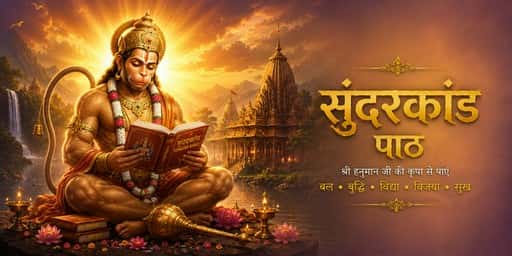
Sundar Kand Path
"Sundar Kand is the fifth chapter of the Ramcharitmanas, written by Tulsidas. It tells one story without a break. Hanuman crosses the ocean to Lanka. He finds Mata Sita. He faces Ravana's court without fear. He burns Lanka and returns with the news that changes everything. Of all the chapters in the Ramcharitmanas, only Sundar Kand has this quality. Every event in it ends in success."
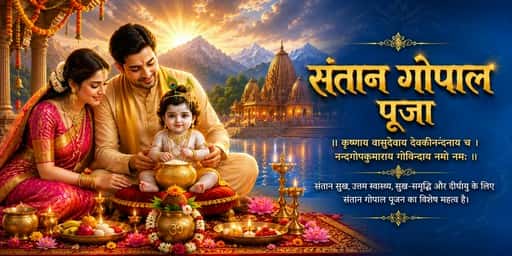
Santaan Gopal Puja
"This puja is dedicated to Krishna in his childhood form. The mischievous, butter-stealing child of Gokul. The toddler whom Yashoda Mata raised with so much love. Krishna in this form is believed to choose loving homes to be born into. Couples praying for a child have turned to this puja for centuries. The Santaan Gopal Mantra comes from the Brahma Vaivarta Purana."
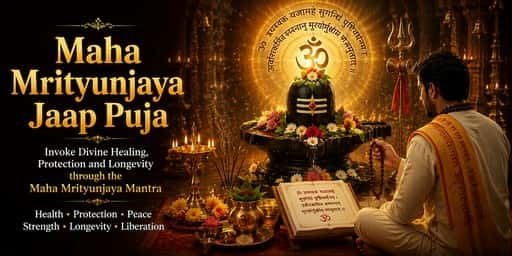
Maha Mrityunjaya Jaap Puja
"The Maha Mrityunjaya Mantra is one of the oldest prayers in the Rigveda. It is called the great death-conquering mantra. Sage Markandeya was the first to chant it. He prayed to Shiva and was saved from death itself. Devotees have chanted it ever since for healing, for safety, and for long life."
Mangla Gauri Vrat and Katha
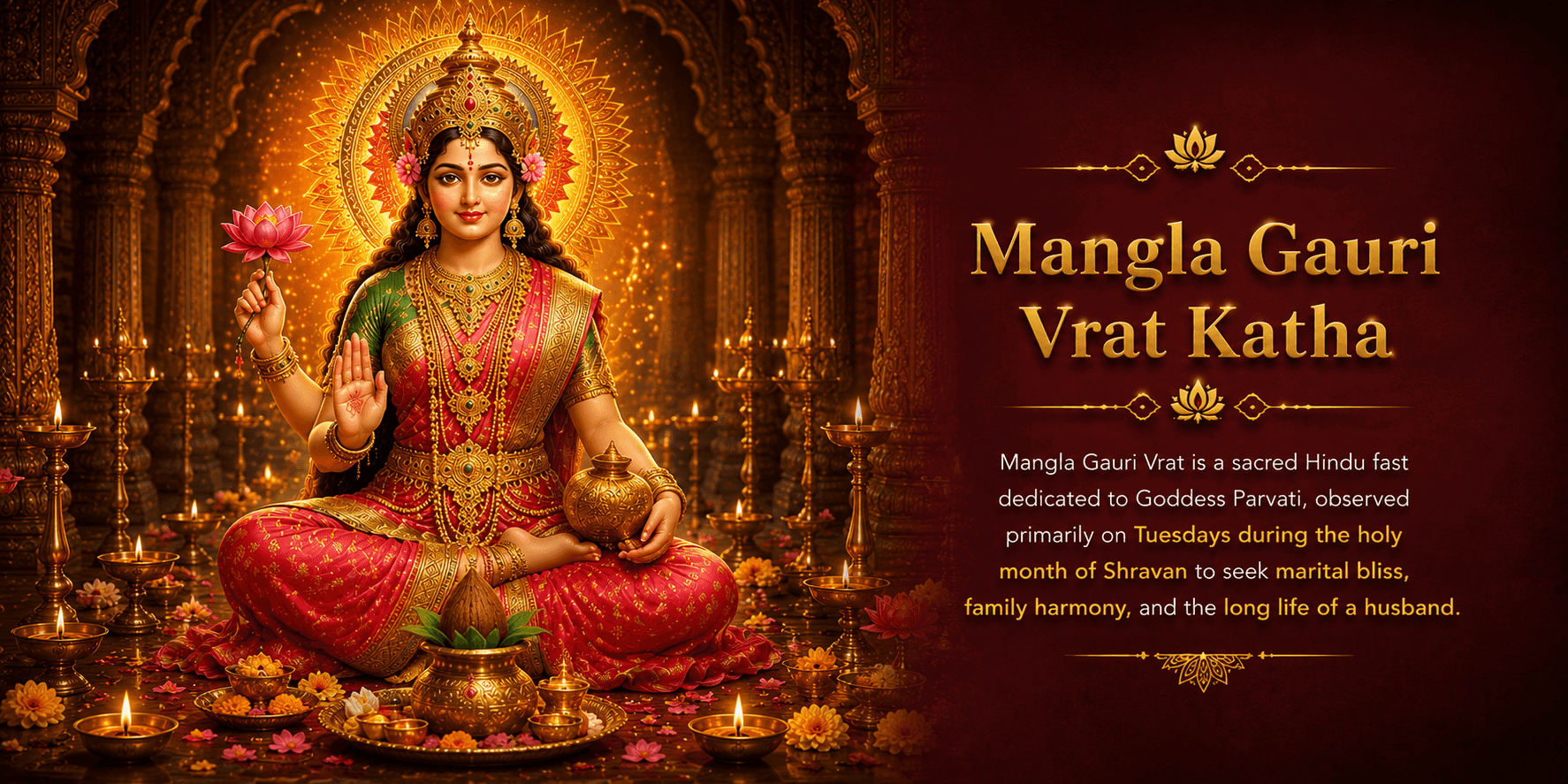
"Mangla Gauri is one of the most beloved forms of Mata Parvati. Her name means "the auspicious fair one." She is worshipped specifically for marriage, family harmony, and the blessing of children. The puja is traditionally observed by married women during the month of Shravan, when they pray for the long life and well-being of their husbands. Unmarried women also observe it, seeking a loving partner and an early marriage. The vrat carries the same energy as Parvati's own penance to win Lord Shiva."
Deen Bandhu Baal Bhoj
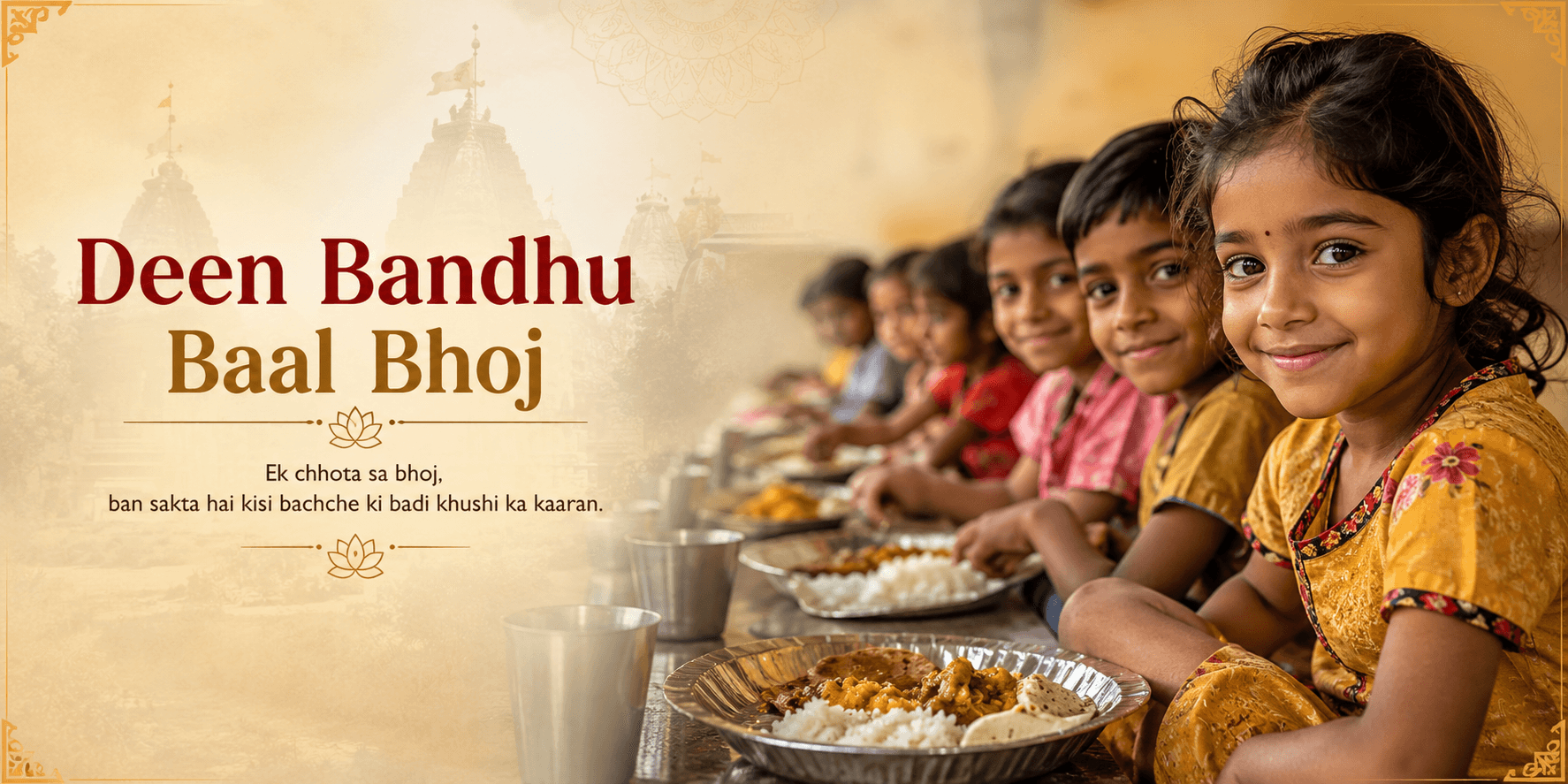
"Annadaan, the gift of food, is called the mahadaan. The greatest of all gifts. The shastras place it above every other charity, because food is the one gift that satisfies completely. Deen Bandhu means the friend of the poor, and this bhoj feeds the children who need that friend most."
Das Mahavidya Puja and Yajna
"The Das Mahavidya are the ten supreme goddesses of the Tantric tradition. Kali. Tara. Tripura Sundari. Bhuvaneshwari. Tripur Bhairavi. Chhinnamasta. Dhumavati. Baglamukhi. Matangi. Kamala. Each one carries a different power. Each one answers a different prayer. Where individual Mahavidya pujas address one need, the Das Mahavidya Puja honours all ten together. It is the most complete Shakti puja in the entire Tantric tradition."

Shree Krishna Janmashtami Maha Puja
"Janmashtami is the birth anniversary of Lord Krishna. The night Vishnu took human form to end the rule of the tyrant Kansa. Tradition holds that Krishna was born in a prison cell in Mathura to Devaki and Vasudev, on the eighth lunar day of Krishna Paksha in the month of Bhadrapada. The chains fell open. The doors opened by themselves. Vasudev carried the infant across the flooded Yamuna to safety. The whole cosmos held its breath for this child's arrival. Devotees stay awake through the night, chanting his name, until the moment of his birth at midnight."
Rigveda Yajna
"The Rigveda is the oldest scripture in the Hindu tradition. The first of the four Vedas. Composed thousands of years ago, it contains over a thousand hymns dedicated to the gods, with the largest number addressed to Indra (the king of the gods) and Agni (the sacred fire). The Rigveda Yajna is the fire ritual built around these original hymns. It is one of the most powerful and most ancient yajnas in existence. To have it performed is to participate in the same tradition that the earliest sages of India established."