Divine Collection
Peace
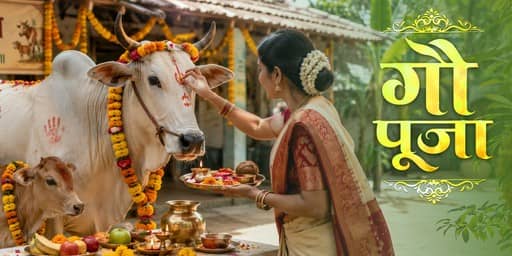
Gau Puja (Kamdhenu)
"Kamdhenu is the divine cow of Hindu tradition. The wish-fulfilling cow who emerged from the cosmic ocean during the great churning. Her name means "the cow of desires." Tradition holds that whoever worships Kamdhenu receives whatever they ask for, because she carries within her body all the gods, all the sacred rivers, and all the elements of the cosmos. She is also called Surabhi, "the fragrant one," and is the divine mother of all cows on earth. To worship Kamdhenu is to ask the most generous mother of the universe for her blessing."
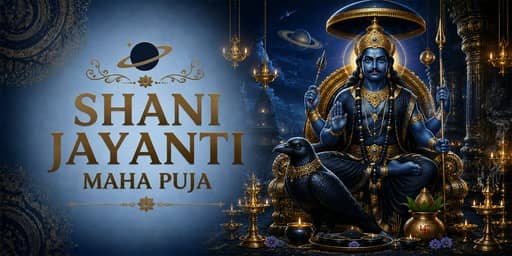
Shani Jayanti Maha Puja
"Shani Jayanti is the birth anniversary of Shani Dev. The single most powerful day of the year for any Shani puja. Tradition holds that Shani Dev was born to Surya Dev and Chhaya Mata on the Amavasya of the month of Jyeshtha. His birth came with profound spiritual force. Even Surya Dev, his own father, is said to have looked away from him at first sight, because Shani's gaze carries the weight of cosmic karma. To worship Shani Dev on his birth day is to ask the great teacher to soften his lessons and bring his hardest phases to a graceful conclusion."
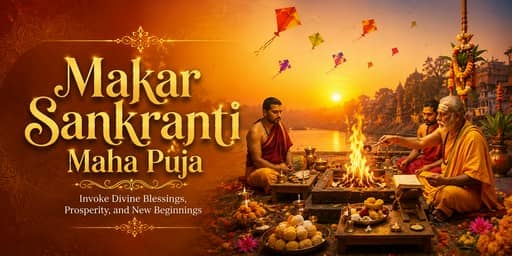
Makar Sankranti Maha Puja
"Makar Sankranti marks the day Surya Dev enters the zodiac sign of Makar (Capricorn). It is one of the few Hindu festivals fixed to a solar date, falling on the 14th or 15th of January every year. The day signals the end of winter and the beginning of warmer, brighter days. Tradition holds that from this day onward, Surya begins his uttarayana journey, the northern movement that brings light, warmth, and new life to the earth. Devotees bathe in the Ganga, offer arghya to the rising sun, and donate sesame and jaggery to the needy."
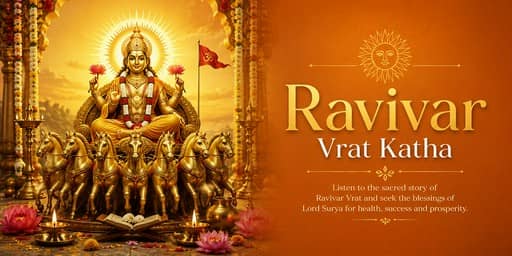
Ravivar Vrat Katha
"Ravivar Vrat is the Sunday vrat dedicated to Surya Dev. Sunday itself is named after Ravi, one of Surya's many names. The vrat is observed by devotees who seek the Sun's blessing for self-confidence, recognition, and the dignified strength that only Surya gives. Tradition holds that those who keep the Ravivar Vrat with sincerity see their reputation rise, their inner authority grow, and their public standing strengthen. The vrat is especially powerful for those whose efforts have gone unrecognised despite hard work."
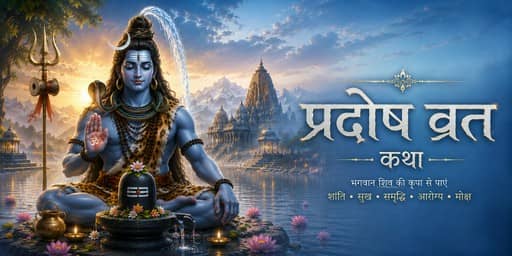
Pradosh Vrat Katha
"Pradosh Vrat is observed on the Trayodashi tithi, the thirteenth lunar day of every fortnight. The word pradosh means "the time at twilight," and refers to the sacred window between sunset and nightfall. Tradition holds that during this window, Lord Shiva dances on Mount Kailash while all the gods watch in devotion. Devotees who observe Pradosh Vrat receive Shiva's grace at his most joyful, most generous moment. The vrat is observed by households across India for the blessing of children, health, and the resolution of long-standing struggles."
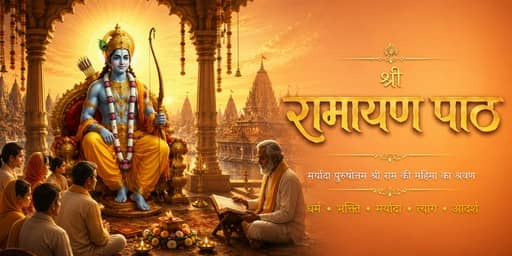
Ramayana Path
"The Ramayana is the original epic of Lord Ram's life. Composed by Maharishi Valmiki, it is the oldest written telling of the story. Twenty-four thousand verses across seven kandas, recounting Ram's birth, his exile, his battle with Ravana, and his return to Ayodhya. The Ramayana is not just a story. It is a guide to dharmic living. Every relationship, every decision, every choice in the epic carries a lesson. To have the Ramayana recited in one's home is to invite the energy of dharma itself into the family."
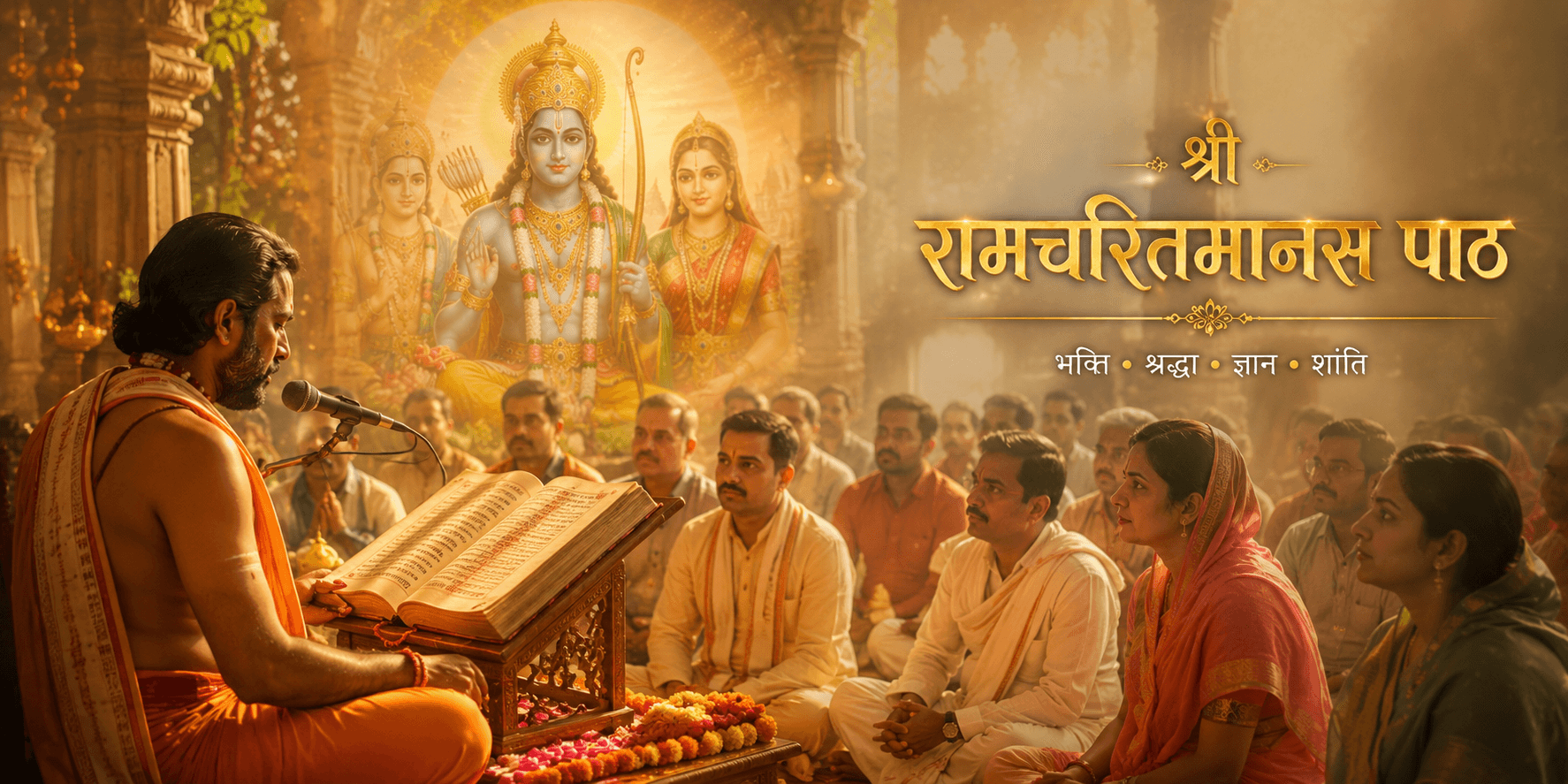
Ramcharitmanas Path
"The Ramcharitmanas is the retelling of the Ramayana by the saint-poet Tulsidas. Written in Awadhi, the language of the common people of his time, the text made the story of Lord Ram accessible to every household. Where Valmiki's Sanskrit Ramayana was studied by scholars, Tulsidas's Ramcharitmanas became the song of every family. For four hundred years, devotees have recited it at home, sung its verses at gatherings, and turned to it during times of difficulty. The Ramcharitmanas is the most beloved version of the Ramayana in India today."
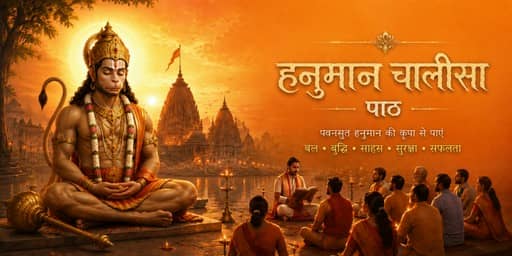
Hanuman Chalisa Path
"The Hanuman Chalisa is the most recited prayer in all of Hindu tradition. Forty verses written by Tulsidas in Awadhi, it tells the story of Hanuman's strength, his devotion to Ram, and his ability to lift any difficulty a devotee places before him. Tradition holds that wherever the Hanuman Chalisa is recited with sincerity, no harm can come. Families recite it before journeys. Students recite it before exams. Devotees recite it daily as a shield against fear. It is the most accessible, most powerful Hanuman prayer in existence."
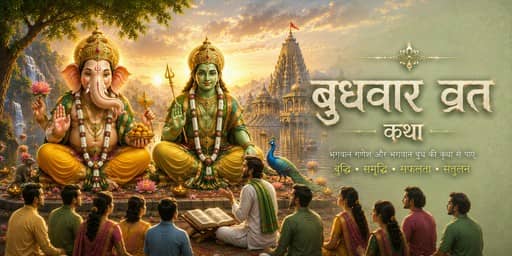
Budhwar Vrat and Katha
"Budhwar Vrat is the Wednesday vrat dedicated to Budh Dev. Wednesday itself is ruled by Budh (Mercury), the planet of intellect, communication, and skilled work. The vrat is observed by devotees seeking sharper thinking, better speech, business growth, and family happiness. Lord Ganesha and Lord Krishna are invoked alongside Budh Dev. Ganesha is the deity of intellect itself. Krishna is the master of speech and persuasion. Together with Budh, they form the most powerful combination for everything Mercury governs."
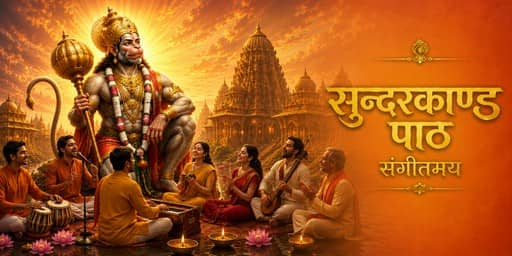
Sundarkand Path Sangeetmaya
"Sundarkand Path Sangeetmaya is the melodic, musical recitation of the Sundar Kand. The fifth chapter of the Ramcharitmanas. The same chapter where Hanuman crosses the ocean, finds Mata Sita, faces Ravana's court, and burns Lanka. The Sangeetmaya version adds melody, rhythm, and traditional instruments to the recitation. The verses are sung rather than read. The energy that results is different from a quiet path. It fills the home. It lifts the spirits of every listener. Families often book this version for celebrations, for housewarmings, and for the joyful welcome of Hanuman's grace."
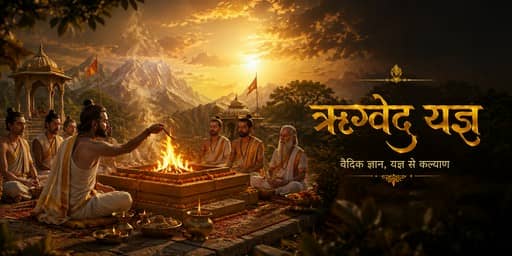
Rigveda Yajna
"The Rigveda is the oldest scripture in the Hindu tradition. The first of the four Vedas. Composed thousands of years ago, it contains over a thousand hymns dedicated to the gods, with the largest number addressed to Indra (the king of the gods) and Agni (the sacred fire). The Rigveda Yajna is the fire ritual built around these original hymns. It is one of the most powerful and most ancient yajnas in existence. To have it performed is to participate in the same tradition that the earliest sages of India established."
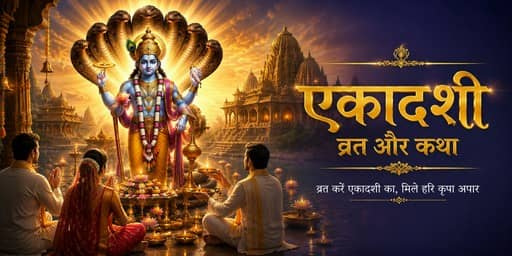
Ekadashi Vrat and Katha
"Ekadashi is the eleventh lunar day of every fortnight. There are twenty-four Ekadashis in a year, and each one carries the blessing of Lord Vishnu. The vrat is observed by devotees who fast through the day, listen to the Ekadashi katha, and break the fast only on Dwadashi, the day after. Tradition holds that observing Ekadashi Vrat for a year cleanses every sin and grants the devotee a place at Vishnu's feet. It is one of the most beloved vrats in the entire Hindu tradition."