
Divine Collection
Peace
-puja-651bd1c3052302caf9a15365-66742566-s.jpg&w=3840&q=70)
Deepawali (Diwali) Puja
"Deepawali (Diwali) is the biggest festival in the Hindu calendar. Every family prepares for it weeks in advance. The home is cleaned, diyas are lit, and everything is kept ready before the muhurat arrives. Mata Lakshmi walks the earth that night. She enters homes that are waiting. The ones that are not, she skips."
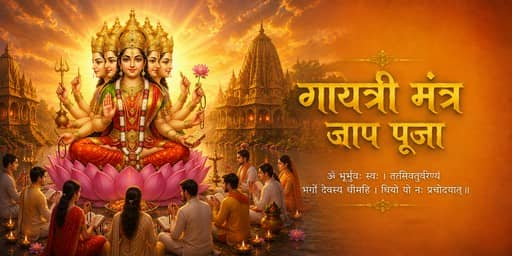
Gayatri Mantra Jaap Puja
"The Gayatri Mantra is called the mother of all Vedic mantras. Sage Vishwamitra first revealed it in the Rigveda. It is a prayer to Savitr, the divine source of light. It asks for one thing only. That our intellect be lit, and our path guided by wisdom."
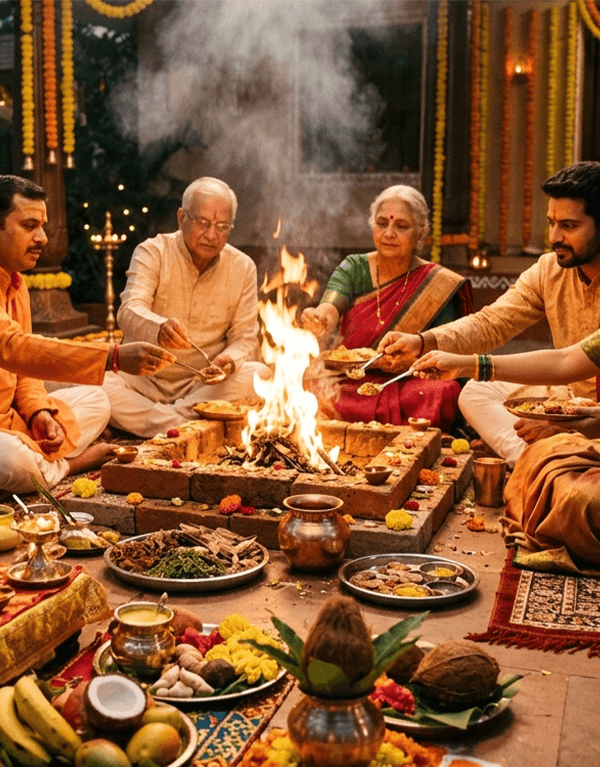
New Year Puja and Yajna
"The Hindu New Year begins in the month of Chaitra. Its first day is known as Gudi Padwa or Ugadi. Tradition holds that Lord Brahma made the world on this day. It is one of the most blessed starts in the whole calendar. This puja calls on Lord Vishnu, the keeper of the world. It seeks his grace for the whole year ahead. A good start is said to shape the whole year. The yajna carries the prayer for plenty and peace through fire. Families begin the year with worship and not with worry. They ask for success in every task of the coming months."
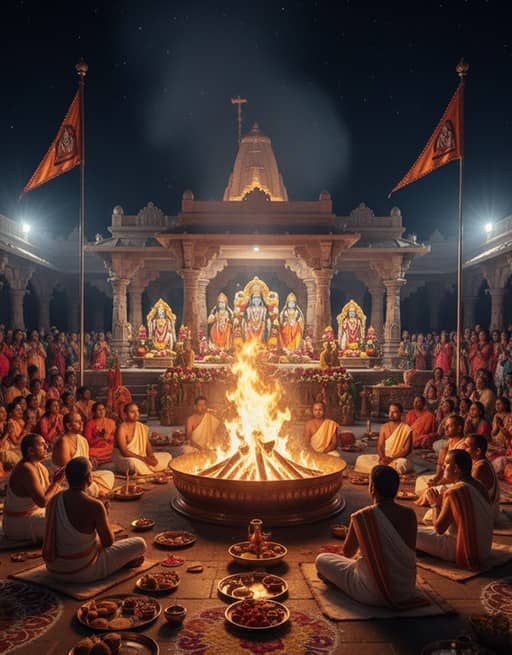
Shree Ram Mahayagya
"Lord Ram is the seventh avatar of Vishnu. The world reveres him as Maryada Purushottam, the perfect man. His life is the story of duty, truth, and honour. He kept every promise even at the cost of his throne. The Ramayan tells how he won over evil with grace. This mahayagya is a grand fire worship in his name. It calls on his strength for peace, courage, and a right path. The yajna carries the prayer to the Lord through fire. It clears strife from the home and brings calm to the mind. Devotees seek his blessing for an honest and steady life."
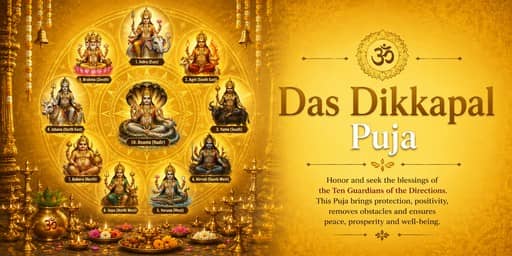
Das Dikkapal Puja
"The shastras name ten guardians who rule the ten directions. They are led by Indra and called the Das Dikkapal. Each one watches over a side of the world. Indra guards the east and Yama the south. Varuna guards the west and Kubera the north. The others hold the corners, the sky, and the earth below. Together they keep the whole space around us safe. This puja honours all ten guardians in one worship. It seeks their blessing for protection on every side. With them pleased, no harm can enter from any direction. The seeker then moves forward without a block."
Sheetla Mata Puja and Yajna
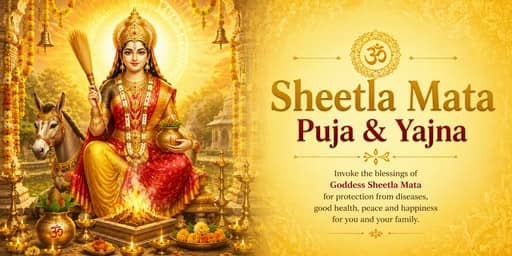
"Sheetala Mata is the cooling form of the Divine Mother. Her name means the one who brings coolness and calm. Hindu tradition reveres her as the goddess who guards against disease. People worship her to keep illness away from the home. She rides a donkey and carries a pot of healing water. Her worship is most loved in the hot months of the year. Mothers pray to her for the health of their children. She cools fever, heals the body, and brings peace to the home. Her blessing is said to bring success and plenty too. Devotees have turned to her for protection for ages."
Banana Tree Puja
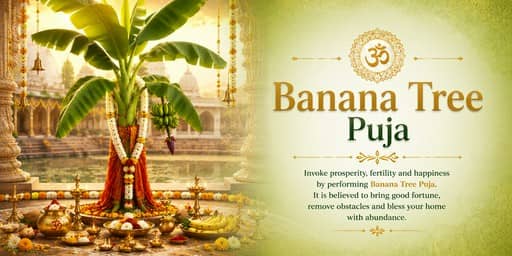
"The banana tree is sacred in Hindu worship. Tradition links it to Guru Brihaspati, the planet of wisdom and fortune. It is also dear to Lord Vishnu and Lord Krishna. A weak Brihaspati in the chart delays marriage and growth. It can also block learning, wealth, and respect. This puja worships the banana tree to strengthen that planet. The tree stands for plenty, faith, and a clean life. Devotees water its roots and tie sacred threads to it. They walk around it and offer prayers for their wishes. The worship is most loved on Thursdays, the day of the Guru."
Mahalay Shradh Puja
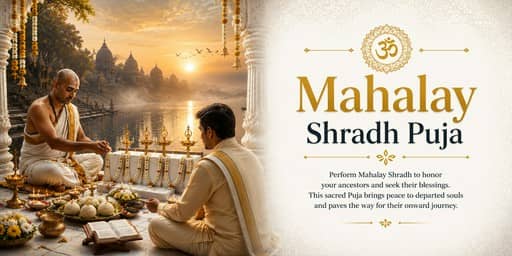
"Mahalay Shradh falls in the sacred fortnight of Pitru Paksha. Hindu tradition holds that the ancestors come down to earth then. They wait for their children to offer them food and water. To skip this duty is said to leave the forefathers hungry. Their rest depends on the care the family gives. This puja offers pind and tarpan to the departed. It honours them on their own death date within the fortnight. The grace of pleased ancestors then flows to the living. It brings peace, plenty, and joy to the home. Families have kept this duty for countless generations."
Mangla Gauri Puja
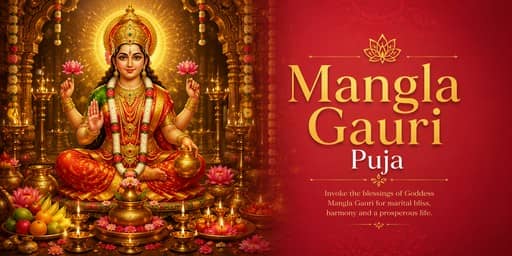
"Mangla Gauri is a loving form of Mata Parvati. She is one of the great Shakti forms revered in Kashi. The shastras hold her as the giver of married joy. Unmarried girls pray to her for a good husband. Married women pray to her for the long life of their spouse. She also blesses couples with healthy children. Her worship clears the Manglik Dosh from the chart. This dosh often delays or troubles a marriage. Mangla Gauri removes that block and smooths the path. Her grace brings peace and harmony to the home. Devotees worship her on Tuesdays and in the month of Shravan."

Lakshmi Ganapati Hawan Puja
"This puja joins Mata Lakshmi with Lord Ganapati in a sacred fire. Ganapati clears the blocks that hold a person back. Lakshmi then brings wealth that stays and does not slip away. The shastras call this lasting wealth sthir Lakshmi. Many earn well but cannot hold their money. This puja works to fix that very problem. The havan, or fire ritual, carries the prayers straight to the gods. Each offering into the fire is a step toward plenty. Business families turn to this puja for steady growth. It is most loved at Diwali, the festival of Lakshmi."
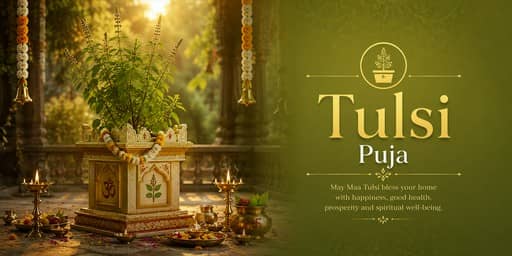
Tulsi Puja
"The Tulsi plant is the holiest plant in Hindu homes. Tradition reveres it as a form of the goddess herself. Lord Vishnu is said to love Tulsi above all leaves. No worship of Vishnu is complete without her. This puja honours Mata Tulsi with the sacred Shaligram. The two stand for the divine bond of Vishnu and his consort. Many homes hold a Tulsi Vivah, the wedding of the plant. Where Tulsi is worshipped, peace and plenty stay. The plant clears the air and guards the home. Its worship brings joy, wealth, and family growth. Devotees water it and light a lamp by it each evening."

Dashavatar Vishnu Puja
"Lord Vishnu is the protector of the whole universe. Whenever evil rises on earth, he takes birth to set things right. The shastras name his ten great avatars as the Dashavatar. They are Matsya the fish and Kurma the tortoise. Then come Varaha the boar and Narasimha the man-lion. After them come Vaman, Parshuram, Ram, and Krishna. The last two are Buddha and Kalki, who is yet to come. Each form saved dharma at its own hour of need. This puja honours all ten together in one worship."