
Divine Collection
Peace
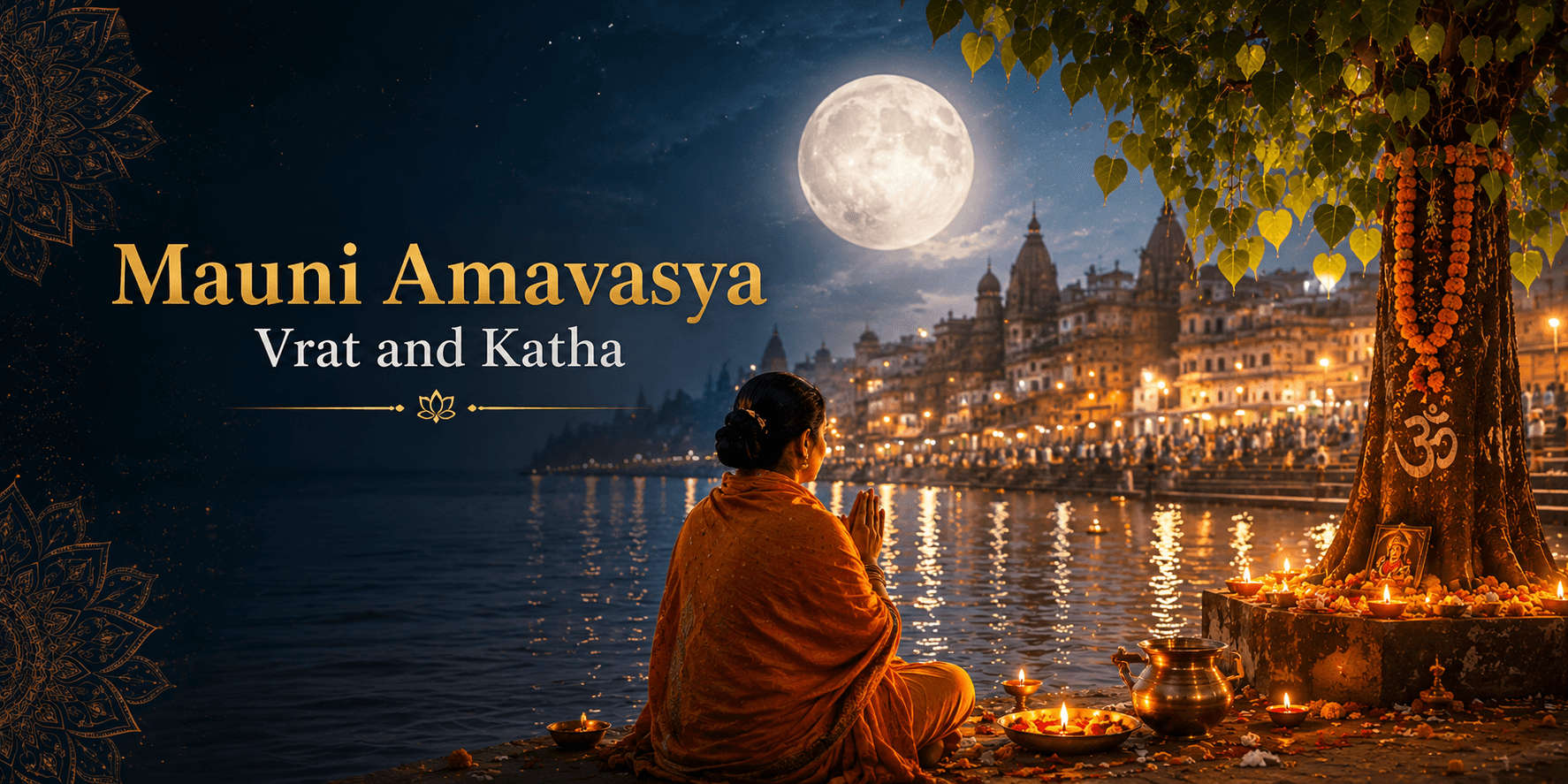
Mauni Amavasya Vrat and Katha
"Mauni Amavasya is the new moon of the month of Magha. The word mauni means "the one who keeps silence." On this day, devotees observe a sacred fast, refrain from speech, and meditate in silence by the Ganga. Tradition holds that on this day, the sage Manu was born, the first ancestor of humanity. The day also falls during the holiest stretch of Magha Mela. Devotees bathe in the Ganga, worship the Pipal tree, and silently pray for the cleansing of every sin from this life and from past lives."
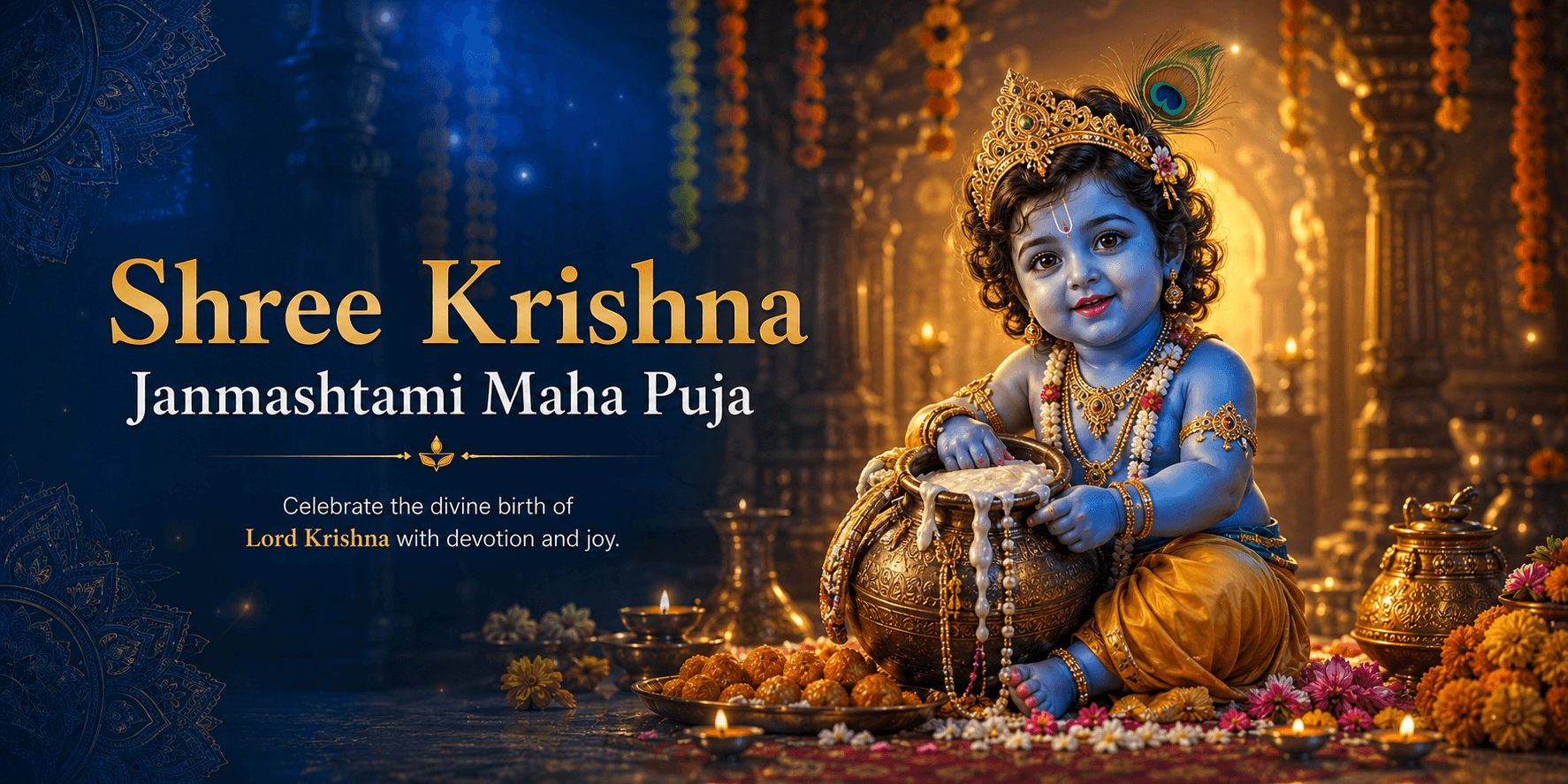
Shree Krishna Janmashtami Maha Puja
"Janmashtami is the birth anniversary of Lord Krishna. The night Vishnu took human form to end the rule of the tyrant Kansa. Tradition holds that Krishna was born in a prison cell in Mathura to Devaki and Vasudev, on the eighth lunar day of Krishna Paksha in the month of Bhadrapada. The chains fell open. The doors opened by themselves. Vasudev carried the infant across the flooded Yamuna to safety. The whole cosmos held its breath for this child's arrival. Devotees stay awake through the night, chanting his name, until the moment of his birth at midnight."
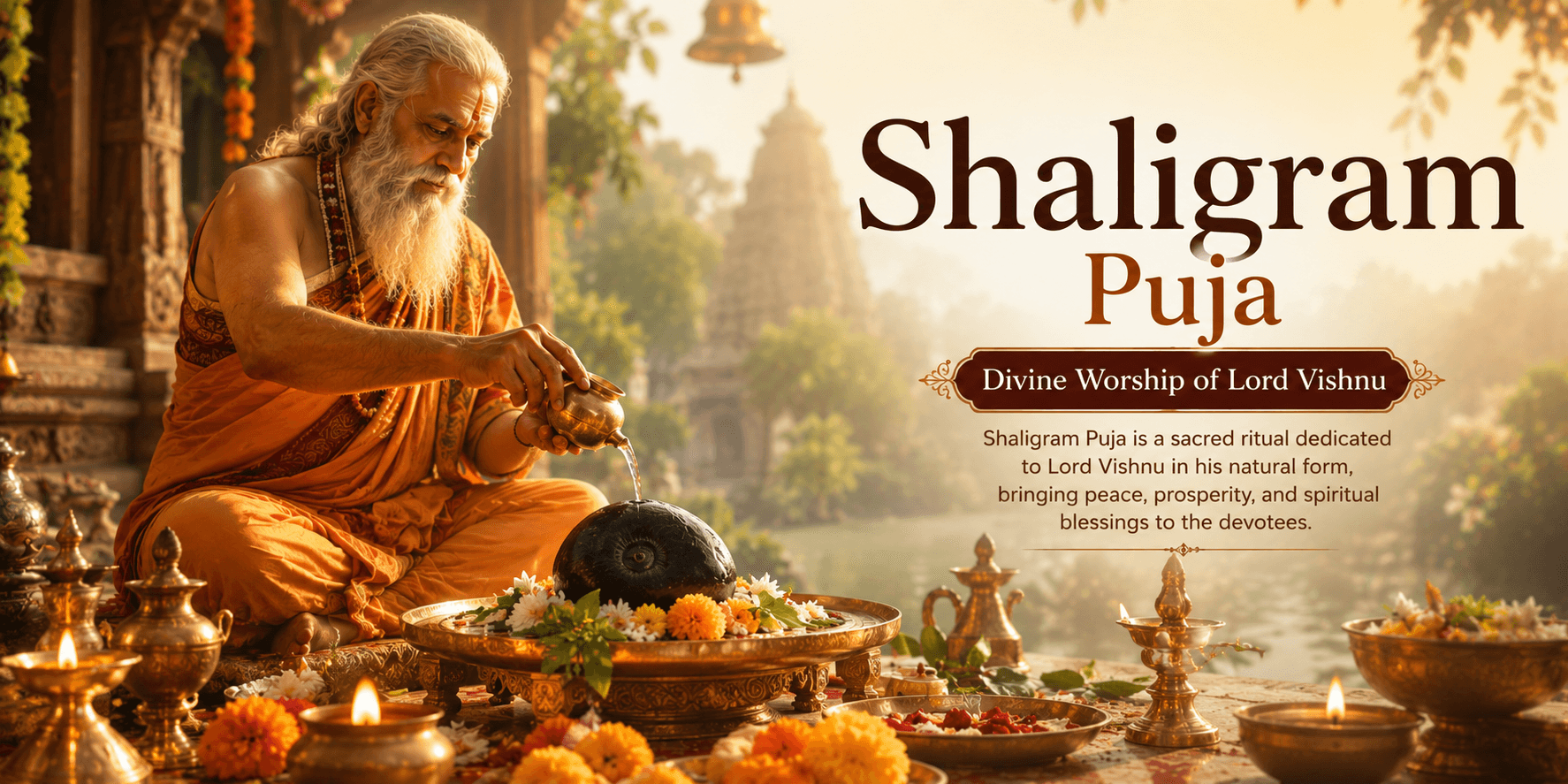
Shaligram Puja
"The Shaligram is a black, round stone found in the Gandaki river in Nepal. People have worshipped it for ages as a living form of Lord Vishnu. It needs no carving and no pran pratishtha. Tradition holds that Vishnu himself resides inside the stone. Each Shaligram carries marks and lines that point to a different form of the Lord. Some show Krishna, some show Narasimha, some show Vaman. Where the Shaligram is worshipped with love, Mata Lakshmi stays close by. She brings wealth, peace, and unity to that home. For this reason families keep it as the heart of their daily worship."

Annapurna Puja
"Annapurna is the Mother who feeds the whole world. Her name means the one who is full of food and plenty. She is a form of Mata Parvati and the queen of Kashi. Tradition tells that Lord Shiva himself begged food from her hands. She holds a golden ladle and a bowl that never runs empty. People say no one in her city of Kashi goes hungry. Her worship brings plenty to the home and steady work to its people. It removes the fear of want and the worry of empty days. Devotees seek her for a life that is full and secure. Her grace keeps the kitchen warm and the family fed."
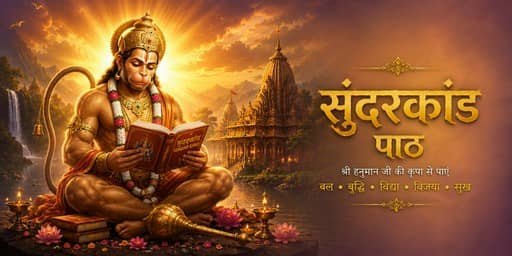
Sundar Kand Path
"Sundar Kand is the fifth chapter of the Ramcharitmanas, written by Tulsidas. It tells one story without a break. Hanuman crosses the ocean to Lanka. He finds Mata Sita. He faces Ravana's court without fear. He burns Lanka and returns with the news that changes everything. Of all the chapters in the Ramcharitmanas, only Sundar Kand has this quality. Every event in it ends in success."
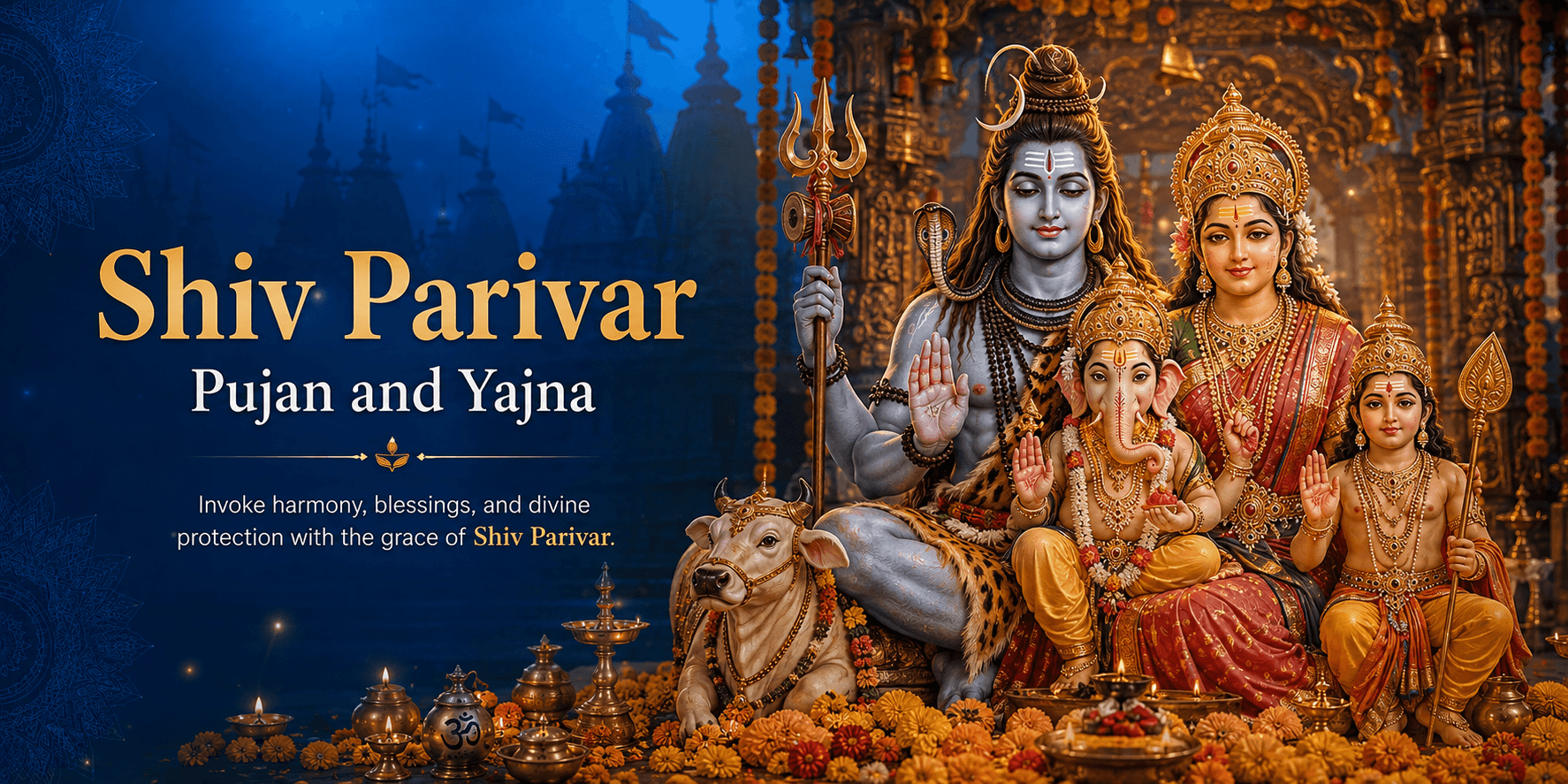
Shiv Parivar Pujan and Yajna
"The Shiv Parivar is the divine family. Lord Shiva. Mata Parvati. Lord Ganesha. Lord Kartikeya. Nandi, the sacred bull. Together they are the original family of the cosmos. The model of harmony, mutual love, and family devotion. To worship the Shiv Parivar together is to invite all of these blessings into the devotee's own home. Each member of the family carries a specific grace. Together, they bless the home with completeness."
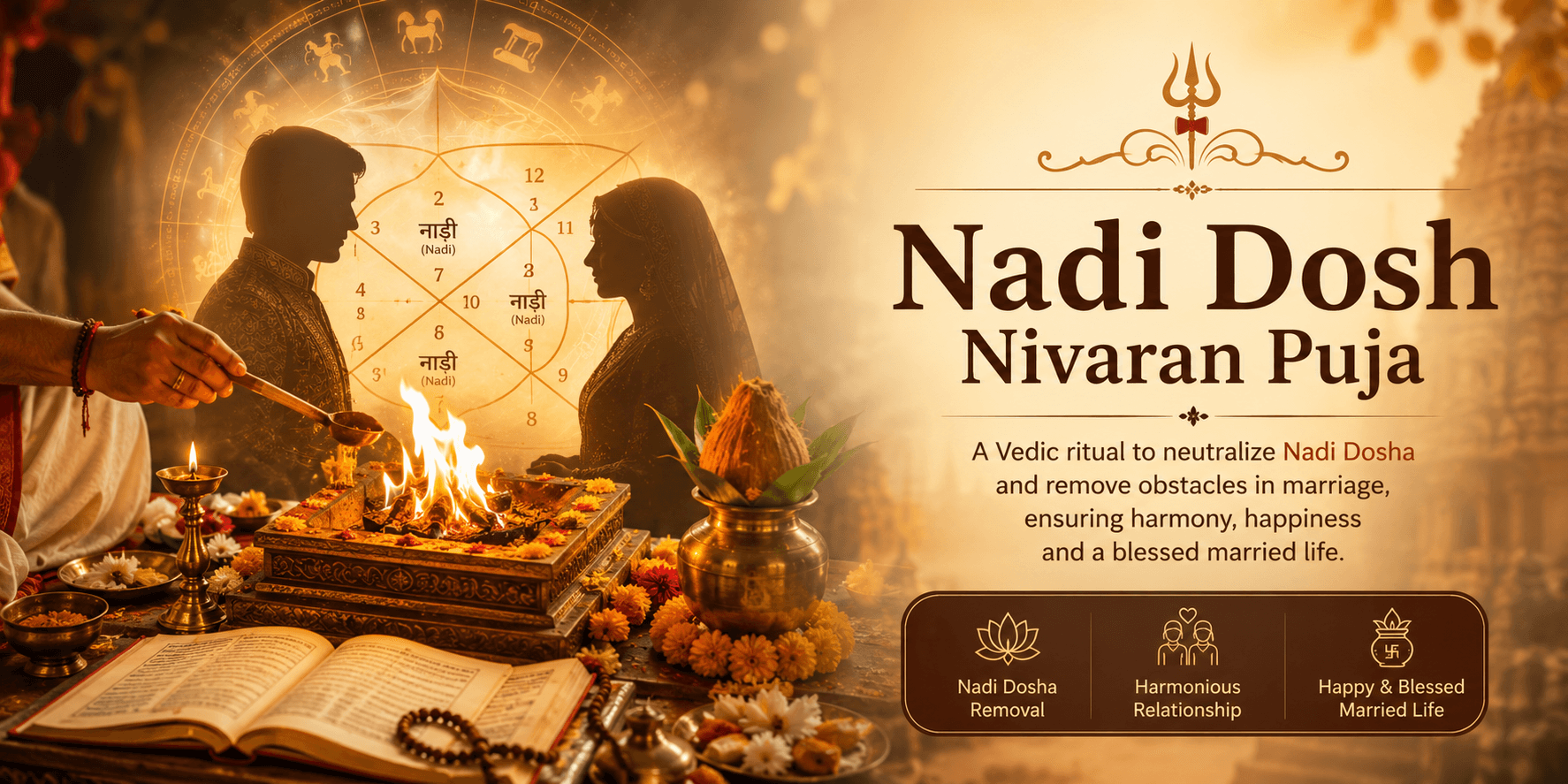
Nadi Dosh Nivaran Puja
"This puja addresses three related compatibility doshas identified during kundli milan. Nadi Dosh forms when both partners share the same Nadi, one of three energy currents in Vedic astrology. Gan Dosh forms when the partners belong to incompatible gans (Deva, Manushya, or Rakshasa). Nadi Dosh affects marital harmony at a deeper level. All three can shake the foundation of a marriage if left unaddressed."
-puja-65265027289f0ede88af4b82-92241301-s.jpg&w=3840&q=70)
Gau (Cow) Puja
"The cow is the most sacred animal in Hindu tradition. She is called Gau Mata, the mother cow. Tradition holds that all the gods reside within her body. Lord Brahma in her face. Lord Shiva in her forehead. Lord Vishnu in her shoulders. The Ganga, the Yamuna, and the Saraswati in her hooves. To touch a cow with devotion is to touch every deity at once. To offer her food and worship her is to honour the source of life itself, since the cow gives milk to humans and feeds the soil for every crop."
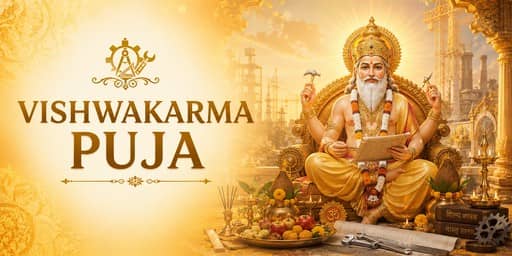
Vishwakarma Puja
"Vishwakarma is the divine architect of the cosmos. He is called Dev Shilpi, the celestial craftsman. Tradition holds that he designed the city of Lanka in gold, the city of Dwarka for Lord Krishna, the palace of Indra in heaven, and the weapons of the gods themselves. His blessing rests on every tool, every machine, every workplace, and every piece of work created with skill. To worship Vishwakarma is to ask the original architect to bless the work of one's own hands."
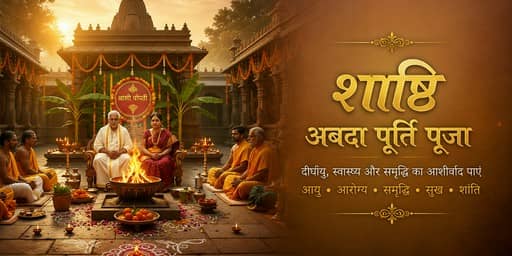
Shasthi Abda Poorti Puja
"Shasthi Abda Poorti is the ceremony performed when a person completes sixty years of life. The number sixty holds deep meaning in the Vedic calendar. It marks the completion of one full cycle of cosmic time. The person has lived through every combination of the five elements, the nine planets, and the lunar cycles. The ceremony honours this milestone. It is a moment of gratitude for the years lived, and a fresh blessing for the years ahead."
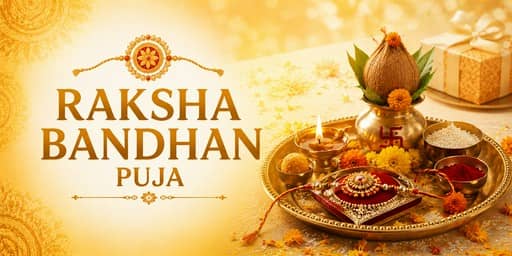
Raksha Bandhan Puja
"Raksha Bandhan is the festival of sacred protection. The word raksha means "protection," and bandhan means "bond." On this day, sisters tie the sacred raksha thread on their brothers' wrists, asking the divine to keep them safe through the year ahead. Brothers, in return, vow to protect their sisters always. The bond is older than the festival itself. Tradition holds that even the gods have tied raksha threads. Indrani once tied one on Indra before his battle with Vritra, and he won."