
Spiritual Growth & Peace
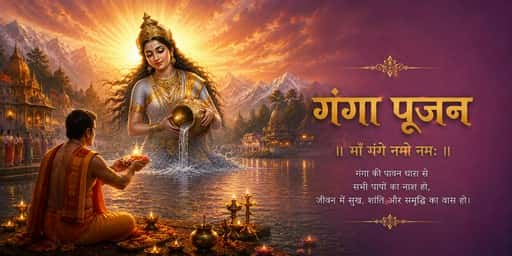
Ganga Pujan
"Ganga did not always flow on earth. Sage Bhagiratha did years of penance to bring her down, so her waters could free the souls of his ancestors. But her descent was so powerful, it would have shattered the earth. Lord Shiva caught her in his matted locks and let her flow gently onto the Himalayas. Since then, Ganga has been more than a river. She is the mother who takes away the sins of those who touch her waters."
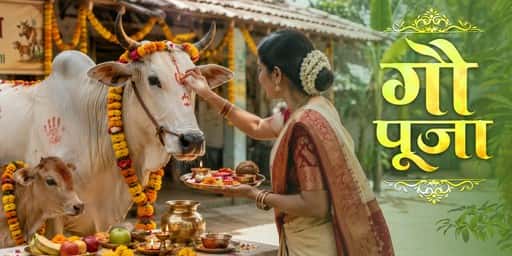
Gau Pujan (Gau Grass Feeding)
"Kamdhenu is the divine cow of Hindu tradition. The wish-fulfilling cow who emerged from the cosmic ocean during the great churning. Her name means "the cow of desires." Tradition holds that whoever worships Kamdhenu receives whatever they ask for, because she carries within her body all the gods, all the sacred rivers, and all the elements of the cosmos. She is also called Surabhi, "the fragrant one," and is the divine mother of all cows on earth. To worship Kamdhenu is to ask the most generous mother of the universe for her blessing."
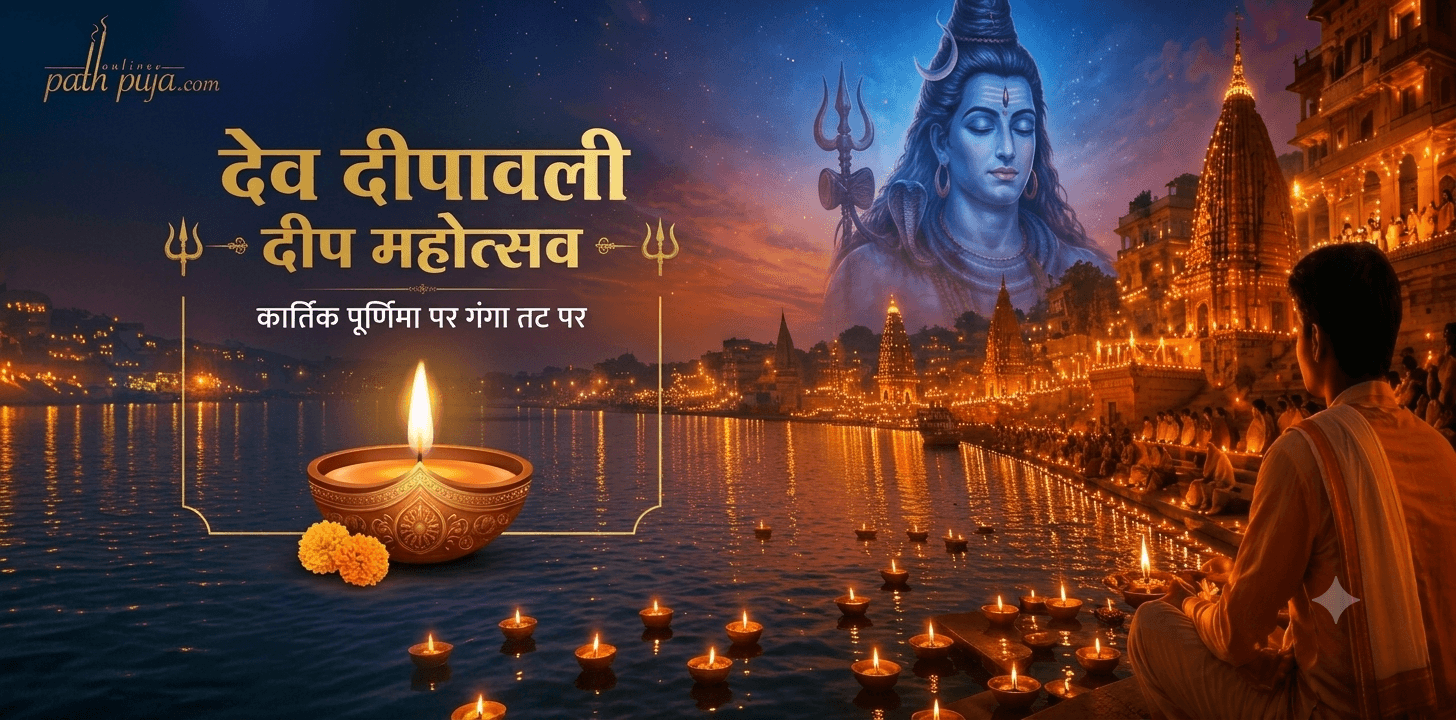
Dev Deepawali Deep Daan
"Dev Deepawali Deep Daan in Kashi - In Your Name and Gotra Celebrate the divine festival of Dev Deepawali by offering a sacred lamp on the holy banks of the River Ganga in Kashi, in your name and gotra. Seek the blessings of Lord Shiva and Maa Ganga and become a part of this timeless spiritual tradition. “Tamaso Ma Jyotirgamaya” - Lead me from darkness to light. Participate in this sacred Deep Daan seva through OnlinePathPuja and offer a lamp with devotion and prayers for peace, happiness, and prosperity for your family."
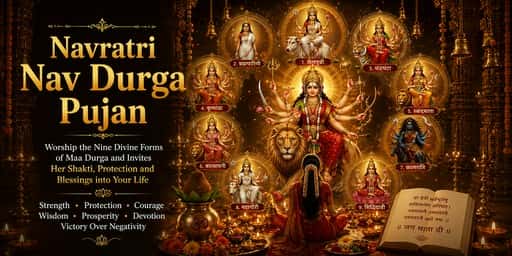
Navratri Nav Durga Pujan
"Navratri is nine nights of devotion to Maa Durga. Each night honours one of her nine forms. Shailputri, Brahmacharini, Chandraghanta, Kushmanda, Skandamata, Katyayani, Kaalratri, Mahagauri, and Siddhidatri. The first three days bring strength. The next three bring prosperity. The final three bring wisdom. By the ninth night, the devotee has been blessed by every form of the Mother."
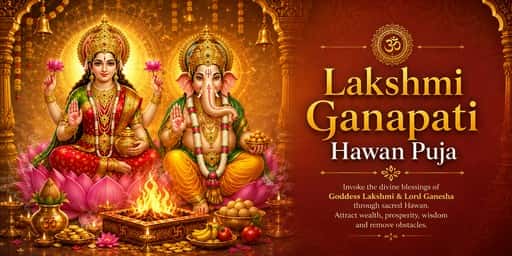
Lakshmi Ganapati Hawan Puja
"This puja joins Mata Lakshmi with Lord Ganapati in a sacred fire. Ganapati clears the blocks that hold a person back. Lakshmi then brings wealth that stays and does not slip away. The shastras call this lasting wealth sthir Lakshmi. Many earn well but cannot hold their money. This puja works to fix that very problem. The havan, or fire ritual, carries the prayers straight to the gods. Each offering into the fire is a step toward plenty. Business families turn to this puja for steady growth. It is most loved at Diwali, the festival of Lakshmi."
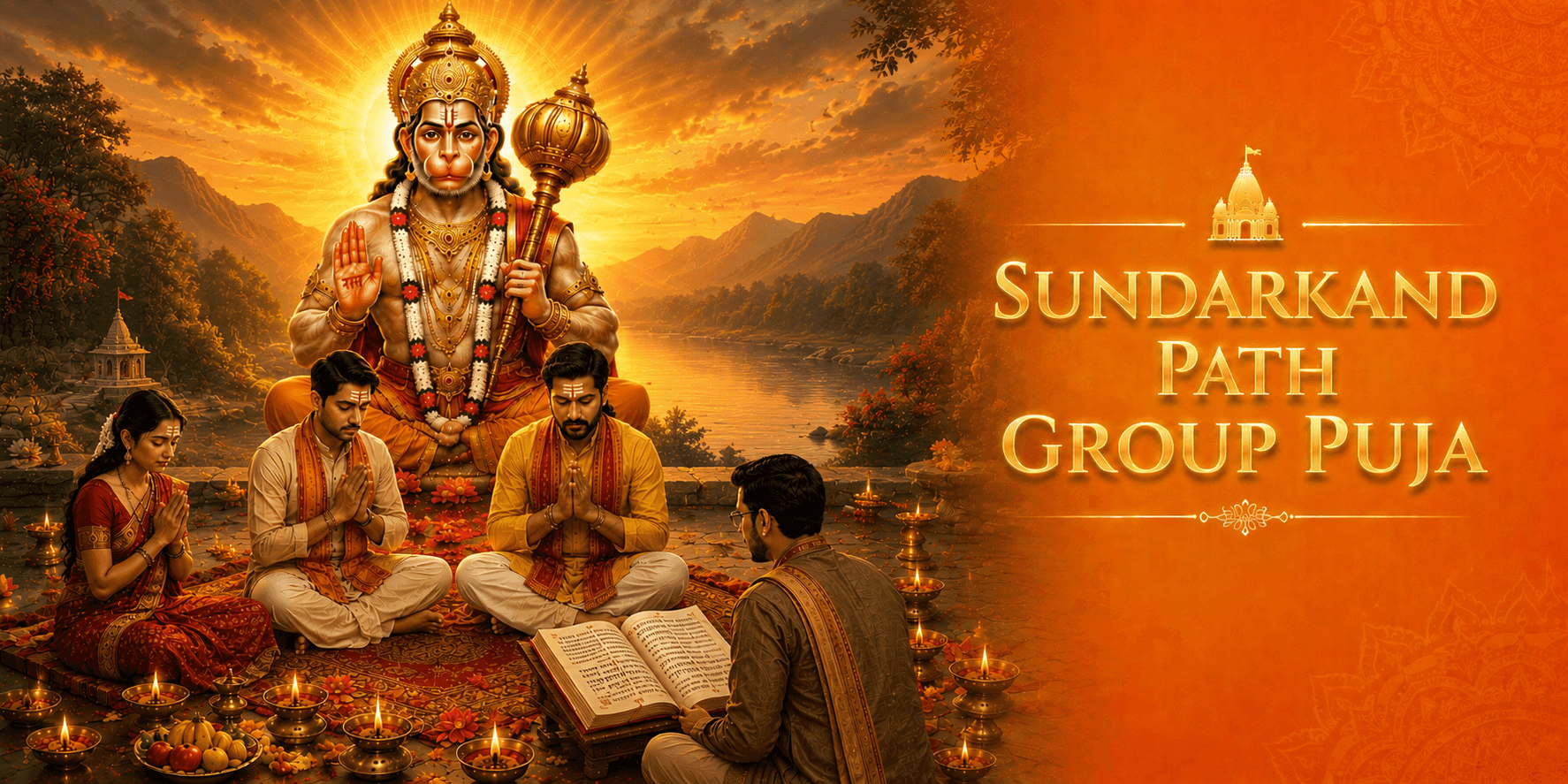
Sundarkand Path Group Puja
"Sundarkand is the most loved part of the Ramayan. Its name means the beautiful chapter. It tells of Hanuman's leap across the sea to Lanka. He went to find Mata Sita, held by Ravana. He crossed the ocean, found her, and gave her Ram's ring. He then burned Lanka and returned with hope. The whole chapter sings of his courage and faith. Of all the Ramayan, this part holds the most power. Its path is said to clear trouble and fear. It brings strength, wisdom, and the grace of Hanuman. Devotees recite it to defeat enemies and gain peace."
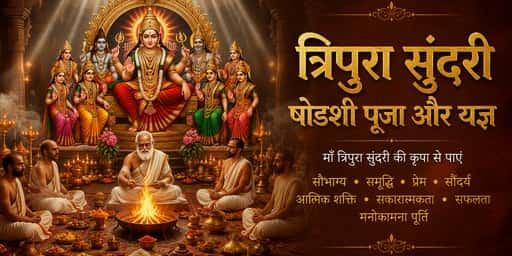
Tripura Sundari Shodashi Puja and Yajna
"This puja honours Tripura Sundari Mata, the third of the ten Mahavidyas, in her form as Shodashi. While the Shri Vidya path focuses on the deeper sadhana of the goddess, this puja focuses on her grace as a mother who blesses the home. It is the puja chosen by families who want her warmth more than her formal initiation. Tripura Sundari rules over the joy of being alive. The beauty of relationships. The blessing of a home that feels full. To worship her is to invite that fullness into daily life."
-group-puja-6527e18f5ccc5711cd862203-54243791.png&w=3840&q=60)
Deepawali (Diwali) Group Puja
"Deepawali is the biggest festival in the Hindu year. It marks the return of Lord Ram to Ayodhya. People light rows of lamps to welcome him home. The night is sacred to Lakshmi, the goddess of wealth. She walks the earth and enters homes that wait for her. The puja begins with Ganesh, who clears all blocks. It then turns to Lakshmi for wealth and plenty. This group puja joins many devotees in one worship. The shared prayer carries great strength on this night. It brings lasting wealth, fame, and growth in business. Devotees keep their homes clean and bright to receive the Mother."
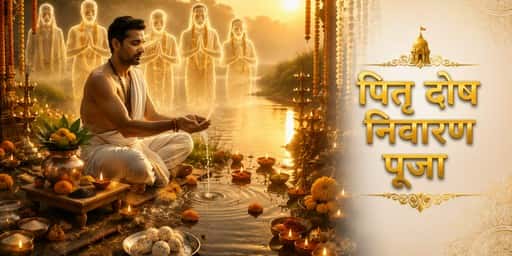
Pitra Dosh Nivaran Puja
"Pitra Dosh is an affliction passed down through the family lineage. It forms when the souls of departed ancestors have not received the rituals, prayers, or peace they were due. In Hindu tradition, the bond between the living and the ancestors is unbreakable. Every family carries within it the prayers and the unfulfilled wishes of those who came before. Sometimes also their lingering sorrows. When these remain unresolved across generations, they take the form of Pitra Dosh. A quiet shadow over the family's path. It is often felt as repeated obstacles in marriage, conception, education, and career, despite every effort. The dosh is not a curse. It is a calling. The ancestors are gently asking to be remembered, honoured, and finally released into peace."
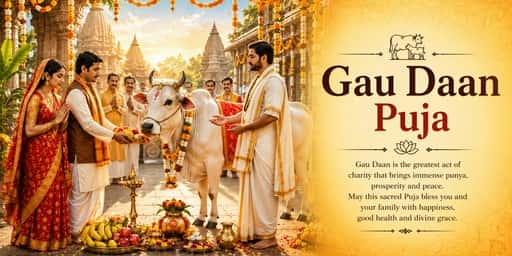
Gau Daan Puja
"Gau Daan means the gift of a cow. The shastras hold it as the greatest of all charity. To give a cow is to give a home to all the gods. Tradition says the cow carries the soul across after death. She helps it cross the river Vaitarani to the next world. This daan washes away the heaviest of old sins. It clears negative karma and the fear of the unknown. It is also the remedy for Nadi Dosh in a match. The gift brings the grace of Lord Krishna upon the giver. Devotees perform it before marriage and on holy days. It is one of the surest paths to moksha."
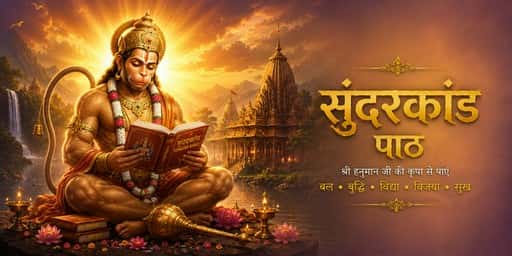
Sundar Kand Path
"Sundar Kand is the fifth chapter of the Ramcharitmanas, written by Tulsidas. It tells one story without a break. Hanuman crosses the ocean to Lanka. He finds Mata Sita. He faces Ravana's court without fear. He burns Lanka and returns with the news that changes everything. Of all the chapters in the Ramcharitmanas, only Sundar Kand has this quality. Every event in it ends in success."
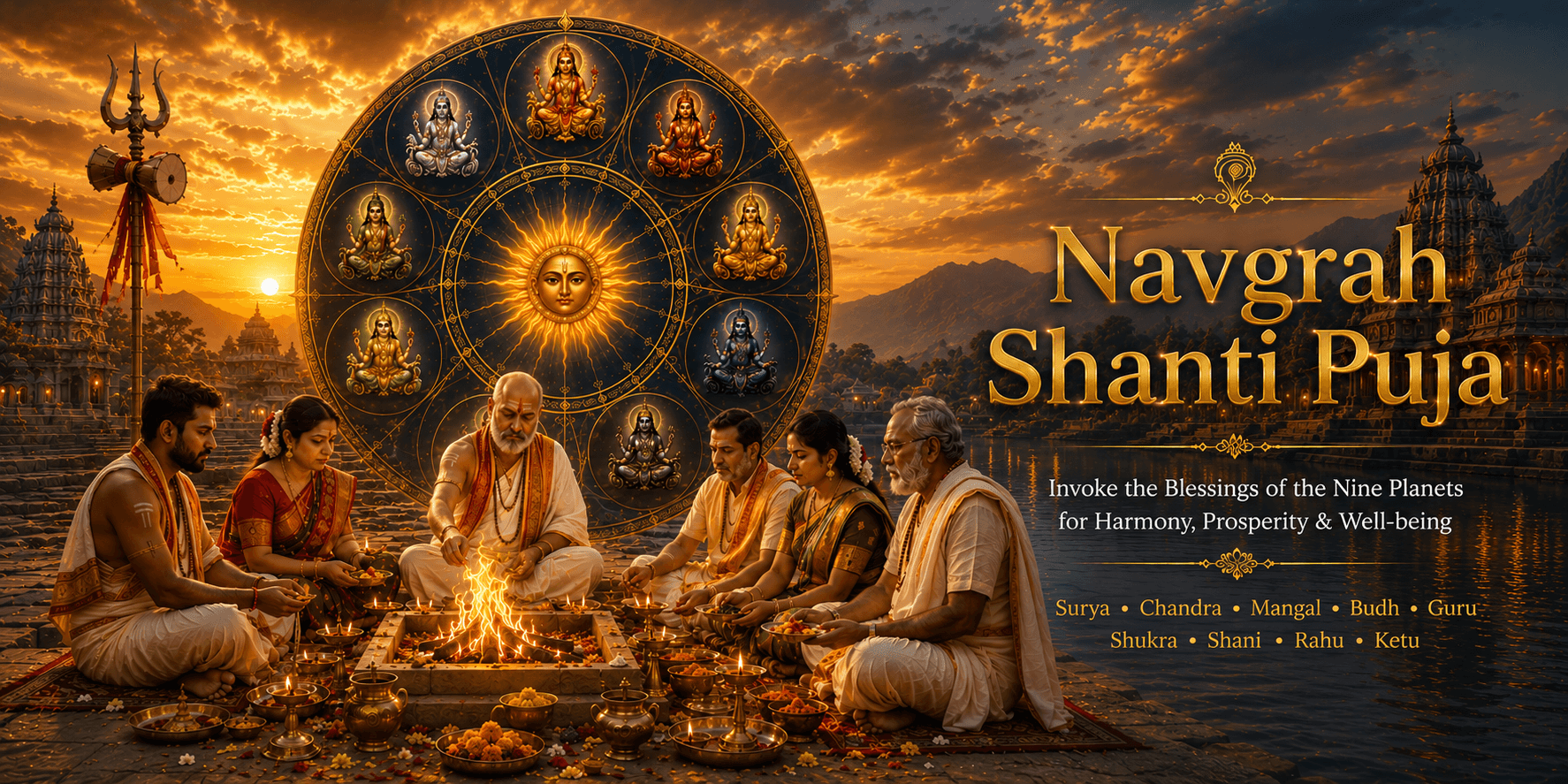
Navgrah Shanti Puja
"Every life is shaped by nine celestial forces. Surya, Chandra, Mangal, Budh, Guru, Shukra, Shani, Rahu, and Ketu. These are not distant stars. In Vedic tradition, they are living divine forces. At the moment of birth, their position imprints itself on the soul. That imprint is the birth chart. When the planets are favourably placed, life flows. When they fall into difficult positions, the devotee senses something is out of sync."