
Happy Life
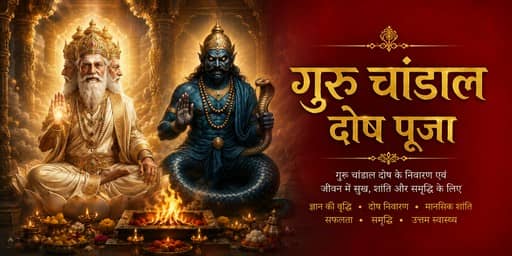
Guru Chandal Dosh Puja
"Guru Chandal Yog forms when Jupiter (Brihaspati, the cosmic teacher of wisdom) and Rahu (the shadow planet of confusion and craving) come together in the same house. The name carries the meaning. The noble teacher seated beside the unruly outcast. It is not cruel. It describes the inner tension this combination creates. Jupiter offers wisdom. Rahu offers temptation. The devotee's life becomes the battleground. Wisdom is heard but not heeded. Addictions take root despite intelligence. Friendships form with people who drag the devotee away from their better self."
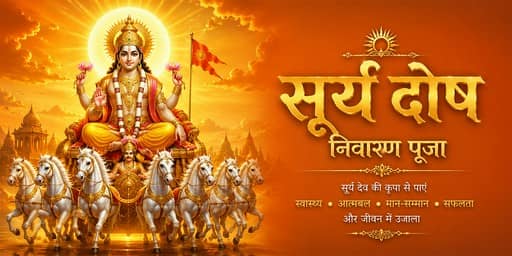
Surya Dosh Nivaran Puja
"Surya is the one deity every devotee can see with their own eyes, every day. The visible god. The giver of life. The centre of the entire solar system. In a birth chart, the Sun governs the soul, vitality, leadership, and the relationship with one's father. A Surya Grahan, the solar eclipse, is the moment his light is swallowed. The shastras treat this moment with great seriousness. A dosh born of the Grahan can dim recognition, weaken health, and hold back rightful advancement. This puja is performed to remove that shadow."
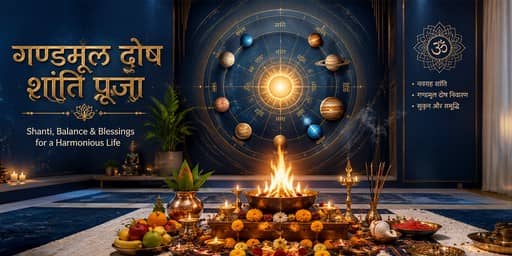
Gandmool Dosh Shanti Puja
"This puja is performed for newborn children born with one of two related afflictions. Mool Dosh and Gandant Dosh. Both come from where the Moon was placed at the moment of birth. Mool Dosh is identified when a child is born under one of the six Gandmool Nakshatras. Ashwini, Ashlesha, Magha, Jyeshtha, Mool, or Revati. Gandant Dosh is identified when a child is born at the precise junction between a water sign and a fire sign in the Moon's position. Cancer to Leo. Scorpio to Sagittarius. Pisces to Aries. These are the knots of the cosmos."
-dosh-nivaran-puja-651eaa3142dc48b9696749c9-92729134-s.jpg&w=3840&q=70)
Brihaspati (Guru) Dosh Nivaran Puja
"Jupiter is the most benefic of all planets in Vedic astrology. The great teacher. The cosmic father. He governs wisdom, righteousness, faith, marriage, and children. When Jupiter shines strong, life expands naturally. Partnerships form. Families grow. Wealth flows. When he is afflicted, the very things he is meant to bring become hard to receive. Marriage delays for no clear reason. Children do not come. Wisdom feels just out of reach when decisions matter most. The devotee senses the door that Jupiter normally opens is somehow shut."
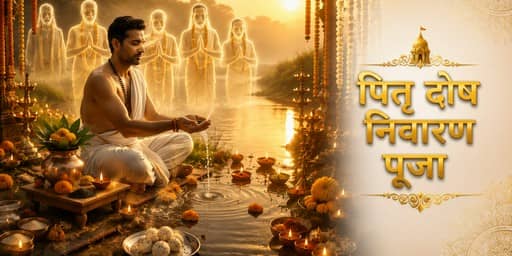
Pitra Dosh Nivaran Puja
"Pitra Dosh is an affliction passed down through the family lineage. It forms when the souls of departed ancestors have not received the rituals, prayers, or peace they were due. In Hindu tradition, the bond between the living and the ancestors is unbreakable. Every family carries within it the prayers and the unfulfilled wishes of those who came before. Sometimes also their lingering sorrows. When these remain unresolved across generations, they take the form of Pitra Dosh. A quiet shadow over the family's path. It is often felt as repeated obstacles in marriage, conception, education, and career, despite every effort. The dosh is not a curse. It is a calling. The ancestors are gently asking to be remembered, honoured, and finally released into peace."
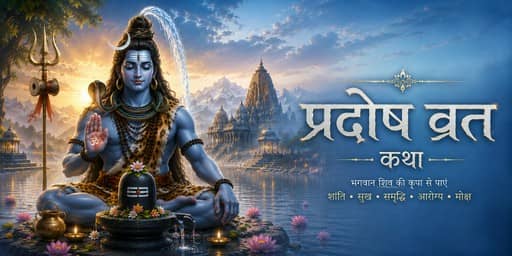
Pradosh Vrat Katha
"Pradosh Vrat is observed on the Trayodashi tithi, the thirteenth lunar day of every fortnight. The word pradosh means "the time at twilight," and refers to the sacred window between sunset and nightfall. Tradition holds that during this window, Lord Shiva dances on Mount Kailash while all the gods watch in devotion. Devotees who observe Pradosh Vrat receive Shiva's grace at his most joyful, most generous moment. The vrat is observed by households across India for the blessing of children, health, and the resolution of long-standing struggles."
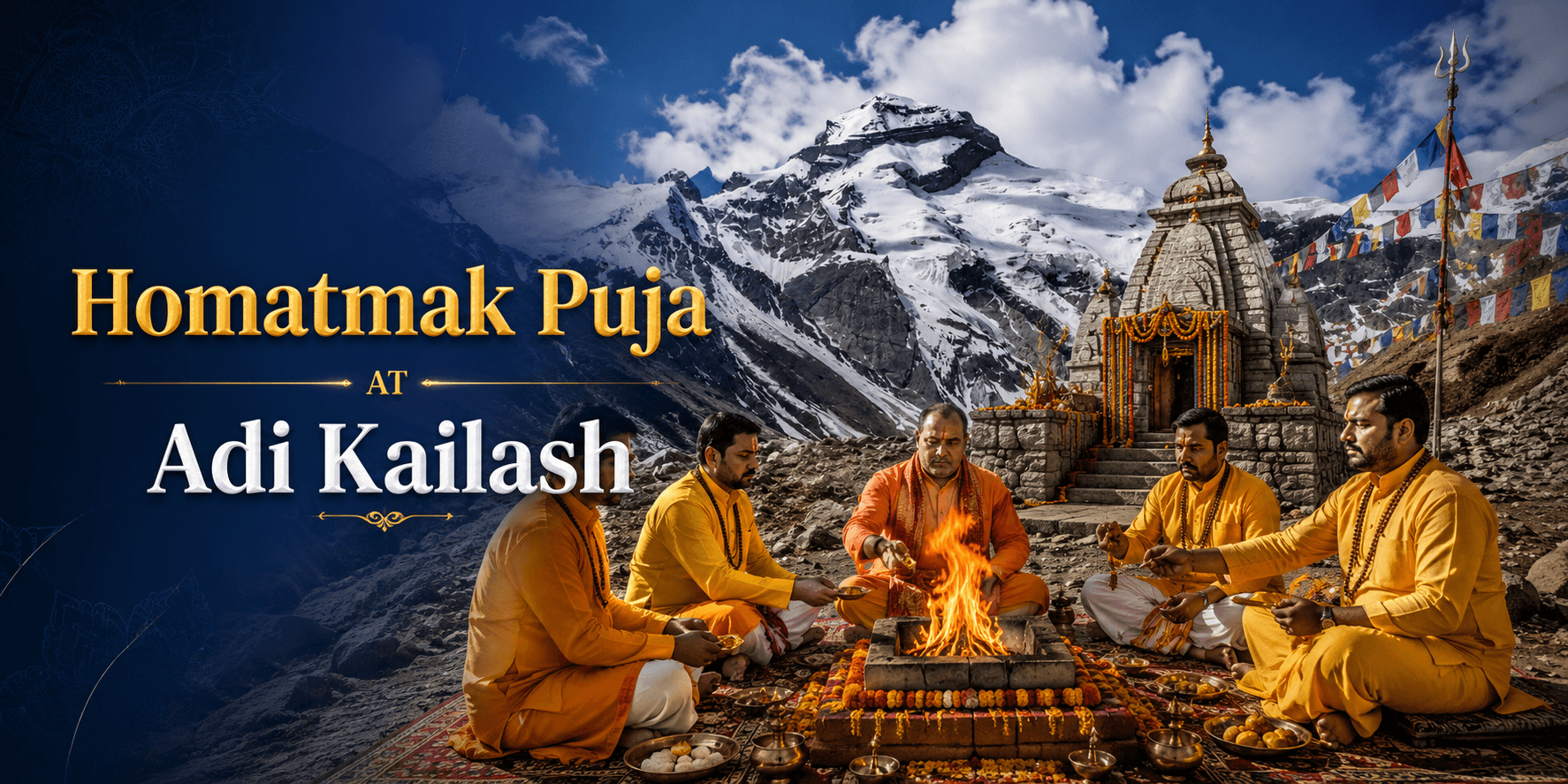
Adi Kailash Puja
"Adi Kailash is a sacred peak in the Himalayas. It is also known as Chhota Kailash, the lesser Kailash. The shastras hold it as a holy seat of Lord Shiva. Its form is much like the great Mount Kailash. The peak stands above a calm and clear lake. Few reach this far and high to worship there. A puja here is rare and full of merit. This homa is a fire worship of Lord Shiva. The sacred fire carries each prayer to the Lord. It brings health, peace, and a fresh strength for life. Devotees long for this worship at the seat of Shiva."
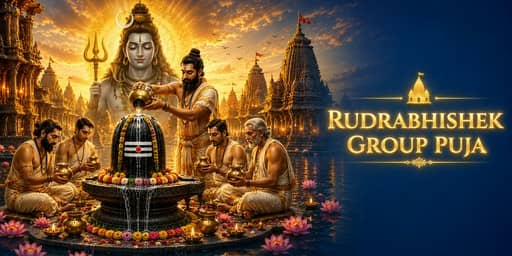
Rudrabhishek Group Puja
"Rudrabhishek is the sacred bathing of the Shivling. It is one of the most loved of all Shiva worships. Rudra is the fierce and healing form of Lord Shiva. The shastras say this rite pleases him the most. The Shivling is bathed in milk, curd, honey, and water. Each pour is made with the chant of the Rudra mantras. The bath washes away sin and clears all trouble. It brings health, peace, and the grace of Shiva. This group puja joins many devotees in one worship. The shared prayer carries great strength. Devotees seek Shiva's blessing for a calm and full life."
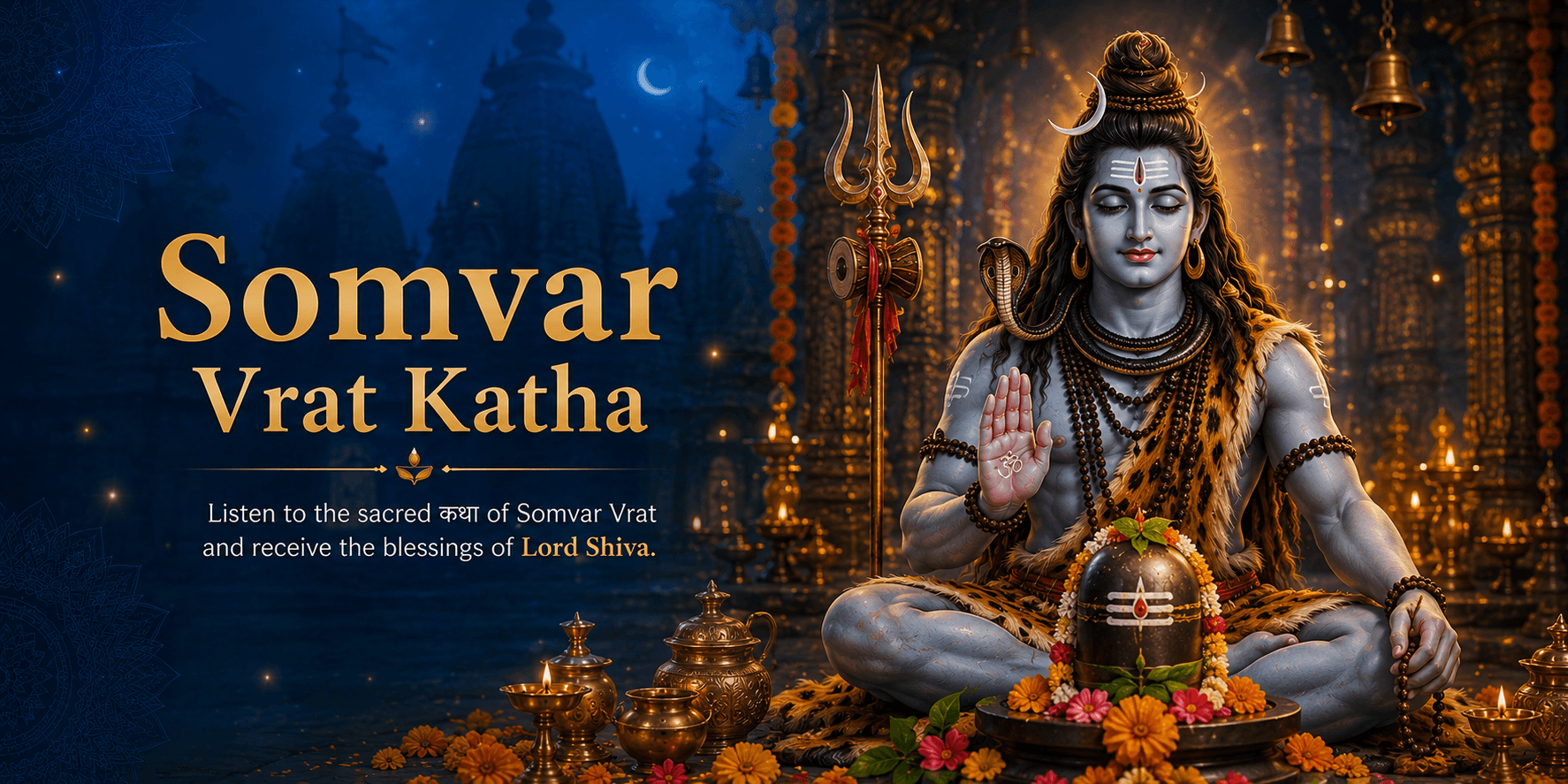
Somvar Vrat Katha
"Somvar Vrat is the Monday fast dedicated to Lord Shiva. Monday itself is the weekday ruled by the Moon, and sacred to Shiva, who wears the crescent moon on his head. The vrat is one of the most loved in the Hindu tradition. Devotees keep the fast through the day, worship the Shivling, and hear the Somvar Vrat Katha in the evening. Unmarried girls keep it to gain a good husband. Married women keep it for the long life of their spouse. Families keep it for health, peace, and the steady grace of Shiva."
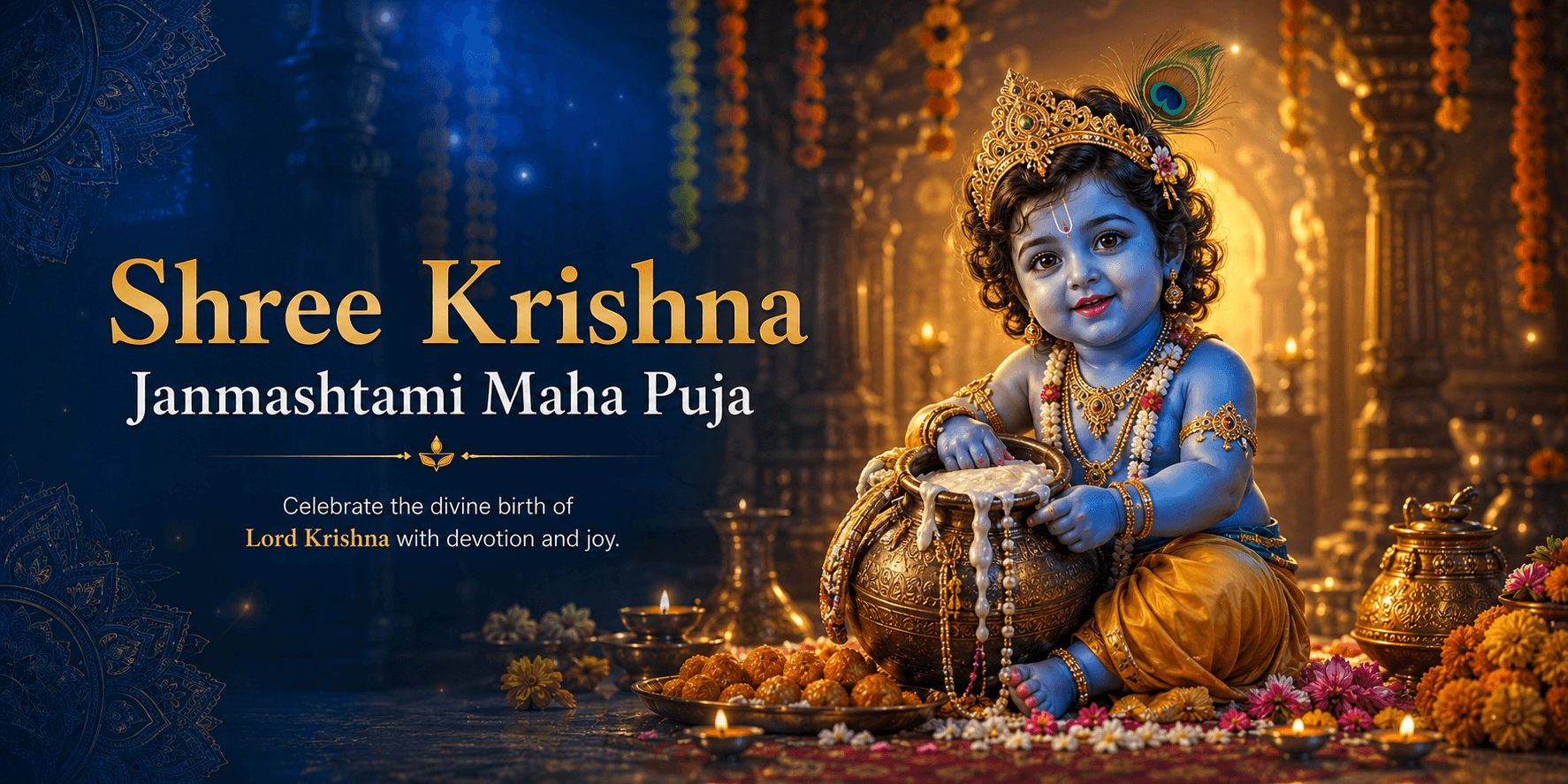
Shree Krishna Janmashtami Maha Puja
"Janmashtami is the birth anniversary of Lord Krishna. The night Vishnu took human form to end the rule of the tyrant Kansa. Tradition holds that Krishna was born in a prison cell in Mathura to Devaki and Vasudev, on the eighth lunar day of Krishna Paksha in the month of Bhadrapada. The chains fell open. The doors opened by themselves. Vasudev carried the infant across the flooded Yamuna to safety. The whole cosmos held its breath for this child's arrival. Devotees stay awake through the night, chanting his name, until the moment of his birth at midnight."
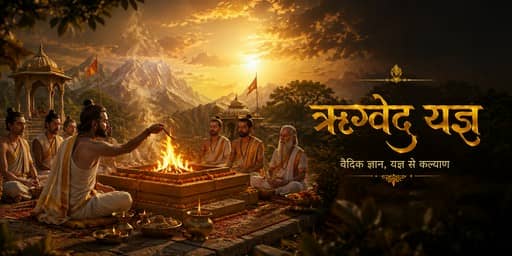
Rigveda Yajna
"The Rigveda is the oldest scripture in the Hindu tradition. The first of the four Vedas. Composed thousands of years ago, it contains over a thousand hymns dedicated to the gods, with the largest number addressed to Indra (the king of the gods) and Agni (the sacred fire). The Rigveda Yajna is the fire ritual built around these original hymns. It is one of the most powerful and most ancient yajnas in existence. To have it performed is to participate in the same tradition that the earliest sages of India established."
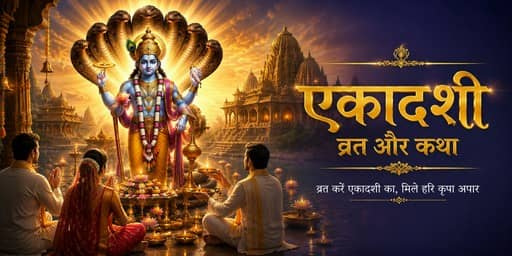
Ekadashi Vrat and Katha
"Ekadashi is the eleventh lunar day of every fortnight. There are twenty-four Ekadashis in a year, and each one carries the blessing of Lord Vishnu. The vrat is observed by devotees who fast through the day, listen to the Ekadashi katha, and break the fast only on Dwadashi, the day after. Tradition holds that observing Ekadashi Vrat for a year cleanses every sin and grants the devotee a place at Vishnu's feet. It is one of the most beloved vrats in the entire Hindu tradition."