Family Prosperity
Ganapati Atharvashirsha Puja
"The Ganapati Atharvashirsha Puja is the full ceremonial form of the Atharvashirsha tradition. Where the Path focuses on the recitation alone, the Puja adds the complete ritual framework. Sankalp at the beginning. The formal worship of Ganesha's idol. The Atharvashirsha recitation as the heart of the ritual. The havan to seal the offerings. The aarti to close the vidhi. The Atharvashirsha itself is unique. Drawn from the Atharva Veda, it declares Ganesha not just as a deity but as the supreme cosmic principle, the source of all reality."
Shaligram Puja
"The Shaligram is a black, round stone found in the Gandaki river in Nepal. People have worshipped it for ages as a living form of Lord Vishnu. It needs no carving and no pran pratishtha. Tradition holds that Vishnu himself resides inside the stone. Each Shaligram carries marks and lines that point to a different form of the Lord. Some show Krishna, some show Narasimha, some show Vaman. Where the Shaligram is worshipped with love, Mata Lakshmi stays close by. She brings wealth, peace, and unity to that home. For this reason families keep it as the heart of their daily worship."
Sundar Kand Path
"Sundar Kand is the fifth chapter of the Ramcharitmanas, written by Tulsidas. It tells one story without a break. Hanuman crosses the ocean to Lanka. He finds Mata Sita. He faces Ravana's court without fear. He burns Lanka and returns with the news that changes everything. Of all the chapters in the Ramcharitmanas, only Sundar Kand has this quality. Every event in it ends in success."
Tripindi Shraddh Puja
"Tripindi Shraddh is a special rite from the shastras. It is meant for ancestors whose last rites were left undone. When a death goes without proper shraddh, the soul stays restless. This unrest can carry on for three generations. It then shows as Pitra Dosha in the family line. The dosha blocks marriage, children, health, and growth. Tripindi Shraddh settles the debt of all three generations at once. The word tripindi points to these three layers of ancestors. The rite gives them rest and lifts their grace upon the family. Kashi is held the best place on earth for this puja."
Mahalay Shradh Puja
"Mahalay Shradh falls in the sacred fortnight of Pitru Paksha. Hindu tradition holds that the ancestors come down to earth then. They wait for their children to offer them food and water. To skip this duty is said to leave the forefathers hungry. Their rest depends on the care the family gives. This puja offers pind and tarpan to the departed. It honours them on their own death date within the fortnight. The grace of pleased ancestors then flows to the living. It brings peace, plenty, and joy to the home. Families have kept this duty for countless generations."
New Year Puja and Yajna
"The Hindu New Year begins in the month of Chaitra. Its first day is known as Gudi Padwa or Ugadi. Tradition holds that Lord Brahma made the world on this day. It is one of the most blessed starts in the whole calendar. This puja calls on Lord Vishnu, the keeper of the world. It seeks his grace for the whole year ahead. A good start is said to shape the whole year. The yajna carries the prayer for plenty and peace through fire. Families begin the year with worship and not with worry. They ask for success in every task of the coming months."
Sankata Mata Puja
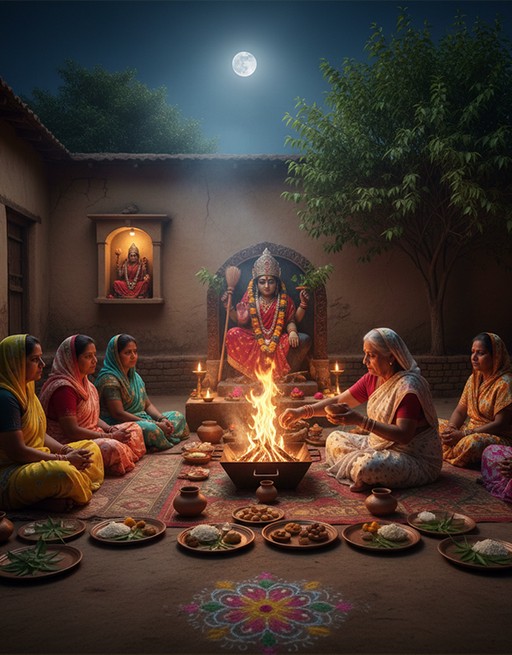
"Sankata Mata's name means "the goddess who removes difficulties." She is a beloved form of the Divine Mother in Kashi, with her own ancient temple in the city. Devotees turn to her when life feels heavy with sankat, a Sanskrit word that means crisis, difficulty, or trouble. Where ordinary remedies have not worked, where the way forward feels closed, Sankata Mata answers. Tradition holds that those who pray to her with sincerity feel their burdens lift, even when the outer circumstances have not yet changed. Students, brides-to-be, and families facing chronic difficulty are her most devoted seekers."
Shreenath Ji Puja
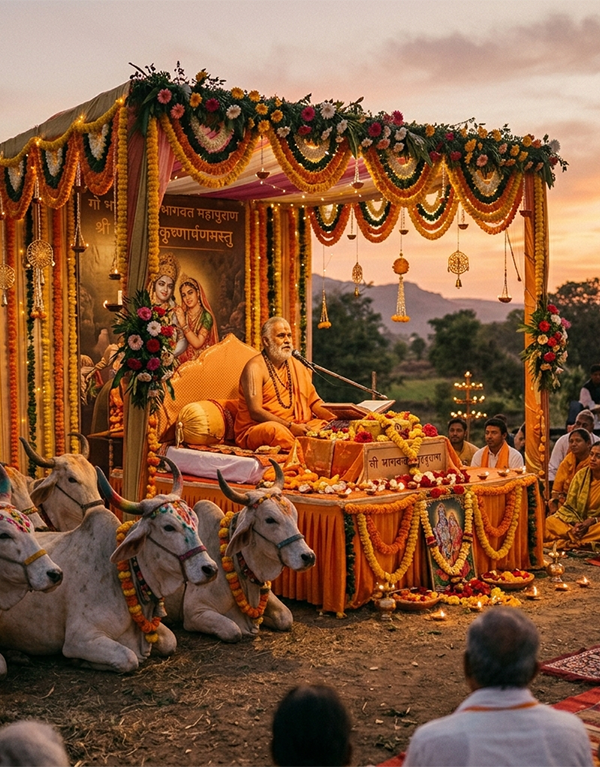
"Shreenathji is the beloved child form of Lord Krishna. He shows the Lord as a boy of seven years. The famous murti lifts Mount Govardhan on one raised finger. Krishna lifted that hill to shield the village from heavy rain. The Pushti Marg, founded by Shri Vallabhacharya, worships him with deep love. Devotees treat him as a living child, not a stone idol. They wake him, bathe him, feed him, and rest him each day. His worship is full of song, colour, and bhog. He grants growing wealth and lasting joy to the home. Families turn to him for grace, comfort, and a happy household."
Siddhi Kunjika Stotra
"The Kunjika Stotra is a powerful hymn to Mata Durga. The word kunjika means a key, the key to all power. The shastras say it holds the strength of the whole Durga Saptashati. One recital of it is said to equal the full text. It needs no long ritual and no hard rules to bear fruit. Mata Durga herself gave this hymn to Lord Shiva. She told him to keep it secret for its great power. The stotra grants the Mother's grace swift and sure. It clears enemies, fear, and every kind of trouble. Devotees chant it for strength, success, and protection."
Siddh Bhoomi Dosh Nivaran Puja
"Every piece of land carries its own energy. Hindu tradition calls this the Vastu of the land. When a home or shop sits on flawed land, trouble follows. This is known as Bhoomi Dosha, the fault of the ground. It blocks peace, money, and growth for those who live there. Quarrels, loss, and unrest take root in the house. The puja worships the Vastu Devta and Devi Varahi together. Varahi is the fierce guardian goddess of the earth. The rite cleanses the land and settles its energy. It turns flawed ground into siddh, or perfected, ground. The home then holds peace, plenty, and steady growth."
Ayushya Hawan
"Ayushya Hawan is a fire worship for long life. Its deity is Rishi Markandeya, the boy who conquered death. The shastras tell how Yama came to take his life. The boy held the Shivling and Shiva saved him from death. He was then blessed to stay forever young. This hawan calls on his grace for health and long years. The sacred fire carries the prayer for a full life. It guards the body and lifts the fear of early death. Families perform it on birthdays and other special days. It is a blessing for old and young alike."