
Divine Collection
Family Prosperity
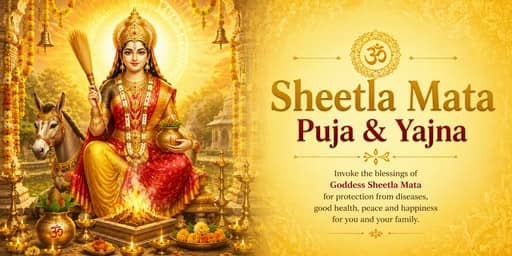
Sheetla Mata Puja and Yajna
"Sheetala Mata is the cooling form of the Divine Mother. Her name means the one who brings coolness and calm. Hindu tradition reveres her as the goddess who guards against disease. People worship her to keep illness away from the home. She rides a donkey and carries a pot of healing water. Her worship is most loved in the hot months of the year. Mothers pray to her for the health of their children. She cools fever, heals the body, and brings peace to the home. Her blessing is said to bring success and plenty too. Devotees have turned to her for protection for ages."
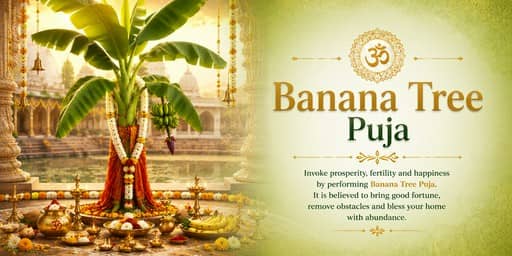
Banana Tree Puja
"The banana tree is sacred in Hindu worship. Tradition links it to Guru Brihaspati, the planet of wisdom and fortune. It is also dear to Lord Vishnu and Lord Krishna. A weak Brihaspati in the chart delays marriage and growth. It can also block learning, wealth, and respect. This puja worships the banana tree to strengthen that planet. The tree stands for plenty, faith, and a clean life. Devotees water its roots and tie sacred threads to it. They walk around it and offer prayers for their wishes. The worship is most loved on Thursdays, the day of the Guru."
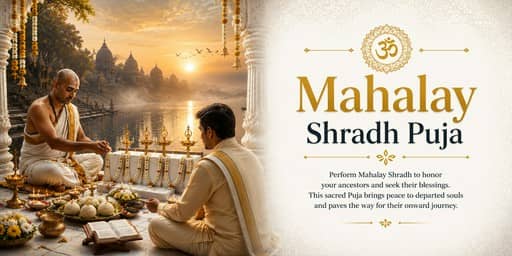
Mahalay Shradh Puja
"Mahalay Shradh falls in the sacred fortnight of Pitru Paksha. Hindu tradition holds that the ancestors come down to earth then. They wait for their children to offer them food and water. To skip this duty is said to leave the forefathers hungry. Their rest depends on the care the family gives. This puja offers pind and tarpan to the departed. It honours them on their own death date within the fortnight. The grace of pleased ancestors then flows to the living. It brings peace, plenty, and joy to the home. Families have kept this duty for countless generations."
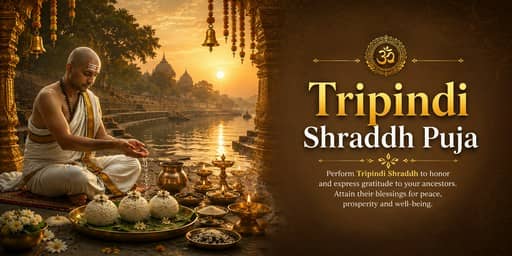
Tripindi Shraddh Puja
"Tripindi Shraddh is a special rite from the shastras. It is meant for ancestors whose last rites were left undone. When a death goes without proper shraddh, the soul stays restless. This unrest can carry on for three generations. It then shows as Pitra Dosha in the family line. The dosha blocks marriage, children, health, and growth. Tripindi Shraddh settles the debt of all three generations at once. The word tripindi points to these three layers of ancestors. The rite gives them rest and lifts their grace upon the family. Kashi is held the best place on earth for this puja."

Vaibhav Lakshmi Puja
"Vaibhav Lakshmi is the form of Lakshmi that grants riches. The word vaibhav means grandeur, glory, and plenty. She blesses the home with wealth that lasts. Many earn well but cannot hold their money. This puja works to bring lasting wealth, or sthir Lakshmi. It clears the blocks that let money slip away. The Mother fills the home with comfort and grace. Business families seek her for steady growth. Her worship is most loved at Diwali and Dhanteras. These are the days when Lakshmi walks the earth. Devotees keep their homes clean and bright to receive her."
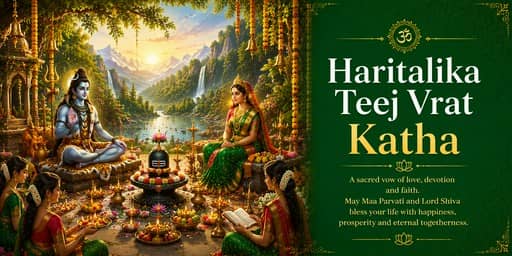
Haritalika Teej Vrat Katha
"Haritalika Teej is a sacred fast for women. It honours the union of Lord Shiva and Mata Parvati. The shastras tell how Parvati won Shiva as her husband. She did fierce penance to gain his hand. Her friend took her to the forest to help her resolve. The word Haritalika comes from that very tale. Married women keep this fast for the long life of their husband. Unmarried girls keep it to gain a good groom. They fast without food or water through the day. They worship Shiva and Parvati and hear the sacred katha. The vrat brings married joy and good fortune."
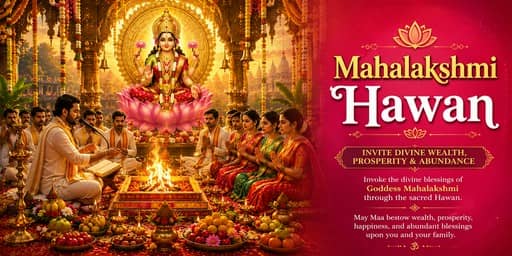
Mahalakshmi Hawan
"Mahalakshmi is the supreme form of the goddess of wealth. She is the consort of Lord Vishnu and the mother of plenty. The shastras say she lives where worship and care abide. This hawan is a fire worship in her honour. The sacred fire carries each prayer straight to the Mother. Many earn well but cannot keep their wealth. This hawan works to bring lasting wealth, or sthir Lakshmi. It clears the blocks that let money slip away. Business families seek it for steady growth and plenty. Its best days are Diwali and Dhanteras. These are the days the Mother walks the earth."
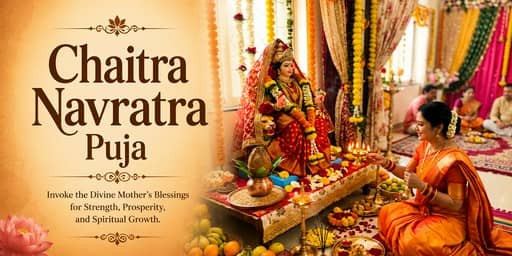
Chaitra Navratra Puja
"Chaitra Navratri brings the nine sacred nights of the Goddess. They fall at the start of the Hindu new year, in the month of Chaitra. These are among the holiest days in the whole calendar. Devotees worship the nine forms of Durga, one for each day. The first day honours Shailputri and the last honours Siddhidatri. Each form grants a different blessing to the seeker. Many keep fasts and light the akhand jyoti through all nine days. The Mother is said to walk close to her devotees at this time. She gives strength to the weak and wealth to the deserving. People pray to her for safety, courage, and a fresh start."

Shaligram Puja
"The Shaligram is a black, round stone found in the Gandaki river in Nepal. People have worshipped it for ages as a living form of Lord Vishnu. It needs no carving and no pran pratishtha. Tradition holds that Vishnu himself resides inside the stone. Each Shaligram carries marks and lines that point to a different form of the Lord. Some show Krishna, some show Narasimha, some show Vaman. Where the Shaligram is worshipped with love, Mata Lakshmi stays close by. She brings wealth, peace, and unity to that home. For this reason families keep it as the heart of their daily worship."
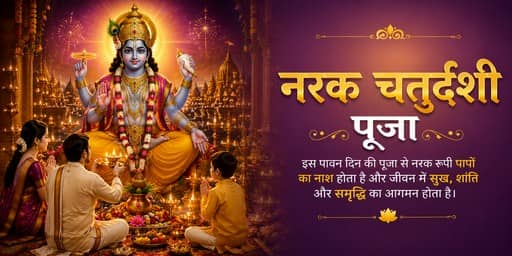
Narak Chaturdashi Puja
"Narak Chaturdashi falls the day before Diwali. It is also known as Chhoti Diwali or Roop Chaudas. The shastras tell how Krishna slew the demon Narakasura. His death freed sixteen thousand captives from the demon. The day marks the win of light over dark. People light lamps to drive away all evil. They worship Yamraj to escape the fear of an early death. They also honour Lakshmi, Ganesh, and Vishnu together. An oil bath at dawn is a key part of the day. It is said to wash away sin and bring beauty. The day clears negative force and brings family joy."