
Enemy Protection
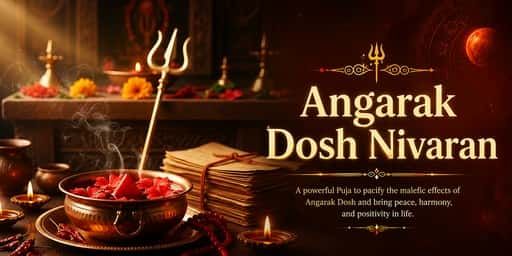
Angarak Dosh Nivaran
"Angarak Dosh forms when Mangal and Rahu meet in the chart. Mangal is the planet of fire, blood, and force. Rahu is the shadow planet of confusion and unrest. When they join, their heat turns harsh and harmful. This is the Angarak Dosh, a fierce flaw in the chart. It blocks marriage, brings quarrels, and stirs the blood. It can also delay a job and break the peace of mind. This puja calms both planets through their own mantras. It cools the fire of Mangal and clears the fog of Rahu. The chart then settles and good results begin to flow."
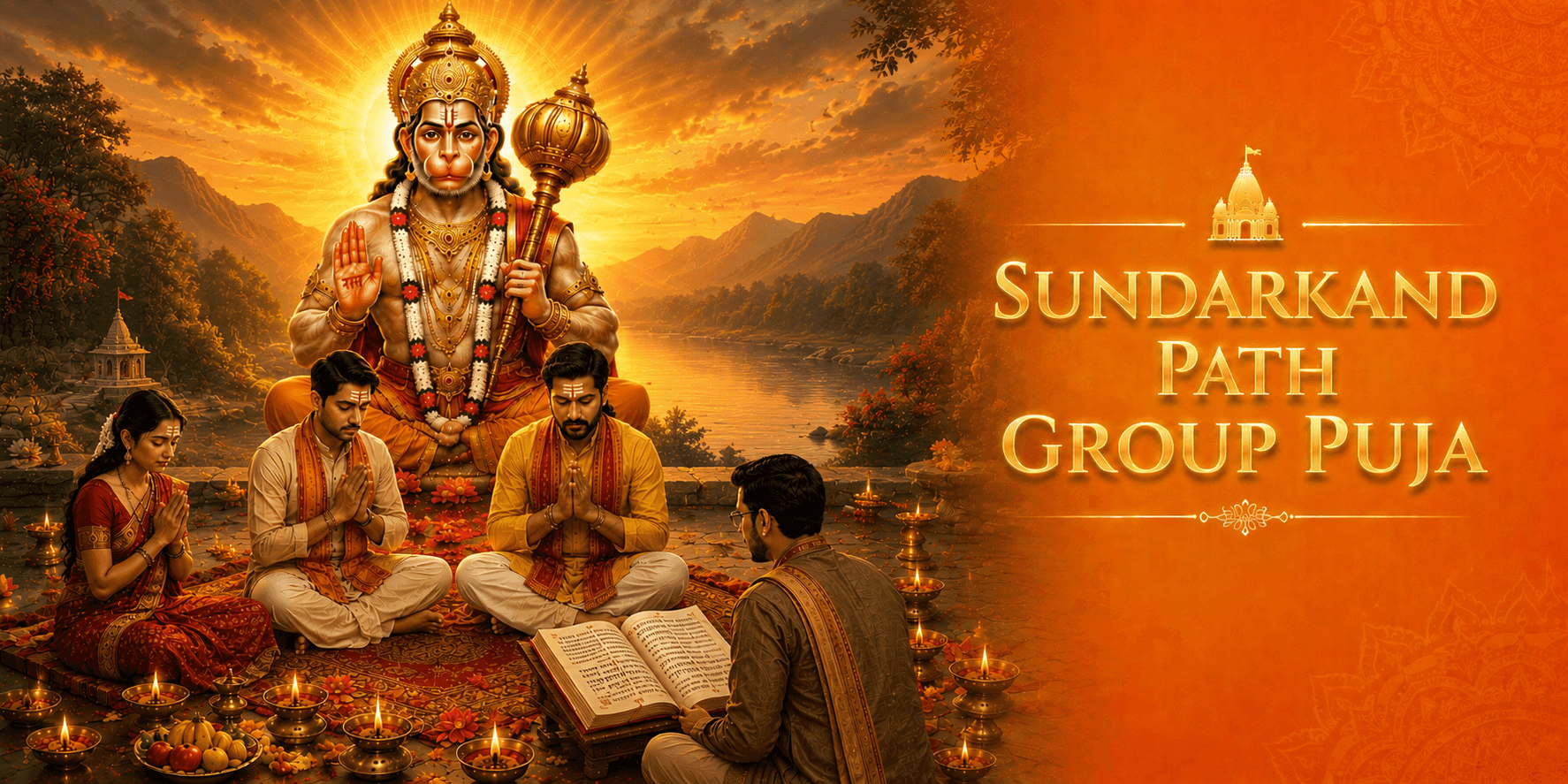
Sundarkand Path Group Puja
"Sundarkand is the most loved part of the Ramayan. Its name means the beautiful chapter. It tells of Hanuman's leap across the sea to Lanka. He went to find Mata Sita, held by Ravana. He crossed the ocean, found her, and gave her Ram's ring. He then burned Lanka and returned with hope. The whole chapter sings of his courage and faith. Of all the Ramayan, this part holds the most power. Its path is said to clear trouble and fear. It brings strength, wisdom, and the grace of Hanuman. Devotees recite it to defeat enemies and gain peace."
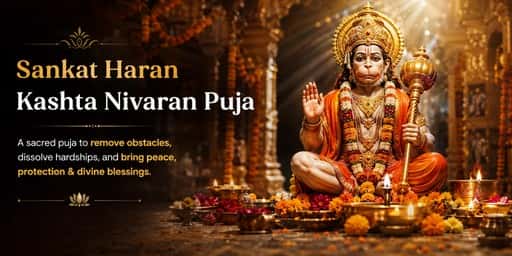
Sankat Haran Kashta Nivaran Puja
"Every life passes through phases when troubles arrive from all sides at once. Work stalls, health wavers, and peace leaves the home. The shastras prescribe the Sankat Haran Kashta Nivaran Puja for exactly these times. It is a focused worship of Shiv Ji, the lord who dissolves suffering as easily as he is pleased, performed to cut through accumulated sankat and kashta and open the path again."
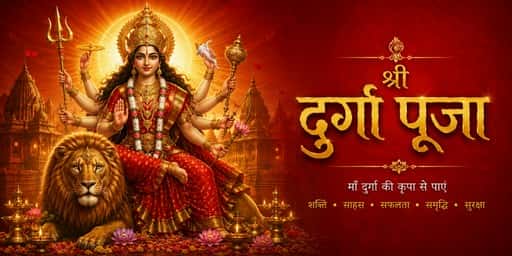
Durga Puja
"Maa Durga rides a lion. She holds eighteen weapons in her many arms. Each weapon is a gift from a different god. Her gaze is the gaze of a mother who will let nothing harm her children. The demon Mahishasura had a boon. No man, no god could kill him. He defeated even Indra. The gods released their combined energies. From that fire, Maa Durga emerged. After nine days of battle, on the tenth day, she slew Mahishasura. That day is Vijayadashami."
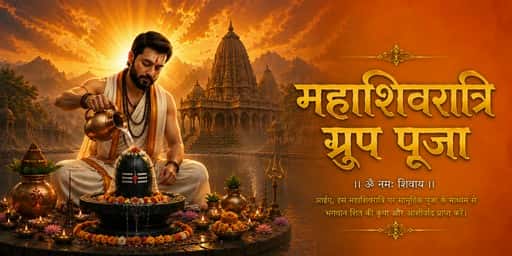
Maha Shivratri Group Puja
"Maha Shivratri is the great night of Lord Shiva. The shastras tell many tales of this sacred night. Some say Shiva married Parvati on this day. Others say he danced the cosmic dance of Tandav. It is the holiest night in all of Shiva worship. Devotees keep a fast and stay awake through the night. They bathe the Shivling and chant his sacred name. This group puja joins many devotees in one worship. The shared prayer on this night carries great strength. It washes away sin and grants the grace of Shiva. Devotees seek peace, plenty, and a happy life."
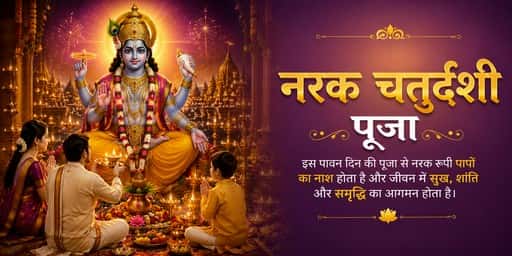
Narak Chaturdashi Puja
"Narak Chaturdashi falls the day before Diwali. It is also known as Chhoti Diwali or Roop Chaudas. The shastras tell how Krishna slew the demon Narakasura. His death freed sixteen thousand captives from the demon. The day marks the win of light over dark. People light lamps to drive away all evil. They worship Yamraj to escape the fear of an early death. They also honour Lakshmi, Ganesh, and Vishnu together. An oil bath at dawn is a key part of the day. It is said to wash away sin and bring beauty. The day clears negative force and brings family joy."
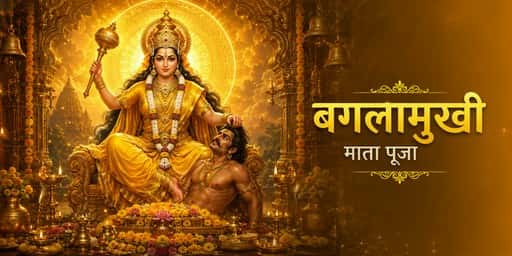
Baglamukhi Mata Puja
"Baglamukhi Mata is the eighth of the ten Mahavidyas. Her name comes from bagla, meaning "the one who silences," and mukhi, meaning "the face." She is the goddess who silences the voice of the enemy. Who paralyses the power to harm. Who freezes negative energy at its source. Her form is fierce, but her purpose is protection. She holds the tongue of her enemy in one hand, and a club in the other. Wherever Baglamukhi rules, no harm can move forward. Yellow is her sacred colour. Yellow flowers, yellow cloth, and turmeric are her offerings."
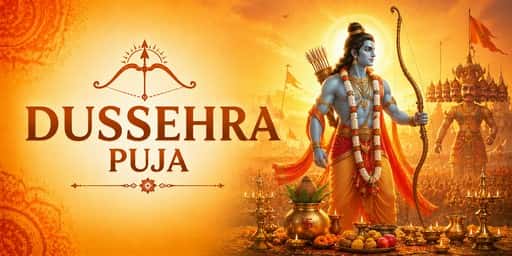
Dussehra Puja
"Dussehra, also called Vijayadashami, is the day of victory. The word means "the tenth day of triumph." Tradition holds that on this day, after nine days of fierce battle, the Mother Goddess finally slew the demon Mahishasura and restored peace to the three worlds. The same day also marks Lord Ram's victory over Ravana, the demon king of Lanka. Across India, effigies of Ravana are burnt to mark this triumph of dharma over adharma. On this day the Mother is worshipped in her fiercest form. Mahakali, the one before whom no evil stands. Whatever the form, the meaning is the same. On Dussehra, evil falls. Good rises."
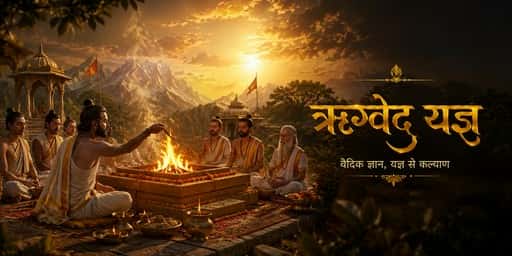
Rigveda Yajna
"The Rigveda is the oldest scripture in the Hindu tradition. The first of the four Vedas. Composed thousands of years ago, it contains over a thousand hymns dedicated to the gods, with the largest number addressed to Indra (the king of the gods) and Agni (the sacred fire). The Rigveda Yajna is the fire ritual built around these original hymns. It is one of the most powerful and most ancient yajnas in existence. To have it performed is to participate in the same tradition that the earliest sages of India established."
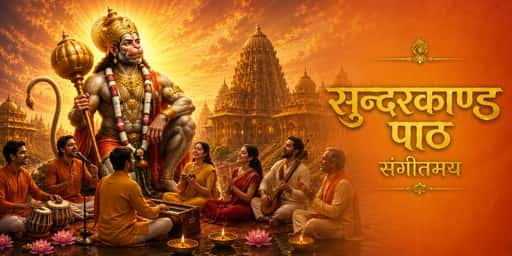
Sundarkand Path Sangeetmaya
"Sundarkand Path Sangeetmaya is the melodic, musical recitation of the Sundar Kand. The fifth chapter of the Ramcharitmanas. The same chapter where Hanuman crosses the ocean, finds Mata Sita, faces Ravana's court, and burns Lanka. The Sangeetmaya version adds melody, rhythm, and traditional instruments to the recitation. The verses are sung rather than read. The energy that results is different from a quiet path. It fills the home. It lifts the spirits of every listener. Families often book this version for celebrations, for housewarmings, and for the joyful welcome of Hanuman's grace."
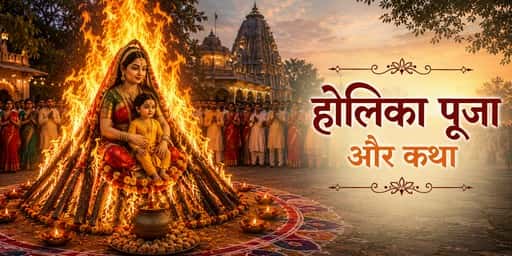
Holika Puja and Katha
"Holika Puja is performed on the night before Holi. The story behind it is one of the most powerful in Hindu tradition. Holika was the sister of the demon king Hiranyakashipu. She had a boon that fire could not harm her. When her brother ordered her to kill his own son Prahlada, a devoted bhakta of Vishnu, she sat with him in a roaring fire, believing she would survive and the child would burn. But the opposite happened. Holika perished. Prahlada walked out unharmed. The fire that night marks the eternal truth. Where devotion stands, evil cannot. Holika Dahan, the burning of Holika, is observed every year to remember this victory."
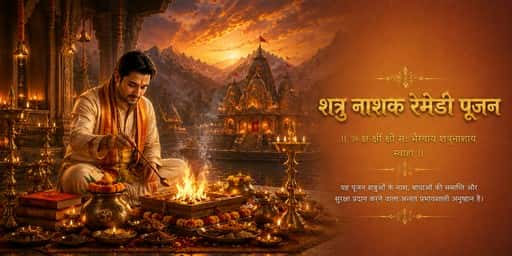
Shatru Nashak Remedy Pujan
"Baglamukhi Mata is one of the ten Mahavidyas of the Tantric tradition. She is the fierce goddess who silences enemies, ill-wishers, and harmful forces with a single glance. Her devotees turn to her when ordinary remedies have failed. When opponents have grown too strong. When legal cases have stalled. When a rival's influence is spreading. When negative energy has settled in the home. Baglamukhi does not just defeat the enemy. She paralyses their power to harm."