All Puja
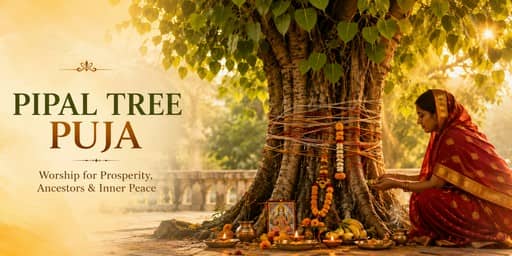
Pipal Tree Puja
"The Pipal tree is the most sacred tree in Hindu tradition. The Bhagavad Geeta calls it the Ashwattha, the tree under which Lord Krishna himself stands. Tradition holds that the gods reside in different parts of the Pipal. Lord Vishnu lives in its trunk. Lord Brahma lives in its roots. Lord Shiva lives in its leaves. The tree is also the form in which Shani Dev is said to be most easily worshipped. Devotees circumambulate the Pipal seven times, tie sacred threads, and offer water at its roots. The tree is one of the few in the world that releases oxygen even at night. Hindu tradition has worshipped it for thousands of years."
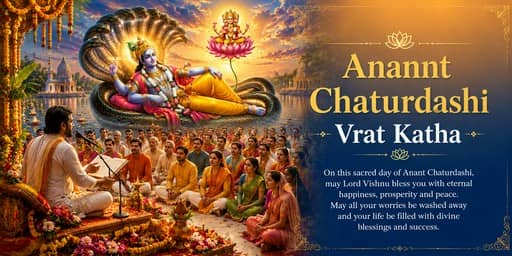
Anannt Chaturdashi Vrat Katha
"Anant Chaturdashi is a holy day of Lord Vishnu. The word anant means the one without end. On this day devotees worship Vishnu in his endless form. They tie a sacred thread of fourteen knots on the wrist. This thread is called the Anant Sutra. Each knot stands for one of the worlds Vishnu holds. The shastras tell how the Pandavas kept this vrat. It returned to them all they had lost in their hard years. The vrat grants protection, plenty, and the grace of Vishnu. It also marks the farewell of Lord Ganesh in many homes. Devotees keep it with fasting and faith."
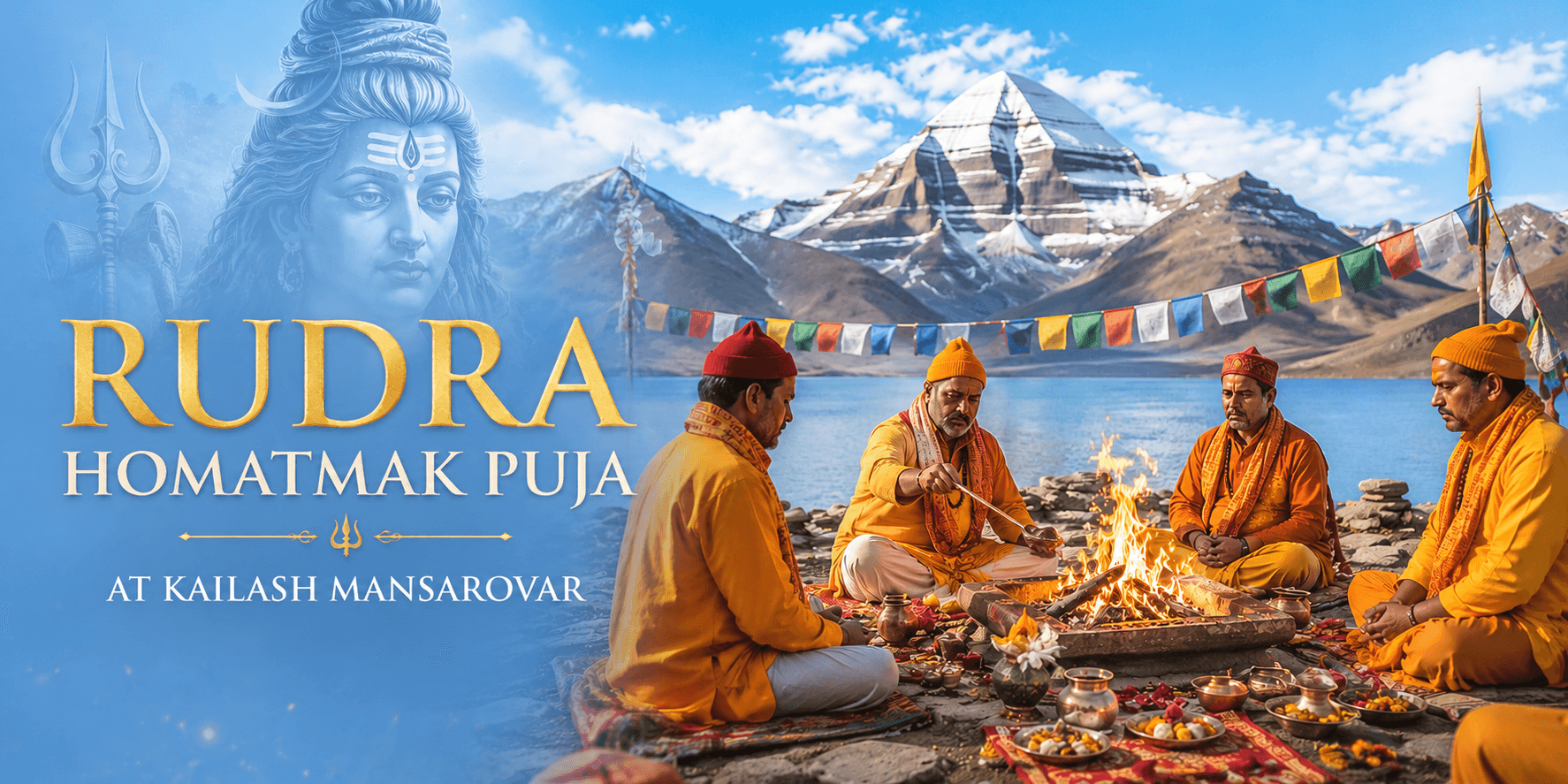
Rudra Homatmak Puja At Kailash Mansarovar
"Kailash Mansarovar is the holiest seat of Lord Shiva. Mount Kailash rises in the far Himalayas as the eternal abode of Shiva and Parvati. Below it lies Mansarovar, the sacred lake formed in the mind of Brahma. The shastras hold this as the most powerful place on earth for Shiva worship. Few reach this far and high to worship there. A puja at this seat is rare and full of merit. This homa is a fire worship of Lord Shiva in his Rudra form. The sacred fire carries each prayer to the Lord. It brings health, peace, and a fresh strength for life. Devotees long for this worship at the very throne of Shiva."
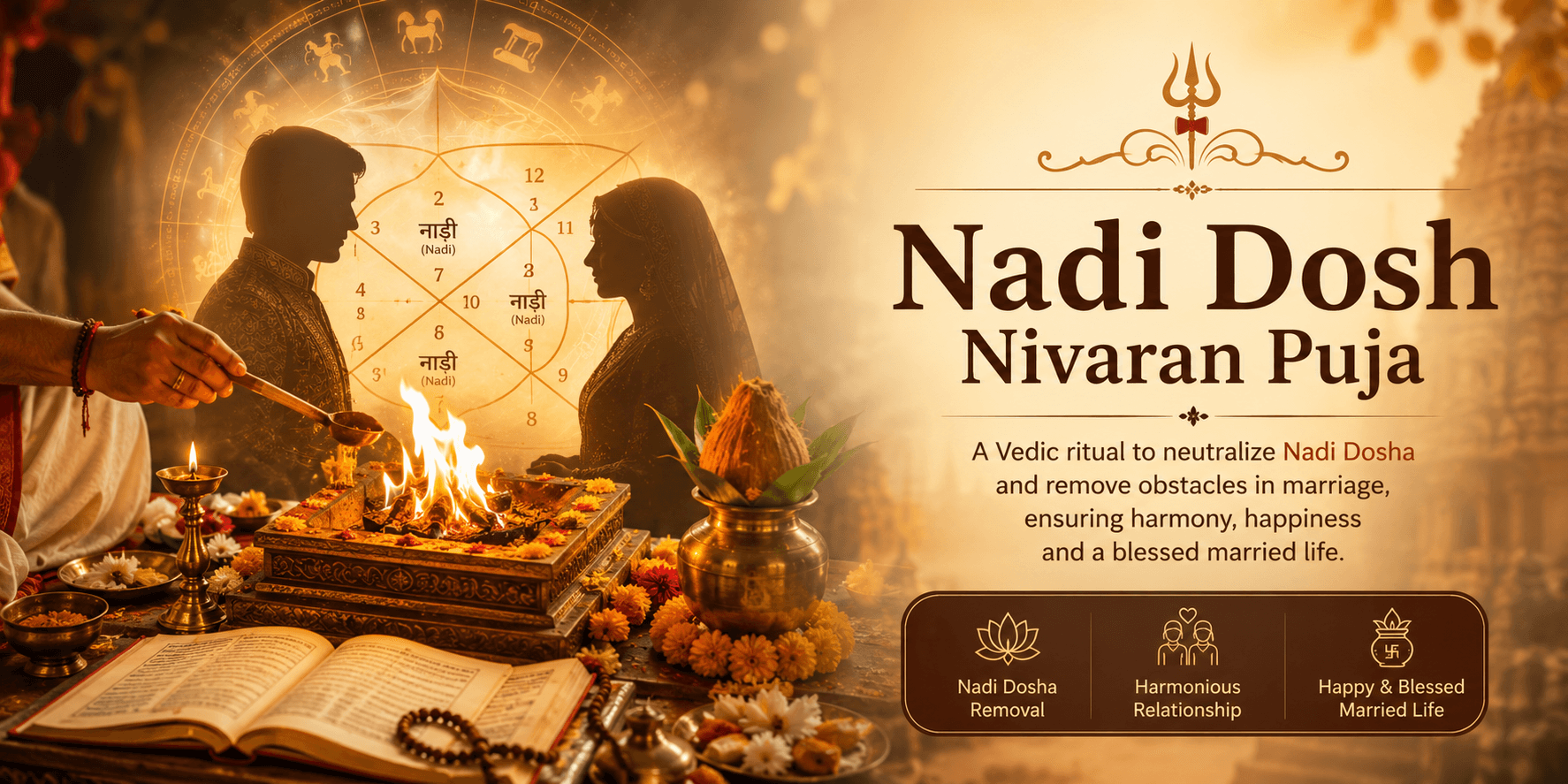
Nadi Dosh Nivaran Puja
"This puja addresses three related compatibility doshas identified during kundli milan. Nadi Dosh forms when both partners share the same Nadi, one of three energy currents in Vedic astrology. Gan Dosh forms when the partners belong to incompatible gans (Deva, Manushya, or Rakshasa). Nadi Dosh affects marital harmony at a deeper level. All three can shake the foundation of a marriage if left unaddressed."
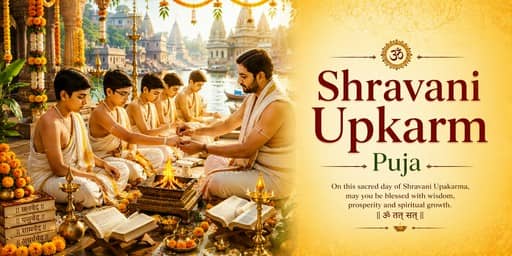
Shravani Upkarm Puja
"Shravani Upkarm is an old Vedic rite of renewal. It falls on the full moon of the month of Shravan. On this day the sacred thread, the janeu, is changed. The old thread is set aside and a new one is worn. The rite honours the Saptarishi, the seven great sages. It is a day to thank them for the gift of the Vedas. The worship washes away the sins of the past year. It renews the seeker's vow to a clean and learned life. Bathing in the Ganga is a key part of the rite. It is most sacred when done on the Kashi ghats."
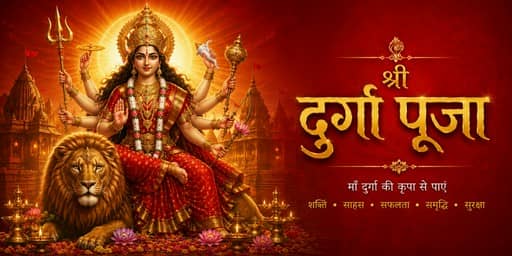
Durga Puja
"Maa Durga rides a lion. She holds eighteen weapons in her many arms. Each weapon is a gift from a different god. Her gaze is the gaze of a mother who will let nothing harm her children. The demon Mahishasura had a boon. No man, no god could kill him. He defeated even Indra. The gods released their combined energies. From that fire, Maa Durga emerged. After nine days of battle, on the tenth day, she slew Mahishasura. That day is Vijayadashami."

Annapurna Puja
"Annapurna is the Mother who feeds the whole world. Her name means the one who is full of food and plenty. She is a form of Mata Parvati and the queen of Kashi. Tradition tells that Lord Shiva himself begged food from her hands. She holds a golden ladle and a bowl that never runs empty. People say no one in her city of Kashi goes hungry. Her worship brings plenty to the home and steady work to its people. It removes the fear of want and the worry of empty days. Devotees seek her for a life that is full and secure. Her grace keeps the kitchen warm and the family fed."
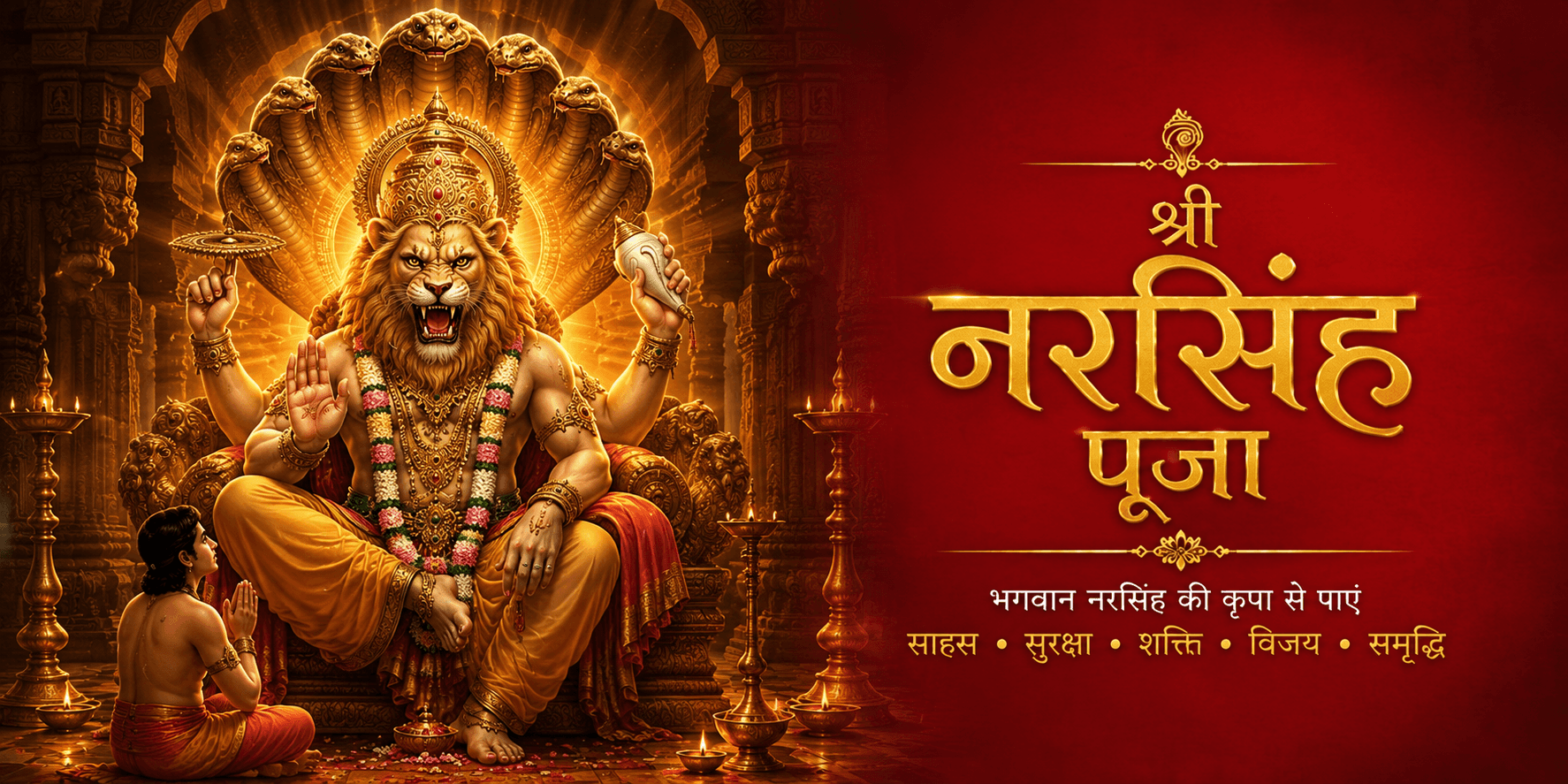
Lord Narasimha Puja
"The story of Narasimha is one of the most loved in Hindu scripture. The demon king Hiranyakashipu had earned a boon. No one could kill him. Not by man or beast. Not by day or night. Not indoors or outdoors. Not by any weapon. He tormented his own son Prahlada, a devoted bhakta of Vishnu. When he struck a pillar at twilight, Vishnu burst forth as Narasimha. Neither man nor beast. At the threshold between day and night. And he tore the demon apart."
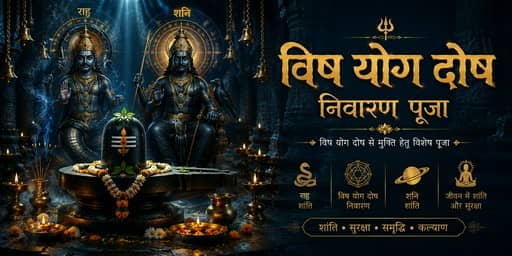
Visha Yog Dosh Nivaran Puja
"Visha Yog forms when the Moon and Saturn come together in the same house. Ancient sages named it Visha, meaning poison. When the gentle, emotional energy of the Moon merges with the cold, restrictive energy of Saturn, the blend behaves like a slow-acting poison. Quiet. Persistent. Hard to identify. The mind feels weighed down. Emotional life feels muted. Health takes a slow downward turn, often in ways that resist clear diagnosis. Income flows are restricted. Sleep becomes difficult. The devotee senses they are walking slightly out of sync with their own happiness."
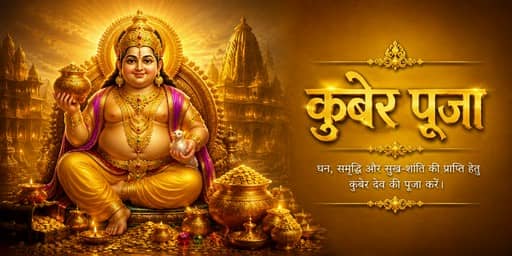
Kuber Puja
"Kuber is the treasurer of the gods. The keeper of all wealth in the universe. He once did severe penance to Lord Shiva and was rewarded with the duty of guarding the treasures of the cosmos. He lives in Alaka, the legendary city of gold in the Himalayas. Lakshmi Mata brings wealth into a home. Kuber makes sure it stays. This is the puja for stable, protected, lasting wealth."
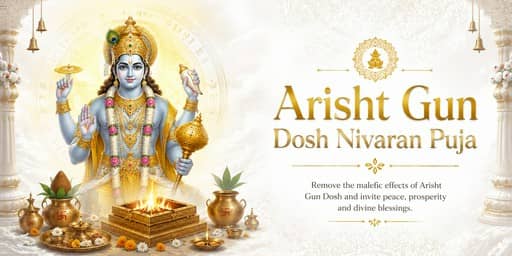
Arisht Gun Dosh Nivaran Puja
"Every birth chart carries the marks of the nine planets. Some sit in good houses and bring good results. Others fall in bad houses and turn harmful. The shastras call these harmful planets the Arishta Grah. Their bad placement blocks health, wealth, and peace. Work stalls, money slips, and worries pile up. The person tries hard but the results do not come. This puja finds the planets that cause the harm. It calms them through their own mantras and offerings. Once settled, they stop their harm and turn kind. The chart then opens the way to good results."