Divine Collection
Unknown Threat Victory
Lalita Sahasranamam Path
"The Lalita Sahasranamam is the thousand names of Lalita Tripura Sundari. The supreme goddess of beauty, wealth, and divine play. Each of the thousand names describes a different aspect of her form, her power, or her grace. She is Lalita, the playful one. Tripura Sundari, the most beautiful in the three worlds. Raja Rajeshwari, the empress of all empresses. The Sahasranamam is part of the Brahmanda Purana, and is one of the most beloved texts in the Shri Vidya tradition. To recite it is to walk the devotee through a thousand doorways of the goddess's beauty."
Rudra Homatmak Puja At Kailash Mansarovar
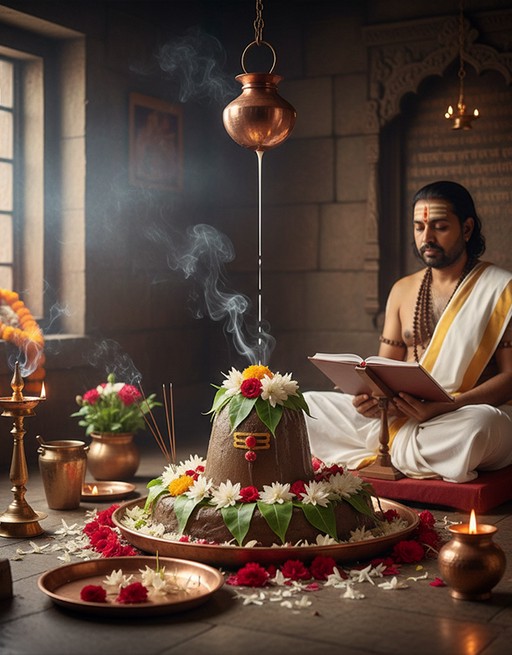
"Kailash Mansarovar is the holiest seat of Lord Shiva. Mount Kailash rises in the far Himalayas as the eternal abode of Shiva and Parvati. Below it lies Mansarovar, the sacred lake formed in the mind of Brahma. The shastras hold this as the most powerful place on earth for Shiva worship. Few reach this far and high to worship there. A puja at this seat is rare and full of merit. This homa is a fire worship of Lord Shiva in his Rudra form. The sacred fire carries each prayer to the Lord. It brings health, peace, and a fresh strength for life. Devotees long for this worship at the very throne of Shiva."
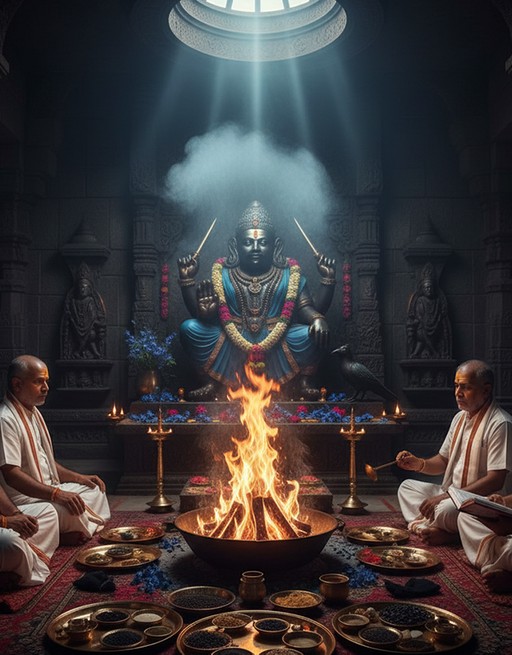
Shani Jayanti Maha Puja
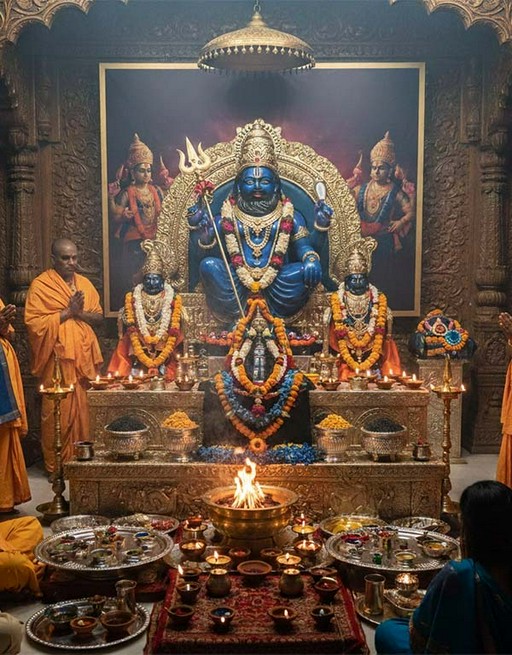
"Shani Jayanti is the birth anniversary of Shani Dev. The single most powerful day of the year for any Shani puja. Tradition holds that Shani Dev was born to Surya Dev and Chhaya Mata on the Amavasya of the month of Jyeshtha. His birth came with profound spiritual force. Even Surya Dev, his own father, is said to have looked away from him at first sight, because Shani's gaze carries the weight of cosmic karma. To worship Shani Dev on his birth day is to ask the great teacher to soften his lessons and bring his hardest phases to a graceful conclusion."
Pradosh Vrat Katha
"Pradosh Vrat is observed on the Trayodashi tithi, the thirteenth lunar day of every fortnight. The word pradosh means "the time at twilight," and refers to the sacred window between sunset and nightfall. Tradition holds that during this window, Lord Shiva dances on Mount Kailash while all the gods watch in devotion. Devotees who observe Pradosh Vrat receive Shiva's grace at his most joyful, most generous moment. The vrat is observed by households across India for the blessing of children, health, and the resolution of long-standing struggles."
Ramcharitmanas Path
"The Ramcharitmanas is the retelling of the Ramayana by the saint-poet Tulsidas. Written in Awadhi, the language of the common people of his time, the text made the story of Lord Ram accessible to every household. Where Valmiki's Sanskrit Ramayana was studied by scholars, Tulsidas's Ramcharitmanas became the song of every family. For four hundred years, devotees have recited it at home, sung its verses at gatherings, and turned to it during times of difficulty. The Ramcharitmanas is the most beloved version of the Ramayana in India today."
Hanuman Chalisa Path
"The Hanuman Chalisa is the most recited prayer in all of Hindu tradition. Forty verses written by Tulsidas in Awadhi, it tells the story of Hanuman's strength, his devotion to Ram, and his ability to lift any difficulty a devotee places before him. Tradition holds that wherever the Hanuman Chalisa is recited with sincerity, no harm can come. Families recite it before journeys. Students recite it before exams. Devotees recite it daily as a shield against fear. It is the most accessible, most powerful Hanuman prayer in existence."
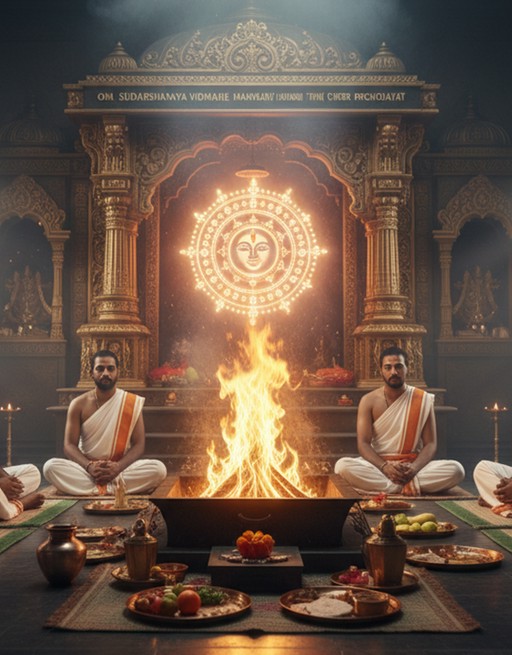
Sudarshan Gayatri Mantra Siddhi Jaap and Yajna
"Sudarshan is the spinning discus held by Lord Vishnu. The weapon of dharma. The destroyer of negativity. Wherever Sudarshan moves, evil cannot stand. The Sudarshan Gayatri Mantra is one of the most powerful mantras in the Vedic tradition. It invokes the protective and destructive power of the discus itself. Devotees turn to this puja when enemies have grown strong, when negative energies have settled, when business is sinking, and when money lost needs to return."
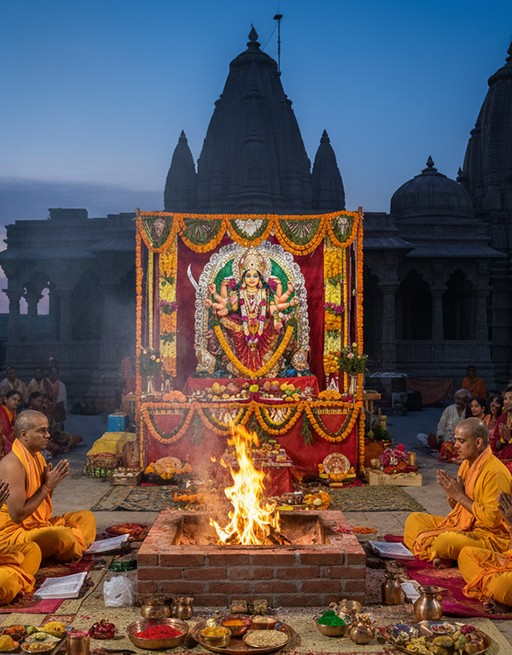
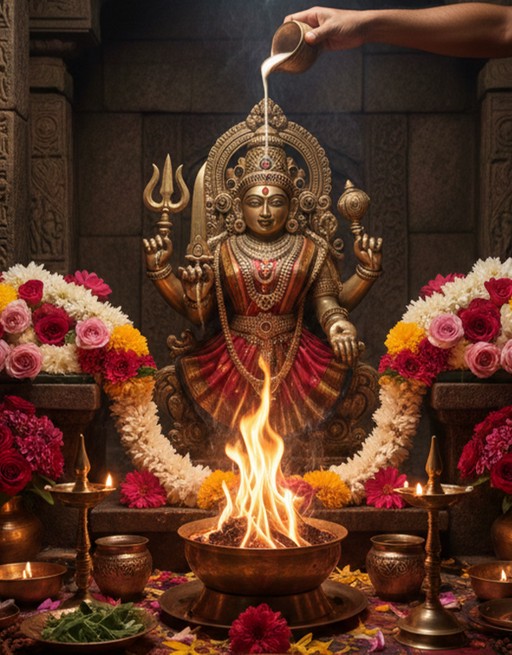
Tripur Bhairavi Puja and Yajna
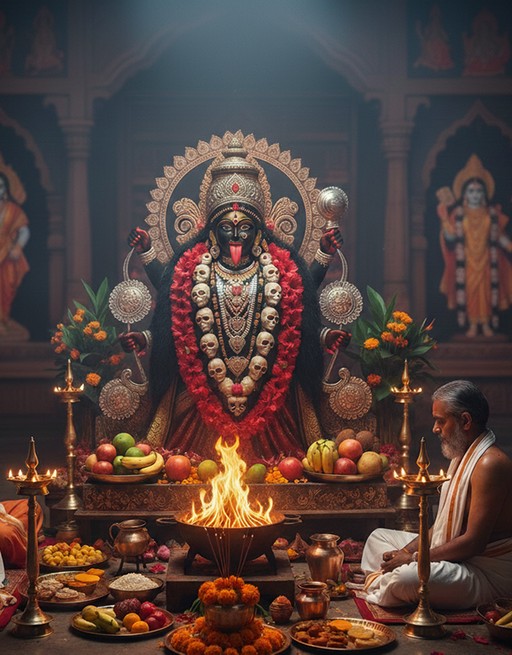
"Tripur Bhairavi Mata is the fifth of the ten Mahavidyas. Her name means "the fierce goddess of the three worlds" (Tripur), the worlds of the body, mind, and soul. She rules over the inner fire that burns away sin, ignorance, and accumulated karma. Her form is fierce but her purpose is purification. Where she is invoked, what is impure cannot remain. She is also closely connected to tantric sadhana, and is one of the most powerful goddesses for spiritual transformation."
Shradh Puja
"Shradh Puja is the ritual offering made to honour the ancestors on the lunar anniversary of their passing, or during the sacred fortnight of Pitra Paksha. The bond between the living and the ancestors is unbreakable in Hindu tradition. The family carries the memory, the prayers, and sometimes the unfinished wishes of those who came before. Shradh Puja is the moment the family remembers them with love, feeds them through ritual, and asks for their continued blessings to flow forward to the children and grandchildren still walking the earth."
Parthiv Shivlinga Puja and Rudrabhishek
"A Parthiv Shivlinga is a Shivling shaped from sacred earth, prepared fresh for the puja. The tradition is one of the oldest in Hindu worship. Ancient texts hold that worshipping a Parthiv Shivling carries greater power than worshipping any permanent Shivling, because the very act of shaping the linga is itself a form of devotion. The earth is gathered. The form is made by hand. The Shivling stands only for the duration of the puja, then returns to the earth. This temporary, deeply personal Shivling carries Shiva's grace in its purest form."
Gau (Cow) Puja
"The cow is the most sacred animal in Hindu tradition. She is called Gau Mata, the mother cow. Tradition holds that all the gods reside within her body. Lord Brahma in her face. Lord Shiva in her forehead. Lord Vishnu in her shoulders. The Ganga, the Yamuna, and the Saraswati in her hooves. To touch a cow with devotion is to touch every deity at once. To offer her food and worship her is to honour the source of life itself, since the cow gives milk to humans and feeds the soil for every crop."
Adi Kailash Puja
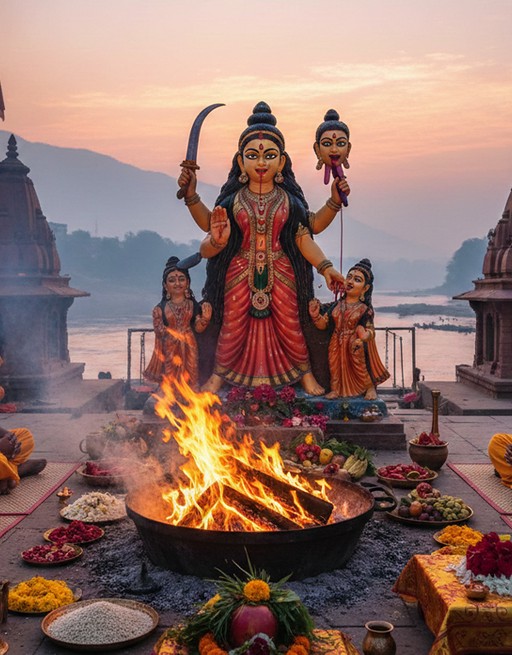
"Adi Kailash is a sacred peak in the Himalayas. It is also known as Chhota Kailash, the lesser Kailash. The shastras hold it as a holy seat of Lord Shiva. Its form is much like the great Mount Kailash. The peak stands above a calm and clear lake. Few reach this far and high to worship there. A puja here is rare and full of merit. This homa is a fire worship of Lord Shiva. The sacred fire carries each prayer to the Lord. It brings health, peace, and a fresh strength for life. Devotees long for this worship at the seat of Shiva."


-puja-65265027289f0ede88af4b82-92241301-s.jpg)