
Protection From Unknown Threats

Hawan Puja at Kailash Mansarovar
"Kailash is not a temple built by human hands. It is the home Shiva chose for himself. The mountain has never been climbed, out of pure reverence, and pilgrims circle it instead in the sacred kora. At its feet lies Mansarovar, the lake born, tradition says, from the mind of Brahma himself. The shastras hold that the devtas descend to bathe in its waters at Brahma Muhurta, before dawn. A hawan performed on this ground is the rarest fire offering a devotee can make. Most devotees will never reach this altitude in their lifetime. This group hawan carries their names there."
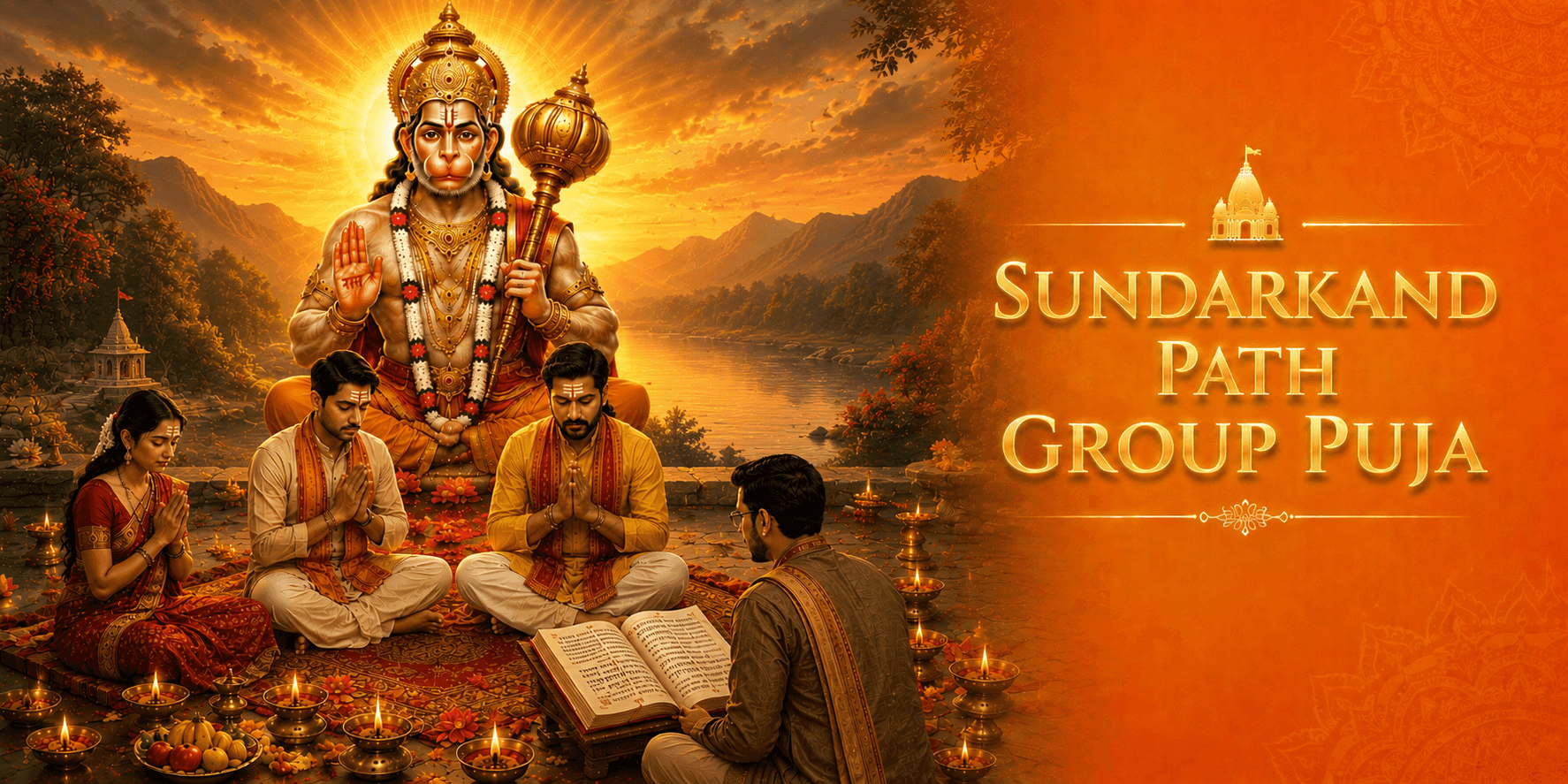
Sundarkand Path Group Puja
"Sundarkand is the most loved part of the Ramayan. Its name means the beautiful chapter. It tells of Hanuman's leap across the sea to Lanka. He went to find Mata Sita, held by Ravana. He crossed the ocean, found her, and gave her Ram's ring. He then burned Lanka and returned with hope. The whole chapter sings of his courage and faith. Of all the Ramayan, this part holds the most power. Its path is said to clear trouble and fear. It brings strength, wisdom, and the grace of Hanuman. Devotees recite it to defeat enemies and gain peace."
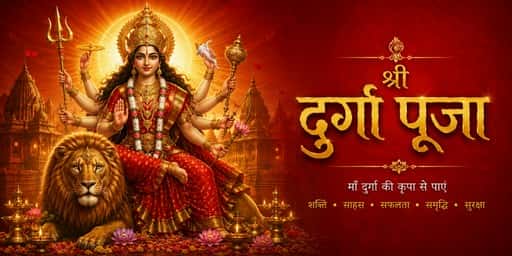
Durga Puja
"Maa Durga rides a lion. She holds eighteen weapons in her many arms. Each weapon is a gift from a different god. Her gaze is the gaze of a mother who will let nothing harm her children. The demon Mahishasura had a boon. No man, no god could kill him. He defeated even Indra. The gods released their combined energies. From that fire, Maa Durga emerged. After nine days of battle, on the tenth day, she slew Mahishasura. That day is Vijayadashami."
-group-puja-6527e18f5ccc5711cd862203-54243791.png&w=3840&q=60)
Deepawali (Diwali) Group Puja
"Deepawali is the biggest festival in the Hindu year. It marks the return of Lord Ram to Ayodhya. People light rows of lamps to welcome him home. The night is sacred to Lakshmi, the goddess of wealth. She walks the earth and enters homes that wait for her. The puja begins with Ganesh, who clears all blocks. It then turns to Lakshmi for wealth and plenty. This group puja joins many devotees in one worship. The shared prayer carries great strength on this night. It brings lasting wealth, fame, and growth in business. Devotees keep their homes clean and bright to receive the Mother."
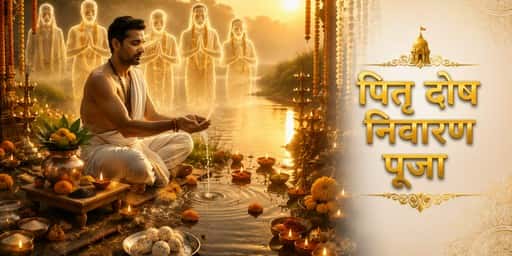
Pitra Dosh Nivaran Puja
"Pitra Dosh is an affliction passed down through the family lineage. It forms when the souls of departed ancestors have not received the rituals, prayers, or peace they were due. In Hindu tradition, the bond between the living and the ancestors is unbreakable. Every family carries within it the prayers and the unfulfilled wishes of those who came before. Sometimes also their lingering sorrows. When these remain unresolved across generations, they take the form of Pitra Dosh. A quiet shadow over the family's path. It is often felt as repeated obstacles in marriage, conception, education, and career, despite every effort. The dosh is not a curse. It is a calling. The ancestors are gently asking to be remembered, honoured, and finally released into peace."
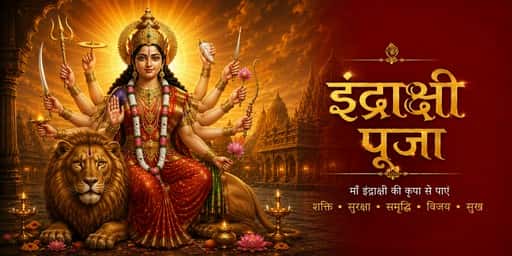
Indrakshi Puja
"Indrakshi Mata is one of the most powerful protective goddesses in the Vedic tradition. Her name means "she with the eyes of Indra." The Indrakshi Stotra was first taught by Lord Indra himself to sage Brihaspati. It is recited for protection from disease, from enemies, and from the unseen forces that can harm a devotee. For centuries, families have turned to this puja during prolonged illness, mysterious afflictions, and times when conventional remedies have not worked."
-puja-65265027289f0ede88af4b82-92241301-s.jpg&w=3840&q=60)
Gau (Cow) Puja
"The cow is the most sacred animal in Hindu tradition. She is called Gau Mata, the mother cow. Tradition holds that all the gods reside within her body. Lord Brahma in her face. Lord Shiva in her forehead. Lord Vishnu in her shoulders. The Ganga, the Yamuna, and the Saraswati in her hooves. To touch a cow with devotion is to touch every deity at once. To offer her food and worship her is to honour the source of life itself, since the cow gives milk to humans and feeds the soil for every crop."
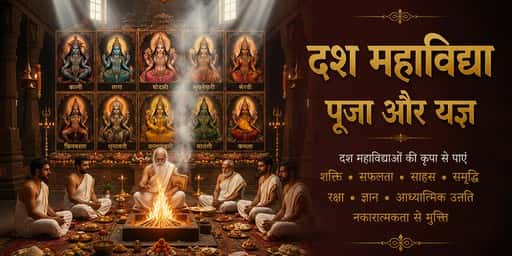
Das Mahavidya Puja and Yajna
"The Das Mahavidya are the ten supreme goddesses of the Tantric tradition. Kali. Tara. Tripura Sundari. Bhuvaneshwari. Tripur Bhairavi. Chhinnamasta. Dhumavati. Baglamukhi. Matangi. Kamala. Each one carries a different power. Each one answers a different prayer. Where individual Mahavidya pujas address one need, the Das Mahavidya Puja honours all ten together. It is the most complete Shakti puja in the entire Tantric tradition."
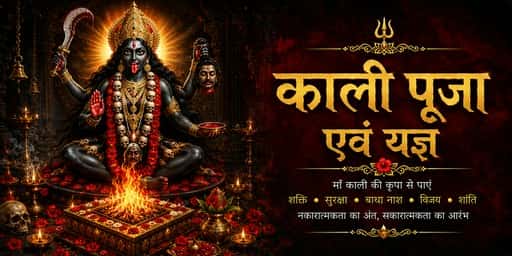
Kali Puja and Yajna
"Kali Mata is the first of the ten Mahavidyas. She is the supreme mother in her most powerful form. Dark as the night sky. Wearing a garland of skulls. Holding a sword in one hand and a severed head in the other. Standing on Lord Shiva himself, who lies beneath her in surrender. Kali is time. Kali is death. Kali is the force that destroys what must end so that what is true may rise. Her devotees turn to her not for gentle blessings but for absolute protection."
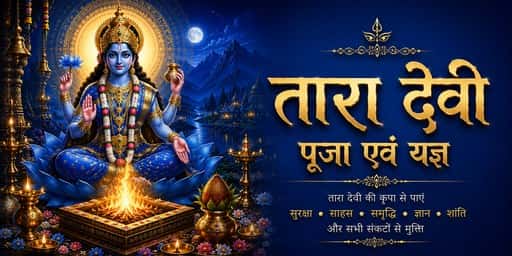
Tara Devi Puja and Yajna
"Tara Devi is the second of the ten Mahavidyas. Her name means "she who carries across." She is the goddess who carries the soul across the ocean of suffering. Across fear. Across confusion. Across the dark phases of life. She appears with a fierce form, but her energy is deeply maternal. She destroys what threatens her devotees, while holding them close. In some traditions, Tara is also worshipped as a form of Kali Mata. Wherever she is invoked, lost souls find their way home."
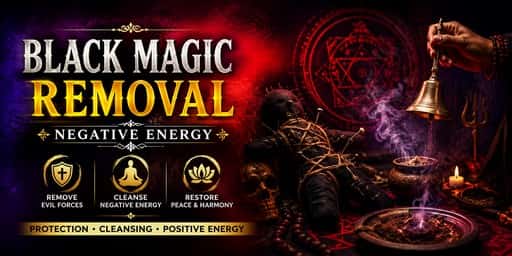
Black Magic Removal Negative Energy
"This puja is performed for devotees who suspect or have been told that their lives have come under the influence of black magic, the evil eye, harmful tantric practices, or sustained negative energies. Negative energy is not a vague modern concept in Hindu understanding. It is real and observable. Devotees affected often describe a clear pattern. Unexplained obstacles in clusters. Sudden health issues without medical cause. Financial losses arriving in waves. Recurring nightmares. A feeling of being watched. Conflicts in healthy relationships without provocation."
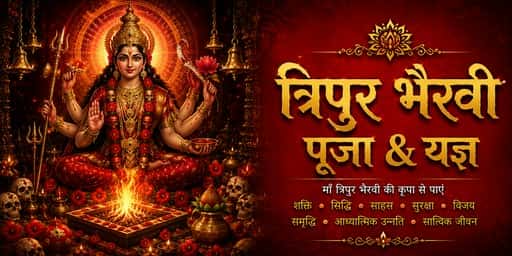
Tripur Bhairavi Puja and Yajna
"Tripur Bhairavi Mata is the fifth of the ten Mahavidyas. Her name means "the fierce goddess of the three worlds" (Tripur), the worlds of the body, mind, and soul. She rules over the inner fire that burns away sin, ignorance, and accumulated karma. Her form is fierce but her purpose is purification. Where she is invoked, what is impure cannot remain. She is also closely connected to tantric sadhana, and is one of the most powerful goddesses for spiritual transformation."