
Divine Collection
Peace
-dosh-nivaran-puja-651eaa3142dc48b9696749c9-92729134-s.jpg&w=3840&q=70)
Brihaspati (Guru) Dosh Nivaran Puja
"Jupiter is the most benefic of all planets in Vedic astrology. The great teacher. The cosmic father. He governs wisdom, righteousness, faith, marriage, and children. When Jupiter shines strong, life expands naturally. Partnerships form. Families grow. Wealth flows. When he is afflicted, the very things he is meant to bring become hard to receive. Marriage delays for no clear reason. Children do not come. Wisdom feels just out of reach when decisions matter most. The devotee senses the door that Jupiter normally opens is somehow shut."
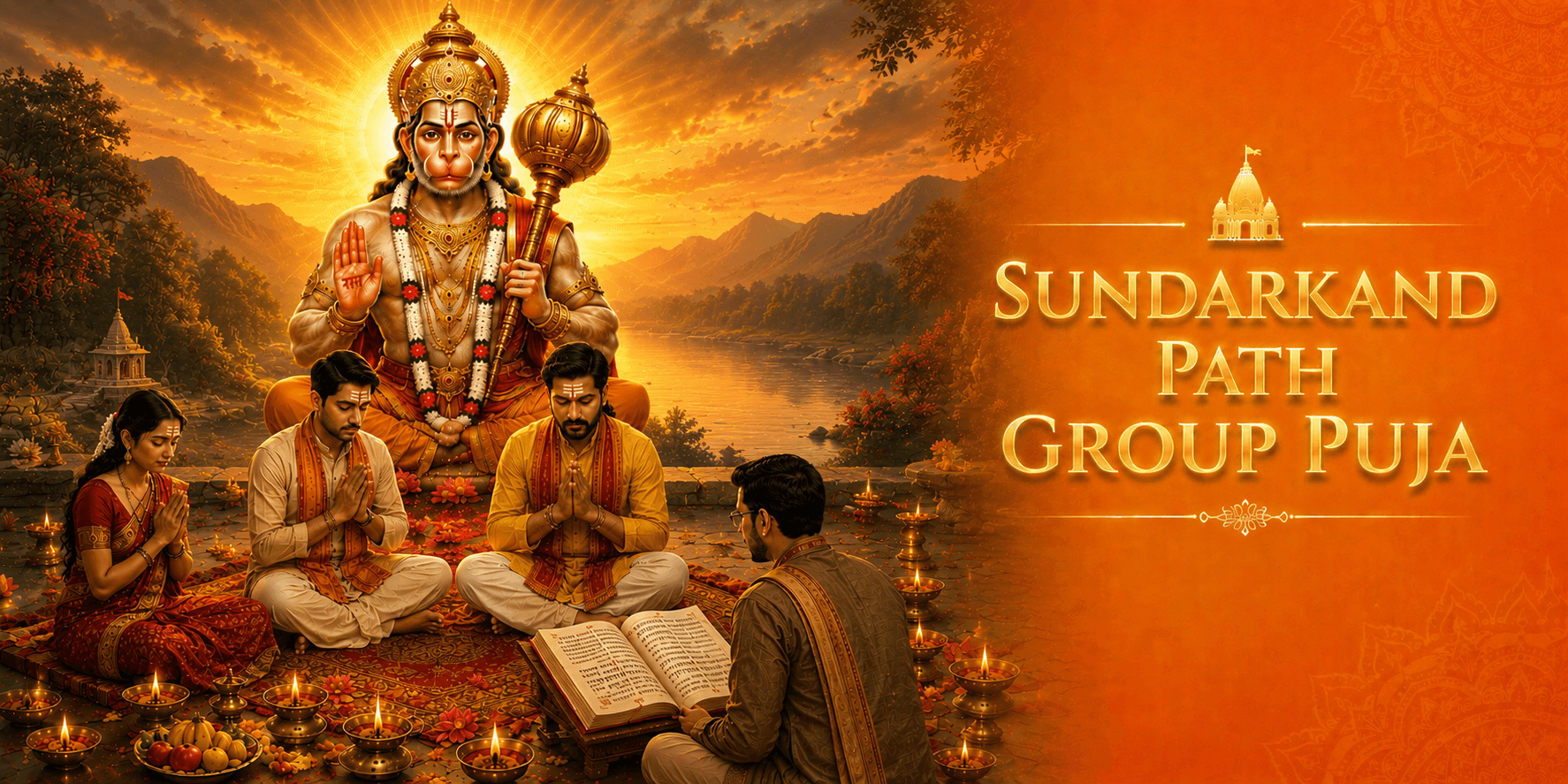
Sundarkand Path Group Puja
"Sundarkand is the most loved part of the Ramayan. Its name means the beautiful chapter. It tells of Hanuman's leap across the sea to Lanka. He went to find Mata Sita, held by Ravana. He crossed the ocean, found her, and gave her Ram's ring. He then burned Lanka and returned with hope. The whole chapter sings of his courage and faith. Of all the Ramayan, this part holds the most power. Its path is said to clear trouble and fear. It brings strength, wisdom, and the grace of Hanuman. Devotees recite it to defeat enemies and gain peace."
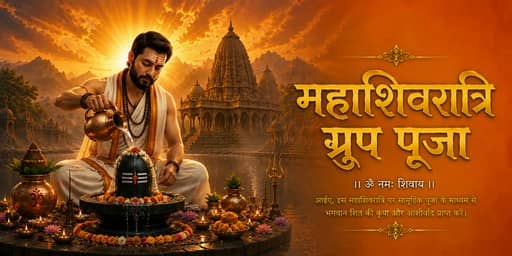
Maha Shivratri Group Puja
"Maha Shivratri is the great night of Lord Shiva. The shastras tell many tales of this sacred night. Some say Shiva married Parvati on this day. Others say he danced the cosmic dance of Tandav. It is the holiest night in all of Shiva worship. Devotees keep a fast and stay awake through the night. They bathe the Shivling and chant his sacred name. This group puja joins many devotees in one worship. The shared prayer on this night carries great strength. It washes away sin and grants the grace of Shiva. Devotees seek peace, plenty, and a happy life."
-group-puja-6527e18f5ccc5711cd862203-54243791.png&w=3840&q=70)
Deepawali (Diwali) Group Puja
"Deepawali is the biggest festival in the Hindu year. It marks the return of Lord Ram to Ayodhya. People light rows of lamps to welcome him home. The night is sacred to Lakshmi, the goddess of wealth. She walks the earth and enters homes that wait for her. The puja begins with Ganesh, who clears all blocks. It then turns to Lakshmi for wealth and plenty. This group puja joins many devotees in one worship. The shared prayer carries great strength on this night. It brings lasting wealth, fame, and growth in business. Devotees keep their homes clean and bright to receive the Mother."
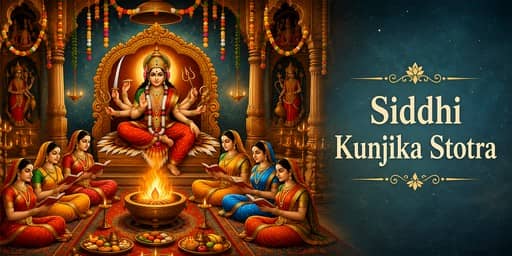
Siddhi Kunjika Stotra
"The Kunjika Stotra is a powerful hymn to Mata Durga. The word kunjika means a key, the key to all power. The shastras say it holds the strength of the whole Durga Saptashati. One recital of it is said to equal the full text. It needs no long ritual and no hard rules to bear fruit. Mata Durga herself gave this hymn to Lord Shiva. She told him to keep it secret for its great power. The stotra grants the Mother's grace swift and sure. It clears enemies, fear, and every kind of trouble. Devotees chant it for strength, success, and protection."
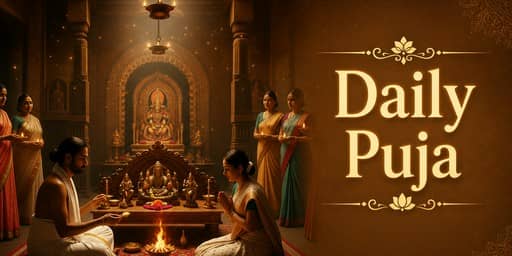
Daily Puja
"Daily worship is the root of a faithful life. The shastras say a home with daily puja stays blessed. This service offers worship to your Ishta Devta each day. The priests carry out the rites every morning and evening. They light the lamp, offer flowers, and chant the mantras. The deity is bathed, dressed, and given bhog with care. This steady worship keeps the grace of the god close. It guards the family and clears small troubles before they grow. Business runs smoother and the mind stays calm. For those far from a temple, this puja keeps the link alive."
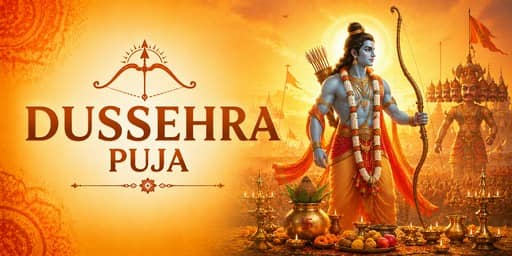
Dussehra Puja
"Dussehra, also called Vijayadashami, is the day of victory. The word means "the tenth day of triumph." Tradition holds that on this day, after nine days of fierce battle, the Mother Goddess finally slew the demon Mahishasura and restored peace to the three worlds. The same day also marks Lord Ram's victory over Ravana, the demon king of Lanka. Across India, effigies of Ravana are burnt to mark this triumph of dharma over adharma. On this day the Mother is worshipped in her fiercest form. Mahakali, the one before whom no evil stands. Whatever the form, the meaning is the same. On Dussehra, evil falls. Good rises."
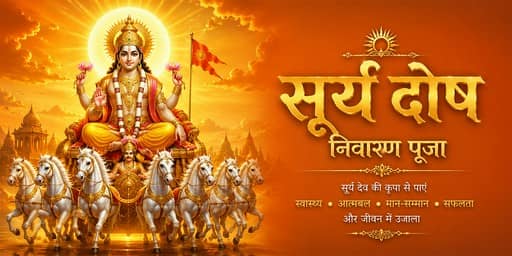
Surya Dosh Nivaran Puja
"Surya is the one deity every devotee can see with their own eyes, every day. The visible god. The giver of life. The centre of the entire solar system. In a birth chart, the Sun governs the soul, vitality, leadership, and the relationship with one's father. A Surya Grahan, the solar eclipse, is the moment his light is swallowed. The shastras treat this moment with great seriousness. A dosh born of the Grahan can dim recognition, weaken health, and hold back rightful advancement. This puja is performed to remove that shadow."
-puja-651bd1c3052302caf9a15365-66742566-s.jpg&w=3840&q=70)
Deepawali (Diwali) Puja
"Deepawali (Diwali) is the biggest festival in the Hindu calendar. Every family prepares for it weeks in advance. The home is cleaned, diyas are lit, and everything is kept ready before the muhurat arrives. Mata Lakshmi walks the earth that night. She enters homes that are waiting. The ones that are not, she skips."
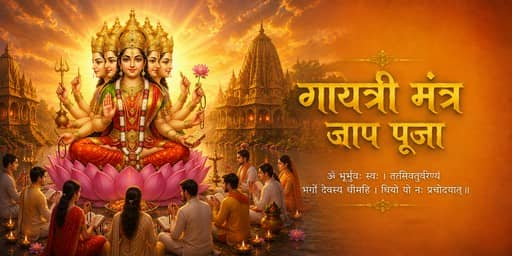
Gayatri Mantra Jaap Puja
"The Gayatri Mantra is called the mother of all Vedic mantras. Sage Vishwamitra first revealed it in the Rigveda. It is a prayer to Savitr, the divine source of light. It asks for one thing only. That our intellect be lit, and our path guided by wisdom."
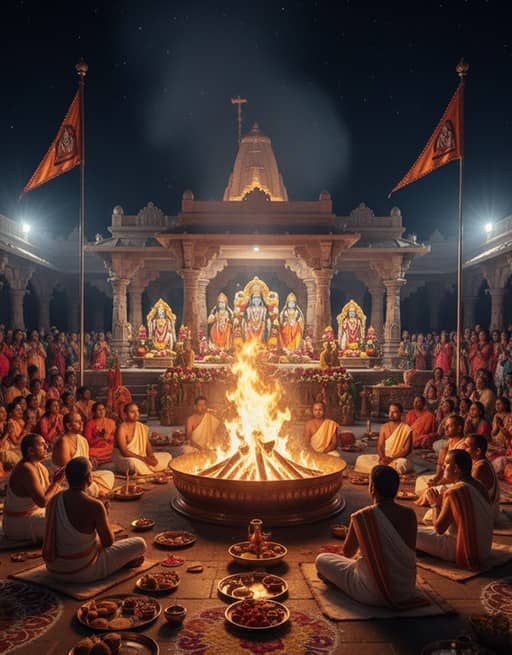
Shree Ram Mahayagya
"Lord Ram is the seventh avatar of Vishnu. The world reveres him as Maryada Purushottam, the perfect man. His life is the story of duty, truth, and honour. He kept every promise even at the cost of his throne. The Ramayan tells how he won over evil with grace. This mahayagya is a grand fire worship in his name. It calls on his strength for peace, courage, and a right path. The yajna carries the prayer to the Lord through fire. It clears strife from the home and brings calm to the mind. Devotees seek his blessing for an honest and steady life."