Lakshmi Prapti
Vaibhav Lakshmi Puja
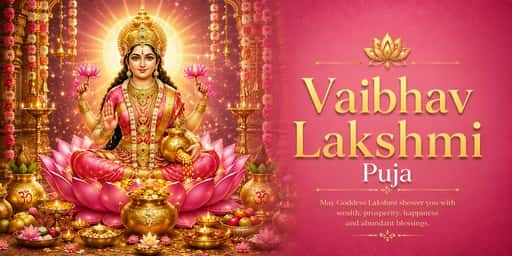
"Vaibhav Lakshmi is the form of Lakshmi that grants riches. The word vaibhav means grandeur, glory, and plenty. She blesses the home with wealth that lasts. Many earn well but cannot hold their money. This puja works to bring lasting wealth, or sthir Lakshmi. It clears the blocks that let money slip away. The Mother fills the home with comfort and grace. Business families seek her for steady growth. Her worship is most loved at Diwali and Dhanteras. These are the days when Lakshmi walks the earth. Devotees keep their homes clean and bright to receive her."
Shree Suktam Puja
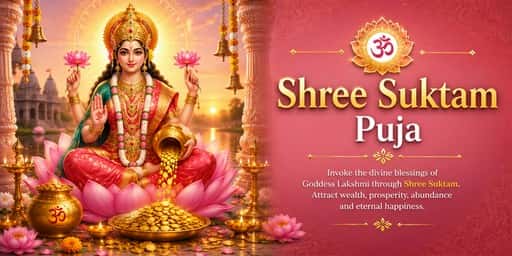
"The Shree Suktam Puja is the complete ritual ceremony built around the Shri Suktam hymn. Where the Path focuses on the recitation alone, the Puja adds the full ceremonial framework. Sankalp at the beginning. The formal worship of Lakshmi Mata's idol. The Shri Suktam recitation as the heart of the ritual. The havan to seal the offerings. The aarti to close the vidhi. This is the puja chosen when a family wants the complete Lakshmi ceremony, with every element of the classical tradition observed in full."
-puja-651bd1c3052302caf9a15365-66742566-s.jpg&w=3840&q=60)
Deepawali (Diwali) Puja
"Deepawali (Diwali) is the biggest festival in the Hindu calendar. Every family prepares for it weeks in advance. The home is cleaned, diyas are lit, and everything is kept ready before the muhurat arrives. Mata Lakshmi walks the earth that night. She enters homes that are waiting. The ones that are not, she skips."
Lord Vitthal Puja
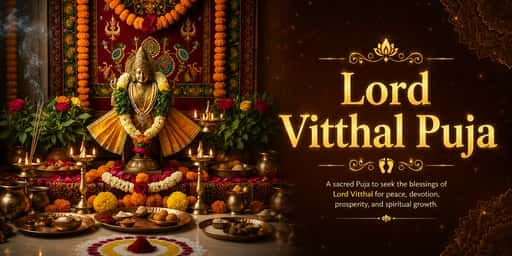
"Lord Vitthal is a beloved form of Lord Krishna. The people of Maharashtra know him as Vithoba and Panduranga. He stands at Pandharpur with his hands on his hips. Rukmini, his consort, stands by his side. The story tells how he waited for his devotee Pundalik. Millions walk to Pandharpur each year to see him. The Warkari saints sang of his love for ages. He grants peace, plenty, and a happy home. This puja calls on Vitthal and Rukmini together. It seeks their grace for wealth, fame, and family joy. Devotees worship him with deep love and song."
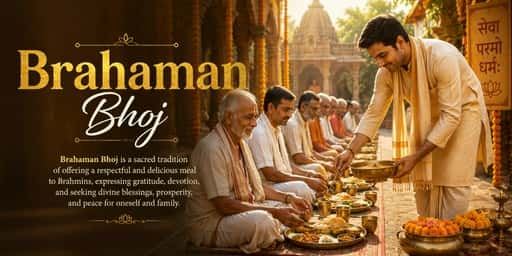
Brahaman Bhoj
"Brahman Bhoj is the sacred tradition of feeding learned Brahmins. The shastras hold that food offered to a Brahmin with respect reaches the devtas and the ancestors alike. This is why Brahman Bhoj follows nearly every major puja, shradh, and family milestone."
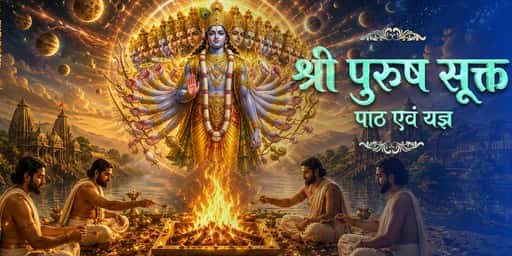
Shree Purusha Sukta Path and Yajna
"The Purusha Sukta is one of the most ancient and sacred hymns in the Rigveda. It describes the Purusha, the cosmic being, from whose body the entire universe is created. The sky is his head. The earth is his feet. The sun is his eye. The hymn is the foundation of Vedic philosophy itself, and is recited at every major yajna across the Hindu tradition. The Purusha Sukta is considered the supreme prayer to Vishnu in his cosmic form. To have it recited as a focused path with yajna is to align the family's life with the cosmic order itself."
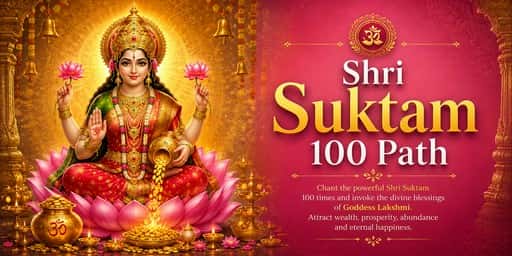
Shri Suktam 100 Path
"The Shri Suktam 100 Path is the elevated form of the Shri Suktam recitation. The fifteen verses of the Shri Suktam are chanted not once, but one hundred times. Each repetition multiplies the power of the previous one. By the end of the path, the verses have been chanted fifteen hundred times, with the energy of Lakshmi Mata compounding through every round. This is the puja chosen when a family needs not the standard blessing, but the most powerful Lakshmi puja available in the Vedic tradition."
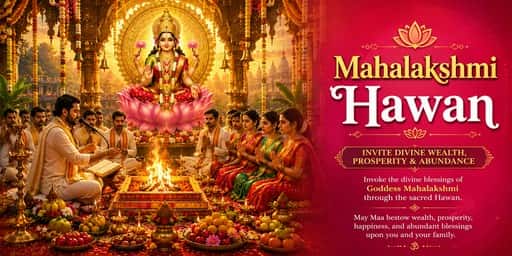
Mahalakshmi Hawan
"Mahalakshmi is the supreme form of the goddess of wealth. She is the consort of Lord Vishnu and the mother of plenty. The shastras say she lives where worship and care abide. This hawan is a fire worship in her honour. The sacred fire carries each prayer straight to the Mother. Many earn well but cannot keep their wealth. This hawan works to bring lasting wealth, or sthir Lakshmi. It clears the blocks that let money slip away. Business families seek it for steady growth and plenty. Its best days are Diwali and Dhanteras. These are the days the Mother walks the earth."
Tulsi Puja
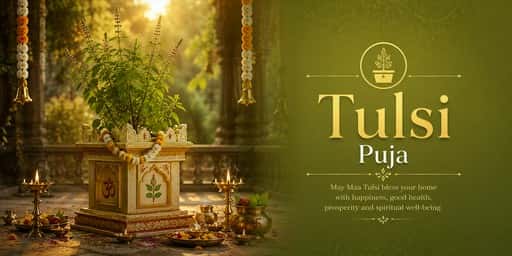
"The Tulsi plant is the holiest plant in Hindu homes. Tradition reveres it as a form of the goddess herself. Lord Vishnu is said to love Tulsi above all leaves. No worship of Vishnu is complete without her. This puja honours Mata Tulsi with the sacred Shaligram. The two stand for the divine bond of Vishnu and his consort. Many homes hold a Tulsi Vivah, the wedding of the plant. Where Tulsi is worshipped, peace and plenty stay. The plant clears the air and guards the home. Its worship brings joy, wealth, and family growth. Devotees water it and light a lamp by it each evening."
Shaligram Puja
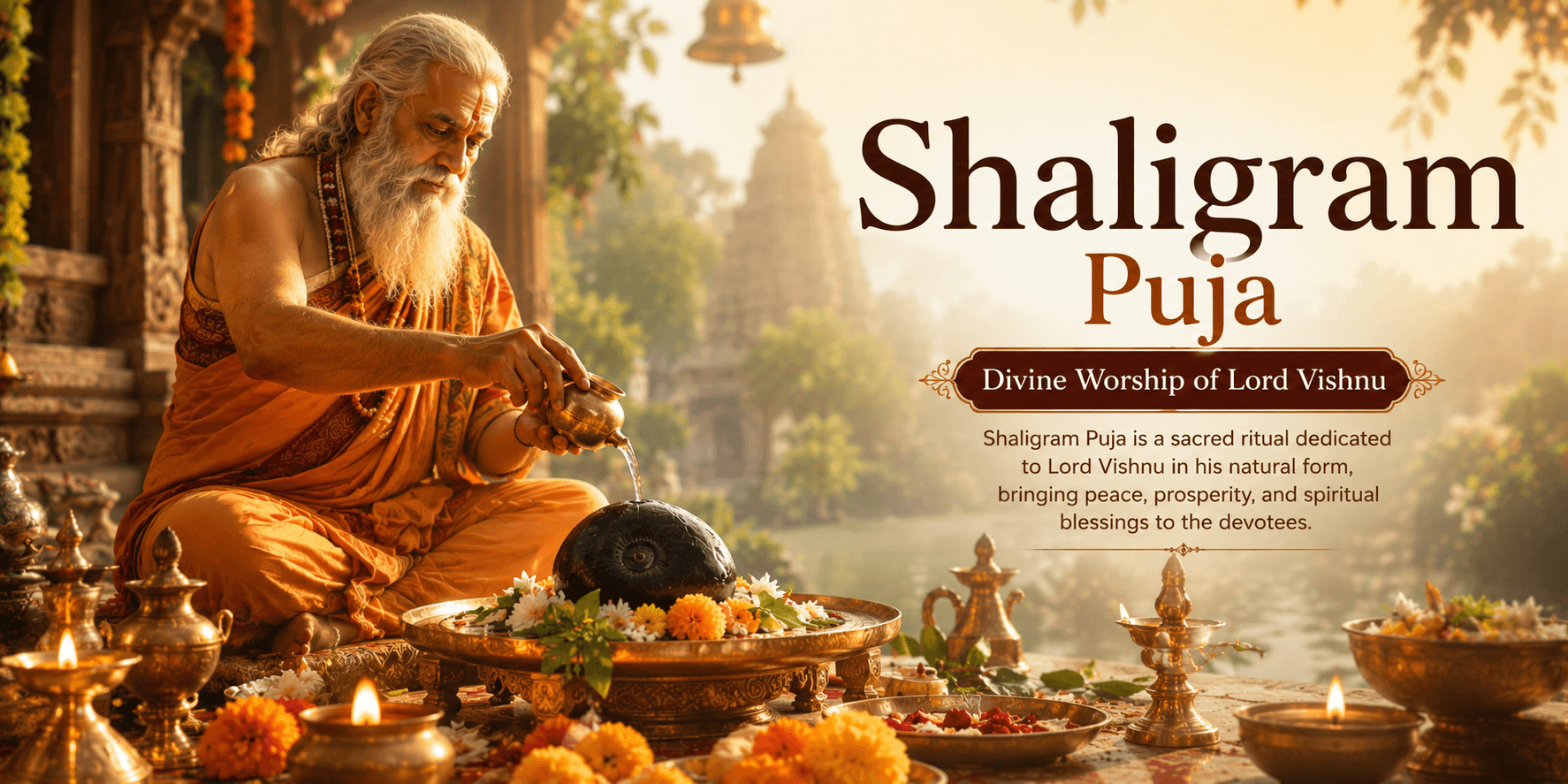
"The Shaligram is a black, round stone found in the Gandaki river in Nepal. People have worshipped it for ages as a living form of Lord Vishnu. It needs no carving and no pran pratishtha. Tradition holds that Vishnu himself resides inside the stone. Each Shaligram carries marks and lines that point to a different form of the Lord. Some show Krishna, some show Narasimha, some show Vaman. Where the Shaligram is worshipped with love, Mata Lakshmi stays close by. She brings wealth, peace, and unity to that home. For this reason families keep it as the heart of their daily worship."
New Year Puja and Yajna
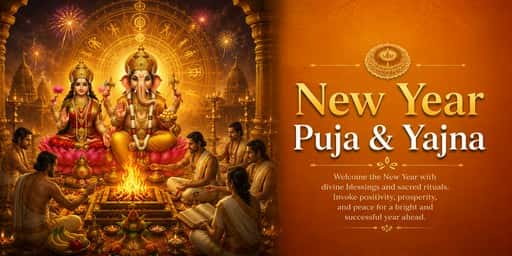
"The Hindu New Year begins in the month of Chaitra. Its first day is known as Gudi Padwa or Ugadi. Tradition holds that Lord Brahma made the world on this day. It is one of the most blessed starts in the whole calendar. This puja calls on Lord Vishnu, the keeper of the world. It seeks his grace for the whole year ahead. A good start is said to shape the whole year. The yajna carries the prayer for plenty and peace through fire. Families begin the year with worship and not with worry. They ask for success in every task of the coming months."
Sankata Mata Puja
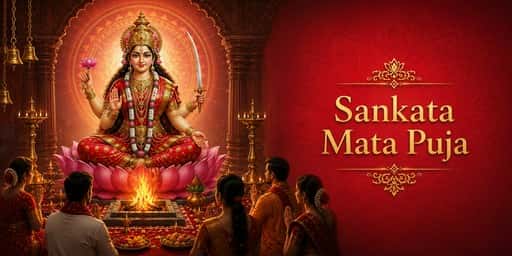
"Sankata Mata's name means "the goddess who removes difficulties." She is a beloved form of the Divine Mother in Kashi, with her own ancient temple in the city. Devotees turn to her when life feels heavy with sankat, a Sanskrit word that means crisis, difficulty, or trouble. Where ordinary remedies have not worked, where the way forward feels closed, Sankata Mata answers. Tradition holds that those who pray to her with sincerity feel their burdens lift, even when the outer circumstances have not yet changed. Students, brides-to-be, and families facing chronic difficulty are her most devoted seekers."