
Divine Collection
For Good Helth Relief From Illness
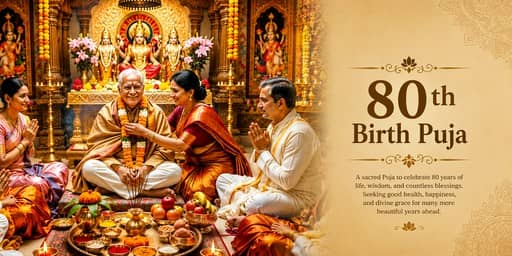
80th Birth Puja
"The 80th year of life is a rare and blessed mark. The shastras honour it with a special rite of thanks. By this age a person has seen a full thousand full moons. Tradition calls this sacred moment Sahasra Chandra Darshan. It is a day to thank the gods for a long life. This puja blesses the elder for the years still to come. It calls on Lord Ganesh and Rishi Markandeya, the sage of long life. Their grace brings health, strength, and a calm old age. The whole family gathers to honour their elder. It is a moment of deep joy and gratitude."
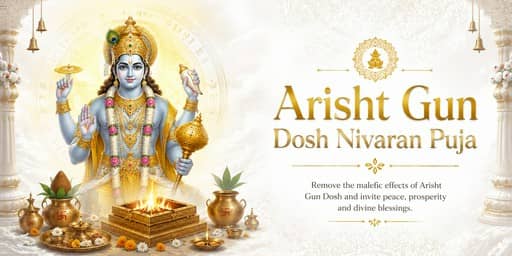
Arisht Gun Dosh Nivaran Puja
"Every birth chart carries the marks of the nine planets. Some sit in good houses and bring good results. Others fall in bad houses and turn harmful. The shastras call these harmful planets the Arishta Grah. Their bad placement blocks health, wealth, and peace. Work stalls, money slips, and worries pile up. The person tries hard but the results do not come. This puja finds the planets that cause the harm. It calms them through their own mantras and offerings. Once settled, they stop their harm and turn kind. The chart then opens the way to good results."
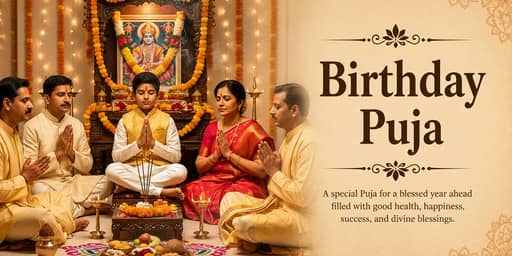
Birthday Puja
"A birthday is more than a day of cake and gifts. In Hindu tradition, it is a sacred mark of life. This puja blesses the person for the year ahead. It calls on Lord Ganesh to clear the path of the new year. It joins Rishi Markandeya, the sage who won long life. The shastras tell how Shiva saved him from death. His grace brings health and long years to the seeker. The worship also honours your Ishta Dev and Kul Dev. It seeks their blessing for strength and a good life. Families perform it to start each new year with grace."
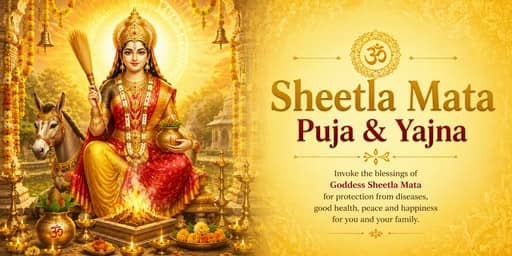
Sheetla Mata Puja and Yajna
"Sheetala Mata is the cooling form of the Divine Mother. Her name means the one who brings coolness and calm. Hindu tradition reveres her as the goddess who guards against disease. People worship her to keep illness away from the home. She rides a donkey and carries a pot of healing water. Her worship is most loved in the hot months of the year. Mothers pray to her for the health of their children. She cools fever, heals the body, and brings peace to the home. Her blessing is said to bring success and plenty too. Devotees have turned to her for protection for ages."
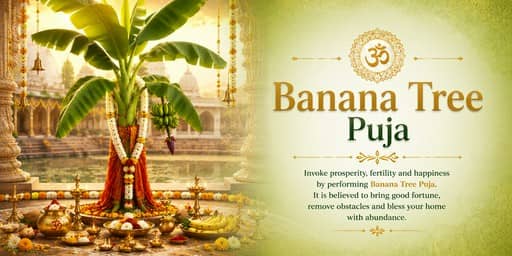
Banana Tree Puja
"The banana tree is sacred in Hindu worship. Tradition links it to Guru Brihaspati, the planet of wisdom and fortune. It is also dear to Lord Vishnu and Lord Krishna. A weak Brihaspati in the chart delays marriage and growth. It can also block learning, wealth, and respect. This puja worships the banana tree to strengthen that planet. The tree stands for plenty, faith, and a clean life. Devotees water its roots and tie sacred threads to it. They walk around it and offer prayers for their wishes. The worship is most loved on Thursdays, the day of the Guru."
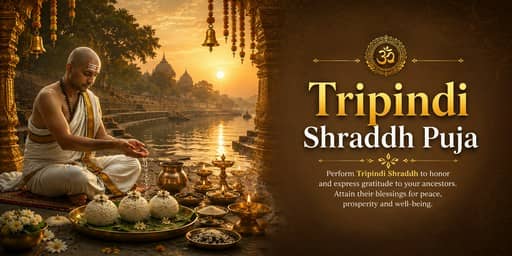
Tripindi Shraddh Puja
"Tripindi Shraddh is a special rite from the shastras. It is meant for ancestors whose last rites were left undone. When a death goes without proper shraddh, the soul stays restless. This unrest can carry on for three generations. It then shows as Pitra Dosha in the family line. The dosha blocks marriage, children, health, and growth. Tripindi Shraddh settles the debt of all three generations at once. The word tripindi points to these three layers of ancestors. The rite gives them rest and lifts their grace upon the family. Kashi is held the best place on earth for this puja."
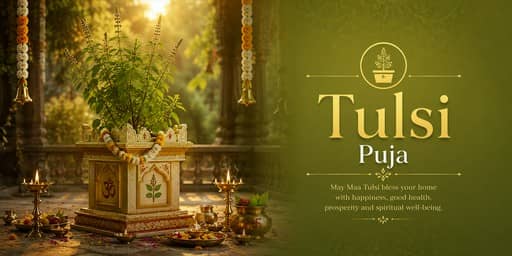
Tulsi Puja
"The Tulsi plant is the holiest plant in Hindu homes. Tradition reveres it as a form of the goddess herself. Lord Vishnu is said to love Tulsi above all leaves. No worship of Vishnu is complete without her. This puja honours Mata Tulsi with the sacred Shaligram. The two stand for the divine bond of Vishnu and his consort. Many homes hold a Tulsi Vivah, the wedding of the plant. Where Tulsi is worshipped, peace and plenty stay. The plant clears the air and guards the home. Its worship brings joy, wealth, and family growth. Devotees water it and light a lamp by it each evening."
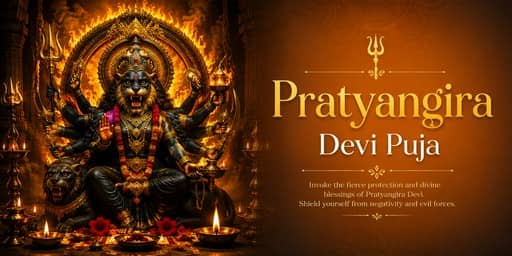
Pratyangira Devi Puja
"Pratyangira Devi is a fierce form of the Divine Mother. She carries the face of a lion and the body of a woman. The shastras call her the great destroyer of dark forces. She was born to calm the rage of Narasimha and Sharabha. Her power is said to turn back any harm sent at a devotee. People turn to her when no normal remedy seems to work. She breaks the hold of black magic, hidden enemies, and strong curses. She guards the home against the evil eye and unseen attack. Her grace is swift, sure, and full of protection. Devotees seek her shelter in their hardest hours."
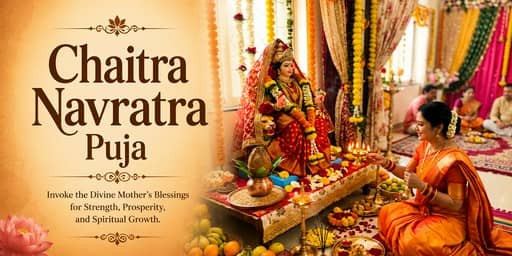
Chaitra Navratra Puja
"Chaitra Navratri brings the nine sacred nights of the Goddess. They fall at the start of the Hindu new year, in the month of Chaitra. These are among the holiest days in the whole calendar. Devotees worship the nine forms of Durga, one for each day. The first day honours Shailputri and the last honours Siddhidatri. Each form grants a different blessing to the seeker. Many keep fasts and light the akhand jyoti through all nine days. The Mother is said to walk close to her devotees at this time. She gives strength to the weak and wealth to the deserving. People pray to her for safety, courage, and a fresh start."

Shaligram Puja
"The Shaligram is a black, round stone found in the Gandaki river in Nepal. People have worshipped it for ages as a living form of Lord Vishnu. It needs no carving and no pran pratishtha. Tradition holds that Vishnu himself resides inside the stone. Each Shaligram carries marks and lines that point to a different form of the Lord. Some show Krishna, some show Narasimha, some show Vaman. Where the Shaligram is worshipped with love, Mata Lakshmi stays close by. She brings wealth, peace, and unity to that home. For this reason families keep it as the heart of their daily worship."
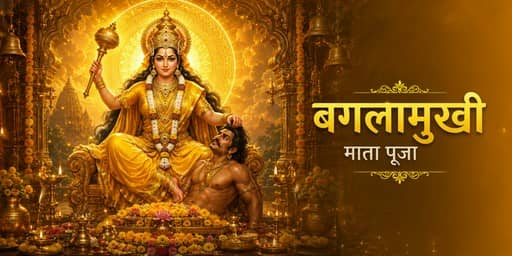
Baglamukhi Mata Puja
"Baglamukhi Mata is the eighth of the ten Mahavidyas. Her name comes from bagla, meaning "the one who silences," and mukhi, meaning "the face." She is the goddess who silences the voice of the enemy. Who paralyses the power to harm. Who freezes negative energy at its source. Her form is fierce, but her purpose is protection. She holds the tongue of her enemy in one hand, and a club in the other. Wherever Baglamukhi rules, no harm can move forward. Yellow is her sacred colour. Yellow flowers, yellow cloth, and turmeric are her offerings."
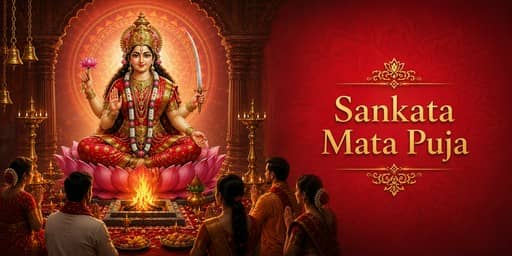
Sankata Mata Puja
"Sankata Mata's name means "the goddess who removes difficulties." She is a beloved form of the Divine Mother in Kashi, with her own ancient temple in the city. Devotees turn to her when life feels heavy with sankat, a Sanskrit word that means crisis, difficulty, or trouble. Where ordinary remedies have not worked, where the way forward feels closed, Sankata Mata answers. Tradition holds that those who pray to her with sincerity feel their burdens lift, even when the outer circumstances have not yet changed. Students, brides-to-be, and families facing chronic difficulty are her most devoted seekers."