
Blessings
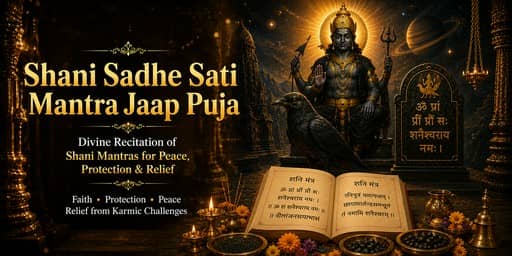
Shani Sadhe Sati Mantra Jaap Puja
"Sadhe Sati is the seven-and-a-half-year transit of Saturn across the Moon sign. It is the most discussed and most feared Shani period in Vedic astrology. During Sadhe Sati, life often feels relentlessly slow. Every effort takes years to bear fruit. Patience itself begins to feel exhausted. But Sadhe Sati is not punishment. Shani is the cosmic disciplinarian, slow and absolutely just. Those who walk through this transit with devotion emerge stronger, wiser, and aligned with their real purpose."
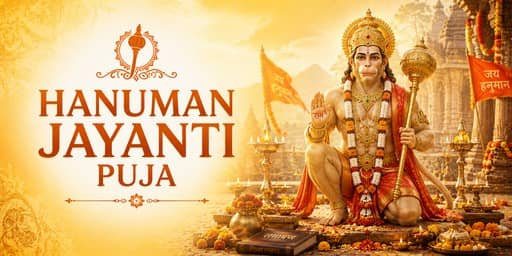
Hanuman Jayanti Puja
"Hanuman Jayanti is the birth anniversary of Lord Hanuman. The single most powerful day of the year for any Hanuman puja. Tradition holds that on this day, Hanuman was born to Anjana Mata and Kesari, with the blessing of Vayu Dev, the wind god. As a child, he leapt towards the sun thinking it was a fruit. His childhood mischief gave way to a lifetime of devotion to Lord Ram. To worship Hanuman on this day is to invoke the strongest possible form of his protective grace."
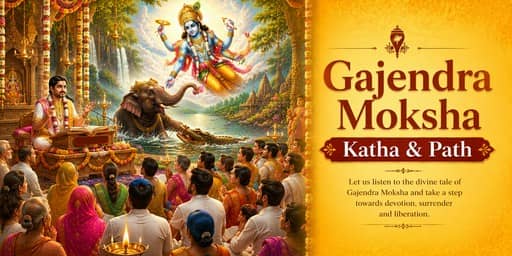
Gajendra Moksha Katha and Path
"Gajendra Moksha is one of the great tales of the Bhagavata. It tells of Gajendra, the king of elephants. A crocodile caught his leg in a lake and would not let go. Gajendra fought for years but could not break free. At last he gave up his pride and cried out to Vishnu. He held up a lotus and called the Lord with full faith. Vishnu came at once and freed him from the jaws. The tale teaches full surrender to the divine. This katha and path recite that sacred story. It brings patience, faith, and release from trouble. It frees the heart from fear and grants moksha."
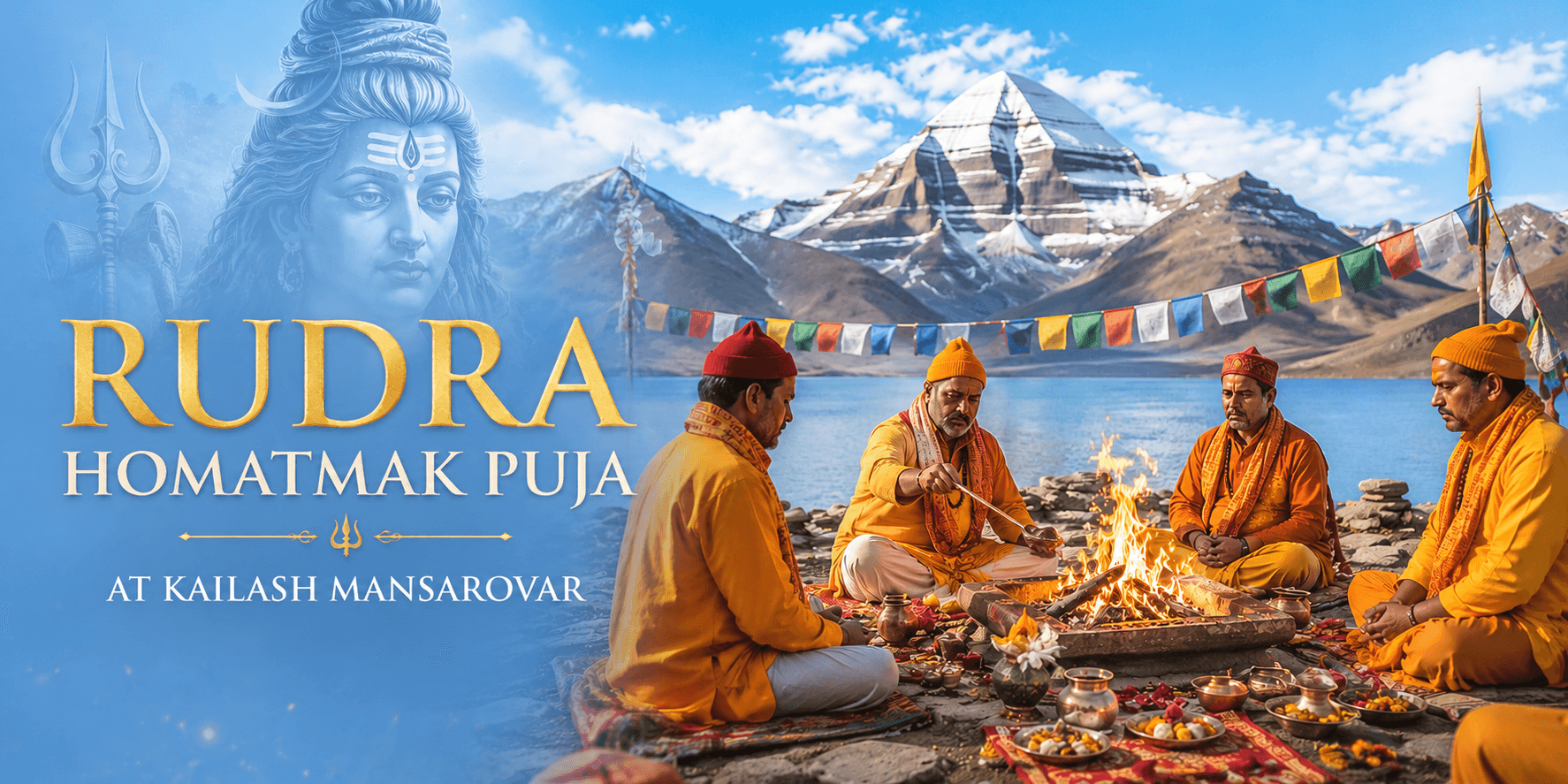
Rudra Homatmak Puja At Kailash Mansarovar
"Kailash Mansarovar is the holiest seat of Lord Shiva. Mount Kailash rises in the far Himalayas as the eternal abode of Shiva and Parvati. Below it lies Mansarovar, the sacred lake formed in the mind of Brahma. The shastras hold this as the most powerful place on earth for Shiva worship. Few reach this far and high to worship there. A puja at this seat is rare and full of merit. This homa is a fire worship of Lord Shiva in his Rudra form. The sacred fire carries each prayer to the Lord. It brings health, peace, and a fresh strength for life. Devotees long for this worship at the very throne of Shiva."
-651e59fc42dc48b969674951-59962914-s.jpg&w=3840&q=70)
Kaal Sarp Dosh Nivaran Puja
"Kaal Sarp Dosh is one of the most discussed afflictions in Vedic astrology. It forms when all seven classical planets in the birth chart fall between Rahu and Ketu. The two shadow planets are visualised as the head and the tail of the cosmic serpent. When this alignment is present, life often feels as if it moves against an invisible current. Effort brings delayed results. Marriage, career growth, and the blessing of children appear blocked. The devotee senses a force beyond ordinary understanding holding them back. Ancient sages understood this as the karmic weight of past lives. Held in place by the serpent's coil around the soul's destiny. But the tradition has always carried hope alongside the diagnosis. Lord Shiva himself wears the serpent Vasuki as a garland around his neck. The same being who binds the soul can, with Shiva's grace, become an ornament of protection."
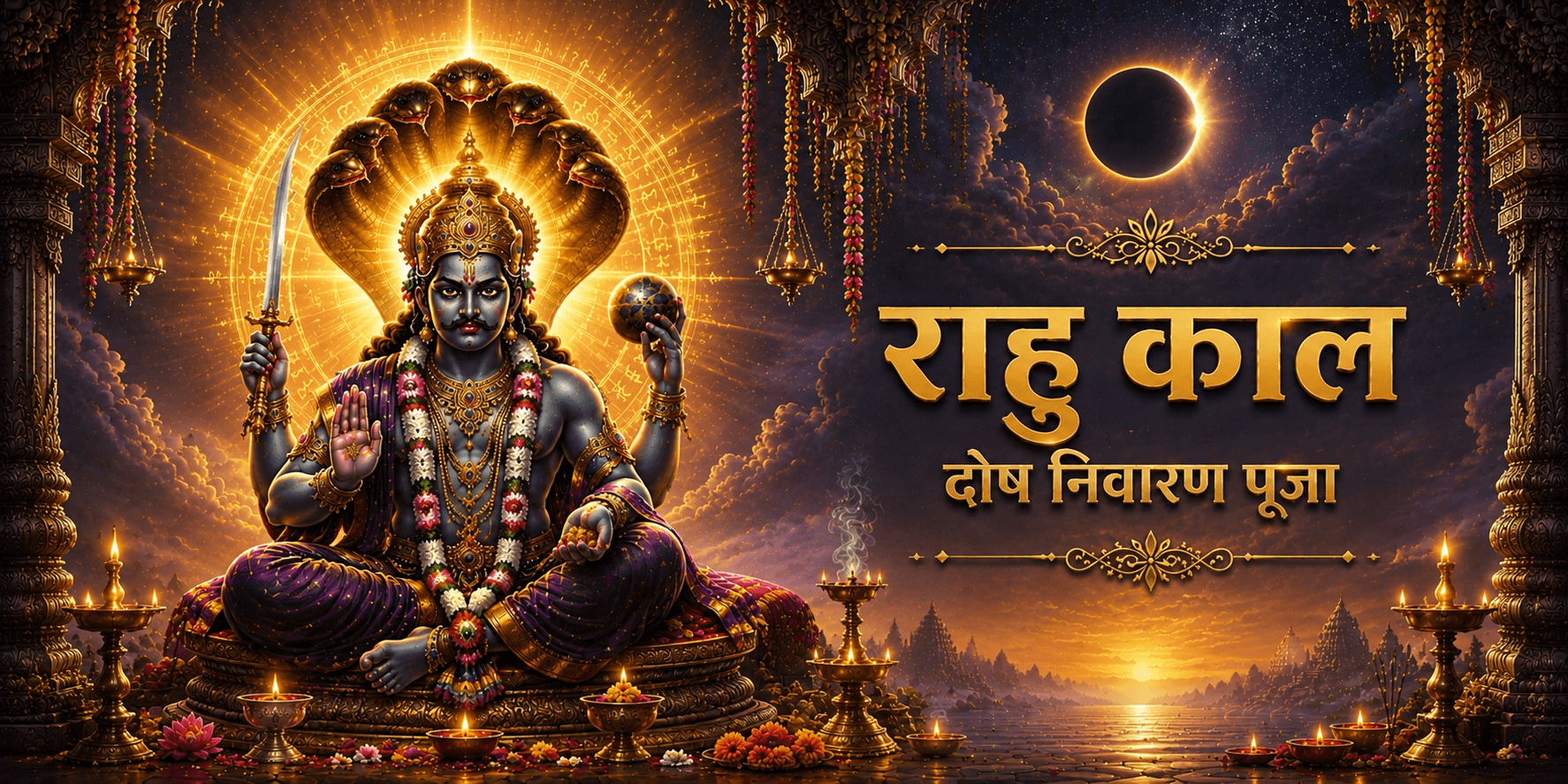
Rahu Kaal Dosh Nivaran Puja
"Rahu has no physical body. He is a shadow. The severed head of an asura who once tasted the nectar of immortality and was cursed to remain forever between worlds. He casts illusions. He magnifies desires. He unsettles whatever he touches. In a modern devotee's life, Rahu shows up as obsession, mental fog, addiction, restlessness, and sudden gains followed by sudden losses. The mind cannot rest. Sleep is troubled. Decisions are made in haste and regretted at leisure."
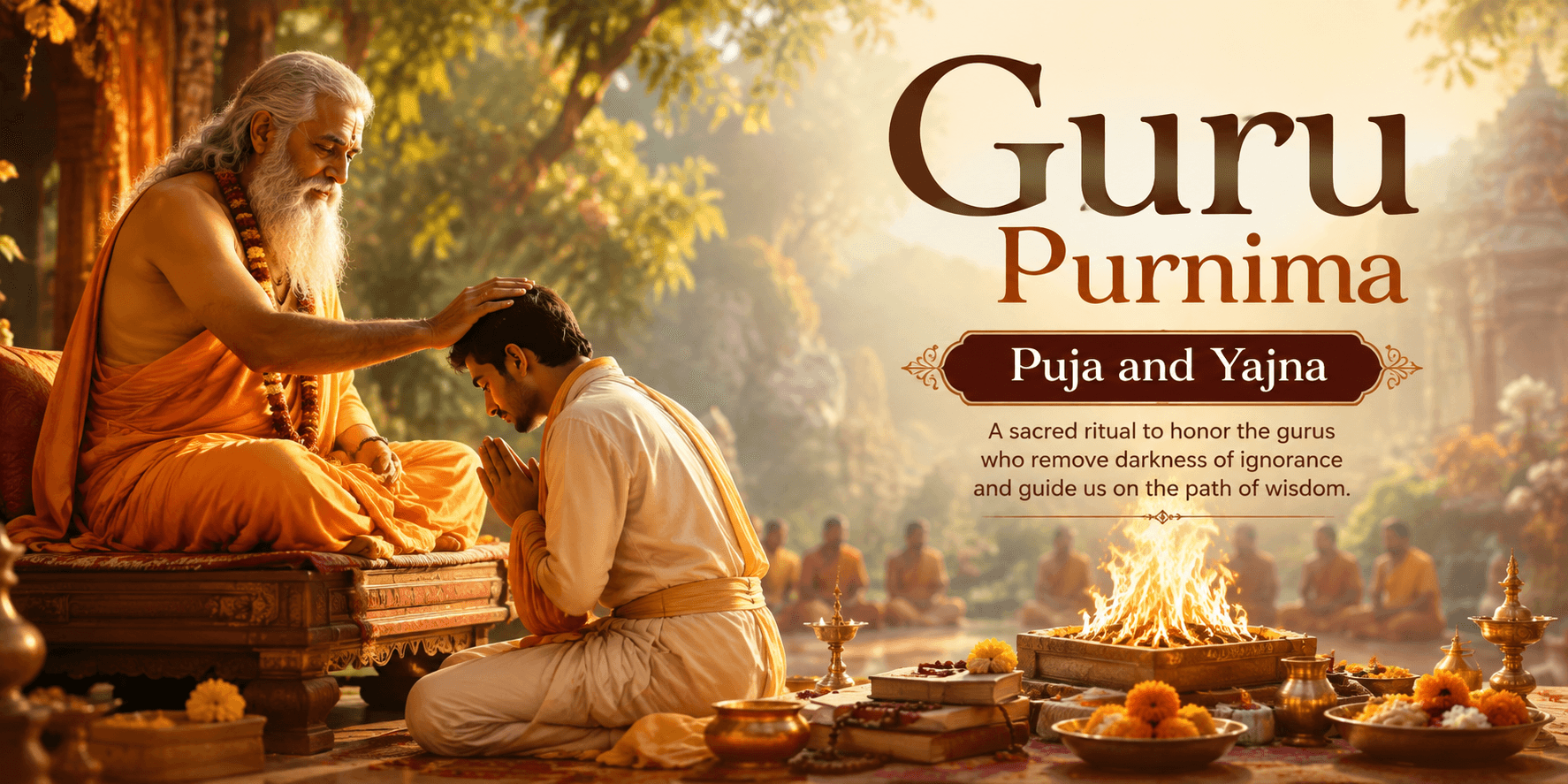
Guru Purnima Puja and Yajna
"Guru Purnima is the most sacred day of the year for honouring teachers. The day is dedicated to Veda Vyasa, the sage who compiled the four Vedas and the Mahabharata. He is considered the original Guru of all Hindu wisdom. On this day, students, disciples, and devotees across India honour the teachers who have shaped their lives. Spiritual gurus. Academic teachers. Family elders. Anyone who has lit the lamp of knowledge in their lives."
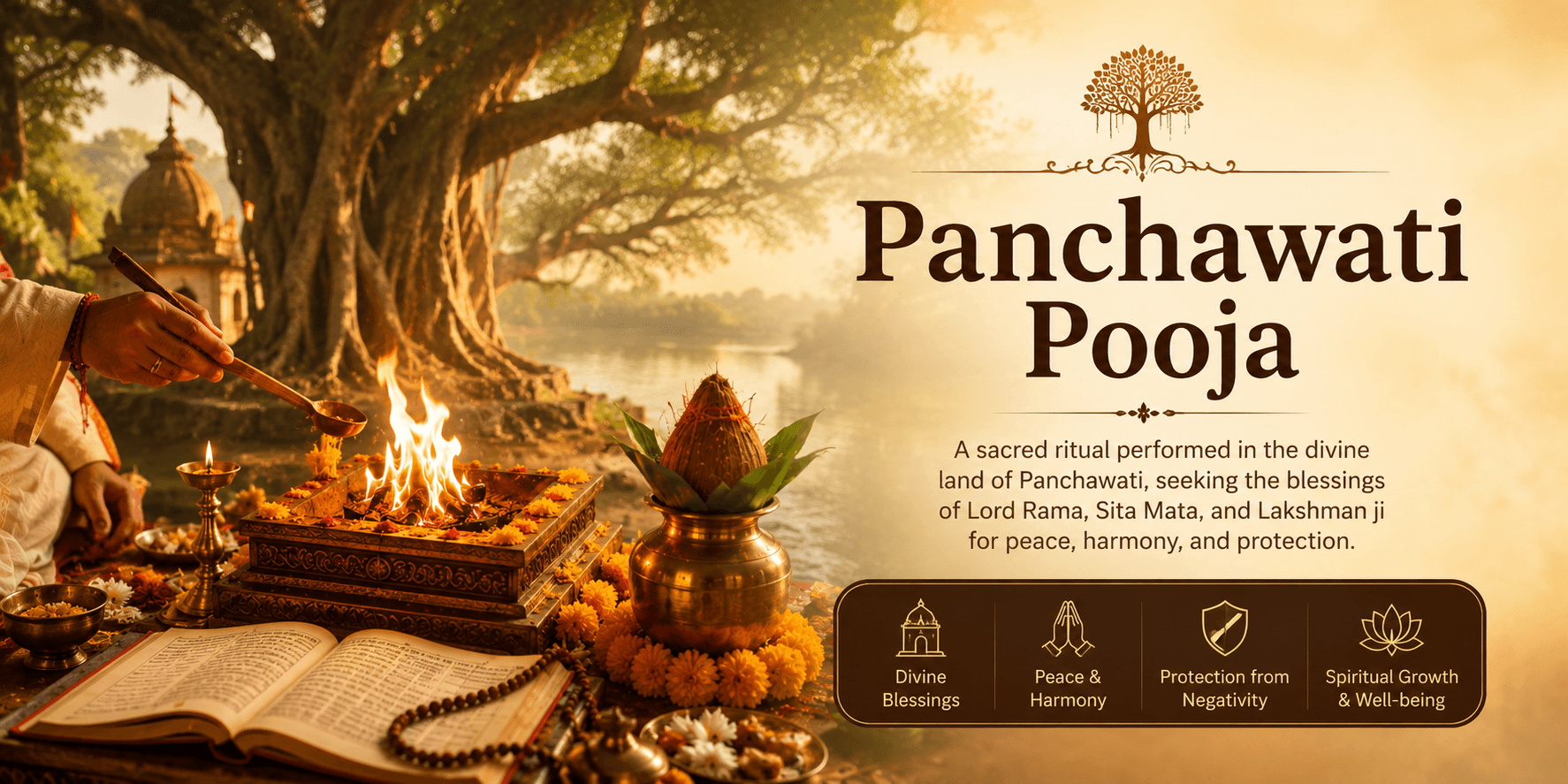
Panchawati Pooja
"Panchawati is the sacred grove of five trees. Peepal, Bargad, Ashoka, Amla, and Bilva. These are the same five trees that grew around the home of Lord Ram, Sita Mata, and Lakshman during their fourteen years of exile in the forest. Tradition holds that wherever the Panchawati grows, dharma is established. The trees themselves carry the blessings of Ram, of the rishis who lived among them, and of the natural forces they represent."
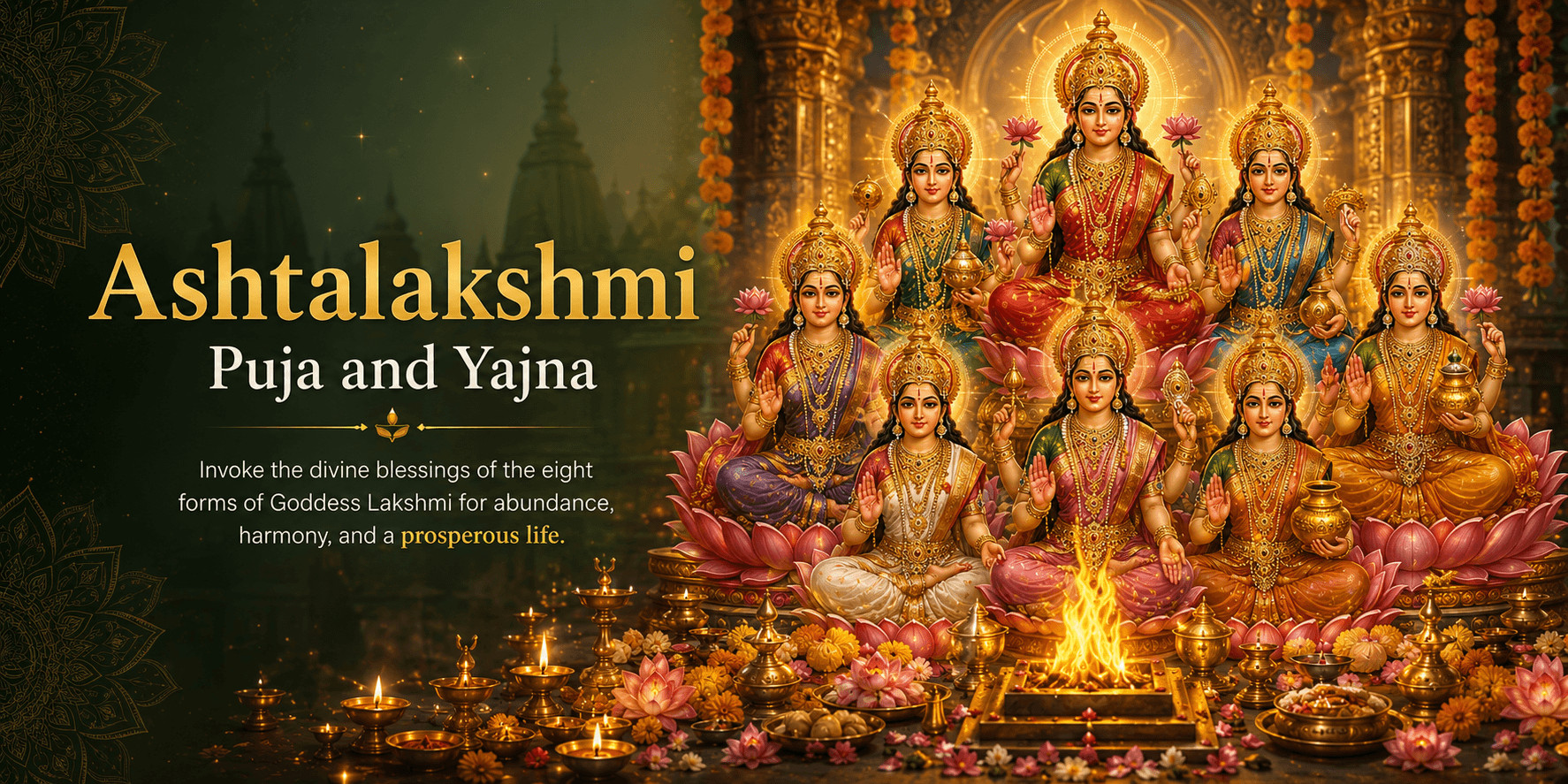
Ashtalakshmi Puja and Yajna
"Ashtalakshmi is Mata Lakshmi worshipped in her eight forms. Each form blesses a different kind of wealth. Adi Lakshmi gives original wealth. Dhana Lakshmi gives money and gold. Dhanya Lakshmi gives the wealth of grain and food. Gaja Lakshmi gives the wealth of power and dignity. Santana Lakshmi gives the wealth of children. Veera Lakshmi gives the wealth of courage. Vijaya Lakshmi gives the wealth of victory. Vidya Lakshmi gives the wealth of knowledge. To worship all eight together is to invite every form of abundance into the home."
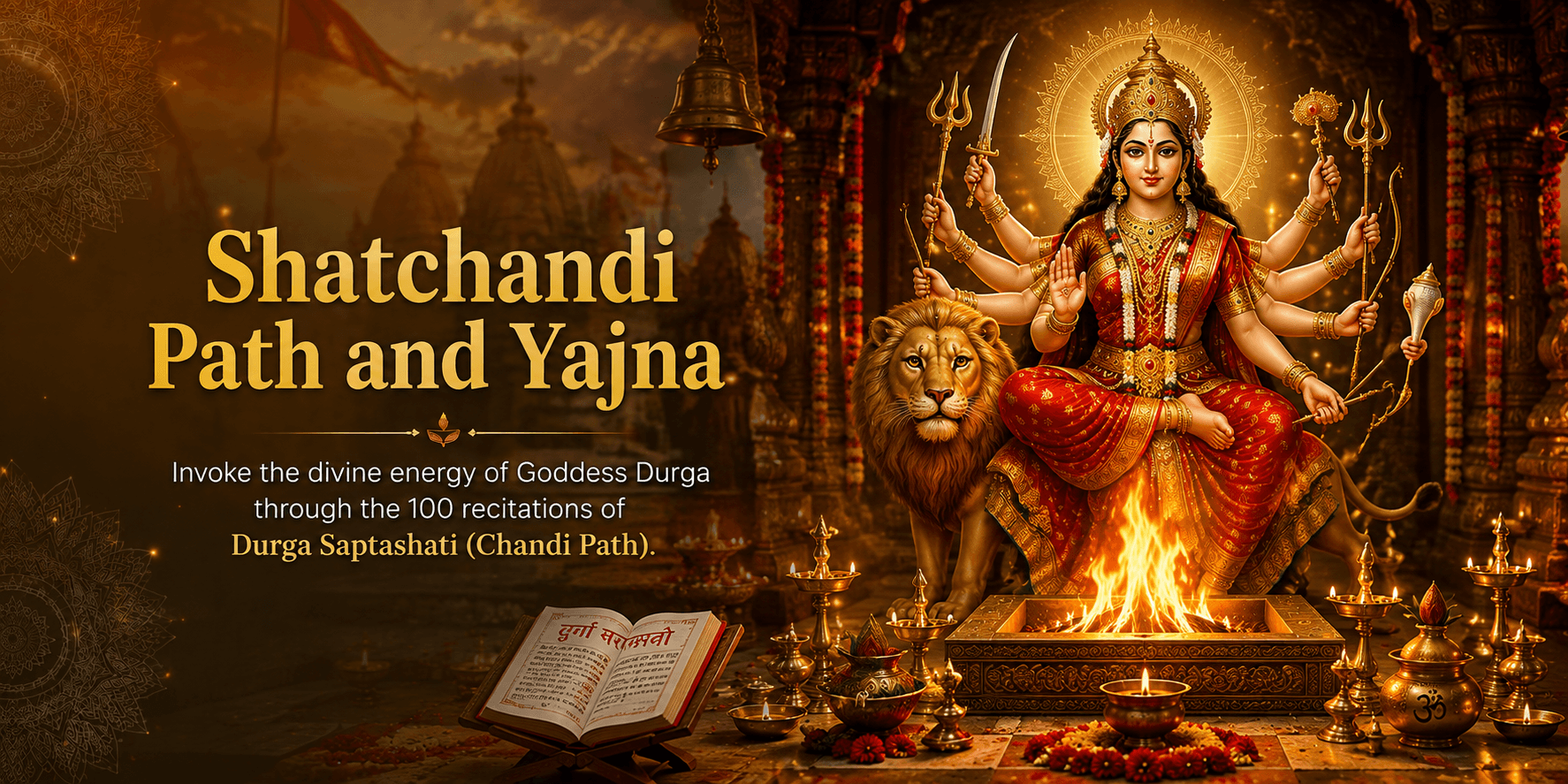
Shatchandi Path and Yajna
"Shatchandi Path is one of the most elevated forms of Durga worship. It involves the recitation of the Durga Saptashati not once, but one hundred times. Each repetition multiplies the power of the previous one. By the end of the path, the seven hundred verses have been chanted seventy thousand times. The Yajna runs alongside, with offerings made into the sacred fire for every section. This is the most comprehensive Durga puja in the Vedic tradition, performed when the family needs the Mother's full grace at the highest possible scale."
Indrakshi Puja
"Indrakshi Mata is one of the most powerful protective goddesses in the Vedic tradition. Her name means "she with the eyes of Indra." The Indrakshi Stotra was first taught by Lord Indra himself to sage Brihaspati. It is recited for protection from disease, from enemies, and from the unseen forces that can harm a devotee. For centuries, families have turned to this puja during prolonged illness, mysterious afflictions, and times when conventional remedies have not worked."
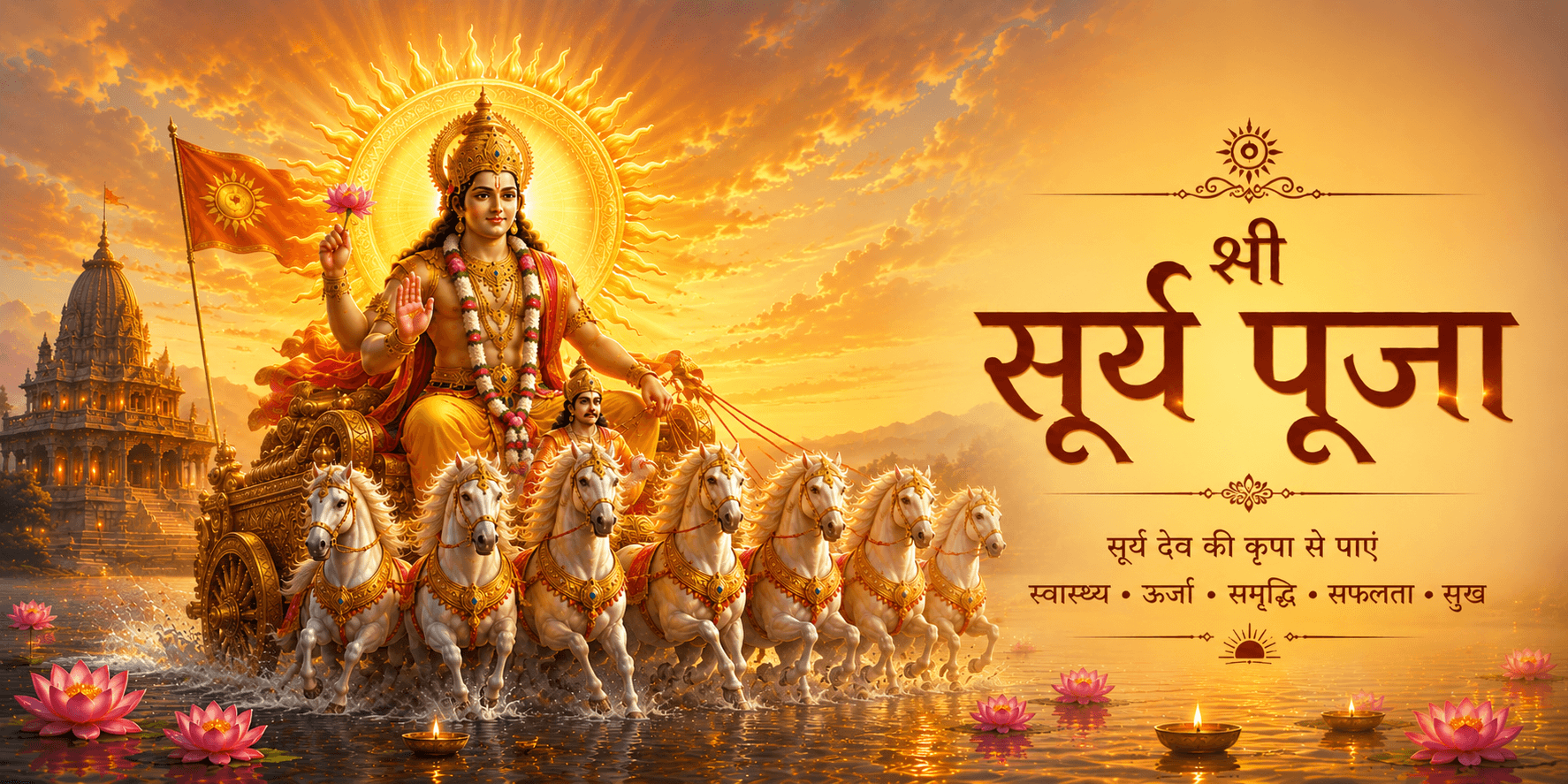
Surya Puja
"Surya is the one deity every devotee can see with their own eyes, every day. He is not a symbol. He is the visible god, the giver of life. The Vedas describe him riding his golden chariot, drawn by seven horses across the sky. In a birth chart, Surya governs the soul. He governs confidence, leadership, recognition, and the relationship with one's father. When he shines strong, the devotee is seen, heard, and respected."