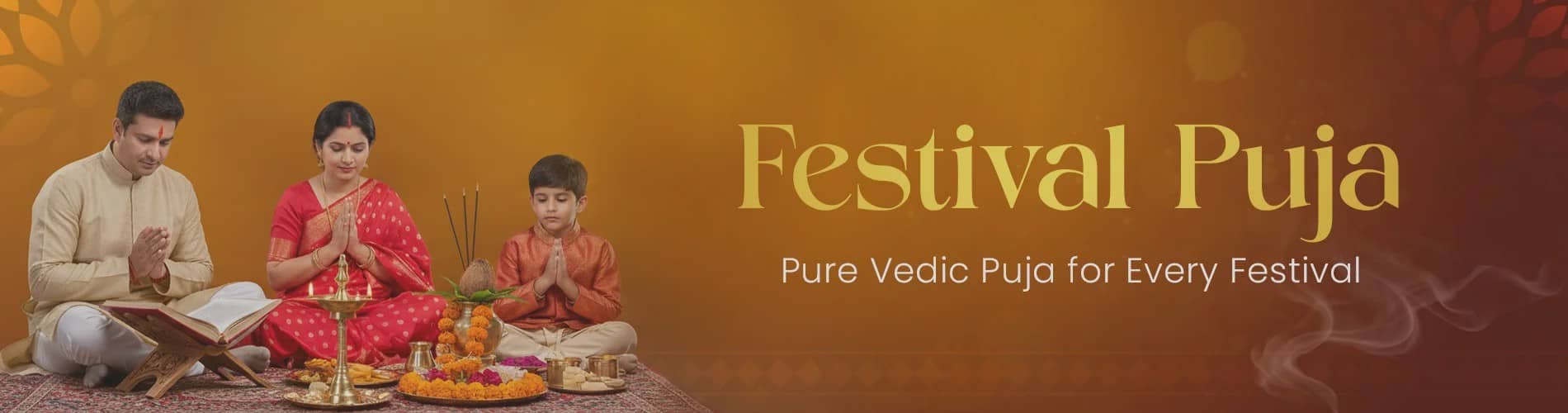
Festival Puja
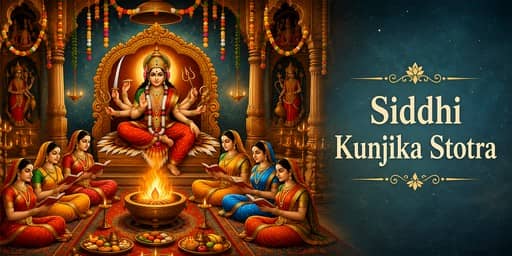
Siddhi Kunjika Stotra
"The Kunjika Stotra is a powerful hymn to Mata Durga. The word kunjika means a key, the key to all power. The shastras say it holds the strength of the whole Durga Saptashati. One recital of it is said to equal the full text. It needs no long ritual and no hard rules to bear fruit. Mata Durga herself gave this hymn to Lord Shiva. She told him to keep it secret for its great power. The stotra grants the Mother's grace swift and sure. It clears enemies, fear, and every kind of trouble. Devotees chant it for strength, success, and protection."
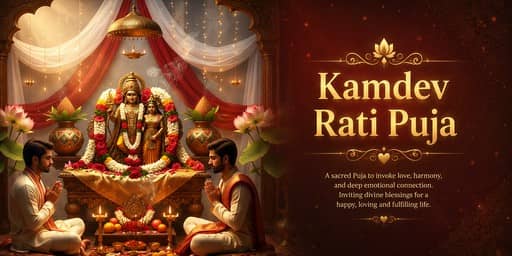
Kamdev Rati Puja
"Kamdev is the god of love in Hindu tradition. Rati is his consort, the goddess of desire and bliss. Together they rule the bond between husband and wife. The shastras say their grace keeps married love alive. When that love cools, the home loses its warmth. Distance and dryness creep into the marriage. This puja calls on Kamdev and Rati to bring back the spark. It deepens the bond and brings joy to the couple. The worship is most loved in the spring season. Spring is the season of Kamdev and new bloom. Devotees seek their blessing for a happy married life."
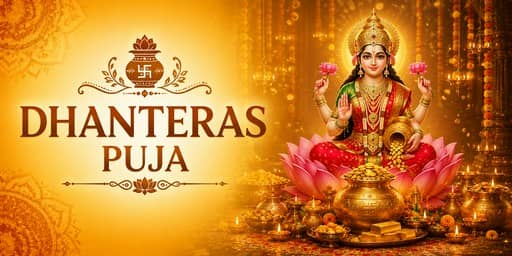
Dhanteras Puja
"Dhanteras marks the beginning of the Diwali festival. The word dhan means "wealth," and teras refers to the thirteenth lunar day. Tradition holds that on this day, Goddess Lakshmi emerged from the cosmic ocean during the great churning. Lord Dhanwantari, the divine physician, also emerged on this day, holding the pot of amrit (the nectar of immortality). The day is sacred to all three deities. Families buy gold, silver, and metal vessels on Dhanteras, believing that what is bought on this day grows multiplied through the year ahead."
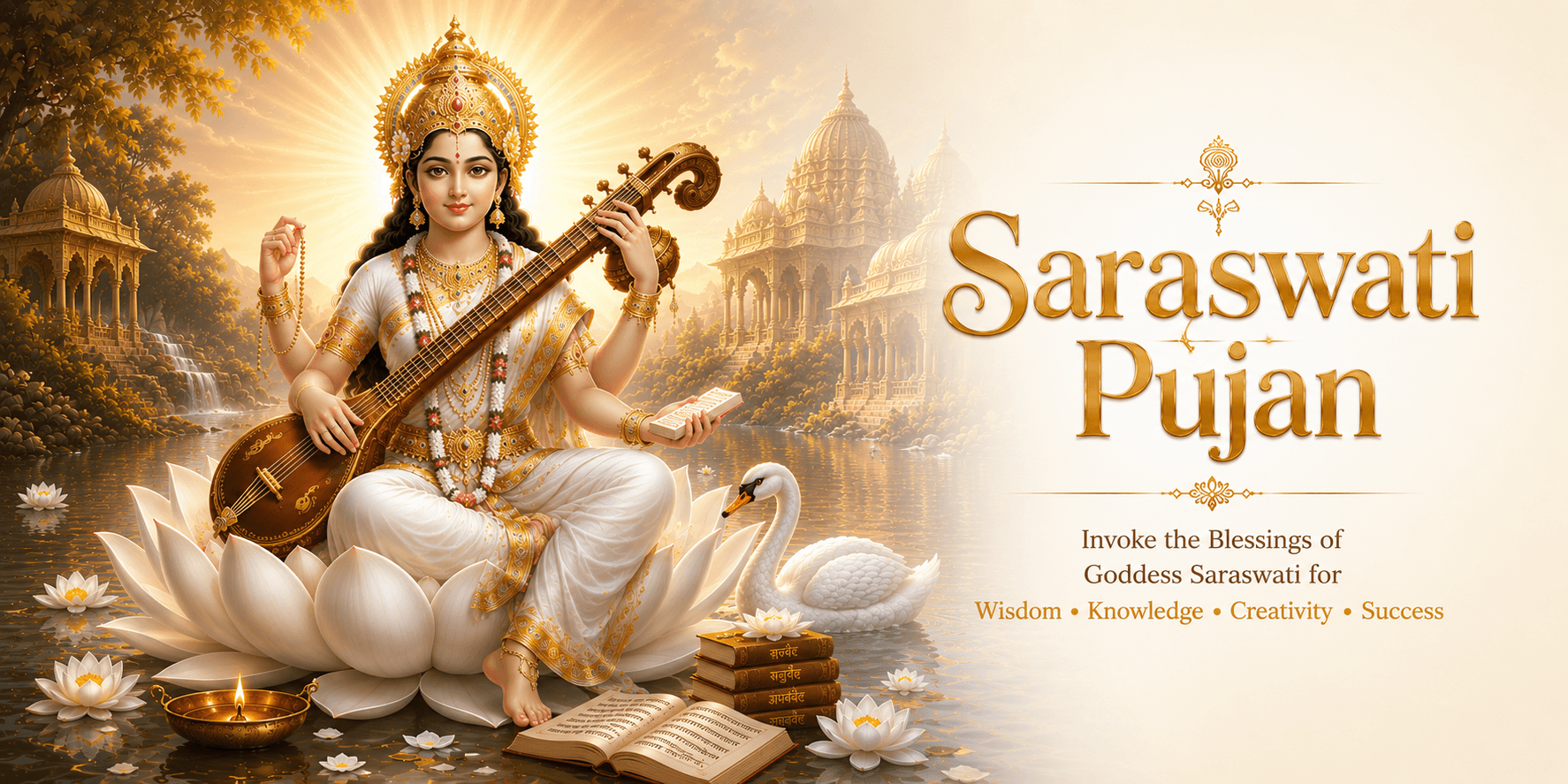
Saraswati Pujan
"Saraswati Mata is the goddess of all learning. She sits on a white lotus, dressed in pure white. She holds the veena. A book and a rosary rest at her side. Three great goddesses share the work of the universe. Lakshmi gives wealth. Durga gives strength. Saraswati gives the rarest gift of all. The light of true knowledge."

Shree Purusha Sukta Path and Yajna
"The Purusha Sukta is one of the most ancient and sacred hymns in the Rigveda. It describes the Purusha, the cosmic being, from whose body the entire universe is created. The sky is his head. The earth is his feet. The sun is his eye. The hymn is the foundation of Vedic philosophy itself, and is recited at every major yajna across the Hindu tradition. The Purusha Sukta is considered the supreme prayer to Vishnu in his cosmic form. To have it recited as a focused path with yajna is to align the family's life with the cosmic order itself."
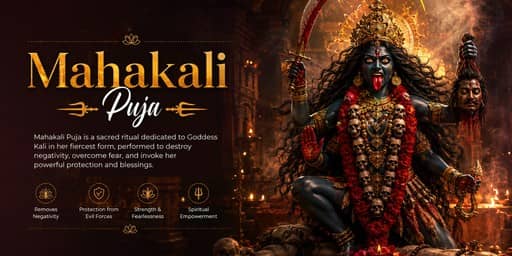
Mahakali Puja
"Mahakali is the supreme form of Kali Mata. Where Kali is the destroyer of evil, Mahakali is the destroyer of time itself. She is the goddess from whom even time emerges. Dark as the night sky. Wearing a garland of skulls. Standing on Lord Shiva who lies beneath her in surrender. Her tongue extended in fierce intensity. Mahakali is not gentle. She is not approachable in the way other forms of the Mother are. But for those who turn to her with absolute devotion, she gives the kind of protection that no other deity gives."
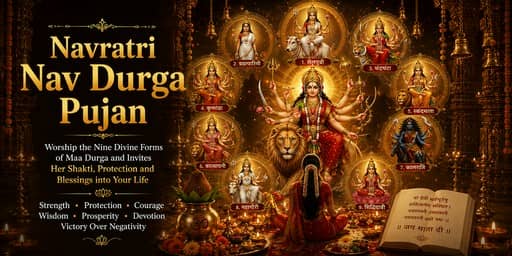
Navratri Nav Durga Pujan
"Navratri is nine nights of devotion to Maa Durga. Each night honours one of her nine forms. Shailputri, Brahmacharini, Chandraghanta, Kushmanda, Skandamata, Katyayani, Kaalratri, Mahagauri, and Siddhidatri. The first three days bring strength. The next three bring prosperity. The final three bring wisdom. By the ninth night, the devotee has been blessed by every form of the Mother."

Vaibhav Lakshmi Puja
"Vaibhav Lakshmi is the form of Lakshmi that grants riches. The word vaibhav means grandeur, glory, and plenty. She blesses the home with wealth that lasts. Many earn well but cannot hold their money. This puja works to bring lasting wealth, or sthir Lakshmi. It clears the blocks that let money slip away. The Mother fills the home with comfort and grace. Business families seek her for steady growth. Her worship is most loved at Diwali and Dhanteras. These are the days when Lakshmi walks the earth. Devotees keep their homes clean and bright to receive her."
-puja-651bd1c3052302caf9a15365-66742566-s.jpg&w=3840&q=70)
Deepawali (Diwali) Puja
"Deepawali (Diwali) is the biggest festival in the Hindu calendar. Every family prepares for it weeks in advance. The home is cleaned, diyas are lit, and everything is kept ready before the muhurat arrives. Mata Lakshmi walks the earth that night. She enters homes that are waiting. The ones that are not, she skips."
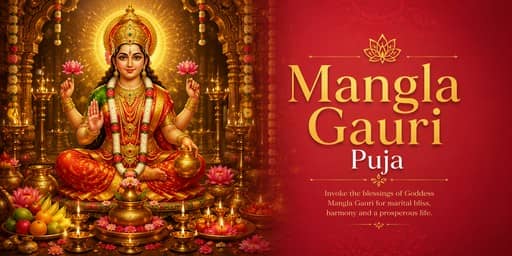
Mangla Gauri Puja
"Mangla Gauri is a loving form of Mata Parvati. She is one of the great Shakti forms revered in Kashi. The shastras hold her as the giver of married joy. Unmarried girls pray to her for a good husband. Married women pray to her for the long life of their spouse. She also blesses couples with healthy children. Her worship clears the Manglik Dosh from the chart. This dosh often delays or troubles a marriage. Mangla Gauri removes that block and smooths the path. Her grace brings peace and harmony to the home. Devotees worship her on Tuesdays and in the month of Shravan."

Annapurna Puja
"Annapurna is the Mother who feeds the whole world. Her name means the one who is full of food and plenty. She is a form of Mata Parvati and the queen of Kashi. Tradition tells that Lord Shiva himself begged food from her hands. She holds a golden ladle and a bowl that never runs empty. People say no one in her city of Kashi goes hungry. Her worship brings plenty to the home and steady work to its people. It removes the fear of want and the worry of empty days. Devotees seek her for a life that is full and secure. Her grace keeps the kitchen warm and the family fed."