Divine Collection
Loans Debts Problem
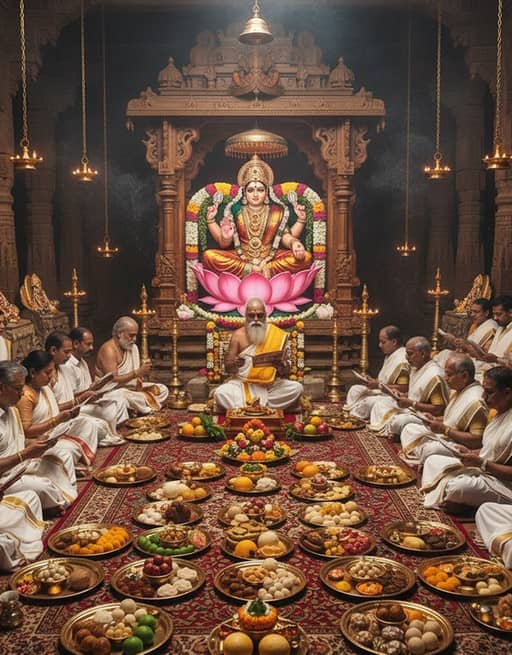
Shri Suktam Path
"The Shri Suktam is one of the oldest and most sacred Vedic hymns dedicated to Lakshmi Mata. Drawn from the Rigveda, it has fifteen verses that describe the goddess in her fullness. Her golden form. Her lotus seat. Her elephants pouring sacred water over her head. Her power to bless devotees with wealth, food, gold, jewels, and the abundance of every kind. The Shri Suktam is recited at every major Lakshmi puja across India. To have it recited as a focused path is to invoke Lakshmi Mata at the most direct, most personal level."
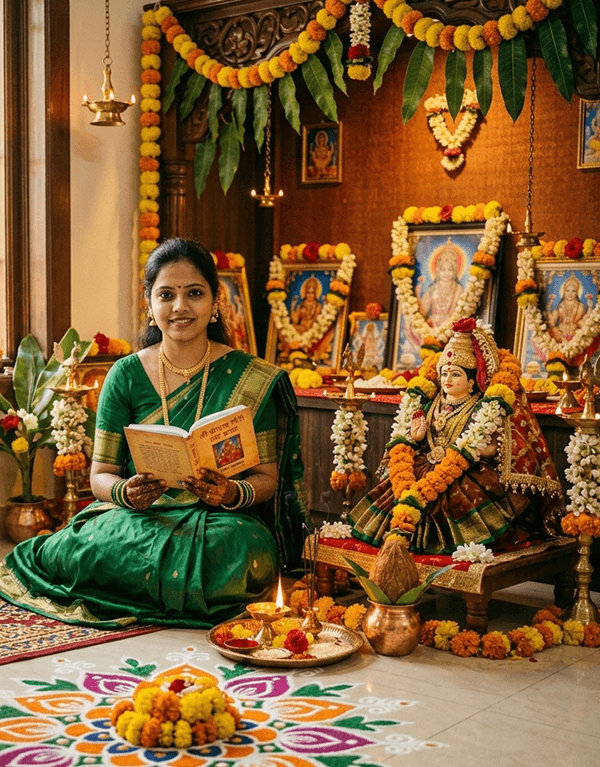
Mangla Gauri Vrat and Katha
"Mangla Gauri is one of the most beloved forms of Mata Parvati. Her name means "the auspicious fair one." She is worshipped specifically for marriage, family harmony, and the blessing of children. The puja is traditionally observed by married women during the month of Shravan, when they pray for the long life and well-being of their husbands. Unmarried women also observe it, seeking a loving partner and an early marriage. The vrat carries the same energy as Parvati's own penance to win Lord Shiva."
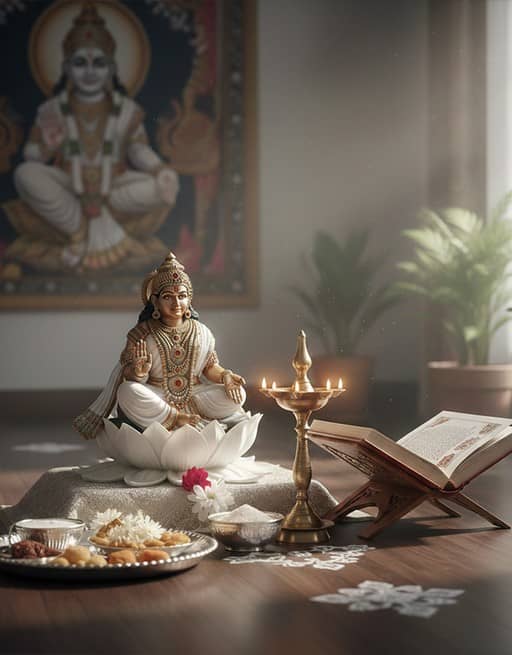
Shukra Var Vrat and Katha
"Shukra Var Vrat is the Friday vrat dedicated to Vaibhav Lakshmi. Friday itself is the day ruled by Shukra (Venus), the planet of beauty, wealth, and pleasure. Vaibhav Lakshmi is the form of Lakshmi Mata who blesses devotees with glory, fame, and the kind of wealth that becomes legacy. The vrat is observed for eleven or twenty-one consecutive Fridays, with the devotee fasting through the day and breaking the fast only after the Lakshmi puja in the evening. Tradition holds that those who complete the vrat with sincerity see their fortune transform."
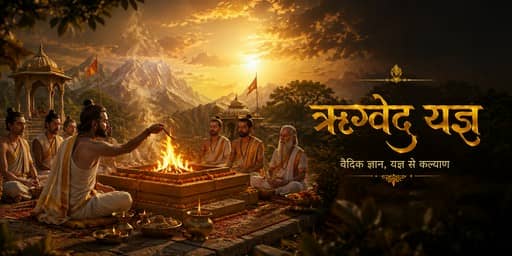
Rigveda Yajna
"The Rigveda is the oldest scripture in the Hindu tradition. The first of the four Vedas. Composed thousands of years ago, it contains over a thousand hymns dedicated to the gods, with the largest number addressed to Indra (the king of the gods) and Agni (the sacred fire). The Rigveda Yajna is the fire ritual built around these original hymns. It is one of the most powerful and most ancient yajnas in existence. To have it performed is to participate in the same tradition that the earliest sages of India established."
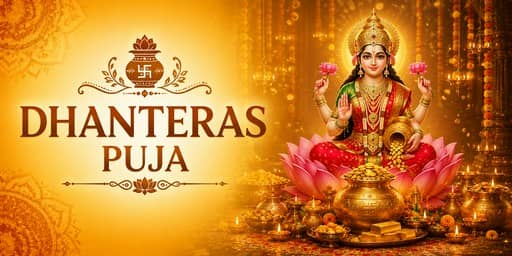
Dhanteras Puja
"Dhanteras marks the beginning of the Diwali festival. The word dhan means "wealth," and teras refers to the thirteenth lunar day. Tradition holds that on this day, Goddess Lakshmi emerged from the cosmic ocean during the great churning. Lord Dhanwantari, the divine physician, also emerged on this day, holding the pot of amrit (the nectar of immortality). The day is sacred to all three deities. Families buy gold, silver, and metal vessels on Dhanteras, believing that what is bought on this day grows multiplied through the year ahead."
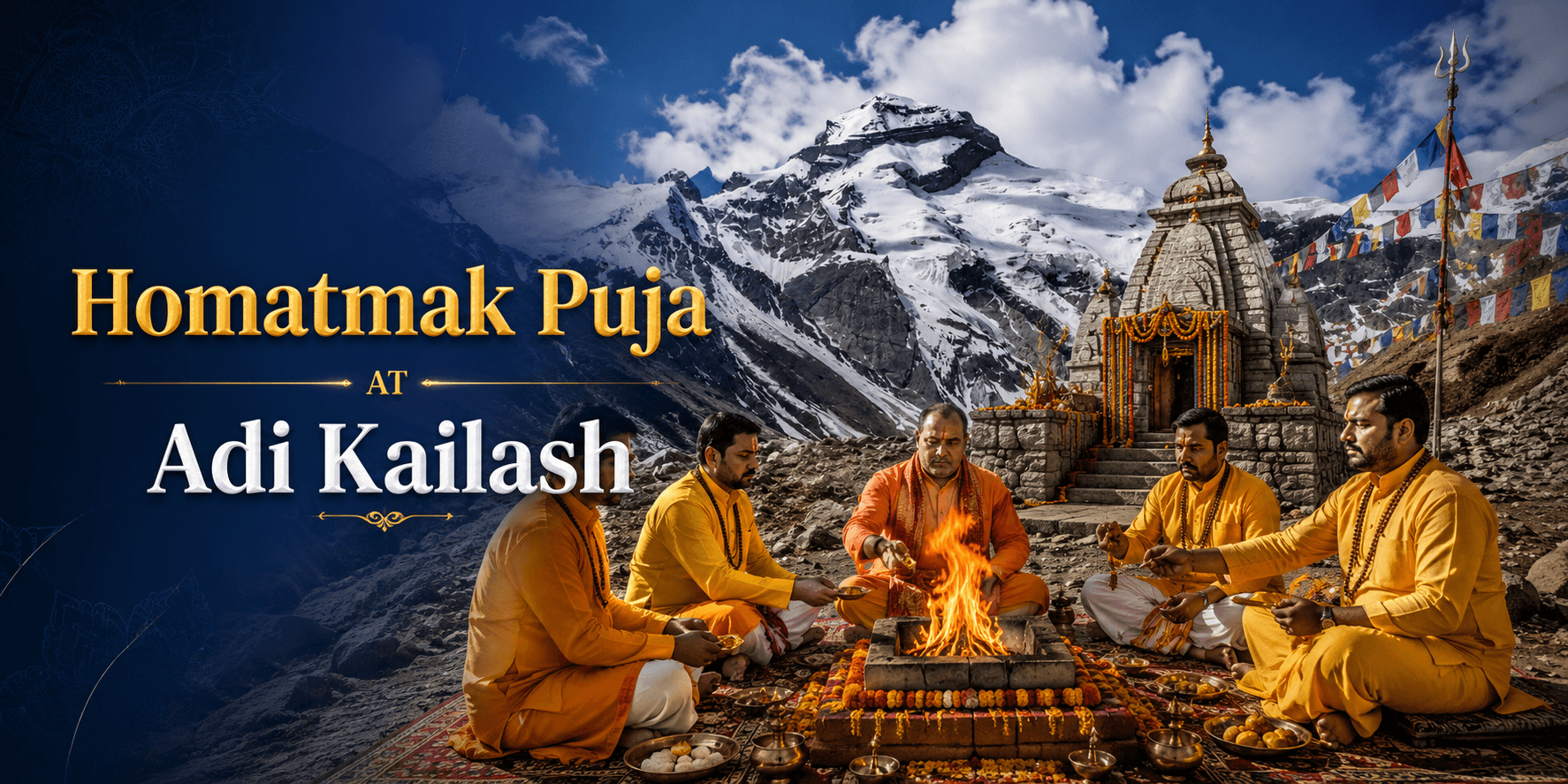
Adi Kailash Puja
"Adi Kailash is a sacred peak in the Himalayas. It is also known as Chhota Kailash, the lesser Kailash. The shastras hold it as a holy seat of Lord Shiva. Its form is much like the great Mount Kailash. The peak stands above a calm and clear lake. Few reach this far and high to worship there. A puja here is rare and full of merit. This homa is a fire worship of Lord Shiva. The sacred fire carries each prayer to the Lord. It brings health, peace, and a fresh strength for life. Devotees long for this worship at the seat of Shiva."
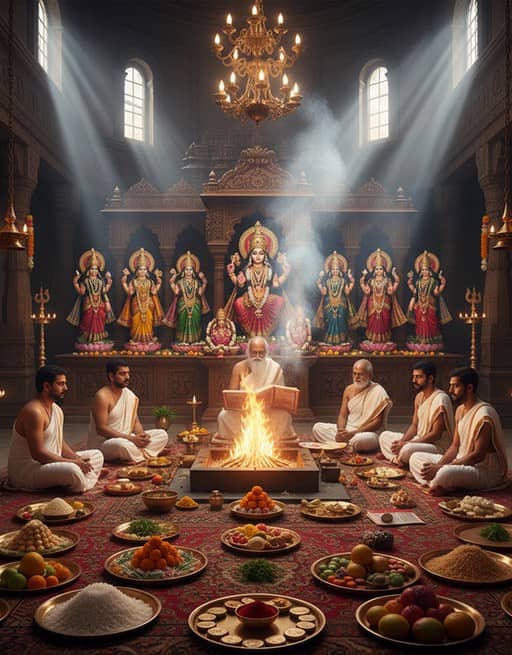
Das Mahavidya Puja and Yajna
"The Das Mahavidya are the ten supreme goddesses of the Tantric tradition. Kali. Tara. Tripura Sundari. Bhuvaneshwari. Tripur Bhairavi. Chhinnamasta. Dhumavati. Baglamukhi. Matangi. Kamala. Each one carries a different power. Each one answers a different prayer. Where individual Mahavidya pujas address one need, the Das Mahavidya Puja honours all ten together. It is the most complete Shakti puja in the entire Tantric tradition."
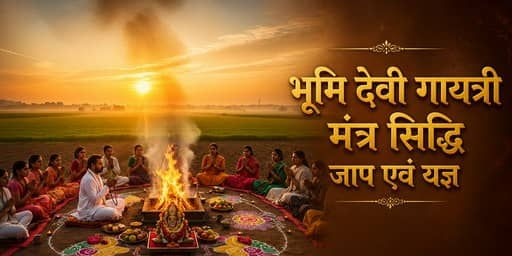
Bhoomi Devi Gayatri Mantra Siddhi Jaap and Yajna
"Bhoomi Devi is the earth herself. The goddess who holds every life on her shoulders. The mother who carries the weight of every footstep, every harvest, every home ever built. According to ancient scripture, when the demon Hiranyaksha once dragged her into the cosmic ocean, Lord Vishnu took the form of Varaha, the divine boar, and lifted her back to her rightful place. Since then, Bhoomi Devi has been worshipped as the consort of Varaha and as the silent goddess beneath every act of human life."
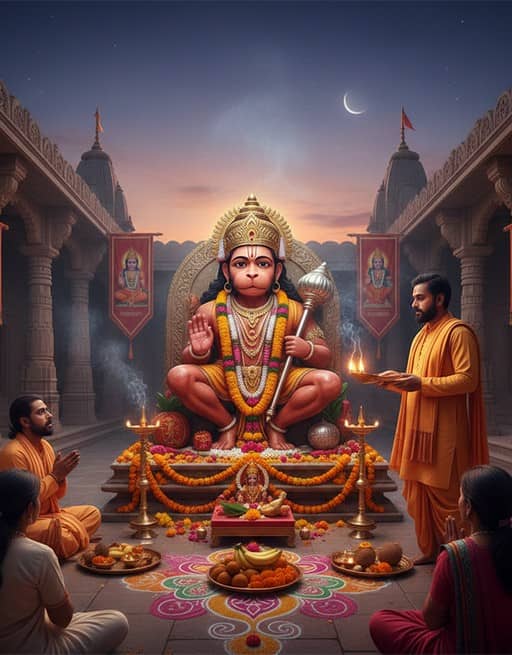
Shree Hanuman Puja and Yajna
"Hanuman Ji is the most beloved protector in Hindu tradition. The son of the wind. The warrior of Lord Ram. The eternal bhakta whose strength comes from his devotion. He is the only deity who carries both immense physical power and unbreakable inner faith in the same form. To invoke Hanuman is to invite the steady, unshakeable presence of a friend who will never let harm reach the devotee. Where Hanuman stands, fear cannot enter."
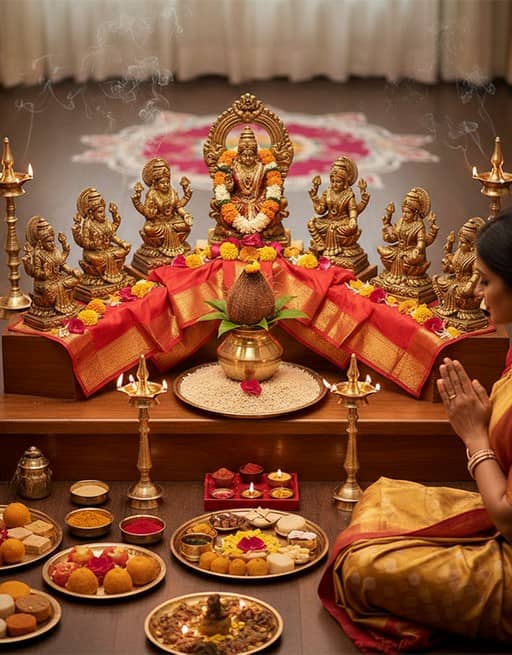
Ashtalakshmi Puja and Yajna
"Ashtalakshmi is Mata Lakshmi worshipped in her eight forms. Each form blesses a different kind of wealth. Adi Lakshmi gives original wealth. Dhana Lakshmi gives money and gold. Dhanya Lakshmi gives the wealth of grain and food. Gaja Lakshmi gives the wealth of power and dignity. Santana Lakshmi gives the wealth of children. Veera Lakshmi gives the wealth of courage. Vijaya Lakshmi gives the wealth of victory. Vidya Lakshmi gives the wealth of knowledge. To worship all eight together is to invite every form of abundance into the home."
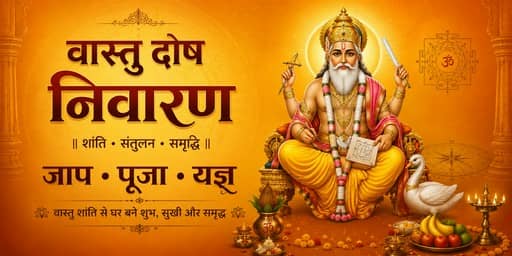
Vastu Dosh Nivaran Jaap Puja and Yajna
"In Vedic tradition, a building is never just a building. Every home is a living entity. It breathes in the energies of the earth beneath it, the sky above it, and the directions around it. When these energies flow in harmony, the home becomes a sanctuary. Prosperity gathers. Sleep is restful. Relationships soften. When the energies are obstructed, the same home can quietly weigh upon the lives within it. The Matsya Purana tells the story of Vastu Dev. The devas pressed his body face-down into the earth, and Lord Brahma blessed him. Any structure built upon his pinned body would prosper, but only if his presence and the directions were honoured."
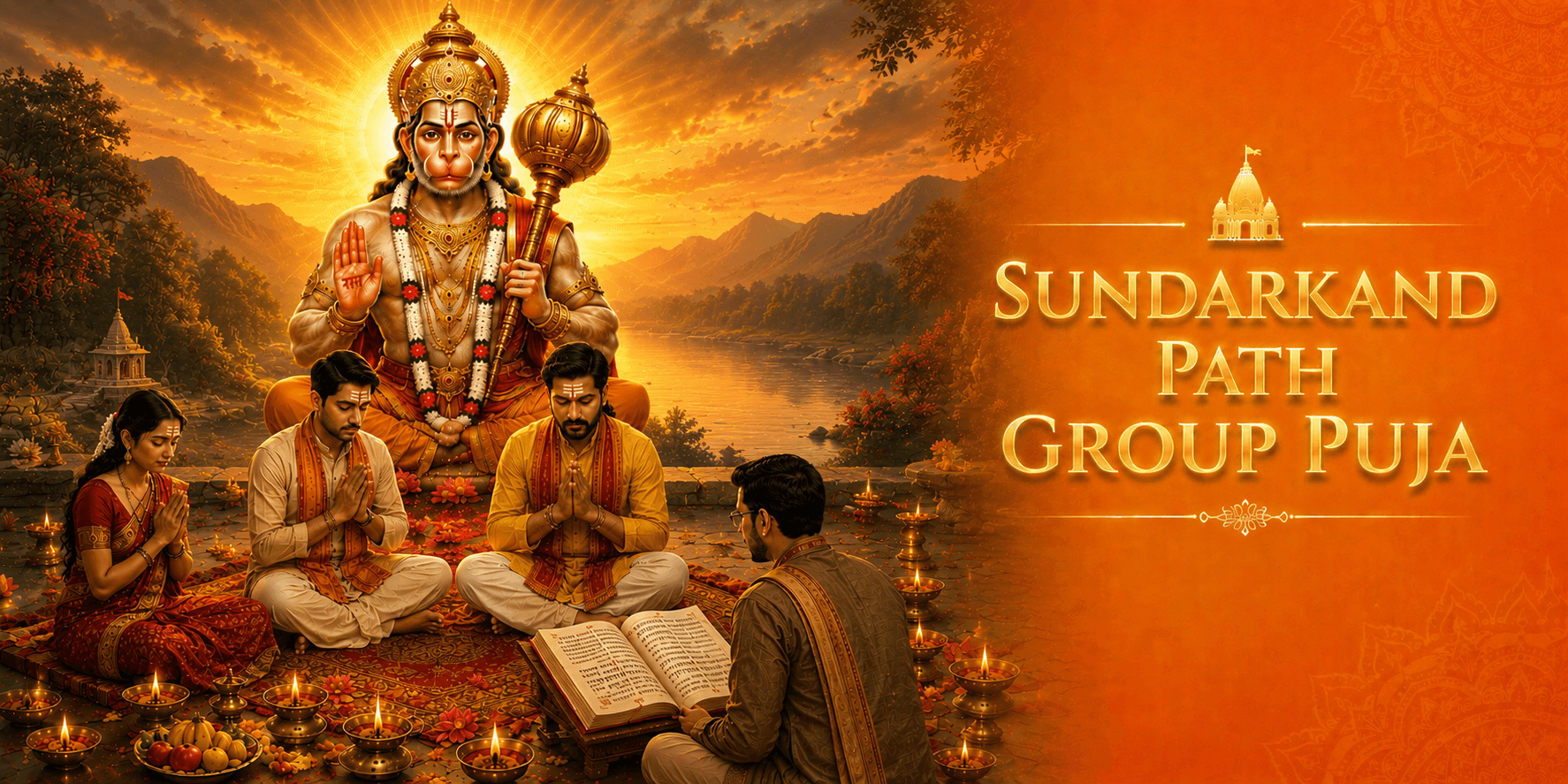
Sundarkand Path Group Puja
"Sundarkand is the most loved part of the Ramayan. Its name means the beautiful chapter. It tells of Hanuman's leap across the sea to Lanka. He went to find Mata Sita, held by Ravana. He crossed the ocean, found her, and gave her Ram's ring. He then burned Lanka and returned with hope. The whole chapter sings of his courage and faith. Of all the Ramayan, this part holds the most power. Its path is said to clear trouble and fear. It brings strength, wisdom, and the grace of Hanuman. Devotees recite it to defeat enemies and gain peace."