Legal Problem Court Cases
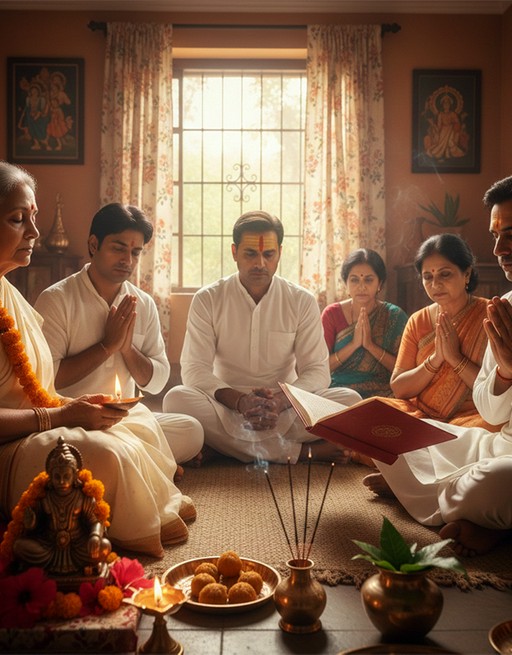
Hanuman Jayanti Puja
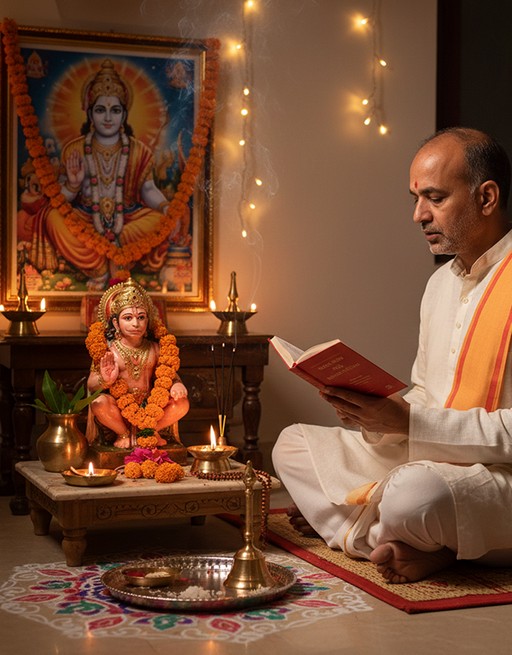
"Hanuman Jayanti is the birth anniversary of Lord Hanuman. The single most powerful day of the year for any Hanuman puja. Tradition holds that on this day, Hanuman was born to Anjana Mata and Kesari, with the blessing of Vayu Dev, the wind god. As a child, he leapt towards the sun thinking it was a fruit. His childhood mischief gave way to a lifetime of devotion to Lord Ram. To worship Hanuman on this day is to invoke the strongest possible form of his protective grace."
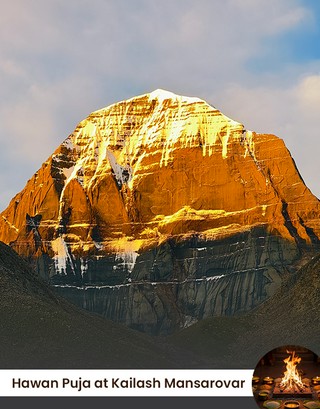
Rudra Homatmak Puja At Kailash Mansarovar
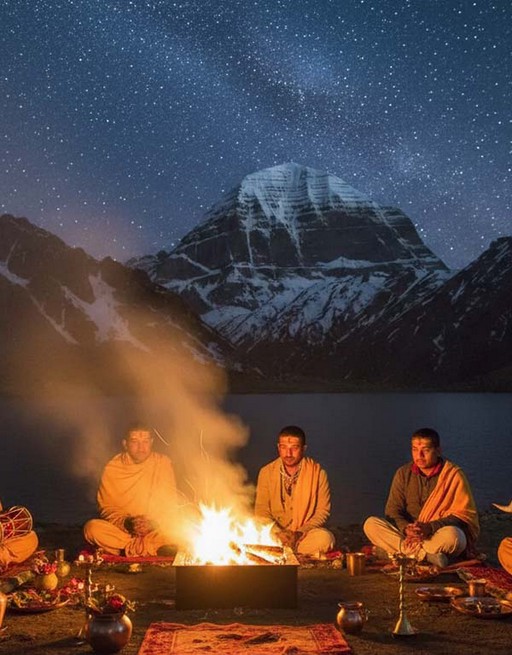
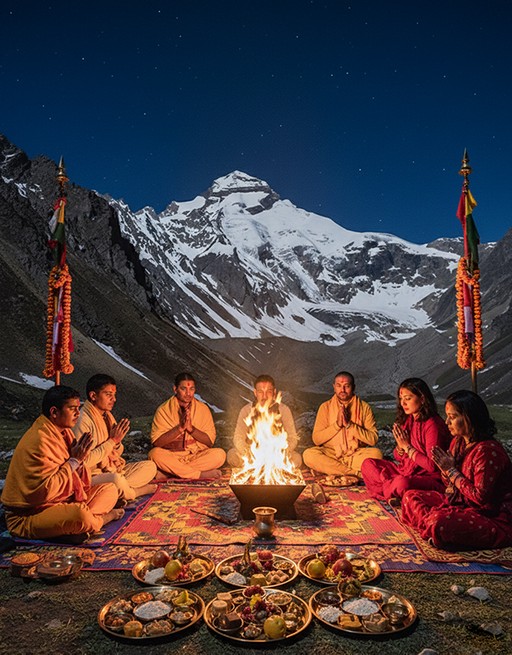
"Kailash Mansarovar is the holiest seat of Lord Shiva. Mount Kailash rises in the far Himalayas as the eternal abode of Shiva and Parvati. Below it lies Mansarovar, the sacred lake formed in the mind of Brahma. The shastras hold this as the most powerful place on earth for Shiva worship. Few reach this far and high to worship there. A puja at this seat is rare and full of merit. This homa is a fire worship of Lord Shiva in his Rudra form. The sacred fire carries each prayer to the Lord. It brings health, peace, and a fresh strength for life. Devotees long for this worship at the very throne of Shiva."
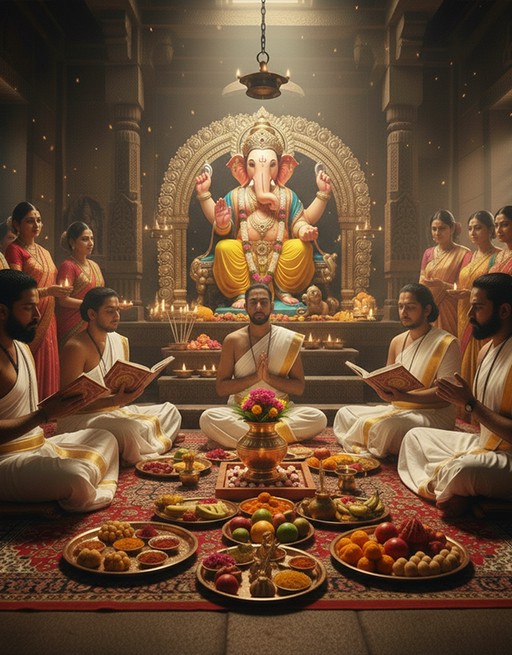
Ganapati Atharvashirsha Puja
"The Ganapati Atharvashirsha Puja is the full ceremonial form of the Atharvashirsha tradition. Where the Path focuses on the recitation alone, the Puja adds the complete ritual framework. Sankalp at the beginning. The formal worship of Ganesha's idol. The Atharvashirsha recitation as the heart of the ritual. The havan to seal the offerings. The aarti to close the vidhi. The Atharvashirsha itself is unique. Drawn from the Atharva Veda, it declares Ganesha not just as a deity but as the supreme cosmic principle, the source of all reality."
Mahakali Puja
"Mahakali is the supreme form of Kali Mata. Where Kali is the destroyer of evil, Mahakali is the destroyer of time itself. She is the goddess from whom even time emerges. Dark as the night sky. Wearing a garland of skulls. Standing on Lord Shiva who lies beneath her in surrender. Her tongue extended in fierce intensity. Mahakali is not gentle. She is not approachable in the way other forms of the Mother are. But for those who turn to her with absolute devotion, she gives the kind of protection that no other deity gives."
Sundar Kand Path
"Sundar Kand is the fifth chapter of the Ramcharitmanas, written by Tulsidas. It tells one story without a break. Hanuman crosses the ocean to Lanka. He finds Mata Sita. He faces Ravana's court without fear. He burns Lanka and returns with the news that changes everything. Of all the chapters in the Ramcharitmanas, only Sundar Kand has this quality. Every event in it ends in success."
Kartikey Shubhramanya Puja
"Lord Kartikeya is the elder son of Shiva and Parvati. He is the chief of the divine army and the slayer of the demon Tarakasura. The South knows him as Murugan, Subramanya, and Shubhramanya Swami. He rides a peacock and carries the holy vel, his spear of light. Devotees worship him for courage, sharp wisdom, and a righteous path. His grace is said to come swift and sure to the seeker. He clears fear and gives the mind clear sight. He guides the lost back to the right road in life. This puja calls on his strength for those who seek success with honour."
Navgrah Shanti Puja
"Every life is shaped by nine celestial forces. Surya, Chandra, Mangal, Budh, Guru, Shukra, Shani, Rahu, and Ketu. These are not distant stars. In Vedic tradition, they are living divine forces. At the moment of birth, their position imprints itself on the soul. That imprint is the birth chart. When the planets are favourably placed, life flows. When they fall into difficult positions, the devotee senses something is out of sync."
Sankata Mata Puja
"Sankata Mata's name means "the goddess who removes difficulties." She is a beloved form of the Divine Mother in Kashi, with her own ancient temple in the city. Devotees turn to her when life feels heavy with sankat, a Sanskrit word that means crisis, difficulty, or trouble. Where ordinary remedies have not worked, where the way forward feels closed, Sankata Mata answers. Tradition holds that those who pray to her with sincerity feel their burdens lift, even when the outer circumstances have not yet changed. Students, brides-to-be, and families facing chronic difficulty are her most devoted seekers."
Mangal Dosh Nivaran Puja
"Mars is the warrior of the cosmos. The planet of fire, courage, and ambition. When Mangal is well placed in a chart, he gives the devotee strength and drive. But when he falls into the 1st, 4th, 7th, 8th, or 12th house, the same energy turns sharp. This is Mangal Dosh. Or being Manglik, as families call it. The dosh shows up most often during kundli milan, the matching of horoscopes before marriage. Hindu families have looked for it carefully for generations. A strong Mangal Dosh in either partner can bring friction, sudden quarrels, and unrest in married life. But Mars is not an enemy. He is a teacher. His lessons are simply too sharp for the unprepared. This puja softens his edge."
Siddh Bhoomi Dosh Nivaran Puja
"Every piece of land carries its own energy. Hindu tradition calls this the Vastu of the land. When a home or shop sits on flawed land, trouble follows. This is known as Bhoomi Dosha, the fault of the ground. It blocks peace, money, and growth for those who live there. Quarrels, loss, and unrest take root in the house. The puja worships the Vastu Devta and Devi Varahi together. Varahi is the fierce guardian goddess of the earth. The rite cleanses the land and settles its energy. It turns flawed ground into siddh, or perfected, ground. The home then holds peace, plenty, and steady growth."
Dashavatar Vishnu Puja
"Lord Vishnu is the protector of the whole universe. Whenever evil rises on earth, he takes birth to set things right. The shastras name his ten great avatars as the Dashavatar. They are Matsya the fish and Kurma the tortoise. Then come Varaha the boar and Narasimha the man-lion. After them come Vaman, Parshuram, Ram, and Krishna. The last two are Buddha and Kalki, who is yet to come. Each form saved dharma at its own hour of need. This puja honours all ten together in one worship."
Pratyangira Devi Puja
"Pratyangira Devi is a fierce form of the Divine Mother. She carries the face of a lion and the body of a woman. The shastras call her the great destroyer of dark forces. She was born to calm the rage of Narasimha and Sharabha. Her power is said to turn back any harm sent at a devotee. People turn to her when no normal remedy seems to work. She breaks the hold of black magic, hidden enemies, and strong curses. She guards the home against the evil eye and unseen attack. Her grace is swift, sure, and full of protection. Devotees seek her shelter in their hardest hours."


-652d33c2fe2819957a877ae7-11100136-s.jpg&w=3840&q=70)