
Divine Collection
Lakshmi Attainment
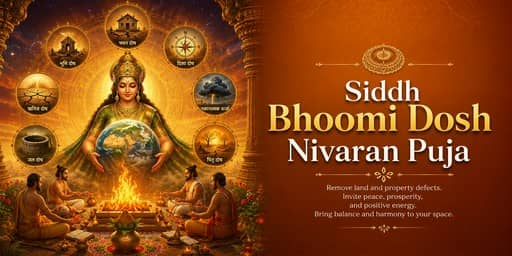
Siddh Bhoomi Dosh Nivaran Puja
"Every piece of land carries its own energy. Hindu tradition calls this the Vastu of the land. When a home or shop sits on flawed land, trouble follows. This is known as Bhoomi Dosha, the fault of the ground. It blocks peace, money, and growth for those who live there. Quarrels, loss, and unrest take root in the house. The puja worships the Vastu Devta and Devi Varahi together. Varahi is the fierce guardian goddess of the earth. The rite cleanses the land and settles its energy. It turns flawed ground into siddh, or perfected, ground. The home then holds peace, plenty, and steady growth."
-puja-651bd1c3052302caf9a15365-66742566-s.jpg&w=3840&q=70)
Deepawali (Diwali) Puja
"Deepawali (Diwali) is the biggest festival in the Hindu calendar. Every family prepares for it weeks in advance. The home is cleaned, diyas are lit, and everything is kept ready before the muhurat arrives. Mata Lakshmi walks the earth that night. She enters homes that are waiting. The ones that are not, she skips."
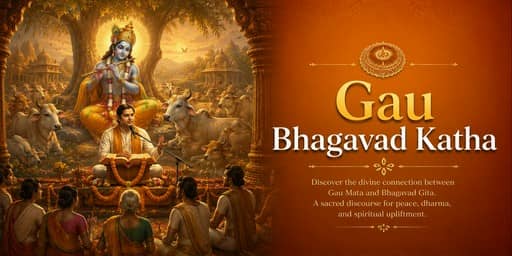
Gau Bhagavad Katha
"Hindu tradition holds the cow as the most sacred of all beings. Sanatan Dharma sees Gau Mata as the home of all the gods. It is said that crores of devtas reside within her body. To serve the cow is to serve the whole of creation. This katha tells the sacred stories of the holy cow. It sings of her place in dharma and her power to cleanse. Listening to it is said to wash away old sin. It brings peace to the soul and rest to the ancestors. The katha also lifts the weight of Pitra Dosha. Devotees gather to hear it with deep faith."

Lakshmi Ganapati Hawan Puja
"This puja joins Mata Lakshmi with Lord Ganapati in a sacred fire. Ganapati clears the blocks that hold a person back. Lakshmi then brings wealth that stays and does not slip away. The shastras call this lasting wealth sthir Lakshmi. Many earn well but cannot hold their money. This puja works to fix that very problem. The havan, or fire ritual, carries the prayers straight to the gods. Each offering into the fire is a step toward plenty. Business families turn to this puja for steady growth. It is most loved at Diwali, the festival of Lakshmi."
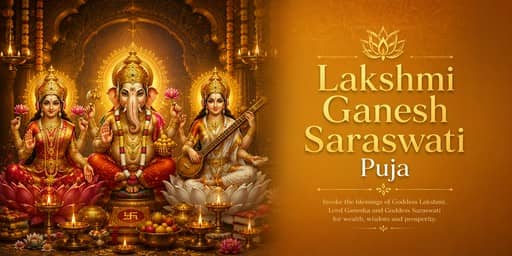
Lakshmi Ganesh Saraswati Puja
"This puja brings together three great powers in one worship. Lord Ganesh is the remover of all obstacles. People worship him first before any new start. Mata Lakshmi is the giver of wealth and plenty. Mata Saraswati is the goddess of learning and clear thought. Together they grant a life that is rich, wise, and smooth. Ganesh clears the path, Lakshmi fills it, and Saraswati guides it. This is why families choose this puja before a fresh start. A new shop, a new job, or a new study term all suit it well. The three blessings work as one for the seeker."
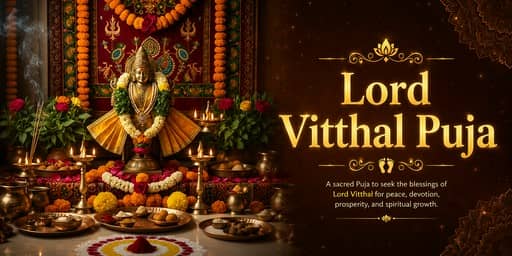
Lord Vitthal Puja
"Lord Vitthal is a beloved form of Lord Krishna. The people of Maharashtra know him as Vithoba and Panduranga. He stands at Pandharpur with his hands on his hips. Rukmini, his consort, stands by his side. The story tells how he waited for his devotee Pundalik. Millions walk to Pandharpur each year to see him. The Warkari saints sang of his love for ages. He grants peace, plenty, and a happy home. This puja calls on Vitthal and Rukmini together. It seeks their grace for wealth, fame, and family joy. Devotees worship him with deep love and song."
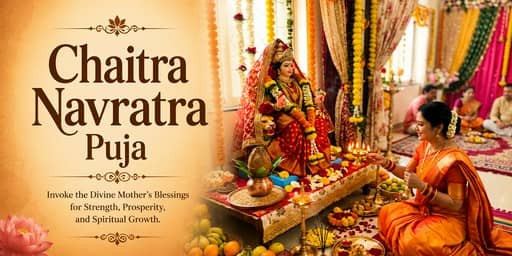
Chaitra Navratra Puja
"Chaitra Navratri brings the nine sacred nights of the Goddess. They fall at the start of the Hindu new year, in the month of Chaitra. These are among the holiest days in the whole calendar. Devotees worship the nine forms of Durga, one for each day. The first day honours Shailputri and the last honours Siddhidatri. Each form grants a different blessing to the seeker. Many keep fasts and light the akhand jyoti through all nine days. The Mother is said to walk close to her devotees at this time. She gives strength to the weak and wealth to the deserving. People pray to her for safety, courage, and a fresh start."
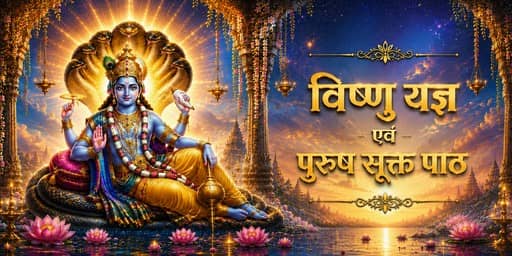
Vishnu Yajna and Purash Sukta Path
"This is a combined puja that brings together the Purusha Sukta hymn (the Rigvedic prayer to the cosmic being) and a full Vishnu Yajna. The Purusha Sukta is one of the oldest and most sacred Vedic hymns, describing the cosmic Purusha from whom the universe emerges. When it is recited alongside a Vishnu Yajna, the energy is multiplied. The cosmic prayer is anchored in the sacred fire. The offerings reach Vishnu directly through the flames. This is one of the most powerful Vishnu pujas in the entire Vedic tradition."
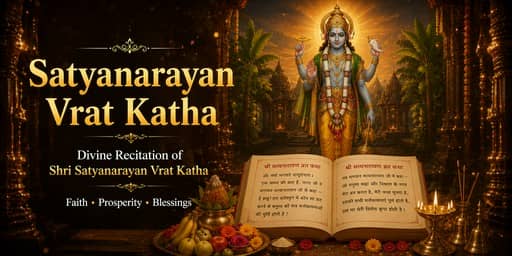
Satyanarayan Vrat Katha
"Satyanarayan Vrat is one of the most beloved household pujas in the Hindu tradition. The word satya means "truth," and Narayan is another name for Vishnu. To worship Satya Narayan is to align the family's life with the truth that Vishnu represents. The vrat is performed at home, often after a new beginning. A new home. A wedding. A child's birth. A successful business deal. The completion of a long-held goal. Tradition holds that those who keep this vrat with sincerity see their family flourish across every dimension of life."

Lalita Sahasranamam Path
"The Lalita Sahasranamam is the thousand names of Lalita Tripura Sundari. The supreme goddess of beauty, wealth, and divine play. Each of the thousand names describes a different aspect of her form, her power, or her grace. She is Lalita, the playful one. Tripura Sundari, the most beautiful in the three worlds. Raja Rajeshwari, the empress of all empresses. The Sahasranamam is part of the Brahmanda Purana, and is one of the most beloved texts in the Shri Vidya tradition. To recite it is to walk the devotee through a thousand doorways of the goddess's beauty."

Shree Purusha Sukta Path and Yajna
"The Purusha Sukta is one of the most ancient and sacred hymns in the Rigveda. It describes the Purusha, the cosmic being, from whose body the entire universe is created. The sky is his head. The earth is his feet. The sun is his eye. The hymn is the foundation of Vedic philosophy itself, and is recited at every major yajna across the Hindu tradition. The Purusha Sukta is considered the supreme prayer to Vishnu in his cosmic form. To have it recited as a focused path with yajna is to align the family's life with the cosmic order itself."