
Happy Life
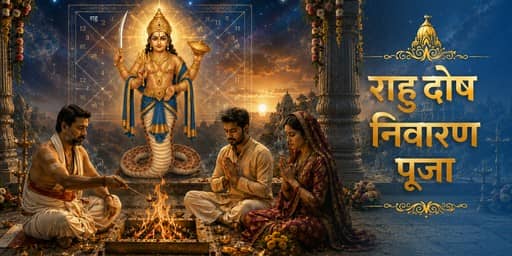
Rahu Dosh Nivaran Puja
"Rahu has no physical body. He is a shadow. The severed head of an asura who once tasted the nectar of immortality and was cursed to remain forever between worlds. He casts illusions. He magnifies desires. He unsettles whatever he touches. In a modern devotee's life, Rahu shows up as obsession, mental fog, addiction, restlessness, and sudden gains followed by sudden losses. The mind cannot rest. Sleep is troubled. Decisions are made in haste and regretted at leisure."
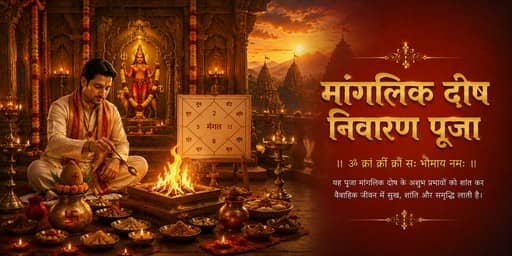
Mangalik Dosh Nivaran Puja
"Mars is the warrior of the cosmos. The planet of fire, courage, and ambition. When Mangal is well placed, he gives strength and drive. But when he falls into the 1st, 4th, 7th, 8th, or 12th house, the same energy turns sharp. This is Manglik Dosh, the most discussed astrological condition in marriage matching. The dosh shows up during kundli milan. A strong Manglik Dosh in either partner can bring friction, sudden quarrels, and unrest in married life."
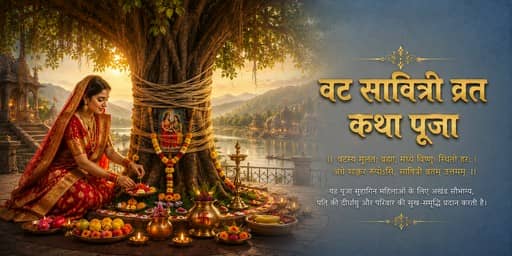
Vat Savitri Vrat Katha and Puja
"This vrat is observed by married women across India for the long life and well-being of their husbands. The story behind it is one of the most loved in Hindu tradition. Savitri's husband Satyavan was destined to die young. When Yama, the lord of death, came to take him, Savitri followed them with such unwavering devotion that Yama granted her boon after boon. Finally, she asked for Satyavan's life back. Yama, bound by his own words, returned her husband."
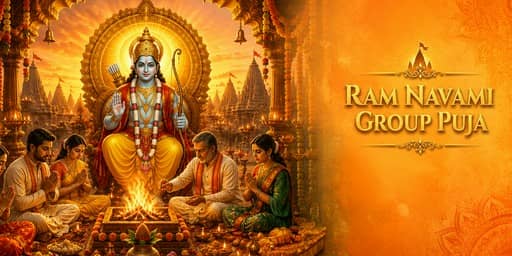
Ram Navami Group Puja
"Ram Navami marks the birth of Lord Ram. He was born at noon in the city of Ayodhya. He is the seventh avatar of Lord Vishnu. The world reveres him as Maryada Purushottam, the perfect man. His life is the great tale of truth and duty. He kept every promise even at a heavy cost. This group puja joins many devotees in one worship. Together they sing his name and hear his story. The shared prayer carries great strength and joy. It brings peace, courage, and the grace of Ram. Devotees seek his blessing for a clean and honest life."
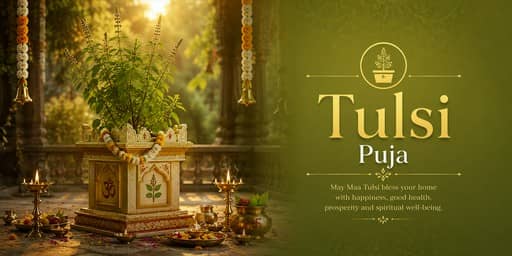
Tulsi Puja
"The Tulsi plant is the holiest plant in Hindu homes. Tradition reveres it as a form of the goddess herself. Lord Vishnu is said to love Tulsi above all leaves. No worship of Vishnu is complete without her. This puja honours Mata Tulsi with the sacred Shaligram. The two stand for the divine bond of Vishnu and his consort. Many homes hold a Tulsi Vivah, the wedding of the plant. Where Tulsi is worshipped, peace and plenty stay. The plant clears the air and guards the home. Its worship brings joy, wealth, and family growth. Devotees water it and light a lamp by it each evening."
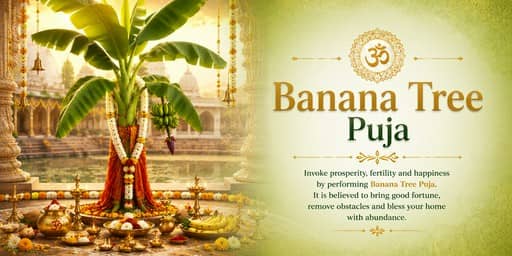
Banana Tree Puja
"The banana tree is sacred in Hindu worship. Tradition links it to Guru Brihaspati, the planet of wisdom and fortune. It is also dear to Lord Vishnu and Lord Krishna. A weak Brihaspati in the chart delays marriage and growth. It can also block learning, wealth, and respect. This puja worships the banana tree to strengthen that planet. The tree stands for plenty, faith, and a clean life. Devotees water its roots and tie sacred threads to it. They walk around it and offer prayers for their wishes. The worship is most loved on Thursdays, the day of the Guru."
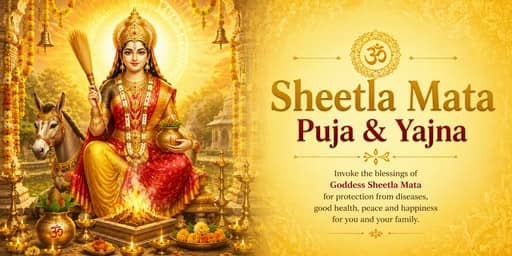
Sheetla Mata Puja and Yajna
"Sheetala Mata is the cooling form of the Divine Mother. Her name means the one who brings coolness and calm. Hindu tradition reveres her as the goddess who guards against disease. People worship her to keep illness away from the home. She rides a donkey and carries a pot of healing water. Her worship is most loved in the hot months of the year. Mothers pray to her for the health of their children. She cools fever, heals the body, and brings peace to the home. Her blessing is said to bring success and plenty too. Devotees have turned to her for protection for ages."
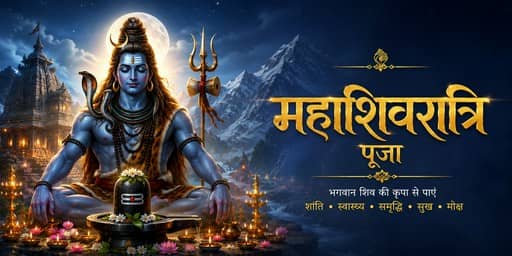
Maha Shivratri Puja
"Maha Shivratri is the great night of Shiva. The single most powerful night of the year for any Shiva worship. Tradition holds that on this night, Shiva performed the cosmic dance of creation, preservation, and destruction. Devotees stay awake through the night, chanting his name, lighting lamps, and offering bilva leaves to the Shivling. The night carries an energy that no other Shiva festival matches."
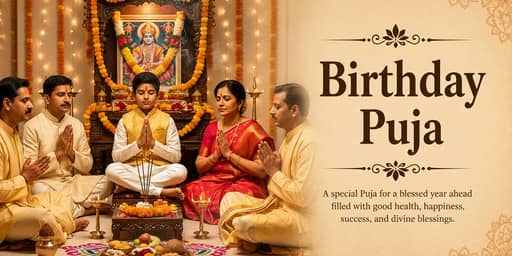
Birthday Puja
"A birthday is more than a day of cake and gifts. In Hindu tradition, it is a sacred mark of life. This puja blesses the person for the year ahead. It calls on Lord Ganesh to clear the path of the new year. It joins Rishi Markandeya, the sage who won long life. The shastras tell how Shiva saved him from death. His grace brings health and long years to the seeker. The worship also honours your Ishta Dev and Kul Dev. It seeks their blessing for strength and a good life. Families perform it to start each new year with grace."
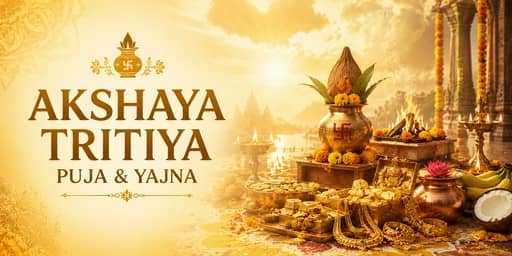
Akshaya Tritiya Puja and Yajna
"Akshaya Tritiya is one of the most sacred days in the entire Hindu calendar. The word akshaya means "that which never decays" or "the unending one." Whatever is begun on this day, whatever is offered, whatever is invested, is believed to grow without end. The day belongs to Shree Narayan Hari. Tradition holds that on this day, Lord Krishna gave the Akshaya Patra, the never-empty vessel, to the Pandavas during their forest exile. Devotees buy gold, start new businesses, lay foundations, and book pujas on this day, believing that the energy of akshaya carries everything forward."
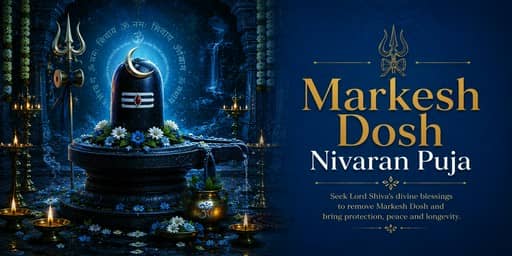
Markesh Dosh Nivaran Puja
"In a birth chart, some planets rule the span of life. The shastras call the harmful one of these the Markesh. A badly placed Markesh can bring danger to health and life. It stirs illness, fear, and sudden trouble. It can also block marriage, money, and peace. The right Markesh is read from the chart itself. This puja calms that planet through its own mantras. It softens the harm and clears the threat. The seeker then gains health, safety, and steady years. With the dosh settled, good fortune returns. Devotees turn to this puja in times of fear and illness."
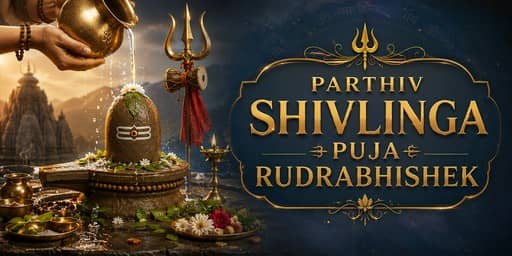
Parthiv Shivlinga Puja and Rudrabhishek
"A Parthiv Shivlinga is a Shivling shaped from sacred earth, prepared fresh for the puja. The tradition is one of the oldest in Hindu worship. Ancient texts hold that worshipping a Parthiv Shivling carries greater power than worshipping any permanent Shivling, because the very act of shaping the linga is itself a form of devotion. The earth is gathered. The form is made by hand. The Shivling stands only for the duration of the puja, then returns to the earth. This temporary, deeply personal Shivling carries Shiva's grace in its purest form."