Divine Collection
Growth Of Wealth%2c Attainment Of Glory%2c Fame
Shravani Upkarm Puja
"Shravani Upkarm is an old Vedic rite of renewal. It falls on the full moon of the month of Shravan. On this day the sacred thread, the janeu, is changed. The old thread is set aside and a new one is worn. The rite honours the Saptarishi, the seven great sages. It is a day to thank them for the gift of the Vedas. The worship washes away the sins of the past year. It renews the seeker's vow to a clean and learned life. Bathing in the Ganga is a key part of the rite. It is most sacred when done on the Kashi ghats."
Pratyangira Devi Puja
"Pratyangira Devi is a fierce form of the Divine Mother. She carries the face of a lion and the body of a woman. The shastras call her the great destroyer of dark forces. She was born to calm the rage of Narasimha and Sharabha. Her power is said to turn back any harm sent at a devotee. People turn to her when no normal remedy seems to work. She breaks the hold of black magic, hidden enemies, and strong curses. She guards the home against the evil eye and unseen attack. Her grace is swift, sure, and full of protection. Devotees seek her shelter in their hardest hours."
Shreenath Ji Puja
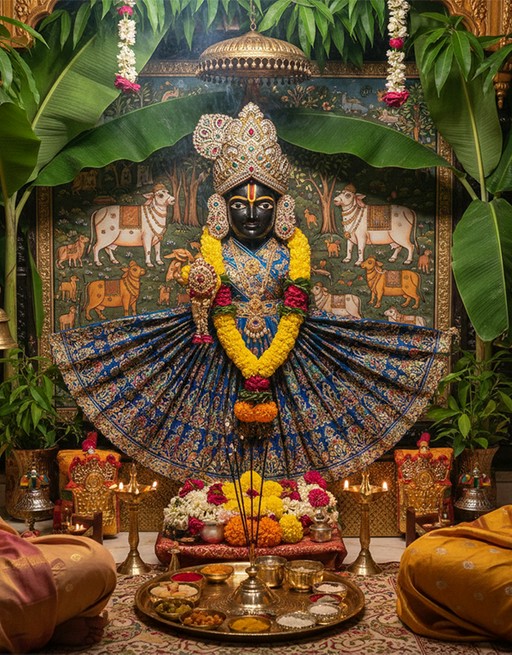
"Shreenathji is the beloved child form of Lord Krishna. He shows the Lord as a boy of seven years. The famous murti lifts Mount Govardhan on one raised finger. Krishna lifted that hill to shield the village from heavy rain. The Pushti Marg, founded by Shri Vallabhacharya, worships him with deep love. Devotees treat him as a living child, not a stone idol. They wake him, bathe him, feed him, and rest him each day. His worship is full of song, colour, and bhog. He grants growing wealth and lasting joy to the home. Families turn to him for grace, comfort, and a happy household."
Annapurna Puja
"Annapurna is the Mother who feeds the whole world. Her name means the one who is full of food and plenty. She is a form of Mata Parvati and the queen of Kashi. Tradition tells that Lord Shiva himself begged food from her hands. She holds a golden ladle and a bowl that never runs empty. People say no one in her city of Kashi goes hungry. Her worship brings plenty to the home and steady work to its people. It removes the fear of want and the worry of empty days. Devotees seek her for a life that is full and secure. Her grace keeps the kitchen warm and the family fed."
Mahalakshmi Hawan
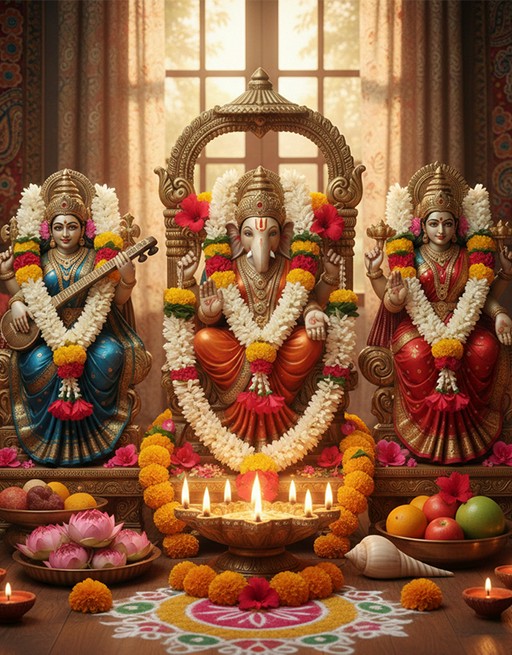
"Mahalakshmi is the supreme form of the goddess of wealth. She is the consort of Lord Vishnu and the mother of plenty. The shastras say she lives where worship and care abide. This hawan is a fire worship in her honour. The sacred fire carries each prayer straight to the Mother. Many earn well but cannot keep their wealth. This hawan works to bring lasting wealth, or sthir Lakshmi. It clears the blocks that let money slip away. Business families seek it for steady growth and plenty. Its best days are Diwali and Dhanteras. These are the days the Mother walks the earth."
Lord Vitthal Puja
"Lord Vitthal is a beloved form of Lord Krishna. The people of Maharashtra know him as Vithoba and Panduranga. He stands at Pandharpur with his hands on his hips. Rukmini, his consort, stands by his side. The story tells how he waited for his devotee Pundalik. Millions walk to Pandharpur each year to see him. The Warkari saints sang of his love for ages. He grants peace, plenty, and a happy home. This puja calls on Vitthal and Rukmini together. It seeks their grace for wealth, fame, and family joy. Devotees worship him with deep love and song."
Rajyog Bhang Nivaran Puja
"A horoscope can carry strong Raj Yogas at birth. These yogas promise power, wealth, and high standing in life. They form when the right planets sit in the right houses. But the same chart can also break or block these yogas. A malefic planet in a wrong house can cut off the good result. Then the promise of the chart never reaches the person. Success comes close and slips away again and again. This puja finds the planet that causes the harm. It calms that planet and works to mend the broken yoga. Once mended, the blessings of the Raj Yoga can flow once more."
Chaitra Navratra Puja
"Chaitra Navratri brings the nine sacred nights of the Goddess. They fall at the start of the Hindu new year, in the month of Chaitra. These are among the holiest days in the whole calendar. Devotees worship the nine forms of Durga, one for each day. The first day honours Shailputri and the last honours Siddhidatri. Each form grants a different blessing to the seeker. Many keep fasts and light the akhand jyoti through all nine days. The Mother is said to walk close to her devotees at this time. She gives strength to the weak and wealth to the deserving. People pray to her for safety, courage, and a fresh start."
Jivitputrika Vrat Katha
"Jivitputrika is a sacred fast for the welfare of children. Mothers keep it for the long life of their sons. It is also known as Jitiya or Jiutiya. Its deity is Jimutvahan, a noble and selfless prince. The shastras tell how he gave his own life to save another. He offered himself in place of a young serpent. His sacrifice moved the gods to grant him grace. Mothers worship him for the safety of their children. They keep a strict fast without food or water. The vrat is said to guard the child from harm. It brings long life and joy to the family."
Gau Beej Mantra Jaap Vidhan Puja
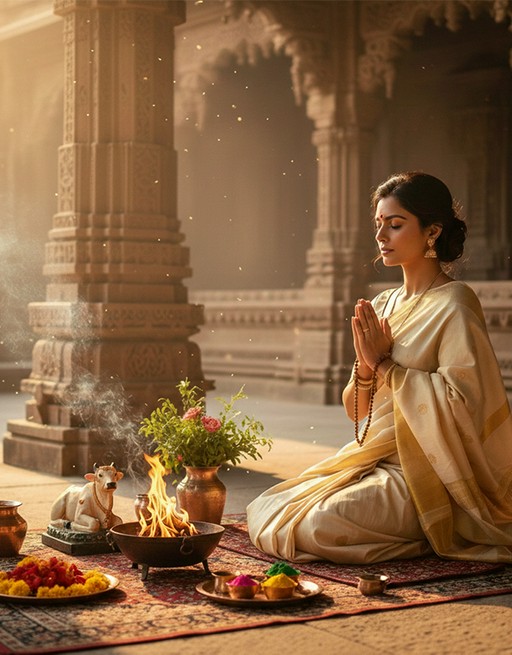
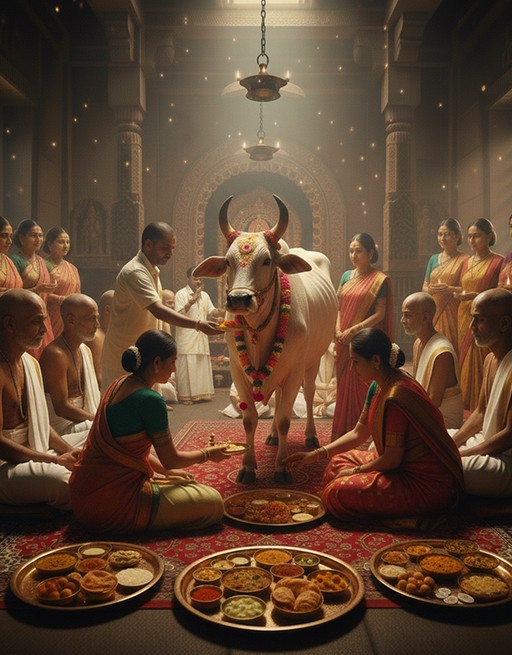
"Hindu tradition holds the cow as the most sacred of all animals. Sanatan Dharma sees Gau Mata as the home of all gods and goddesses. It is said that thirty-three crore devtas reside within her body. To serve the cow is to serve the whole of creation. Her worship is believed to lead the soul toward freedom. This puja honours Gau Mata through the chanting of her seed mantra. The Gau Beej Mantra carries the power to cleanse old karma. It brings peace to the soul and lifts the weight of ancestral dosha. Devotees have turned to this worship for generations."
Shaligram Puja
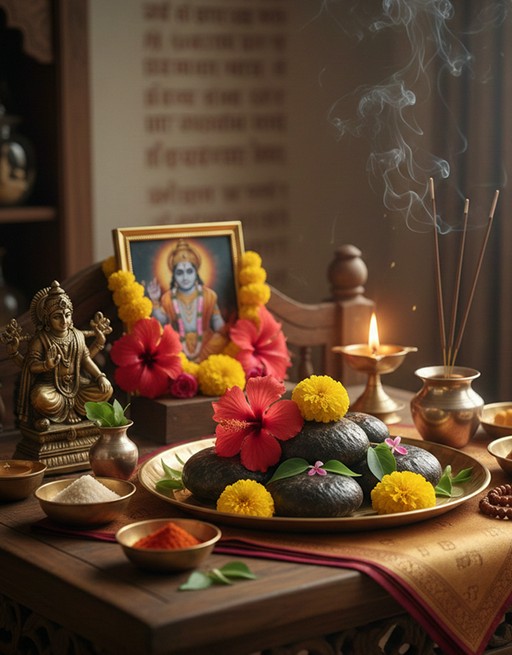
"The Shaligram is a black, round stone found in the Gandaki river in Nepal. People have worshipped it for ages as a living form of Lord Vishnu. It needs no carving and no pran pratishtha. Tradition holds that Vishnu himself resides inside the stone. Each Shaligram carries marks and lines that point to a different form of the Lord. Some show Krishna, some show Narasimha, some show Vaman. Where the Shaligram is worshipped with love, Mata Lakshmi stays close by. She brings wealth, peace, and unity to that home. For this reason families keep it as the heart of their daily worship."