
Knowledge & Education
Saraswati Pujan
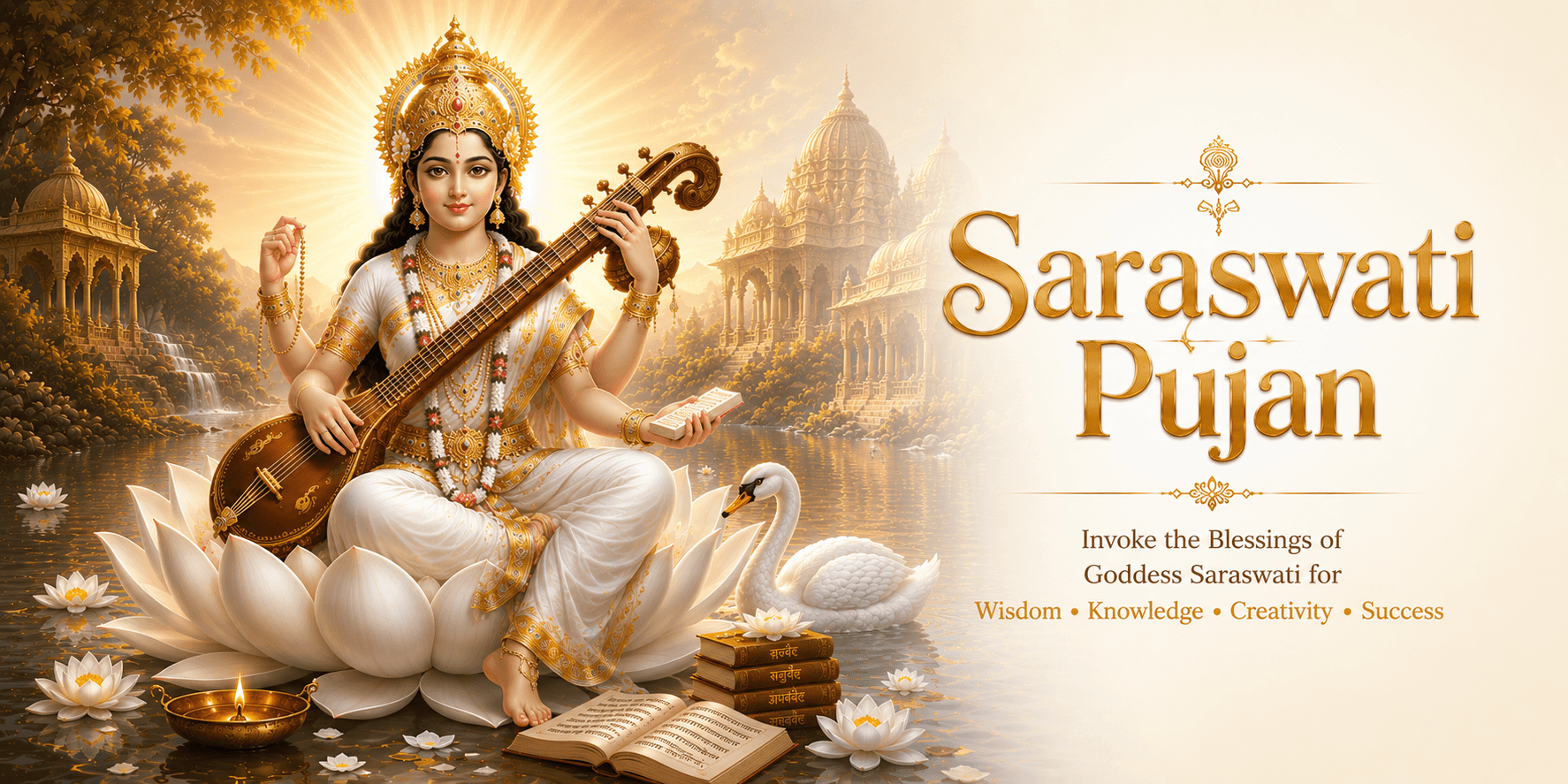
"Saraswati Mata is the goddess of all learning. She sits on a white lotus, dressed in pure white. She holds the veena. A book and a rosary rest at her side. Three great goddesses share the work of the universe. Lakshmi gives wealth. Durga gives strength. Saraswati gives the rarest gift of all. The light of true knowledge."
Ganga Pujan
"Ganga did not always flow on earth. Sage Bhagiratha did years of penance to bring her down, so her waters could free the souls of his ancestors. But her descent was so powerful, it would have shattered the earth. Lord Shiva caught her in his matted locks and let her flow gently onto the Himalayas. Since then, Ganga has been more than a river. She is the mother who takes away the sins of those who touch her waters."
Navratri Nav Durga Pujan
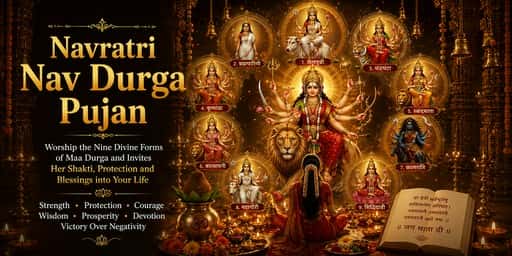
"Navratri is nine nights of devotion to Maa Durga. Each night honours one of her nine forms. Shailputri, Brahmacharini, Chandraghanta, Kushmanda, Skandamata, Katyayani, Kaalratri, Mahagauri, and Siddhidatri. The first three days bring strength. The next three bring prosperity. The final three bring wisdom. By the ninth night, the devotee has been blessed by every form of the Mother."
Sundarkand Path Group Puja
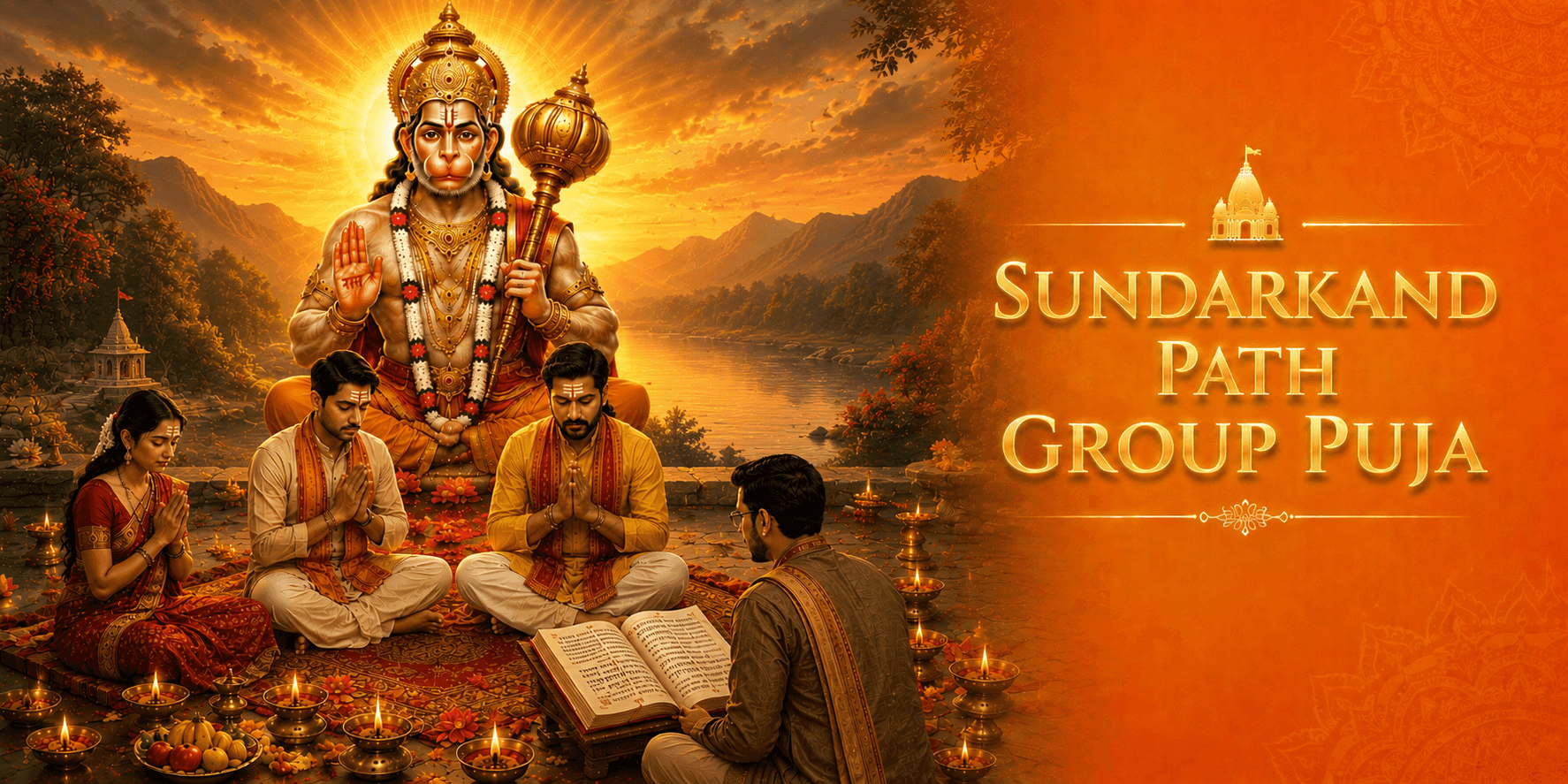
"Sundarkand is the most loved part of the Ramayan. Its name means the beautiful chapter. It tells of Hanuman's leap across the sea to Lanka. He went to find Mata Sita, held by Ravana. He crossed the ocean, found her, and gave her Ram's ring. He then burned Lanka and returned with hope. The whole chapter sings of his courage and faith. Of all the Ramayan, this part holds the most power. Its path is said to clear trouble and fear. It brings strength, wisdom, and the grace of Hanuman. Devotees recite it to defeat enemies and gain peace."
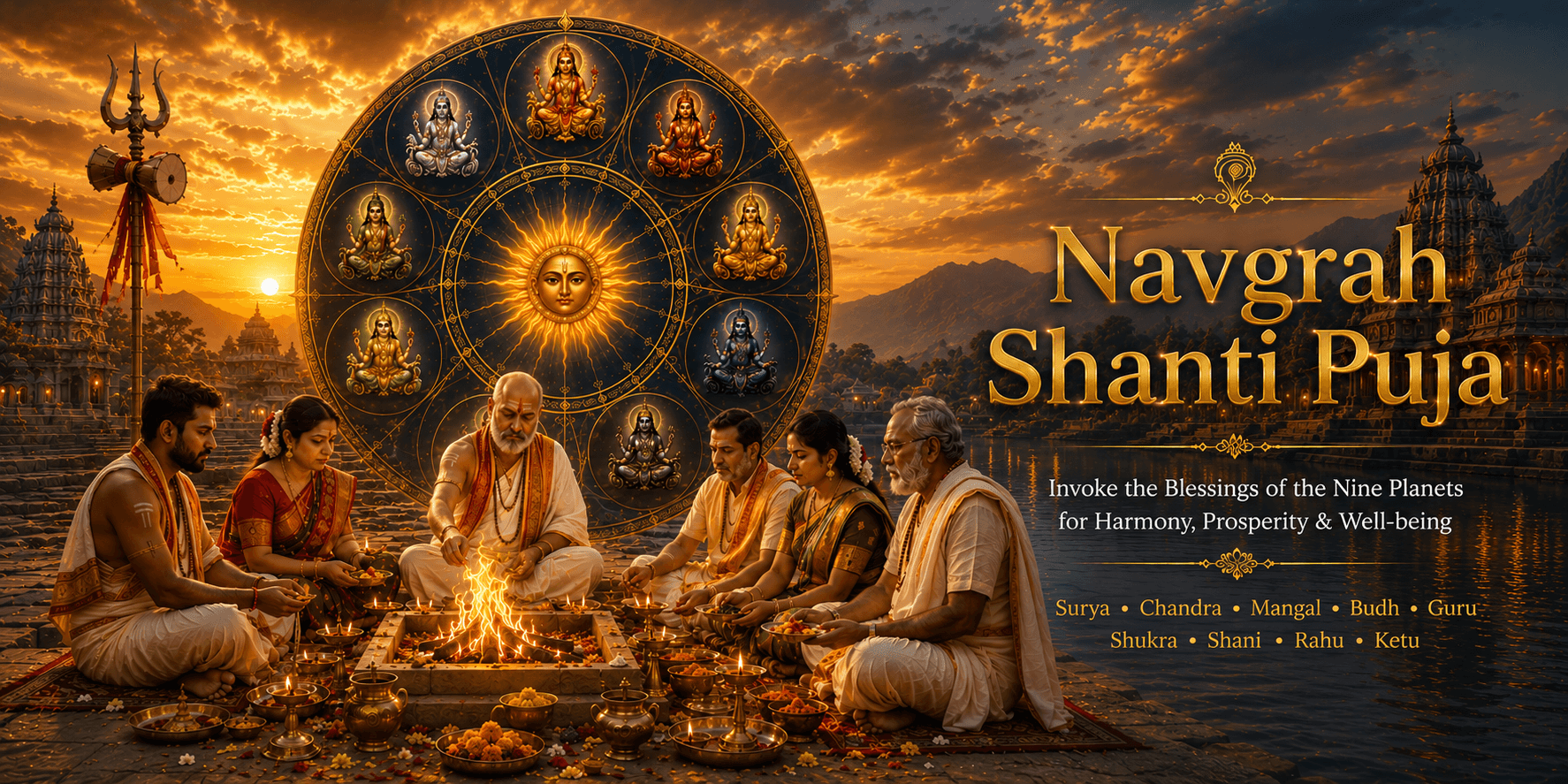
Navgrah Shanti Puja
"Every life is shaped by nine celestial forces. Surya, Chandra, Mangal, Budh, Guru, Shukra, Shani, Rahu, and Ketu. These are not distant stars. In Vedic tradition, they are living divine forces. At the moment of birth, their position imprints itself on the soul. That imprint is the birth chart. When the planets are favourably placed, life flows. When they fall into difficult positions, the devotee senses something is out of sync."
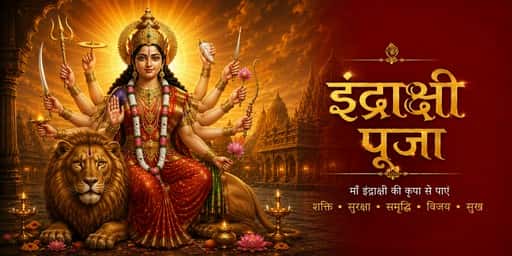
Indrakshi Puja
"Indrakshi Mata is one of the most powerful protective goddesses in the Vedic tradition. Her name means "she with the eyes of Indra." The Indrakshi Stotra was first taught by Lord Indra himself to sage Brihaspati. It is recited for protection from disease, from enemies, and from the unseen forces that can harm a devotee. For centuries, families have turned to this puja during prolonged illness, mysterious afflictions, and times when conventional remedies have not worked."
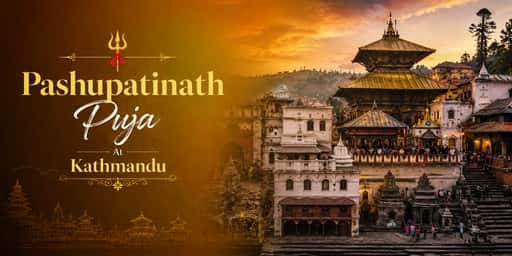
Pashupatinath Puja At Kathmandu
"Pashupatinath of Kathmandu is one of the most sacred seats of Shiv Ji in the world, standing on the banks of the Bagmati river. Here Shiv Ji is worshipped as the protector of every creature, and the shastras hold his darshan and worship at this kshetra to be liberating. Devotees turn to Pashupatinath especially for protection from untimely death and prolonged illness, the graces closest to his form as the lord of life itself."
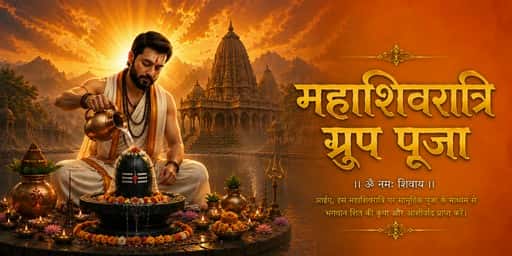
Maha Shivratri Group Puja
"Maha Shivratri is the great night of Lord Shiva. The shastras tell many tales of this sacred night. Some say Shiva married Parvati on this day. Others say he danced the cosmic dance of Tandav. It is the holiest night in all of Shiva worship. Devotees keep a fast and stay awake through the night. They bathe the Shivling and chant his sacred name. This group puja joins many devotees in one worship. The shared prayer on this night carries great strength. It washes away sin and grants the grace of Shiva. Devotees seek peace, plenty, and a happy life."
Ganesh Chaturthi Puja
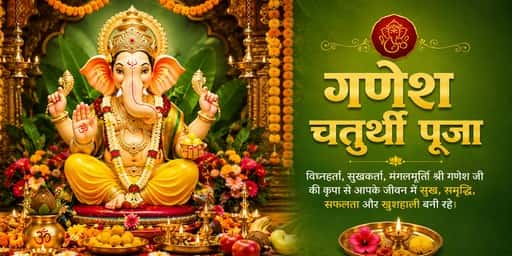
"Ganesh Chaturthi marks the birth of Lord Ganesh. He is the elephant-headed son of Shiva and Parvati. People worship him first before any god. He is the remover of all blocks and the giver of wisdom. The festival is one of the most loved in the land. Devotees bring his murti home with great joy. They worship him for ten days with song and bhog. On the last day they bid him a loving farewell. The puja seeks his grace for a smooth and bright path. It clears trouble and brings success in every task. Devotees seek his blessing before any new start."
Upanayan Sanskar
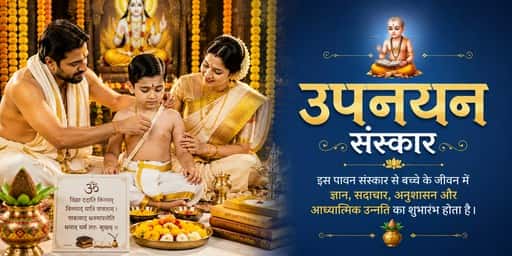
"Upanayan is the sacred thread ceremony. It is one of the sixteen great sanskars of Hindu life. It marks a boy's start on the path of learning. The word means to lead the child near to the guru. On this day the boy first wears the janeu thread. The thread holds three strands of deep meaning. The rite gives him the sacred Gayatri Mantra. It is seen as a second birth into a learned life. The worship honours the Saptarishi, the seven sages. Vasant Panchami is a favoured day for this rite. Done in Kashi, the sanskar carries the highest merit."
Akshararambh Sanskar Puja
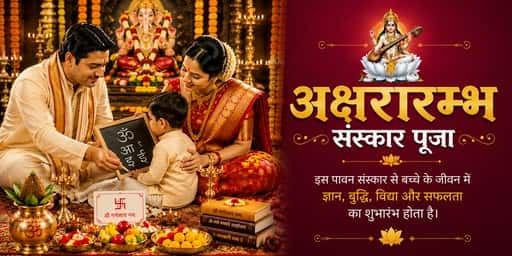
"Akshararambh marks a child's first lesson in letters. It is one of the sixteen sacred sanskars of Hindu life. The word means the start of learning the alphabet. It is the first step into the world of books. The rite seeks the grace of Mata Saraswati. She is the goddess of learning and clear thought. The child writes its first letter under her blessing. Often the letter is traced in rice or on a slate. The worship begins with Ganpati to clear all blocks. Vasant Panchami is a favoured day for this rite. Done in Kashi, the rite carries the highest merit."