

Shivling: Significance, Types, Worship & Choosing One For Your Home
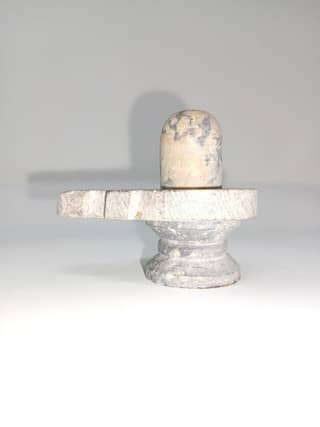
The Shivling is one of the most revered symbols of Lord Shiva and holds a central place in Shiva worship. For devotees, it is not simply an object of worship but a sacred representation of Shiva and the divine principles associated with consciousness, creation and existence.
Shivlings are worshipped in temples and homes through practices such as Abhishekam, offering water, Bilva leaves, flowers and prayers. The form, material and traditions associated with different Shivlings can vary, which often leads devotees to ask an important question: Which Shivling is right for my home and how should I worship it?
This guide explores the significance of the Shivling, different forms of Shivlings, traditional methods of worship and practical considerations for choosing and caring for one.
What Is a Shivling?
The word Linga is traditionally understood as a mark, sign or symbol. A Shivling represents the presence of Lord Shiva and is one of the principal forms through which Shiva is worshipped.
Rather than depicting Shiva in human form, the Shivling offers a symbolic form for devotion. It is therefore central to many Shiva temples and household shrines.
The worship of the Shivling is closely associated with Abhishekam , in which devotees offer substances such as water and other traditional offerings while reciting prayers or mantras.
The Significance of Shivling Worship
For devotees, worshipping a Shivling is an expression of reverence, surrender and connection with Lord Shiva.
The ritual of offering water over the Shivling is particularly associated with Shiva worship. Water is a simple and accessible offering, making Abhishekam a practice that can form part of both temple worship and personal devotional routines. The tradition of offering water to Shiva is also connected in popular religious narratives with the story of Shiva consuming the Halahal poison during Samudra Manthan.
Beyond the individual ritual, the Shivling represents a way of approaching Shiva through symbolism rather than physical representation.
Types of Shivlings
Shivlings can be made from different materials and can have different traditional associations. The choice of a Shivling may therefore depend on the devotee's intended use, worship practices and personal guidance.
Narmadeshwar Shivling
Narmadeshwar Shivlings are traditionally associated with the Narmada River and are recognised for their naturally formed appearance.
Sphatik Shivling
Sphatik, or crystal, Shivlings are valued for their distinctive transparent appearance and are traditionally associated with purity and clarity.
Parad Shivling
Parad Shivlings are traditionally made using mercury-based material and have a distinct place in some spiritual traditions. Because practices and guidance surrounding Parad Shivlings can vary, devotees may wish to seek appropriate guidance before choosing one.
Stone Shivling
Stone Shivlings are among the familiar forms found in Shiva worship and may be used for both temple and household devotion depending on their form and tradition.
The right choice is not simply about which Shivling appears most powerful. Understanding the tradition associated with a particular form and choosing one that you can worship with consistency is more important.
Shivling from Online Path Puja
Online Path Puja currently offers a Shivlingam described as being made in Kashi and worshipped by devotees as a form of Kashi Vishwanath Ji. The product page also provides details about quality verification, packaging and delivery.
[Explore Shivling Collection]
Shivling: Significance, Types, Worship & Choosing One For Your Home
Can You Keep a Shivling at Home?
Yes, Shivlings are worshipped in many Hindu households. However, traditions around their size, placement, material and daily worship can vary.
This is also one of the most common questions people have when considering purchasing a Shivling for their home. Current discussions and guidance around home Shivling worship commonly focus on choosing an appropriately sized form and maintaining a clean, respectful worship space.
If you are unsure which type or size is appropriate for your home, seeking guidance before purchasing can help you make a more informed choice.
How to Worship a Shivling at Home
A simple home worship routine may include:
1. Prepare the Puja Space
Keep the area clean and create a dedicated space for your devotional practice.
2. Clean the Shivling
Before worship, ensure the Shivling and its surrounding area are clean.
3. Offer Water
Water is one of the most traditional offerings made during Shiva worship.
4. Perform Abhishekam
Depending on your family tradition and the form of worship you follow, Abhishekam may include additional offerings.
5. Offer Flowers or Bilva Leaves
Bilva leaves are traditionally associated with Shiva worship.
6. Chant a Shiva Mantra
Devotees may recite prayers or mantras such as Om Namah Shivaya as part of their worship.
7. Conclude With Prayer
Take a moment for personal prayer, reflection or meditation.
The important part of household worship is not creating an elaborate ritual simply because something is available. Consistency, cleanliness and devotion should remain at the centre of the practice.
What Can You Offer to a Shivling?
Common traditional offerings include:
- Water
- Milk
- Honey
- Ghee
- Bilva leaves
- Flowers
- Sandalwood
- Other offerings according to the specific puja tradition
Different traditions may prescribe different offerings, so devotees should follow the practices appropriate to their family, temple or spiritual guidance.
Do's & Don'ts of Shivling Worship
Do's
- Keep the Shivling and puja area clean.
- Offer water with devotion and respect.
- Follow a worship routine that you can maintain consistently.
- Learn the appropriate method for the specific type of Shivling you choose.
- Seek guidance if you are uncertain about a particular ritual.
Don'ts
- Don't treat a sacred Shivling as ordinary décor.
- Don't purchase a form solely because it is marketed as "powerful."
- Don't follow conflicting ritual instructions without understanding their source.
- Don't make medical or material expectations out of a devotional practice.
- Don't neglect the Shivling after bringing it into your home.
How to Choose a Shivling for Your Home
Choosing a Shivling doesn't have to be complicated.
Consider:
1. Where will you worship it?
Think about the space available in your home temple.
2. What type are you looking for?
Different materials and forms carry different traditional associations.
3. How will you worship it?
Choose something compatible with the worship routine you can realistically maintain.
4. Are you unsure?
Ask for guidance rather than relying solely on online claims.
Looking for Guidance?
Choosing a sacred item for your home can sometimes leave you with more questions than answers.
Not sure which Shivling is right for you?
Speak with our team for guidance on choosing a Shivling based on your devotional needs, intended use and traditional practices.
[Consult an Expert]
Frequently Asked Questions
Can I keep a Shivling at home?
Yes. Shivlings are worshipped in many Hindu households, although traditions regarding size, placement and worship can differ.
Which Shivling is best for home worship?
There is no single answer for every household. The choice can depend on the material, form, intended worship and guidance followed by the devotee.
How often should I worship a Shivling?
Many devotees include Shivling worship in their daily routine, while others worship on specific days or occasions. Follow a practice that is appropriate for your tradition and circumstances.
What should I offer to a Shivling?
Water is among the most common traditional offerings. Other offerings may include milk, Bilva leaves and flowers, depending on the worship tradition.
Can I buy a Shivling online?
Yes. When purchasing online, look for clear product information, sourcing details, quality/authenticity information and transparent seller policies.