
Wealth & Prosperity
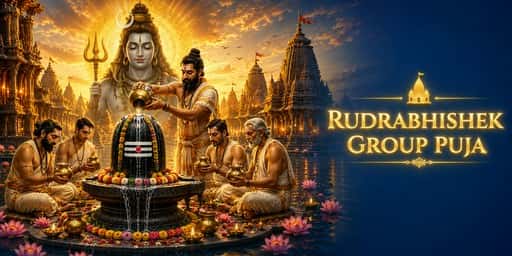
Rudrabhishek Group Puja
"Rudrabhishek is the sacred bathing of the Shivling. It is one of the most loved of all Shiva worships. Rudra is the fierce and healing form of Lord Shiva. The shastras say this rite pleases him the most. The Shivling is bathed in milk, curd, honey, and water. Each pour is made with the chant of the Rudra mantras. The bath washes away sin and clears all trouble. It brings health, peace, and the grace of Shiva. This group puja joins many devotees in one worship. The shared prayer carries great strength. Devotees seek Shiva's blessing for a calm and full life."
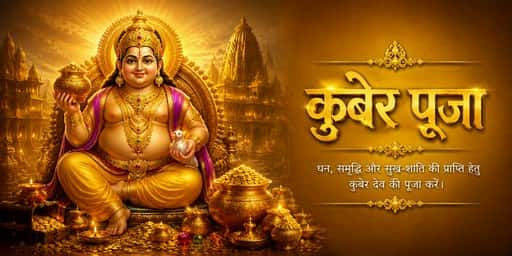
Kuber Puja
"Kuber is the treasurer of the gods. The keeper of all wealth in the universe. He once did severe penance to Lord Shiva and was rewarded with the duty of guarding the treasures of the cosmos. He lives in Alaka, the legendary city of gold in the Himalayas. Lakshmi Mata brings wealth into a home. Kuber makes sure it stays. This is the puja for stable, protected, lasting wealth."
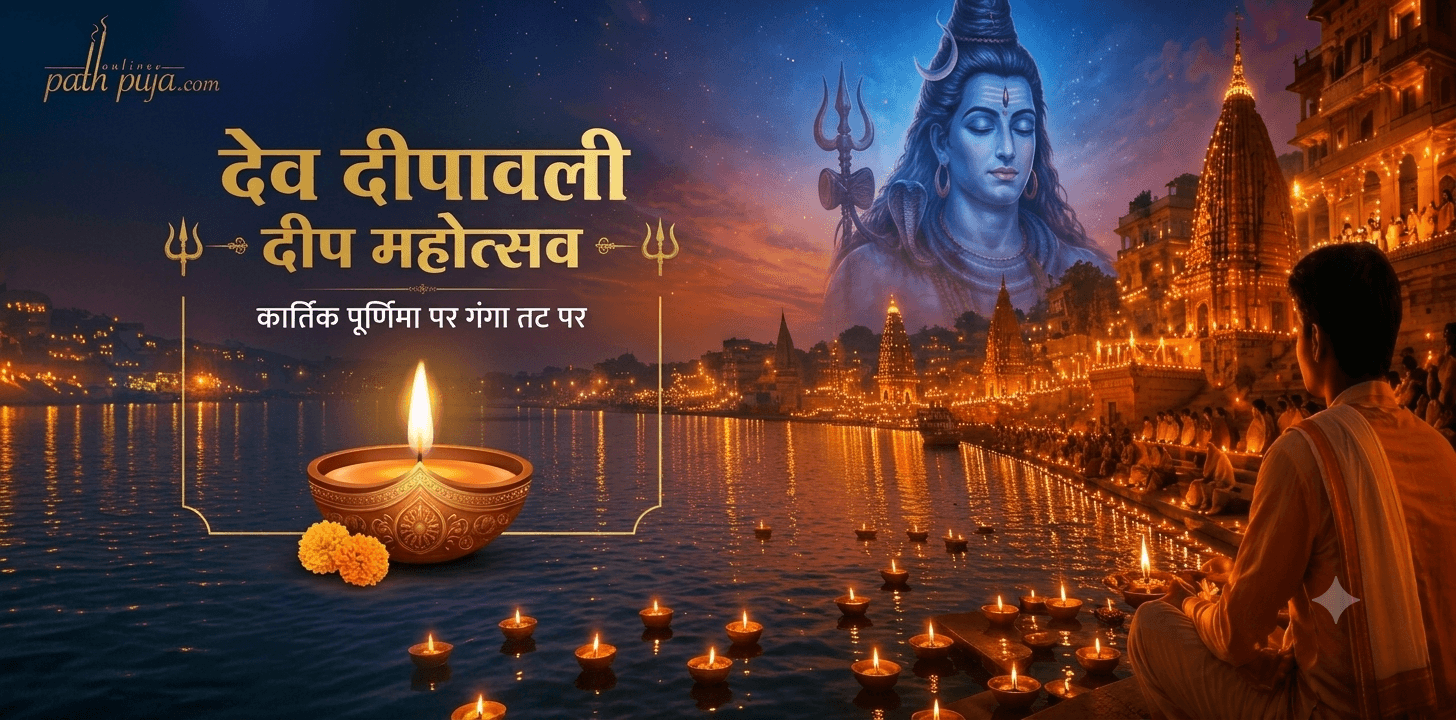
Dev Deepawali Deep Daan
"Dev Deepawali Deep Daan in Kashi - In Your Name and Gotra Celebrate the divine festival of Dev Deepawali by offering a sacred lamp on the holy banks of the River Ganga in Kashi, in your name and gotra. Seek the blessings of Lord Shiva and Maa Ganga and become a part of this timeless spiritual tradition. “Tamaso Ma Jyotirgamaya” - Lead me from darkness to light. Participate in this sacred Deep Daan seva through OnlinePathPuja and offer a lamp with devotion and prayers for peace, happiness, and prosperity for your family."
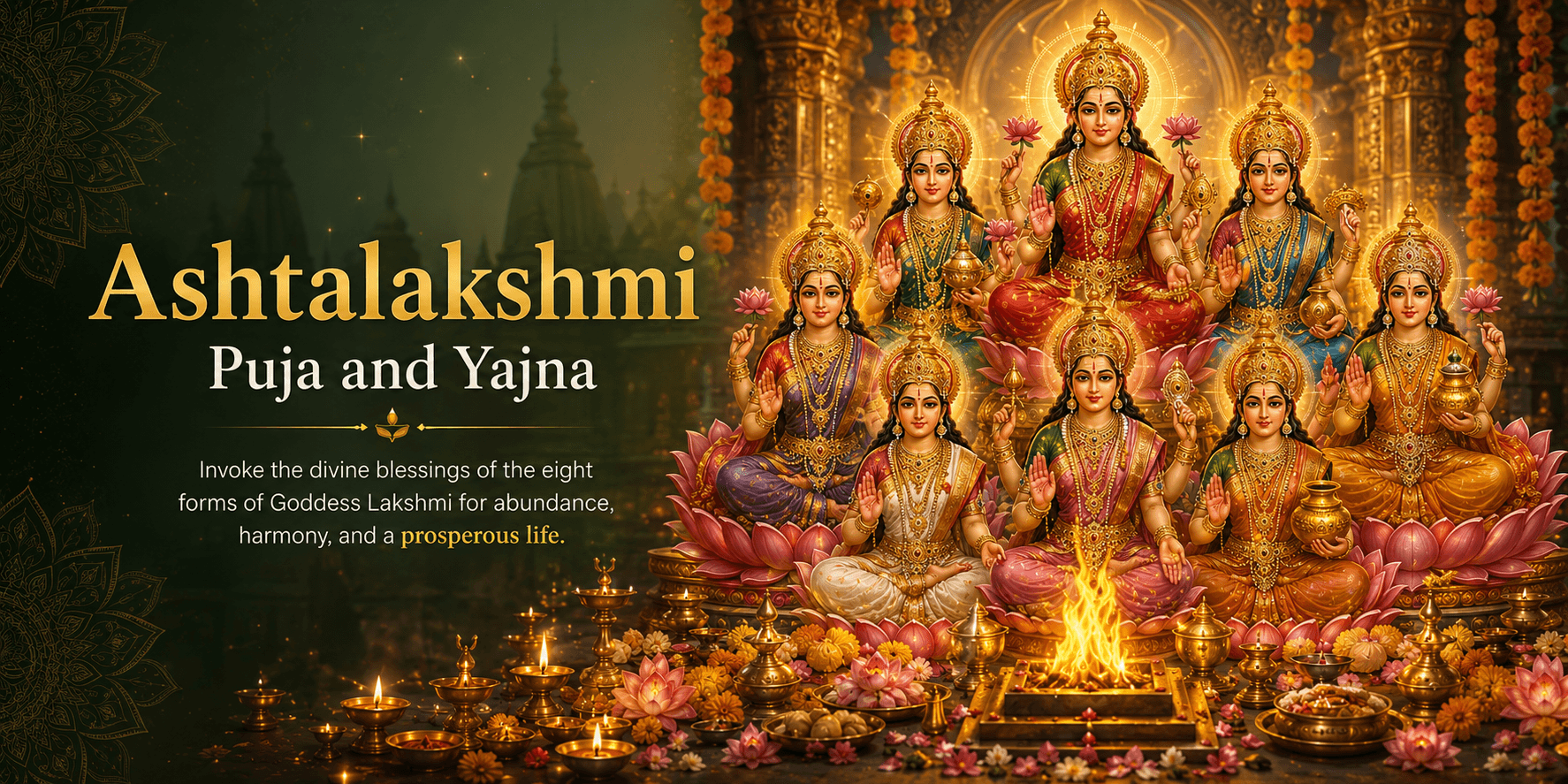
Ashtalakshmi Puja and Yajna
"Ashtalakshmi is Mata Lakshmi worshipped in her eight forms. Each form blesses a different kind of wealth. Adi Lakshmi gives original wealth. Dhana Lakshmi gives money and gold. Dhanya Lakshmi gives the wealth of grain and food. Gaja Lakshmi gives the wealth of power and dignity. Santana Lakshmi gives the wealth of children. Veera Lakshmi gives the wealth of courage. Vijaya Lakshmi gives the wealth of victory. Vidya Lakshmi gives the wealth of knowledge. To worship all eight together is to invite every form of abundance into the home."
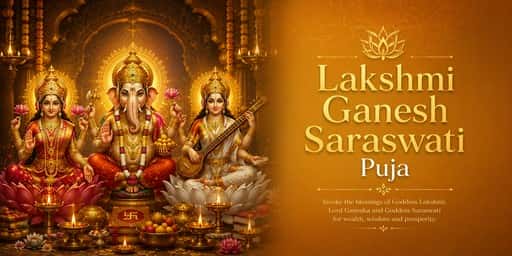
Lakshmi Ganesh Saraswati Puja
"This puja brings together three great powers in one worship. Lord Ganesh is the remover of all obstacles. People worship him first before any new start. Mata Lakshmi is the giver of wealth and plenty. Mata Saraswati is the goddess of learning and clear thought. Together they grant a life that is rich, wise, and smooth. Ganesh clears the path, Lakshmi fills it, and Saraswati guides it. This is why families choose this puja before a fresh start. A new shop, a new job, or a new study term all suit it well. The three blessings work as one for the seeker."
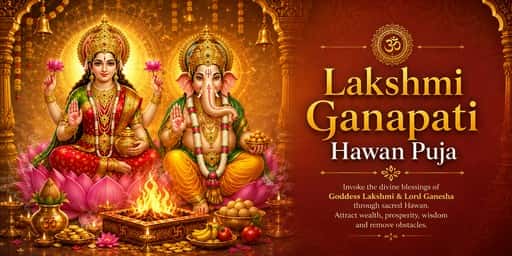
Lakshmi Ganapati Hawan Puja
"This puja joins Mata Lakshmi with Lord Ganapati in a sacred fire. Ganapati clears the blocks that hold a person back. Lakshmi then brings wealth that stays and does not slip away. The shastras call this lasting wealth sthir Lakshmi. Many earn well but cannot hold their money. This puja works to fix that very problem. The havan, or fire ritual, carries the prayers straight to the gods. Each offering into the fire is a step toward plenty. Business families turn to this puja for steady growth. It is most loved at Diwali, the festival of Lakshmi."
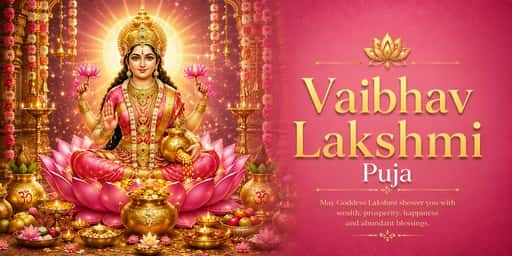
Vaibhav Lakshmi Puja
"Vaibhav Lakshmi is the form of Lakshmi that grants riches. The word vaibhav means grandeur, glory, and plenty. She blesses the home with wealth that lasts. Many earn well but cannot hold their money. This puja works to bring lasting wealth, or sthir Lakshmi. It clears the blocks that let money slip away. The Mother fills the home with comfort and grace. Business families seek her for steady growth. Her worship is most loved at Diwali and Dhanteras. These are the days when Lakshmi walks the earth. Devotees keep their homes clean and bright to receive her."
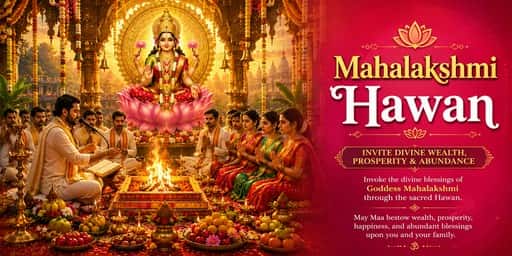
Mahalakshmi Hawan
"Mahalakshmi is the supreme form of the goddess of wealth. She is the consort of Lord Vishnu and the mother of plenty. The shastras say she lives where worship and care abide. This hawan is a fire worship in her honour. The sacred fire carries each prayer straight to the Mother. Many earn well but cannot keep their wealth. This hawan works to bring lasting wealth, or sthir Lakshmi. It clears the blocks that let money slip away. Business families seek it for steady growth and plenty. Its best days are Diwali and Dhanteras. These are the days the Mother walks the earth."
Shree Suktam Puja
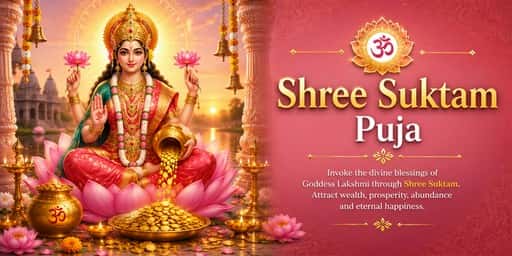
"The Shree Suktam Puja is the complete ritual ceremony built around the Shri Suktam hymn. Where the Path focuses on the recitation alone, the Puja adds the full ceremonial framework. Sankalp at the beginning. The formal worship of Lakshmi Mata's idol. The Shri Suktam recitation as the heart of the ritual. The havan to seal the offerings. The aarti to close the vidhi. This is the puja chosen when a family wants the complete Lakshmi ceremony, with every element of the classical tradition observed in full."
Hawan Puja at Kailash Mansarovar
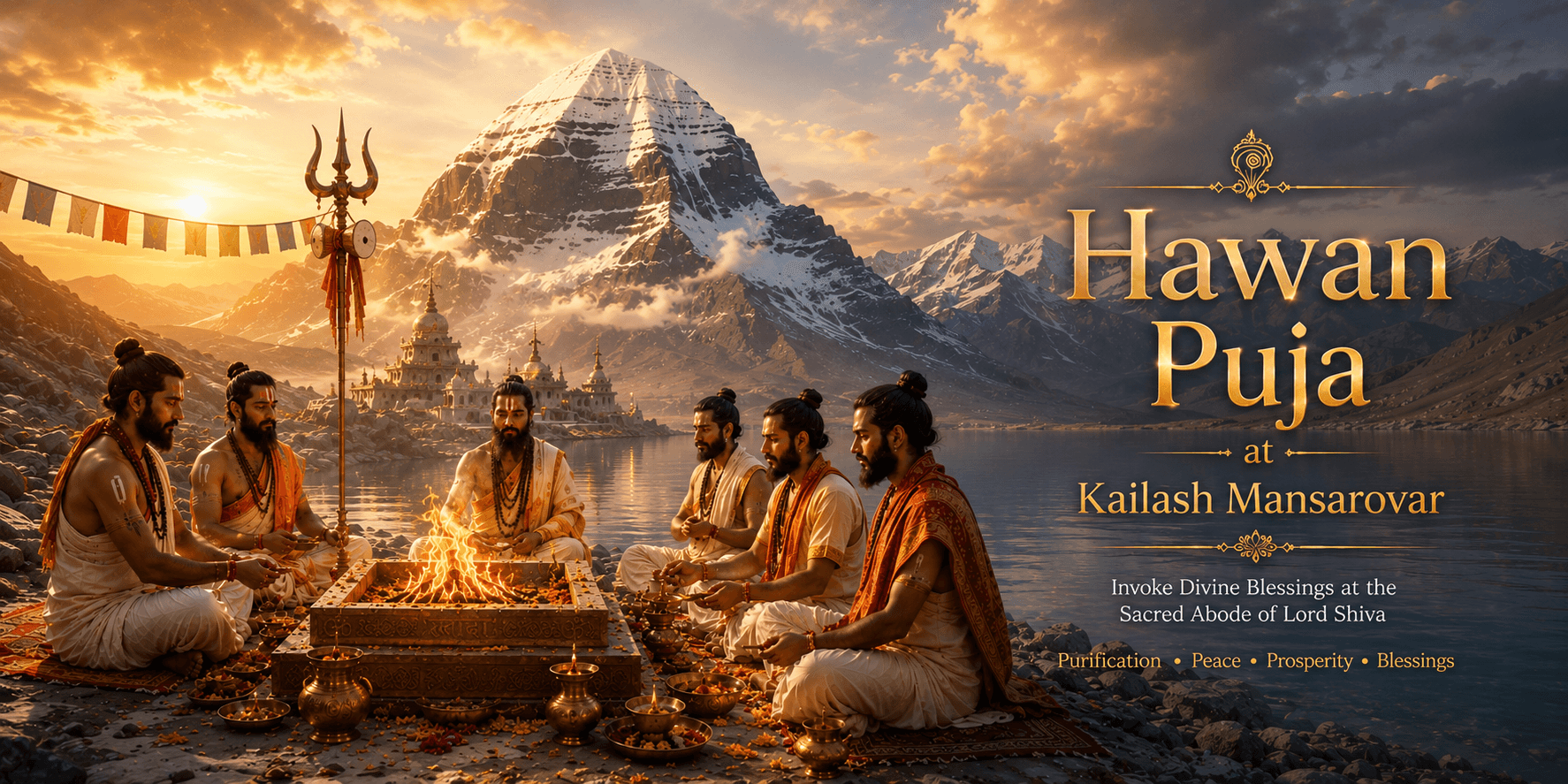
"Kailash is not a temple built by human hands. It is the home Shiva chose for himself. The mountain has never been climbed, out of pure reverence, and pilgrims circle it instead in the sacred kora. At its feet lies Mansarovar, the lake born, tradition says, from the mind of Brahma himself. The shastras hold that the devtas descend to bathe in its waters at Brahma Muhurta, before dawn. A hawan performed on this ground is the rarest fire offering a devotee can make. Most devotees will never reach this altitude in their lifetime. This group hawan carries their names there."
Sundarkand Path Group Puja
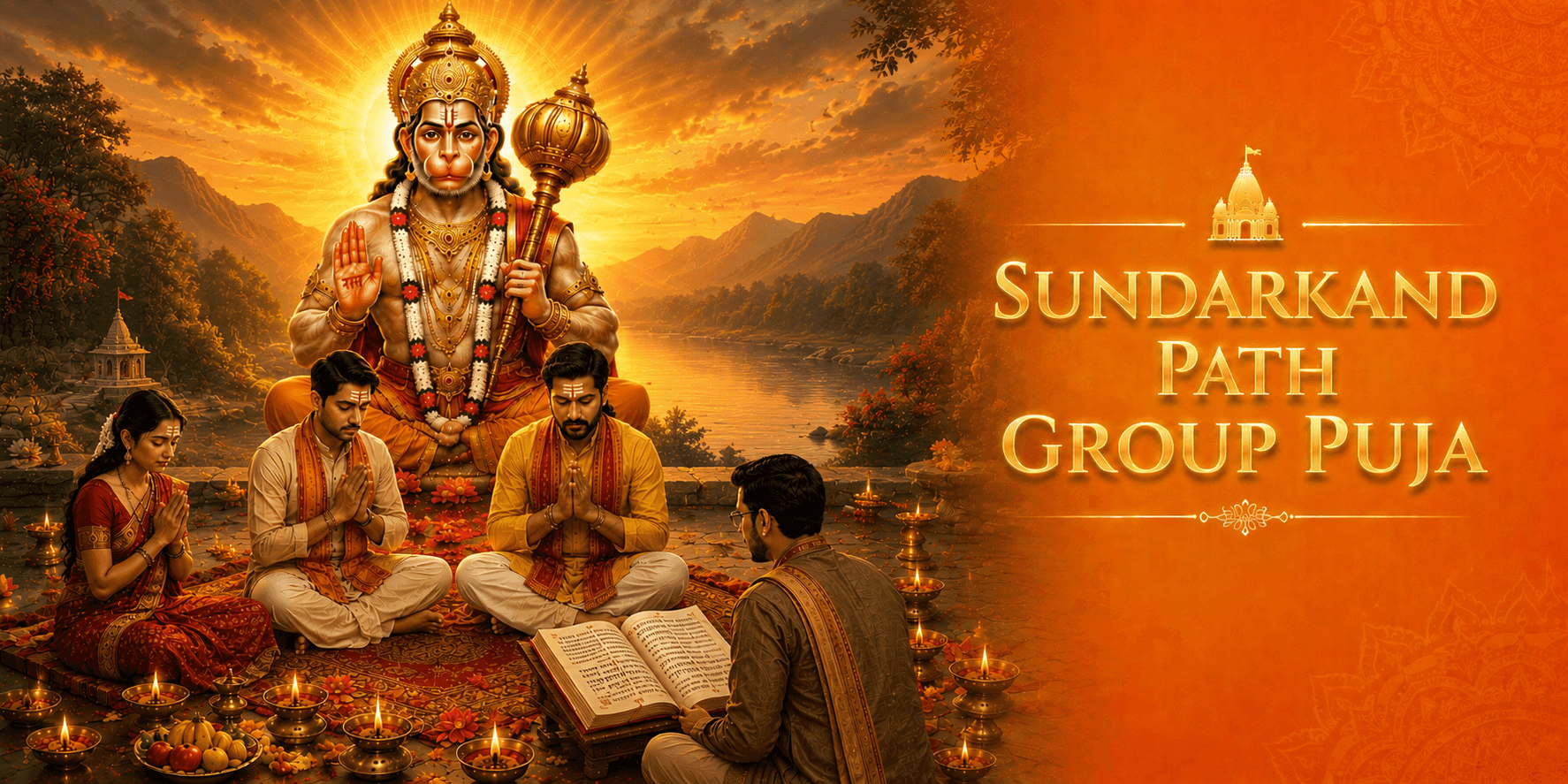
"Sundarkand is the most loved part of the Ramayan. Its name means the beautiful chapter. It tells of Hanuman's leap across the sea to Lanka. He went to find Mata Sita, held by Ravana. He crossed the ocean, found her, and gave her Ram's ring. He then burned Lanka and returned with hope. The whole chapter sings of his courage and faith. Of all the Ramayan, this part holds the most power. Its path is said to clear trouble and fear. It brings strength, wisdom, and the grace of Hanuman. Devotees recite it to defeat enemies and gain peace."
Durga Puja
"Maa Durga rides a lion. She holds eighteen weapons in her many arms. Each weapon is a gift from a different god. Her gaze is the gaze of a mother who will let nothing harm her children. The demon Mahishasura had a boon. No man, no god could kill him. He defeated even Indra. The gods released their combined energies. From that fire, Maa Durga emerged. After nine days of battle, on the tenth day, she slew Mahishasura. That day is Vijayadashami."