
Siddhi
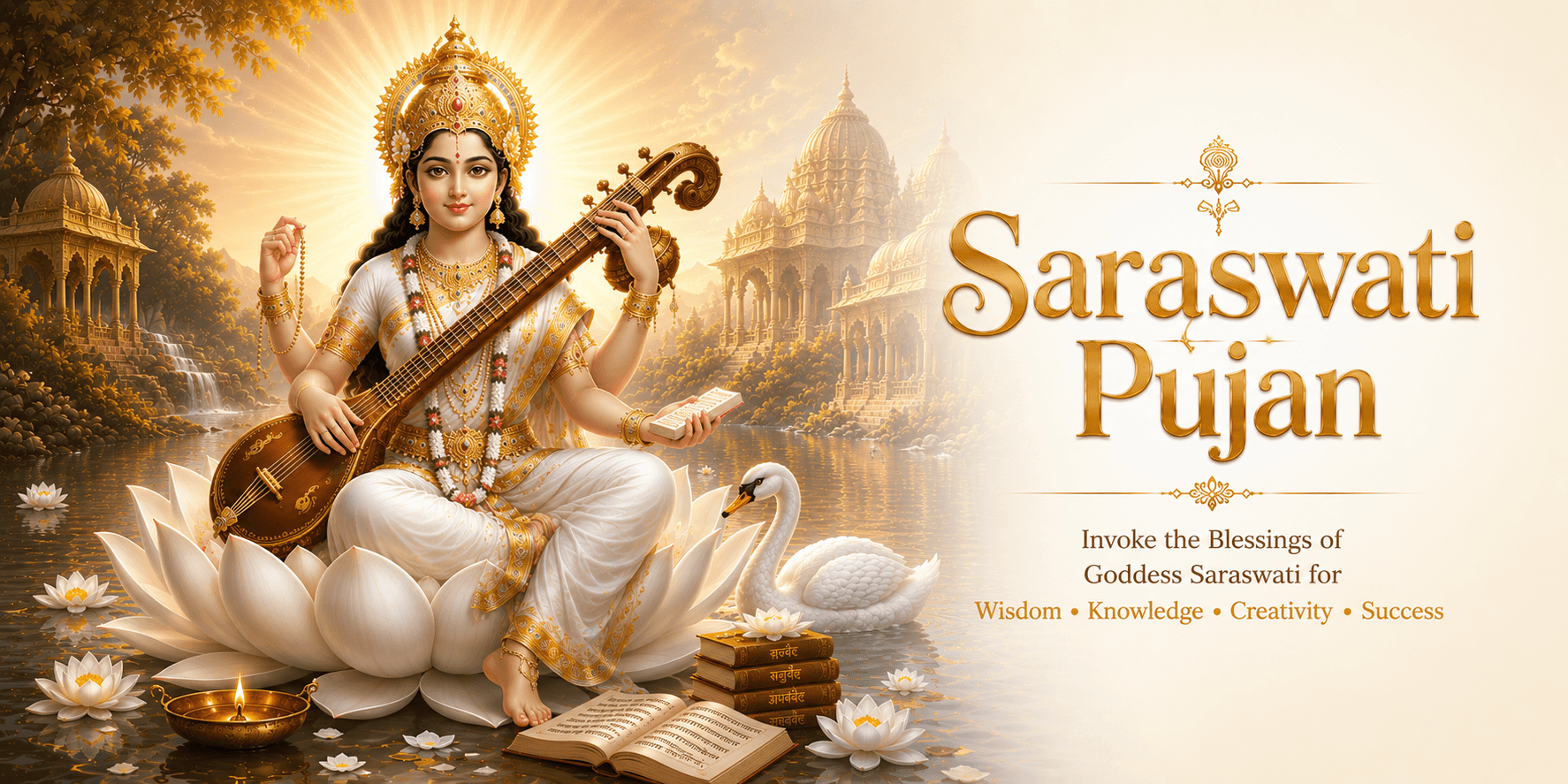
Saraswati Pujan
"Saraswati Mata is the goddess of all learning. She sits on a white lotus, dressed in pure white. She holds the veena. A book and a rosary rest at her side. Three great goddesses share the work of the universe. Lakshmi gives wealth. Durga gives strength. Saraswati gives the rarest gift of all. The light of true knowledge."
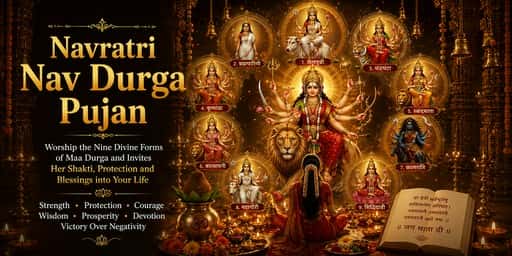
Navratri Nav Durga Pujan
"Navratri is nine nights of devotion to Maa Durga. Each night honours one of her nine forms. Shailputri, Brahmacharini, Chandraghanta, Kushmanda, Skandamata, Katyayani, Kaalratri, Mahagauri, and Siddhidatri. The first three days bring strength. The next three bring prosperity. The final three bring wisdom. By the ninth night, the devotee has been blessed by every form of the Mother."
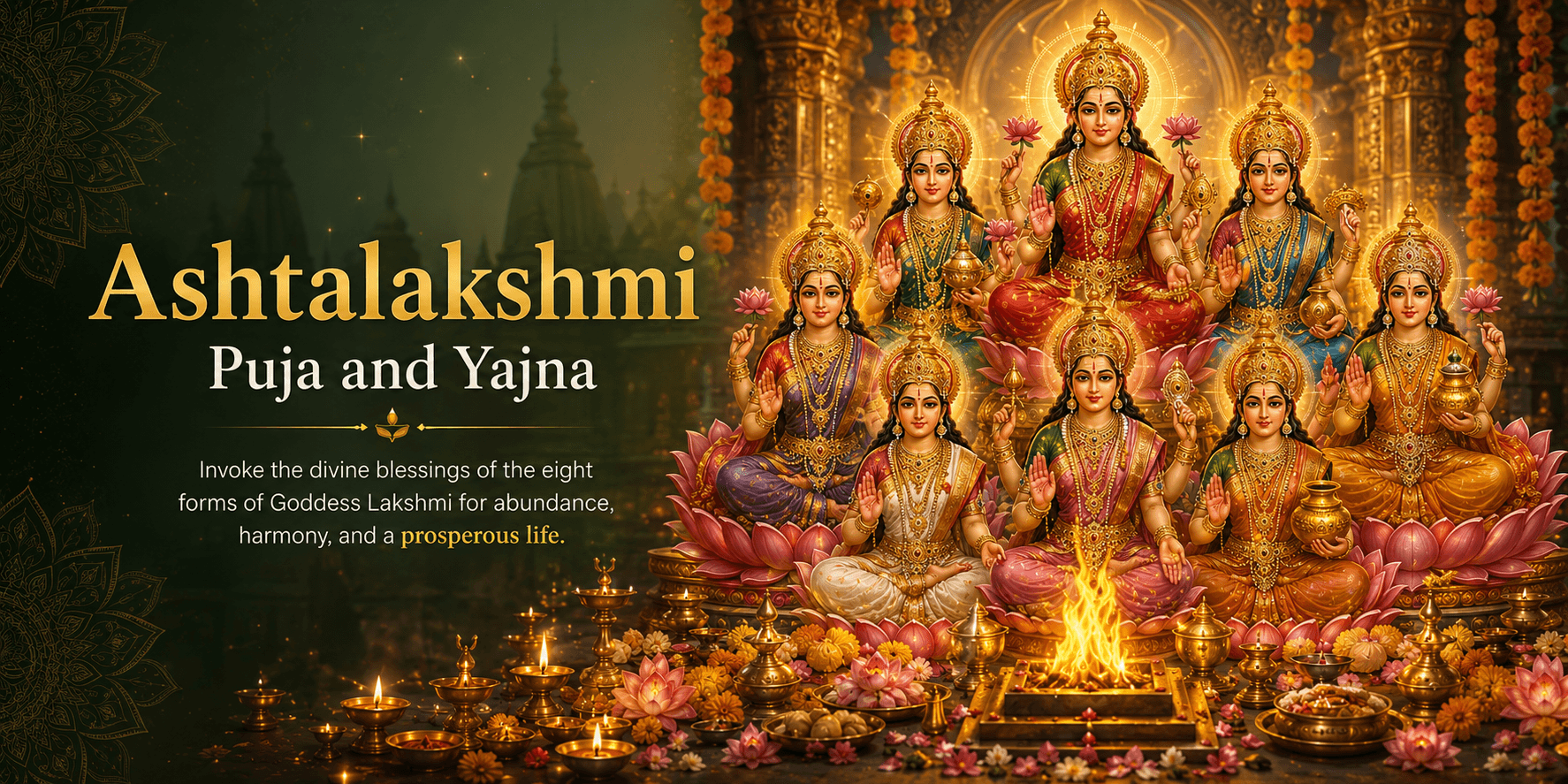
Ashtalakshmi Puja and Yajna
"Ashtalakshmi is Mata Lakshmi worshipped in her eight forms. Each form blesses a different kind of wealth. Adi Lakshmi gives original wealth. Dhana Lakshmi gives money and gold. Dhanya Lakshmi gives the wealth of grain and food. Gaja Lakshmi gives the wealth of power and dignity. Santana Lakshmi gives the wealth of children. Veera Lakshmi gives the wealth of courage. Vijaya Lakshmi gives the wealth of victory. Vidya Lakshmi gives the wealth of knowledge. To worship all eight together is to invite every form of abundance into the home."
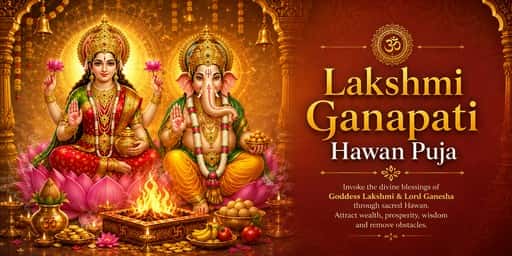
Lakshmi Ganapati Hawan Puja
"This puja joins Mata Lakshmi with Lord Ganapati in a sacred fire. Ganapati clears the blocks that hold a person back. Lakshmi then brings wealth that stays and does not slip away. The shastras call this lasting wealth sthir Lakshmi. Many earn well but cannot hold their money. This puja works to fix that very problem. The havan, or fire ritual, carries the prayers straight to the gods. Each offering into the fire is a step toward plenty. Business families turn to this puja for steady growth. It is most loved at Diwali, the festival of Lakshmi."
Mahalakshmi Hawan
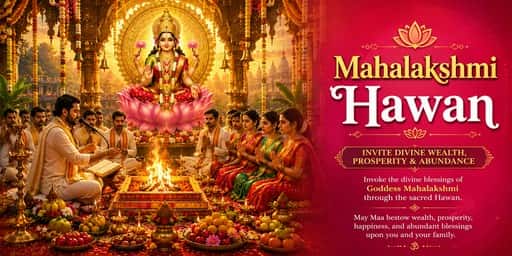
"Mahalakshmi is the supreme form of the goddess of wealth. She is the consort of Lord Vishnu and the mother of plenty. The shastras say she lives where worship and care abide. This hawan is a fire worship in her honour. The sacred fire carries each prayer straight to the Mother. Many earn well but cannot keep their wealth. This hawan works to bring lasting wealth, or sthir Lakshmi. It clears the blocks that let money slip away. Business families seek it for steady growth and plenty. Its best days are Diwali and Dhanteras. These are the days the Mother walks the earth."
Sundarkand Path Group Puja
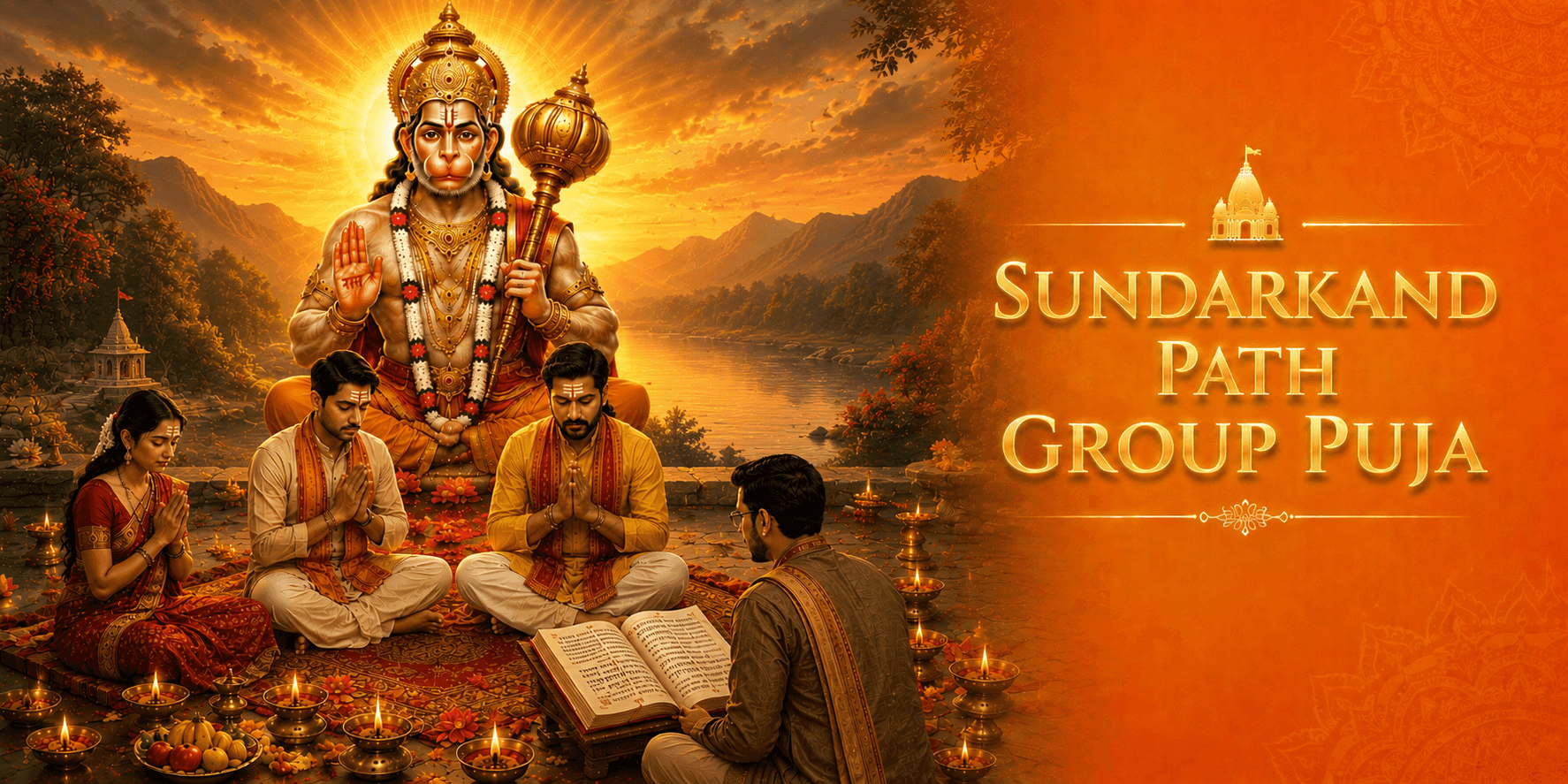
"Sundarkand is the most loved part of the Ramayan. Its name means the beautiful chapter. It tells of Hanuman's leap across the sea to Lanka. He went to find Mata Sita, held by Ravana. He crossed the ocean, found her, and gave her Ram's ring. He then burned Lanka and returned with hope. The whole chapter sings of his courage and faith. Of all the Ramayan, this part holds the most power. Its path is said to clear trouble and fear. It brings strength, wisdom, and the grace of Hanuman. Devotees recite it to defeat enemies and gain peace."
Durga Puja
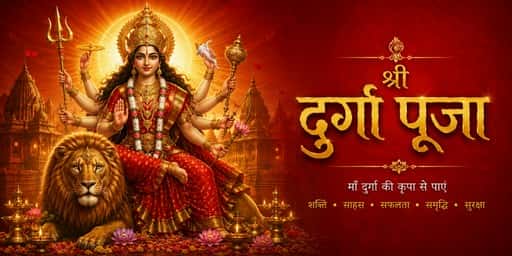
"Maa Durga rides a lion. She holds eighteen weapons in her many arms. Each weapon is a gift from a different god. Her gaze is the gaze of a mother who will let nothing harm her children. The demon Mahishasura had a boon. No man, no god could kill him. He defeated even Indra. The gods released their combined energies. From that fire, Maa Durga emerged. After nine days of battle, on the tenth day, she slew Mahishasura. That day is Vijayadashami."
Tripura Sundari Shodashi Puja and Yajna
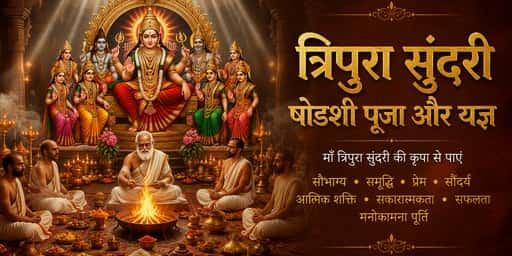
"This puja honours Tripura Sundari Mata, the third of the ten Mahavidyas, in her form as Shodashi. While the Shri Vidya path focuses on the deeper sadhana of the goddess, this puja focuses on her grace as a mother who blesses the home. It is the puja chosen by families who want her warmth more than her formal initiation. Tripura Sundari rules over the joy of being alive. The beauty of relationships. The blessing of a home that feels full. To worship her is to invite that fullness into daily life."
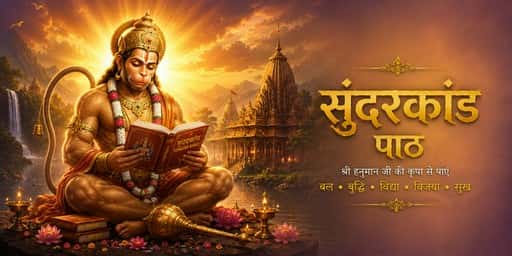
Sundar Kand Path
"Sundar Kand is the fifth chapter of the Ramcharitmanas, written by Tulsidas. It tells one story without a break. Hanuman crosses the ocean to Lanka. He finds Mata Sita. He faces Ravana's court without fear. He burns Lanka and returns with the news that changes everything. Of all the chapters in the Ramcharitmanas, only Sundar Kand has this quality. Every event in it ends in success."
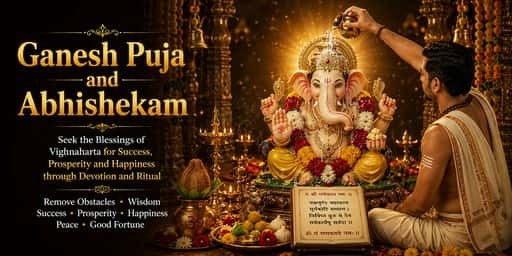
Ganesh Puja and Abhishekam
"Ganesh Ji is the first deity worshipped in every Hindu ritual. Families call on him before weddings, new homes, new businesses, and exams. He clears the path. He blesses the work ahead. Tradition says he is easily pleased. Laddus, modaks, and devotion are enough. Once Ganesh Ji is pleased, he also calls on Shree Lakshmi Mata to bless the home with wealth."
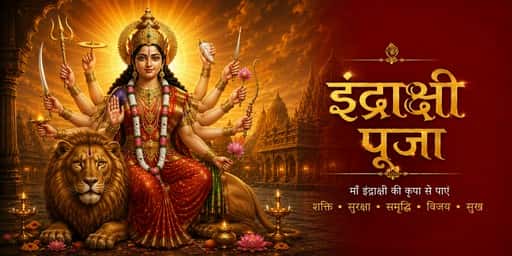
Indrakshi Puja
"Indrakshi Mata is one of the most powerful protective goddesses in the Vedic tradition. Her name means "she with the eyes of Indra." The Indrakshi Stotra was first taught by Lord Indra himself to sage Brihaspati. It is recited for protection from disease, from enemies, and from the unseen forces that can harm a devotee. For centuries, families have turned to this puja during prolonged illness, mysterious afflictions, and times when conventional remedies have not worked."
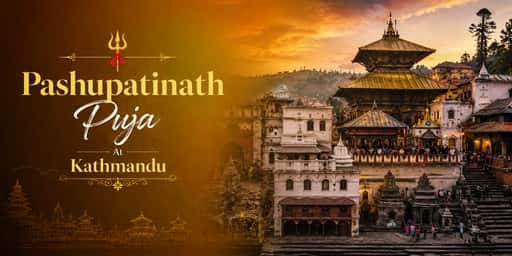
Pashupatinath Puja At Kathmandu
"Pashupatinath of Kathmandu is one of the most sacred seats of Shiv Ji in the world, standing on the banks of the Bagmati river. Here Shiv Ji is worshipped as the protector of every creature, and the shastras hold his darshan and worship at this kshetra to be liberating. Devotees turn to Pashupatinath especially for protection from untimely death and prolonged illness, the graces closest to his form as the lord of life itself."