
Moksha
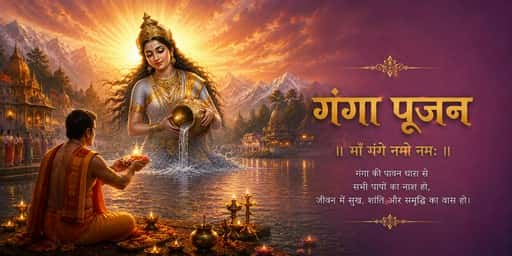
Ganga Pujan
"Ganga did not always flow on earth. Sage Bhagiratha did years of penance to bring her down, so her waters could free the souls of his ancestors. But her descent was so powerful, it would have shattered the earth. Lord Shiva caught her in his matted locks and let her flow gently onto the Himalayas. Since then, Ganga has been more than a river. She is the mother who takes away the sins of those who touch her waters."
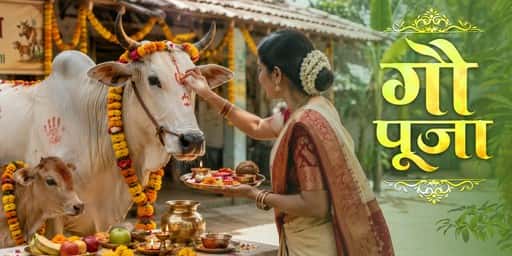
Gau Pujan (Gau Grass Feeding)
"Kamdhenu is the divine cow of Hindu tradition. The wish-fulfilling cow who emerged from the cosmic ocean during the great churning. Her name means "the cow of desires." Tradition holds that whoever worships Kamdhenu receives whatever they ask for, because she carries within her body all the gods, all the sacred rivers, and all the elements of the cosmos. She is also called Surabhi, "the fragrant one," and is the divine mother of all cows on earth. To worship Kamdhenu is to ask the most generous mother of the universe for her blessing."
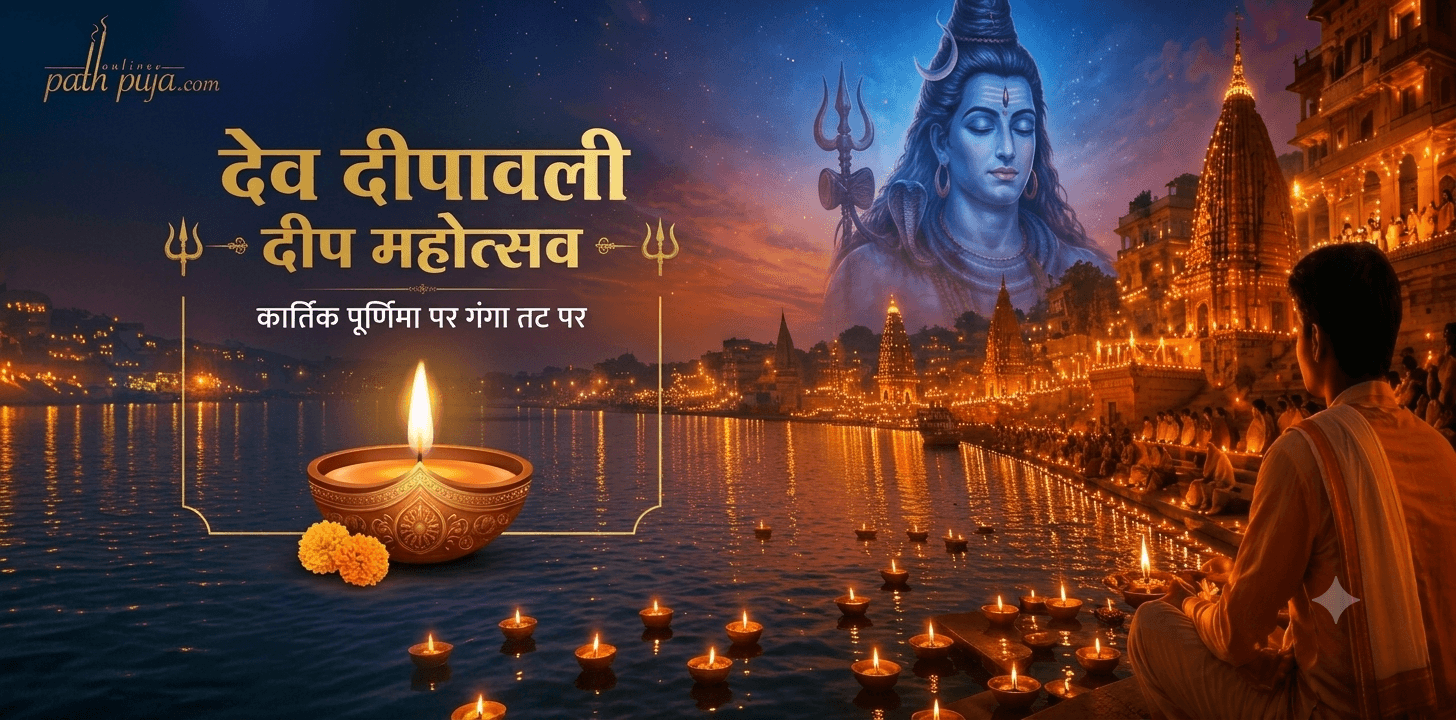
Dev Deepawali Deep Daan
"Dev Deepawali Deep Daan in Kashi - In Your Name and Gotra Celebrate the divine festival of Dev Deepawali by offering a sacred lamp on the holy banks of the River Ganga in Kashi, in your name and gotra. Seek the blessings of Lord Shiva and Maa Ganga and become a part of this timeless spiritual tradition. “Tamaso Ma Jyotirgamaya” - Lead me from darkness to light. Participate in this sacred Deep Daan seva through OnlinePathPuja and offer a lamp with devotion and prayers for peace, happiness, and prosperity for your family."
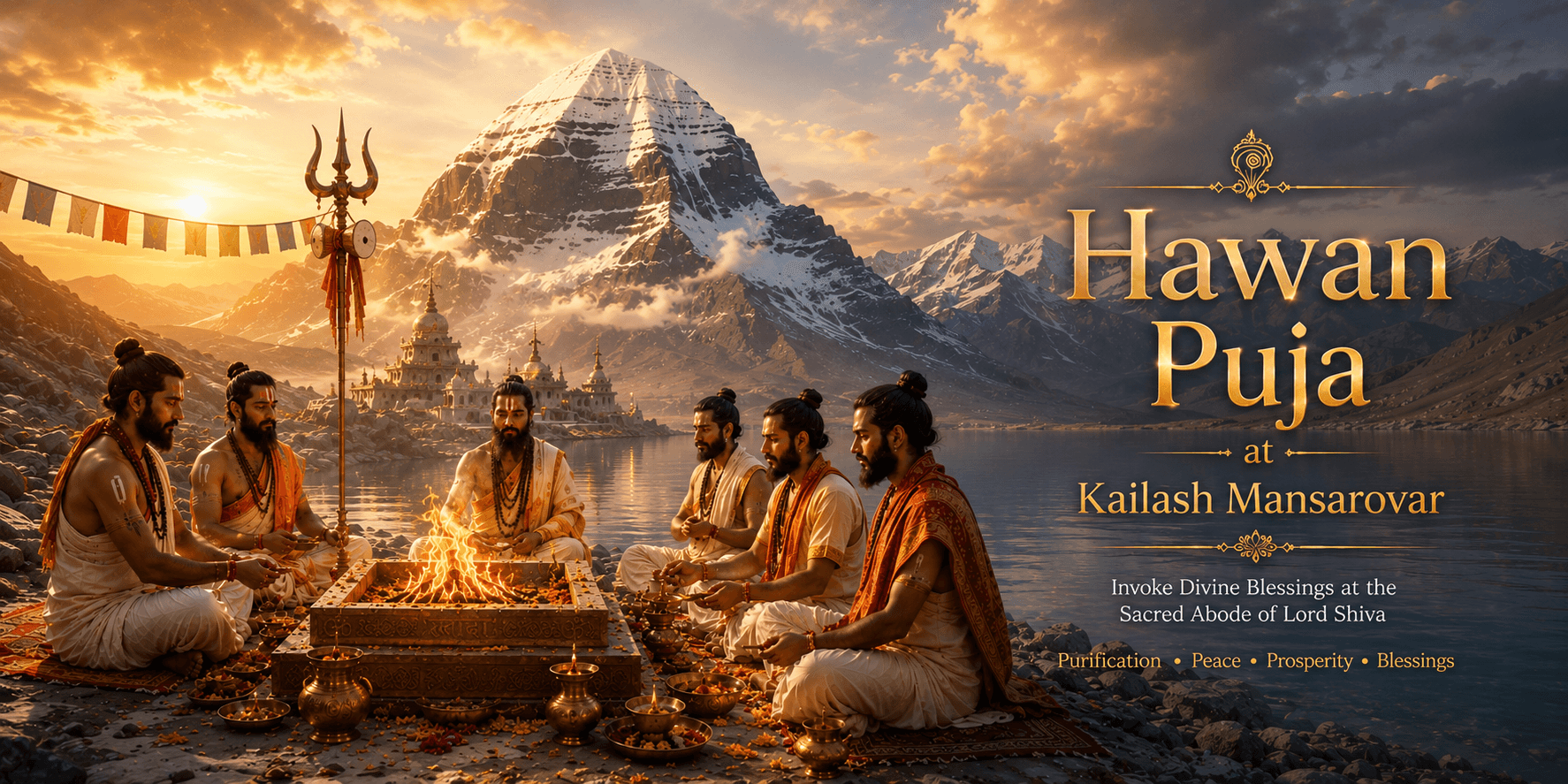
Hawan Puja at Kailash Mansarovar
"Kailash is not a temple built by human hands. It is the home Shiva chose for himself. The mountain has never been climbed, out of pure reverence, and pilgrims circle it instead in the sacred kora. At its feet lies Mansarovar, the lake born, tradition says, from the mind of Brahma himself. The shastras hold that the devtas descend to bathe in its waters at Brahma Muhurta, before dawn. A hawan performed on this ground is the rarest fire offering a devotee can make. Most devotees will never reach this altitude in their lifetime. This group hawan carries their names there."
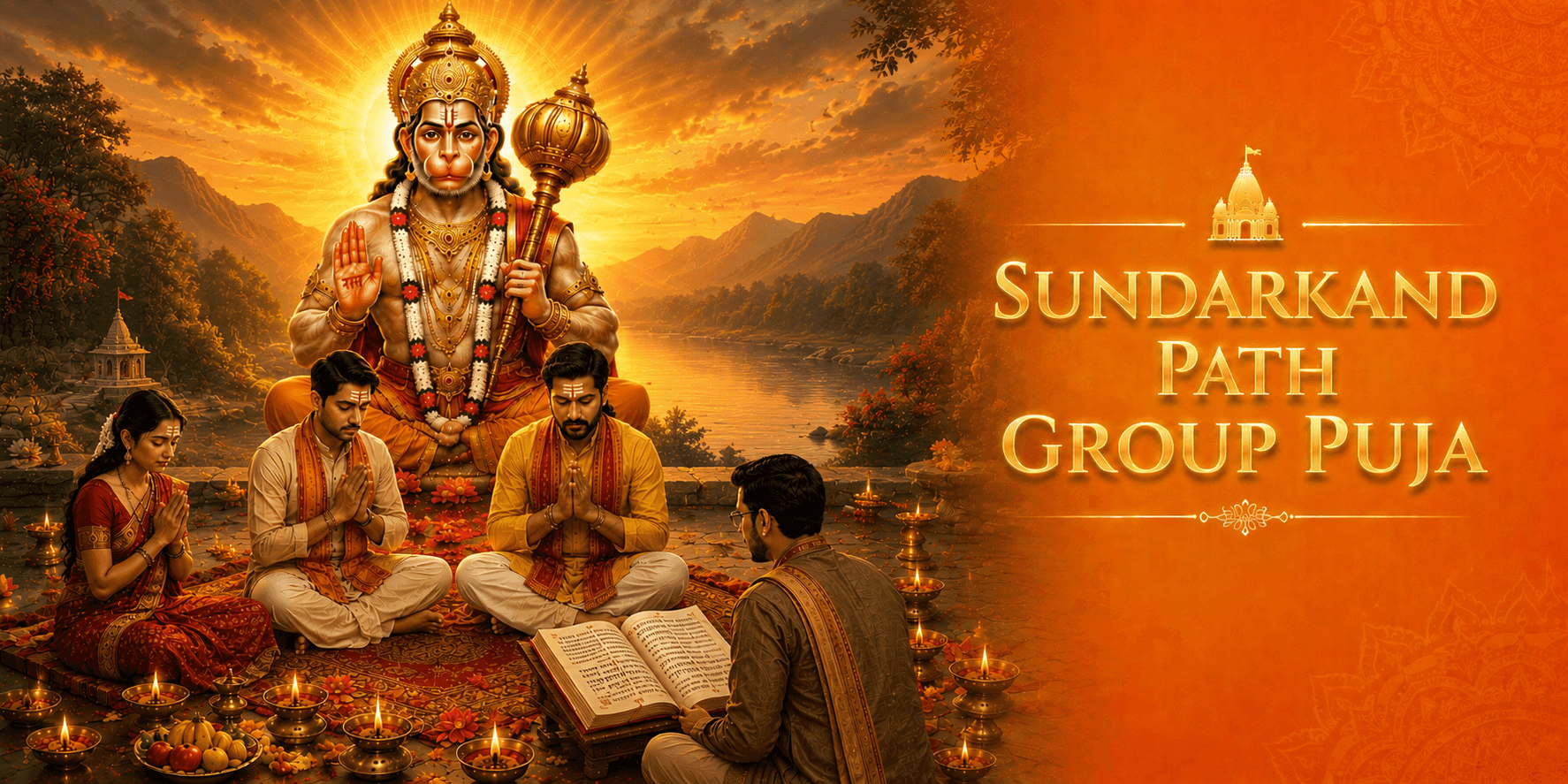
Sundarkand Path Group Puja
"Sundarkand is the most loved part of the Ramayan. Its name means the beautiful chapter. It tells of Hanuman's leap across the sea to Lanka. He went to find Mata Sita, held by Ravana. He crossed the ocean, found her, and gave her Ram's ring. He then burned Lanka and returned with hope. The whole chapter sings of his courage and faith. Of all the Ramayan, this part holds the most power. Its path is said to clear trouble and fear. It brings strength, wisdom, and the grace of Hanuman. Devotees recite it to defeat enemies and gain peace."
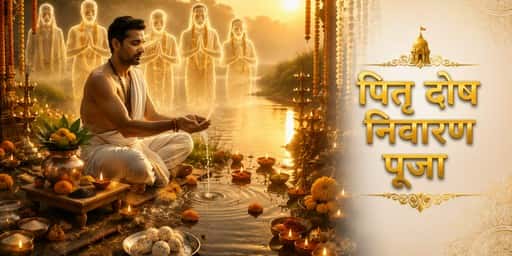
Pitra Dosh Nivaran Puja
"Pitra Dosh is an affliction passed down through the family lineage. It forms when the souls of departed ancestors have not received the rituals, prayers, or peace they were due. In Hindu tradition, the bond between the living and the ancestors is unbreakable. Every family carries within it the prayers and the unfulfilled wishes of those who came before. Sometimes also their lingering sorrows. When these remain unresolved across generations, they take the form of Pitra Dosh. A quiet shadow over the family's path. It is often felt as repeated obstacles in marriage, conception, education, and career, despite every effort. The dosh is not a curse. It is a calling. The ancestors are gently asking to be remembered, honoured, and finally released into peace."
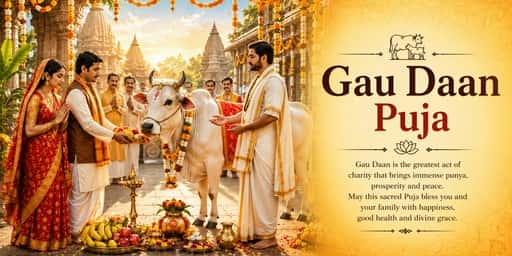
Gau Daan Puja
"Gau Daan means the gift of a cow. The shastras hold it as the greatest of all charity. To give a cow is to give a home to all the gods. Tradition says the cow carries the soul across after death. She helps it cross the river Vaitarani to the next world. This daan washes away the heaviest of old sins. It clears negative karma and the fear of the unknown. It is also the remedy for Nadi Dosh in a match. The gift brings the grace of Lord Krishna upon the giver. Devotees perform it before marriage and on holy days. It is one of the surest paths to moksha."
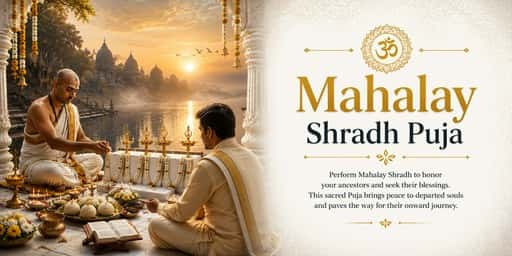
Mahalay Shradh Puja
"Mahalay Shradh falls in the sacred fortnight of Pitru Paksha. Hindu tradition holds that the ancestors come down to earth then. They wait for their children to offer them food and water. To skip this duty is said to leave the forefathers hungry. Their rest depends on the care the family gives. This puja offers pind and tarpan to the departed. It honours them on their own death date within the fortnight. The grace of pleased ancestors then flows to the living. It brings peace, plenty, and joy to the home. Families have kept this duty for countless generations."
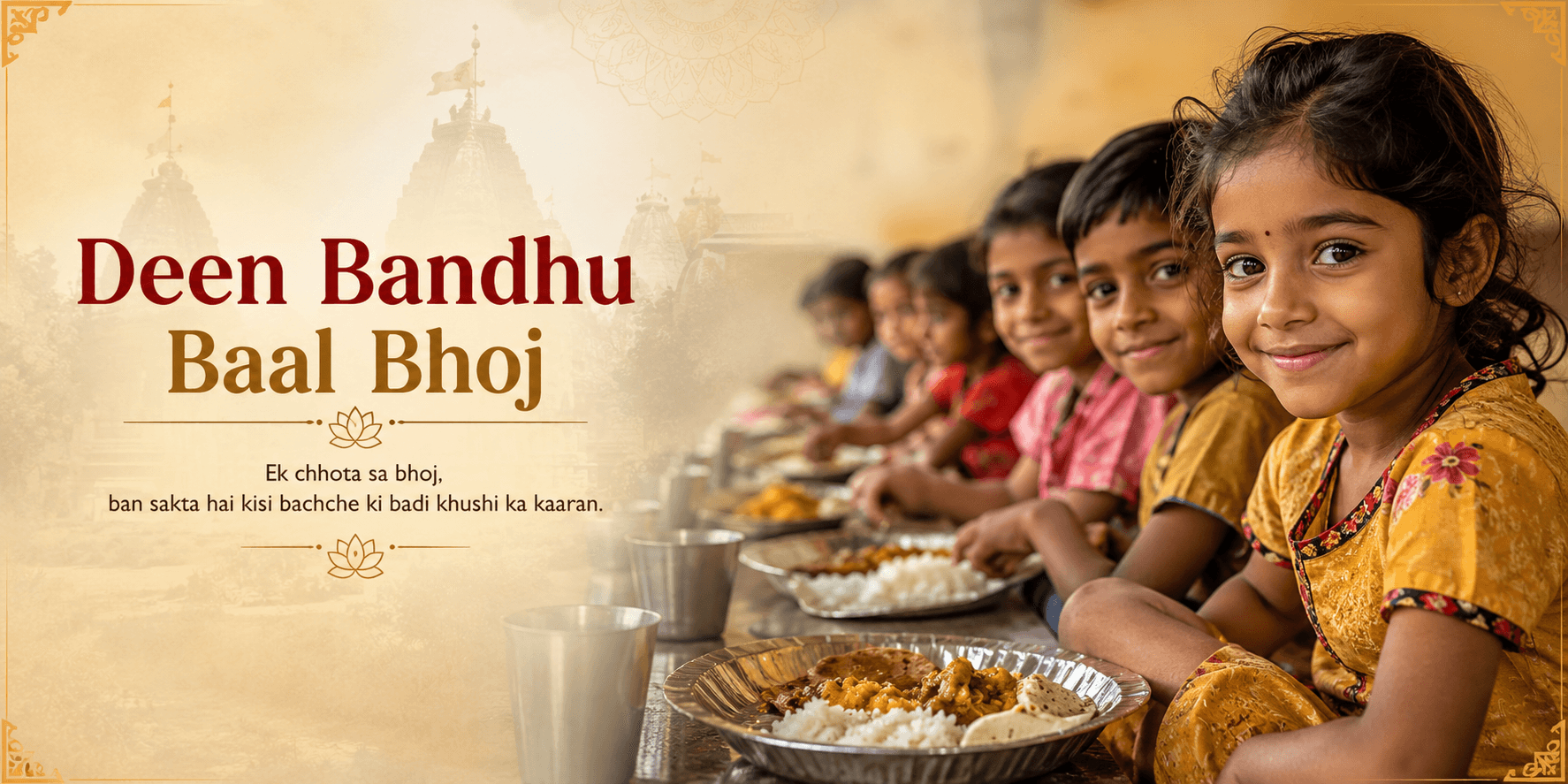
Deen Bandhu Baal Bhoj
"Annadaan, the gift of food, is called the mahadaan. The greatest of all gifts. The shastras place it above every other charity, because food is the one gift that satisfies completely. Deen Bandhu means the friend of the poor, and this bhoj feeds the children who need that friend most."
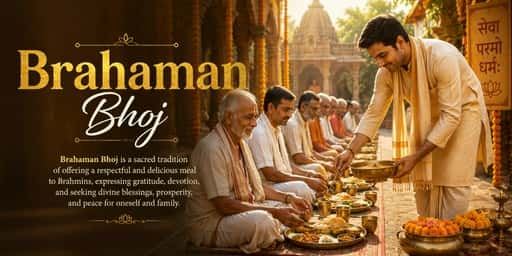
Brahaman Bhoj
"Brahman Bhoj is the sacred tradition of feeding learned Brahmins. The shastras hold that food offered to a Brahmin with respect reaches the devtas and the ancestors alike. This is why Brahman Bhoj follows nearly every major puja, shradh, and family milestone."
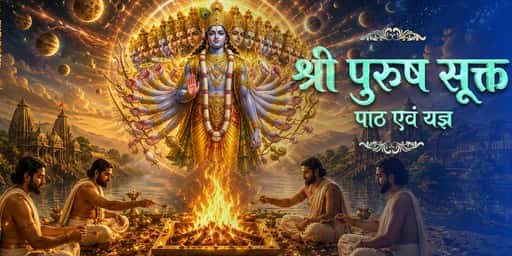
Shree Purusha Sukta Path and Yajna
"The Purusha Sukta is one of the most ancient and sacred hymns in the Rigveda. It describes the Purusha, the cosmic being, from whose body the entire universe is created. The sky is his head. The earth is his feet. The sun is his eye. The hymn is the foundation of Vedic philosophy itself, and is recited at every major yajna across the Hindu tradition. The Purusha Sukta is considered the supreme prayer to Vishnu in his cosmic form. To have it recited as a focused path with yajna is to align the family's life with the cosmic order itself."