
Wealth, Fame & Glory
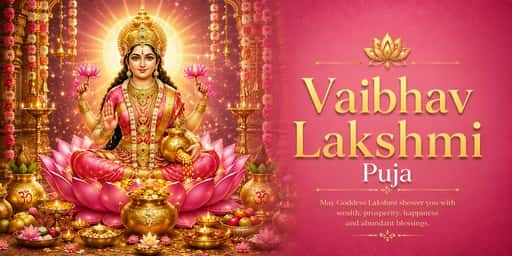
Vaibhav Lakshmi Puja
"Vaibhav Lakshmi is the form of Lakshmi that grants riches. The word vaibhav means grandeur, glory, and plenty. She blesses the home with wealth that lasts. Many earn well but cannot hold their money. This puja works to bring lasting wealth, or sthir Lakshmi. It clears the blocks that let money slip away. The Mother fills the home with comfort and grace. Business families seek her for steady growth. Her worship is most loved at Diwali and Dhanteras. These are the days when Lakshmi walks the earth. Devotees keep their homes clean and bright to receive her."
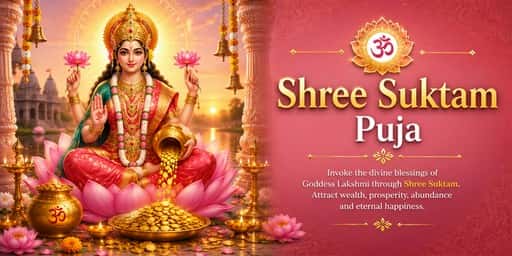
Shree Suktam Puja
"The Shree Suktam Puja is the complete ritual ceremony built around the Shri Suktam hymn. Where the Path focuses on the recitation alone, the Puja adds the full ceremonial framework. Sankalp at the beginning. The formal worship of Lakshmi Mata's idol. The Shri Suktam recitation as the heart of the ritual. The havan to seal the offerings. The aarti to close the vidhi. This is the puja chosen when a family wants the complete Lakshmi ceremony, with every element of the classical tradition observed in full."
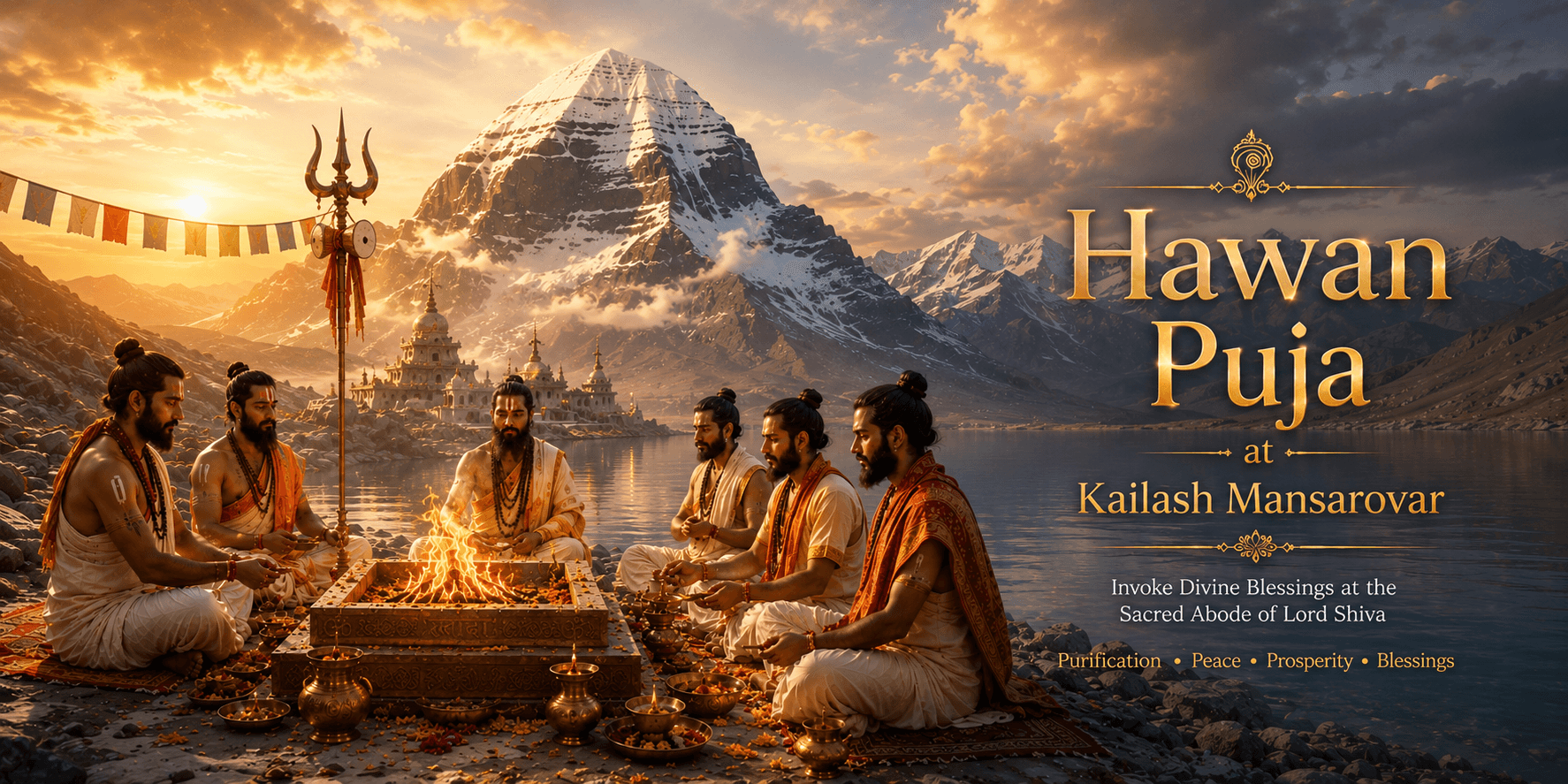
Hawan Puja at Kailash Mansarovar
"Kailash is not a temple built by human hands. It is the home Shiva chose for himself. The mountain has never been climbed, out of pure reverence, and pilgrims circle it instead in the sacred kora. At its feet lies Mansarovar, the lake born, tradition says, from the mind of Brahma himself. The shastras hold that the devtas descend to bathe in its waters at Brahma Muhurta, before dawn. A hawan performed on this ground is the rarest fire offering a devotee can make. Most devotees will never reach this altitude in their lifetime. This group hawan carries their names there."
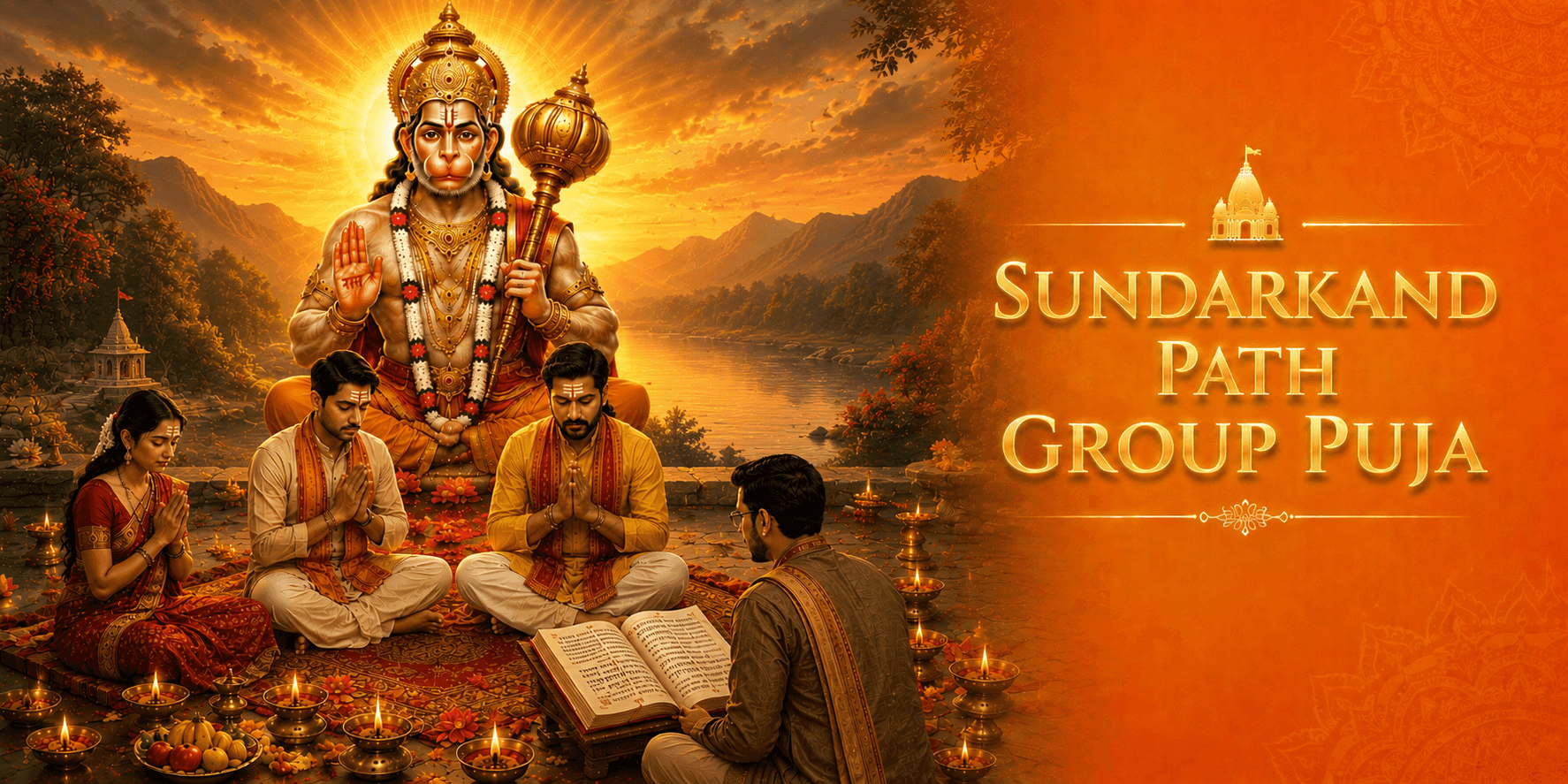
Sundarkand Path Group Puja
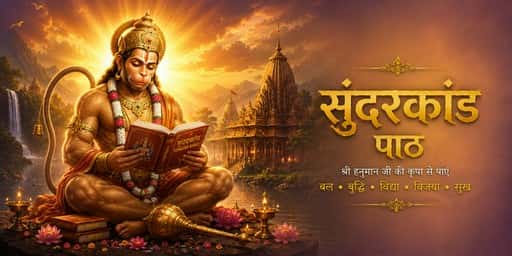
"Sundarkand is the most loved part of the Ramayan. Its name means the beautiful chapter. It tells of Hanuman's leap across the sea to Lanka. He went to find Mata Sita, held by Ravana. He crossed the ocean, found her, and gave her Ram's ring. He then burned Lanka and returned with hope. The whole chapter sings of his courage and faith. Of all the Ramayan, this part holds the most power. Its path is said to clear trouble and fear. It brings strength, wisdom, and the grace of Hanuman. Devotees recite it to defeat enemies and gain peace."
-group-puja-6527e18f5ccc5711cd862203-54243791.png&w=3840&q=60)
Deepawali (Diwali) Group Puja
"Deepawali is the biggest festival in the Hindu year. It marks the return of Lord Ram to Ayodhya. People light rows of lamps to welcome him home. The night is sacred to Lakshmi, the goddess of wealth. She walks the earth and enters homes that wait for her. The puja begins with Ganesh, who clears all blocks. It then turns to Lakshmi for wealth and plenty. This group puja joins many devotees in one worship. The shared prayer carries great strength on this night. It brings lasting wealth, fame, and growth in business. Devotees keep their homes clean and bright to receive the Mother."
Sundar Kand Path
"Sundar Kand is the fifth chapter of the Ramcharitmanas, written by Tulsidas. It tells one story without a break. Hanuman crosses the ocean to Lanka. He finds Mata Sita. He faces Ravana's court without fear. He burns Lanka and returns with the news that changes everything. Of all the chapters in the Ramcharitmanas, only Sundar Kand has this quality. Every event in it ends in success."
Pashupatinath Puja At Kathmandu
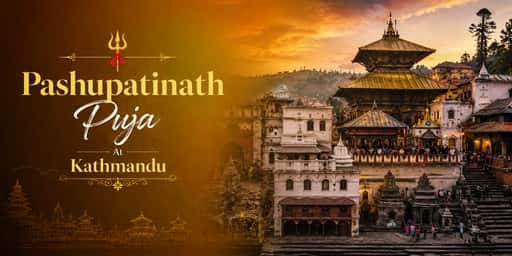
"Pashupatinath of Kathmandu is one of the most sacred seats of Shiv Ji in the world, standing on the banks of the Bagmati river. Here Shiv Ji is worshipped as the protector of every creature, and the shastras hold his darshan and worship at this kshetra to be liberating. Devotees turn to Pashupatinath especially for protection from untimely death and prolonged illness, the graces closest to his form as the lord of life itself."
-puja-651bd1c3052302caf9a15365-66742566-s.jpg&w=3840&q=60)
Deepawali (Diwali) Puja
"Deepawali (Diwali) is the biggest festival in the Hindu calendar. Every family prepares for it weeks in advance. The home is cleaned, diyas are lit, and everything is kept ready before the muhurat arrives. Mata Lakshmi walks the earth that night. She enters homes that are waiting. The ones that are not, she skips."
Maha Shivratri Group Puja
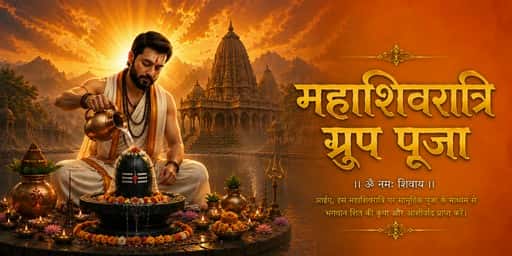
"Maha Shivratri is the great night of Lord Shiva. The shastras tell many tales of this sacred night. Some say Shiva married Parvati on this day. Others say he danced the cosmic dance of Tandav. It is the holiest night in all of Shiva worship. Devotees keep a fast and stay awake through the night. They bathe the Shivling and chant his sacred name. This group puja joins many devotees in one worship. The shared prayer on this night carries great strength. It washes away sin and grants the grace of Shiva. Devotees seek peace, plenty, and a happy life."
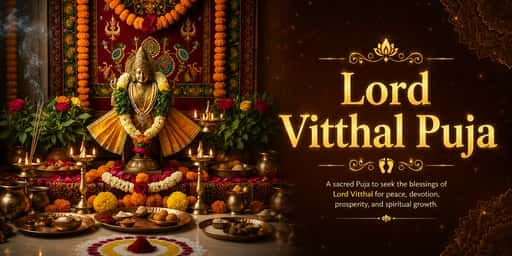
Lord Vitthal Puja
"Lord Vitthal is a beloved form of Lord Krishna. The people of Maharashtra know him as Vithoba and Panduranga. He stands at Pandharpur with his hands on his hips. Rukmini, his consort, stands by his side. The story tells how he waited for his devotee Pundalik. Millions walk to Pandharpur each year to see him. The Warkari saints sang of his love for ages. He grants peace, plenty, and a happy home. This puja calls on Vitthal and Rukmini together. It seeks their grace for wealth, fame, and family joy. Devotees worship him with deep love and song."
-64e4a062c5190bce13e1d725-15473147.png&w=3840&q=60)
Shree Ram Mahayagya
"Lord Ram is the seventh avatar of Vishnu. The world reveres him as Maryada Purushottam, the perfect man. His life is the story of duty, truth, and honour. He kept every promise even at the cost of his throne. The Ramayan tells how he won over evil with grace. This mahayagya is a grand fire worship in his name. It calls on his strength for peace, courage, and a right path. The yajna carries the prayer to the Lord through fire. It clears strife from the home and brings calm to the mind. Devotees seek his blessing for an honest and steady life."