
Fulfilment Of Desires
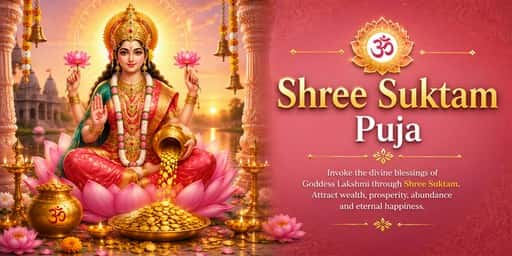
Shree Suktam Puja
"The Shree Suktam Puja is the complete ritual ceremony built around the Shri Suktam hymn. Where the Path focuses on the recitation alone, the Puja adds the full ceremonial framework. Sankalp at the beginning. The formal worship of Lakshmi Mata's idol. The Shri Suktam recitation as the heart of the ritual. The havan to seal the offerings. The aarti to close the vidhi. This is the puja chosen when a family wants the complete Lakshmi ceremony, with every element of the classical tradition observed in full."
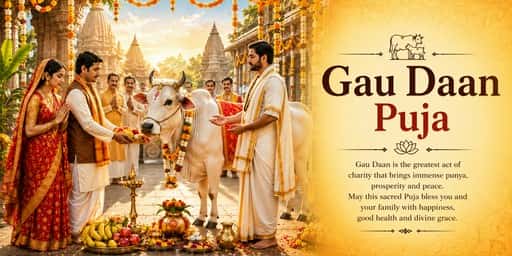
Gau Daan Puja
"Gau Daan means the gift of a cow. The shastras hold it as the greatest of all charity. To give a cow is to give a home to all the gods. Tradition says the cow carries the soul across after death. She helps it cross the river Vaitarani to the next world. This daan washes away the heaviest of old sins. It clears negative karma and the fear of the unknown. It is also the remedy for Nadi Dosh in a match. The gift brings the grace of Lord Krishna upon the giver. Devotees perform it before marriage and on holy days. It is one of the surest paths to moksha."
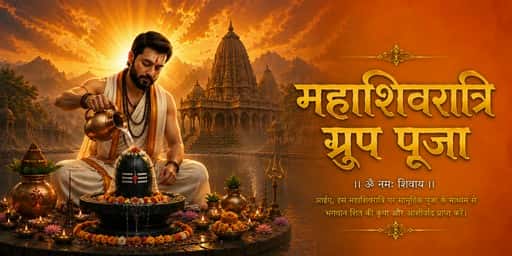
Maha Shivratri Group Puja
"Maha Shivratri is the great night of Lord Shiva. The shastras tell many tales of this sacred night. Some say Shiva married Parvati on this day. Others say he danced the cosmic dance of Tandav. It is the holiest night in all of Shiva worship. Devotees keep a fast and stay awake through the night. They bathe the Shivling and chant his sacred name. This group puja joins many devotees in one worship. The shared prayer on this night carries great strength. It washes away sin and grants the grace of Shiva. Devotees seek peace, plenty, and a happy life."
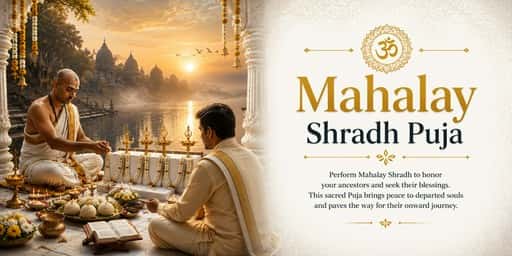
Mahalay Shradh Puja
"Mahalay Shradh falls in the sacred fortnight of Pitru Paksha. Hindu tradition holds that the ancestors come down to earth then. They wait for their children to offer them food and water. To skip this duty is said to leave the forefathers hungry. Their rest depends on the care the family gives. This puja offers pind and tarpan to the departed. It honours them on their own death date within the fortnight. The grace of pleased ancestors then flows to the living. It brings peace, plenty, and joy to the home. Families have kept this duty for countless generations."
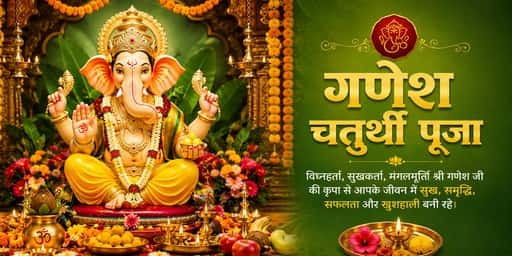
Ganesh Chaturthi Puja
"Ganesh Chaturthi marks the birth of Lord Ganesh. He is the elephant-headed son of Shiva and Parvati. People worship him first before any god. He is the remover of all blocks and the giver of wisdom. The festival is one of the most loved in the land. Devotees bring his murti home with great joy. They worship him for ten days with song and bhog. On the last day they bid him a loving farewell. The puja seeks his grace for a smooth and bright path. It clears trouble and brings success in every task. Devotees seek his blessing before any new start."

Shree Ram Mahayagya
"Lord Ram is the seventh avatar of Vishnu. The world reveres him as Maryada Purushottam, the perfect man. His life is the story of duty, truth, and honour. He kept every promise even at the cost of his throne. The Ramayan tells how he won over evil with grace. This mahayagya is a grand fire worship in his name. It calls on his strength for peace, courage, and a right path. The yajna carries the prayer to the Lord through fire. It clears strife from the home and brings calm to the mind. Devotees seek his blessing for an honest and steady life."
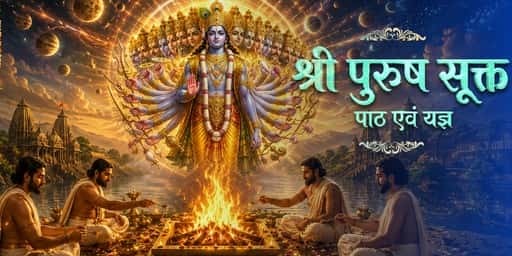
Shree Purusha Sukta Path and Yajna
"The Purusha Sukta is one of the most ancient and sacred hymns in the Rigveda. It describes the Purusha, the cosmic being, from whose body the entire universe is created. The sky is his head. The earth is his feet. The sun is his eye. The hymn is the foundation of Vedic philosophy itself, and is recited at every major yajna across the Hindu tradition. The Purusha Sukta is considered the supreme prayer to Vishnu in his cosmic form. To have it recited as a focused path with yajna is to align the family's life with the cosmic order itself."
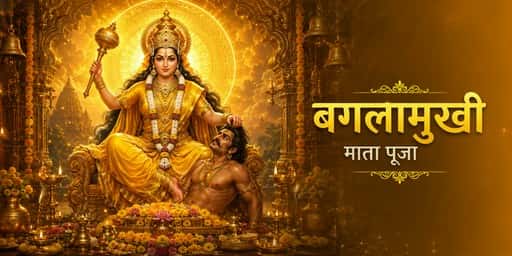
Baglamukhi Mata Puja
"Baglamukhi Mata is the eighth of the ten Mahavidyas. Her name comes from bagla, meaning "the one who silences," and mukhi, meaning "the face." She is the goddess who silences the voice of the enemy. Who paralyses the power to harm. Who freezes negative energy at its source. Her form is fierce, but her purpose is protection. She holds the tongue of her enemy in one hand, and a club in the other. Wherever Baglamukhi rules, no harm can move forward. Yellow is her sacred colour. Yellow flowers, yellow cloth, and turmeric are her offerings."
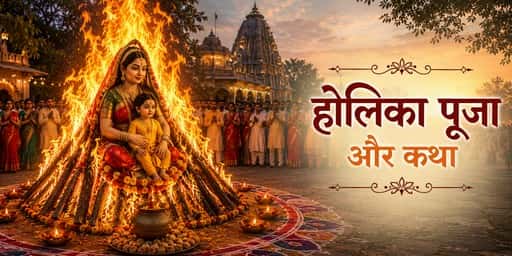
Holika Puja and Katha
"Holika Puja is performed on the night before Holi. The story behind it is one of the most powerful in Hindu tradition. Holika was the sister of the demon king Hiranyakashipu. She had a boon that fire could not harm her. When her brother ordered her to kill his own son Prahlada, a devoted bhakta of Vishnu, she sat with him in a roaring fire, believing she would survive and the child would burn. But the opposite happened. Holika perished. Prahlada walked out unharmed. The fire that night marks the eternal truth. Where devotion stands, evil cannot. Holika Dahan, the burning of Holika, is observed every year to remember this victory."
Banana Tree Puja
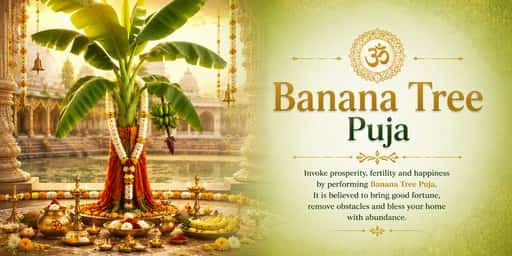
"The banana tree is sacred in Hindu worship. Tradition links it to Guru Brihaspati, the planet of wisdom and fortune. It is also dear to Lord Vishnu and Lord Krishna. A weak Brihaspati in the chart delays marriage and growth. It can also block learning, wealth, and respect. This puja worships the banana tree to strengthen that planet. The tree stands for plenty, faith, and a clean life. Devotees water its roots and tie sacred threads to it. They walk around it and offer prayers for their wishes. The worship is most loved on Thursdays, the day of the Guru."
Sheetla Mata Puja and Yajna
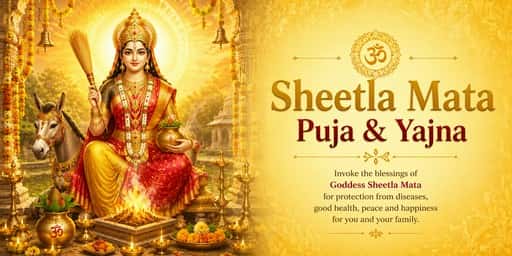
"Sheetala Mata is the cooling form of the Divine Mother. Her name means the one who brings coolness and calm. Hindu tradition reveres her as the goddess who guards against disease. People worship her to keep illness away from the home. She rides a donkey and carries a pot of healing water. Her worship is most loved in the hot months of the year. Mothers pray to her for the health of their children. She cools fever, heals the body, and brings peace to the home. Her blessing is said to bring success and plenty too. Devotees have turned to her for protection for ages."
Das Dikkapal Puja
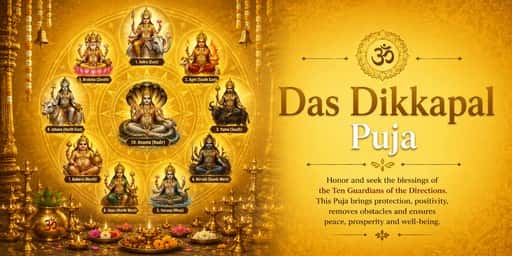
"The shastras name ten guardians who rule the ten directions. They are led by Indra and called the Das Dikkapal. Each one watches over a side of the world. Indra guards the east and Yama the south. Varuna guards the west and Kubera the north. The others hold the corners, the sky, and the earth below. Together they keep the whole space around us safe. This puja honours all ten guardians in one worship. It seeks their blessing for protection on every side. With them pleased, no harm can enter from any direction. The seeker then moves forward without a block."